Living the Landlord Fantasy in Fable’s Reboot: My Take on Albion’s Property System
When you’ve spent enough time playing RPGs, you start to notice how often money becomes a background mechanic rather than a meaningful system. Gold usually exists for weapons, healing items, and occasional upgrades, but rarely does it shape the world in a persistent way.
That’s why the property system in the Fable franchise has always stood out. It turns the player into more than a hero—it turns them into an economic force inside the game world.
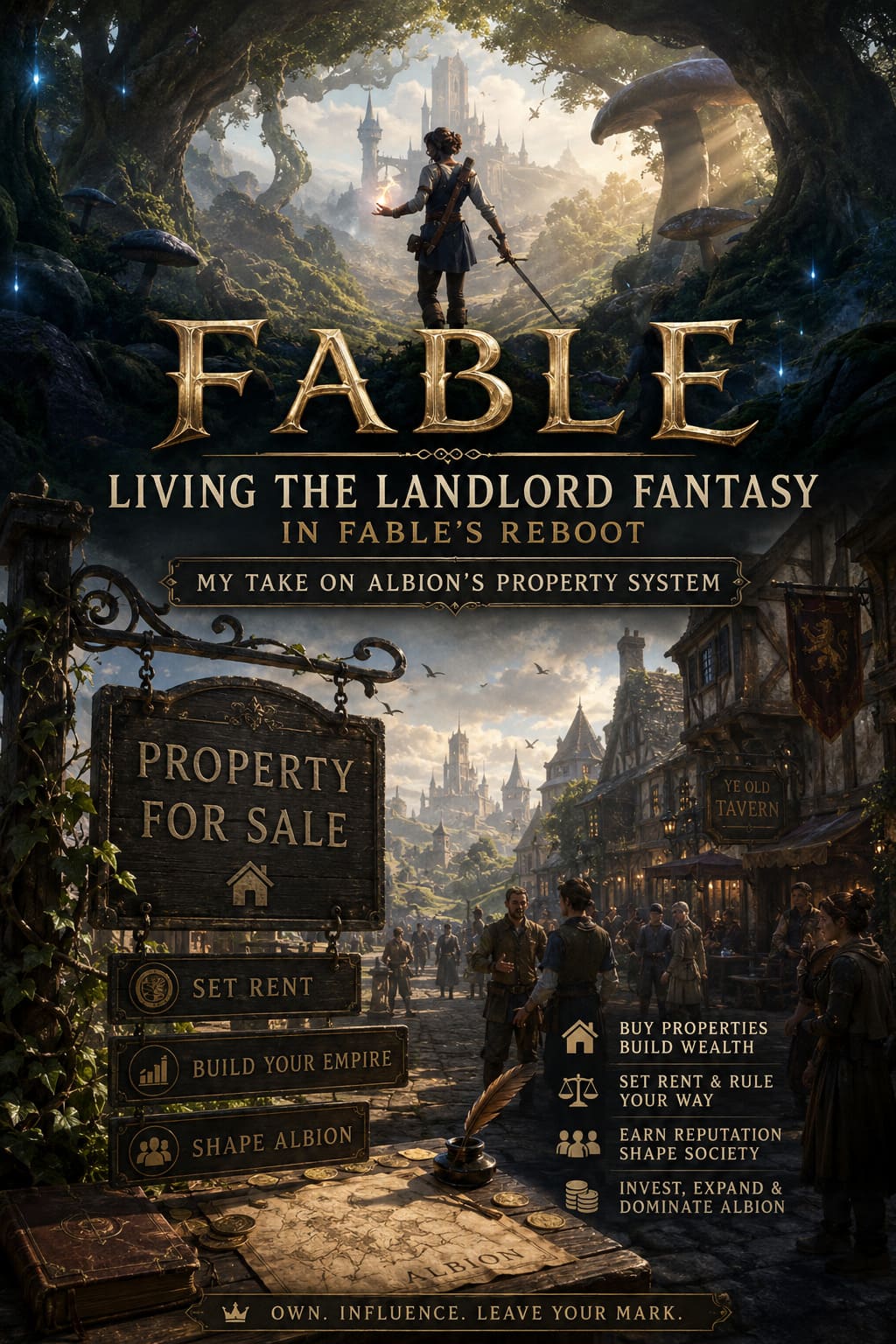
The upcoming Fable reboot continues to generate discussion because it appears to revive this idea of economic influence in a modernized form. Instead of treating housing as a side activity, it seems to position ownership, rent control, and business management as core parts of how Albion reacts to the player.
Having played a wide range of RPGs over the years, I find this direction interesting not because it is new, but because it is rare to see it handled in a way that remains fun rather than overwhelming. The appeal of Fable has always been that it blends systems with personality, humor, and visible consequences rather than pure simulation complexity.
Fable’s Styleweaving Combat System Explained From a Player’s Perspective
The Core Concept: You Are What You Own
At the heart of the reboot’s property system is a simple idea: ownership defines identity. Instead of a traditional morality meter that categorizes you as purely good or evil, the game appears to shift toward a reputation model shaped by your economic behavior.
Buying homes, setting rent prices, evicting tenants, or investing in businesses will not just affect income—it will affect how NPCs perceive you. You are not just a hero completing quests; you are also someone actively shaping the social and financial structure of Albion.
This approach feels more dynamic than older systems because it ties morality directly to economic behavior rather than abstract choices. It forces players to think about consequences in a more grounded way without turning the game into a spreadsheet simulator.
How the Housing System Evolves From Classic Fable
The original Fable games already experimented with property ownership in a surprisingly ambitious way. The reboot seems to be building on that foundation rather than replacing it.
How to Fix Space Haven Black Screen on Launch: 2026 Guide
From Simple Ownership to Living Economy
In earlier entries, buying property was straightforward: purchase a building, assign rent, collect income. It was effective but mechanically simple. In the reboot, everything suggests a shift toward a more reactive system where NPCs actively participate in the housing ecosystem.
Reputation-Driven Consequences
Instead of static income, your decisions appear to influence how communities respond. Charging high rent in poor districts could damage your reputation, while fair pricing might improve it. This turns property management into a moral-economic hybrid system.
Dynamic NPC Reactions
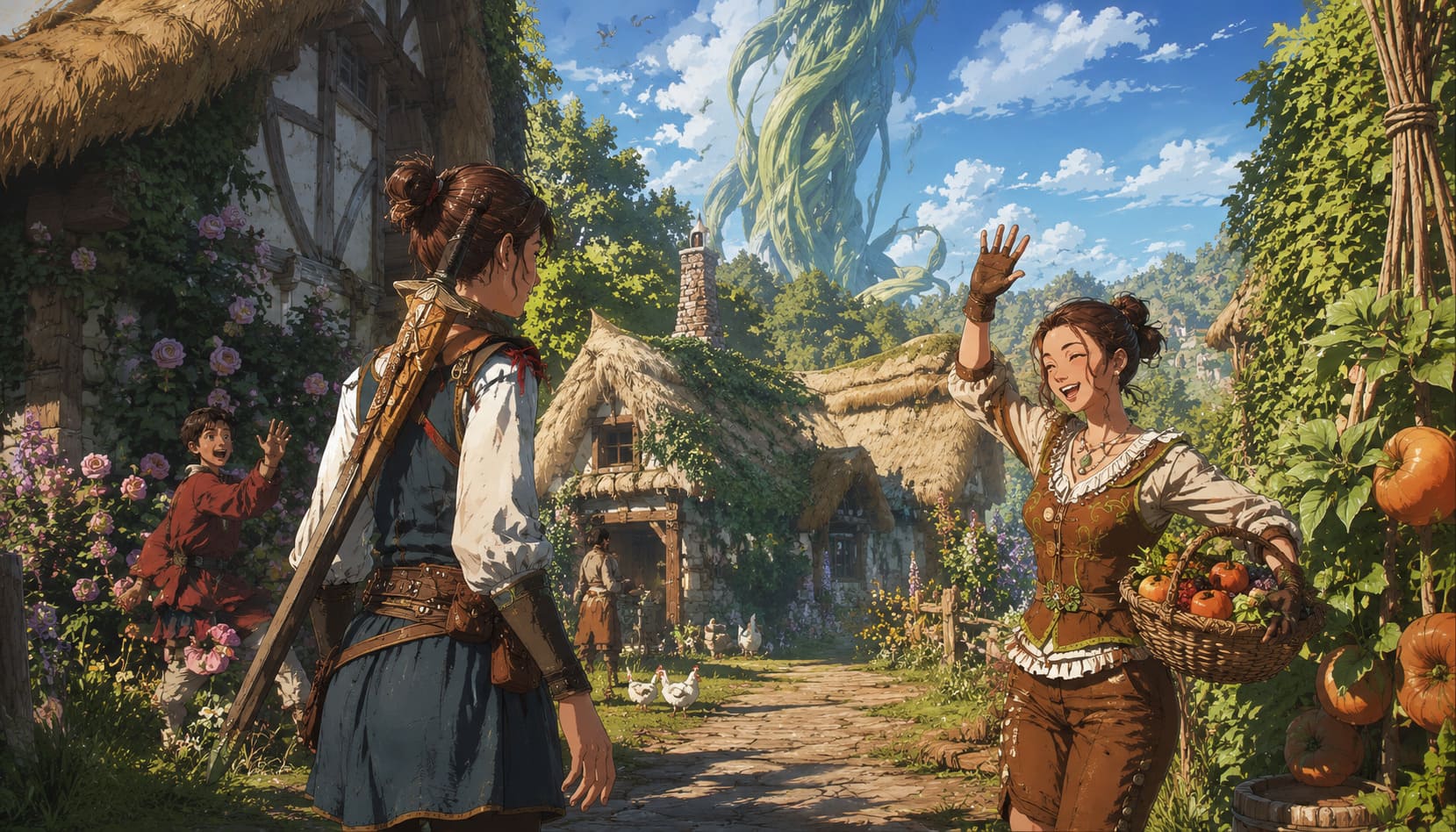
One of the most interesting directions is the idea that NPCs no longer exist as background entities. They react, adapt, and potentially change behavior based on your actions as a landlord. This creates a sense that your decisions genuinely reshape local communities rather than just adjusting numbers on a menu.
Property System Comparison: Then vs Now
The evolution of Fable’s housing mechanics can be understood more clearly when compared across design generations.
| Feature | Classic Fable | Reboot Direction |
|---|---|---|
| Property Ownership | Static buy-and-earn system | Dynamic ownership with world impact |
| Rent System | Manual adjustment slider | Reputation-influenced pricing |
| NPC Behavior | Minimal interaction | Reactive and socially aware NPCs |
| Eviction Mechanics | Simple removal | World-state consequences and social effects |
| Economic Depth | Moderate passive income loop | Multi-layered interactive economy |
What Works Well in This Approach
From a design perspective, tying property ownership to reputation is a strong move. It prevents the system from becoming purely exploitative while still allowing players freedom to experiment. It also reinforces one of Fable’s most important design strengths: visible consequences.
There is something satisfying about walking through a town and seeing how your economic decisions have physically altered it. Whether that means prosperity, decline, or social tension, the world feels more responsive when systems extend beyond menus.
This also encourages replayability. A player who builds a fair landlord empire will experience a different version of Albion compared to someone who maximizes profit at every opportunity.
Potential Risks: When Systems Become Too Complex
While the direction is promising, there is always a risk when RPGs expand simulation systems too far. Complexity can easily become friction if it starts demanding constant attention from the player.
The strength of Fable has historically been its accessibility. It allows players to engage deeply with systems without requiring technical mastery. If property management becomes too granular or requires constant micromanagement, it could shift the experience away from adventure and toward administration.
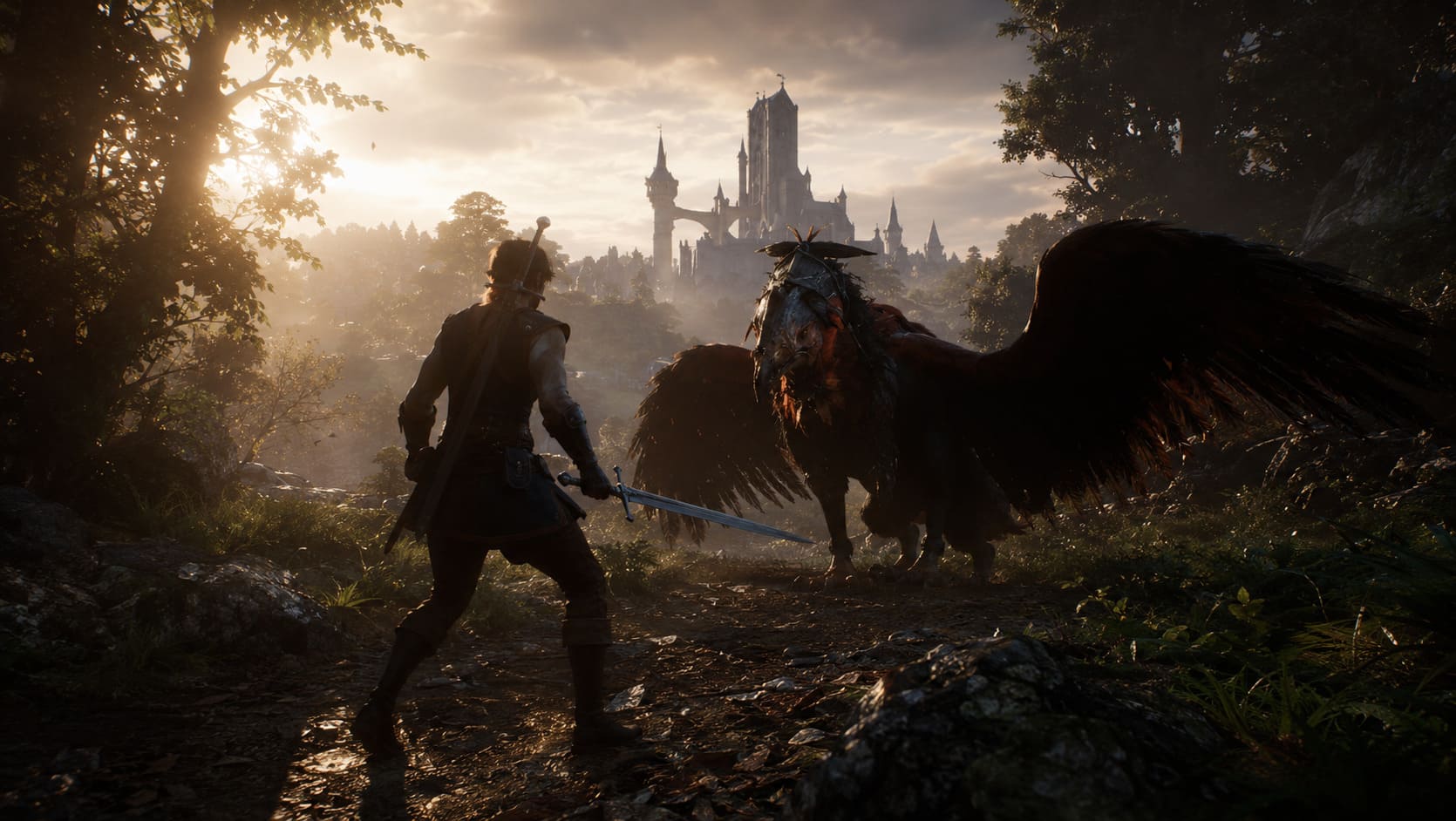
The ideal balance is giving players meaningful control without forcing them into repetitive optimization loops. The system should feel expressive, not exhausting.
How Property Affects Gameplay Progression
One of the most important aspects of any RPG economy is how it influences progression. In traditional Fable design, property income acts as a long-term stabilizer. It allows players to fund their journey without excessive grinding.
In a modernized system, this role could expand. Property might not just generate income but also influence access to quests, NPC interactions, and regional opportunities. For example, owning businesses in certain regions could unlock unique dialogue options or economic advantages.
This kind of integration would make property ownership feel like a parallel progression system rather than a side feature.
Personal Strategy for Early Game Property Growth
If the reboot maintains the structure of earlier games, early investment strategy will still be crucial. Based on how similar systems typically function, a few core principles likely remain relevant.
- Start small instead of chasing expensive properties too early
- Focus on low-cost buildings in early settlements
- Reinvest income consistently rather than saving for large purchases
- Maintain balance between profit and reputation
The key idea is compounding growth. Small properties generate early income, which fuels additional purchases, which then accelerates overall progression. It is a slow start that eventually becomes exponential.
The Role of Businesses and Commercial Ownership
Beyond housing, commercial property appears to play a major role in the broader economic system. Owning shops, taverns, and crafting businesses expands the player’s influence beyond passive rent collection.
This adds another layer of strategy. Instead of simply collecting money, players may need to think about supply chains, pricing advantages, and regional economic differences.
If implemented well, this could turn the player into a true economic force in Albion, influencing both local markets and broader regional economies.
Final Thoughts: Why This System Still Works
The reason property systems in Fable remain interesting is not because they are the most complex simulation mechanics in gaming, but because they are among the most expressive. They allow players to see their decisions reflected directly in the world without overwhelming them with technical detail.
The reboot seems to aim for a more reactive and socially aware version of this system, where ownership is not just about income but identity. That shift alone is enough to make it one of the most interesting mechanics to watch in the upcoming release.
If Playground Games manages to maintain the balance between depth and accessibility, the property system could once again become one of the defining features of the entire experience—not because it is the most complex system in RPGs, but because it is one of the most memorable.