Yakuza Kiwami 3 & Dark Ties: Yoshitaka Mine’s Entrepreneurial Origins and Remake Guide
When I booted up Yakuza Kiwami 3 & Dark Ties for the first time, I didn’t expect to feel that familiar lump in my throat. I thought I was ready: another remake, another nostalgia hit, another tour through Kamurocho. What I wasn’t ready for was how personal this release feels—not just as a remake, but as a reflection on what the series has become after twenty years.
This isn’t just a polished version of an old game. It’s a statement from Ryu Ga Gotoku Studio to the fans who stuck around through janky combat, awkward pacing, and endless debates about which villain deserved better. And yes, this time, that villain finally gets his due.
Two Campaigns, Two Very Different Emotions
At a glance, the concept is simple: one remake, one brand-new prequel. In practice, it’s one of the most interesting structural choices the studio has made since reinventing the franchise under the Like a Dragon banner.
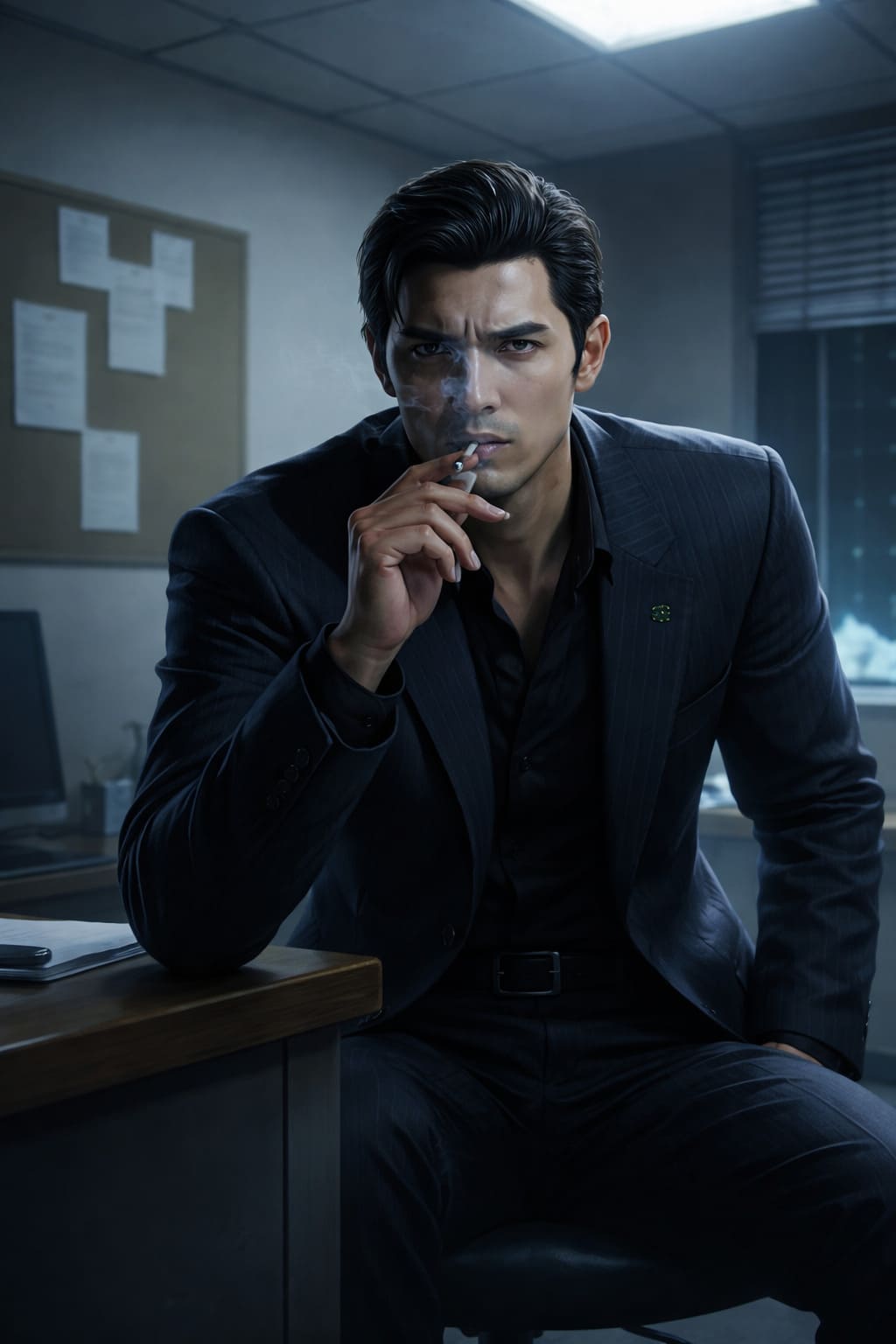
You choose between two full campaigns available directly from the main menu.
- Yakuza Kiwami 3 – a full Dragon Engine remake of the 2009 classic.
- Dark Ties – a standalone prequel focused entirely on Yoshitaka Mine.
What surprised me most is how different these campaigns feel tonally. Kiwami 3 is warm, slow, and emotionally grounded. Dark Ties is cold, fast, and deeply uncomfortable—and that contrast is exactly why the package works.
Yakuza Kiwami 3 Morning Glory Orphanage Guide: Become the Ultimate Dad (Tips & Rewards)
Dark Ties: The Villain Origin Story We Argued About for Years
Mine has always been a fan favorite. Sophisticated, tragic, misunderstood. But until now, most of his depth lived between the lines of Yakuza 3. Dark Ties finally puts those theories on screen.
Instead of starting with crime, the game begins with ambition. You play Mine not as a Yakuza powerhouse, but as a ruthless startup operator in Tokyo—someone who believes success will fill the void left by a childhood without parents. The new business management system isn’t just a mini-game; it is the story.
What really hit me while playing:
- The way boardroom victories feel just as violent as street fights.
- How every financial win makes Mine emotionally colder.
- The subtle writing that ties his hunger for approval directly to Daigo Dojima.
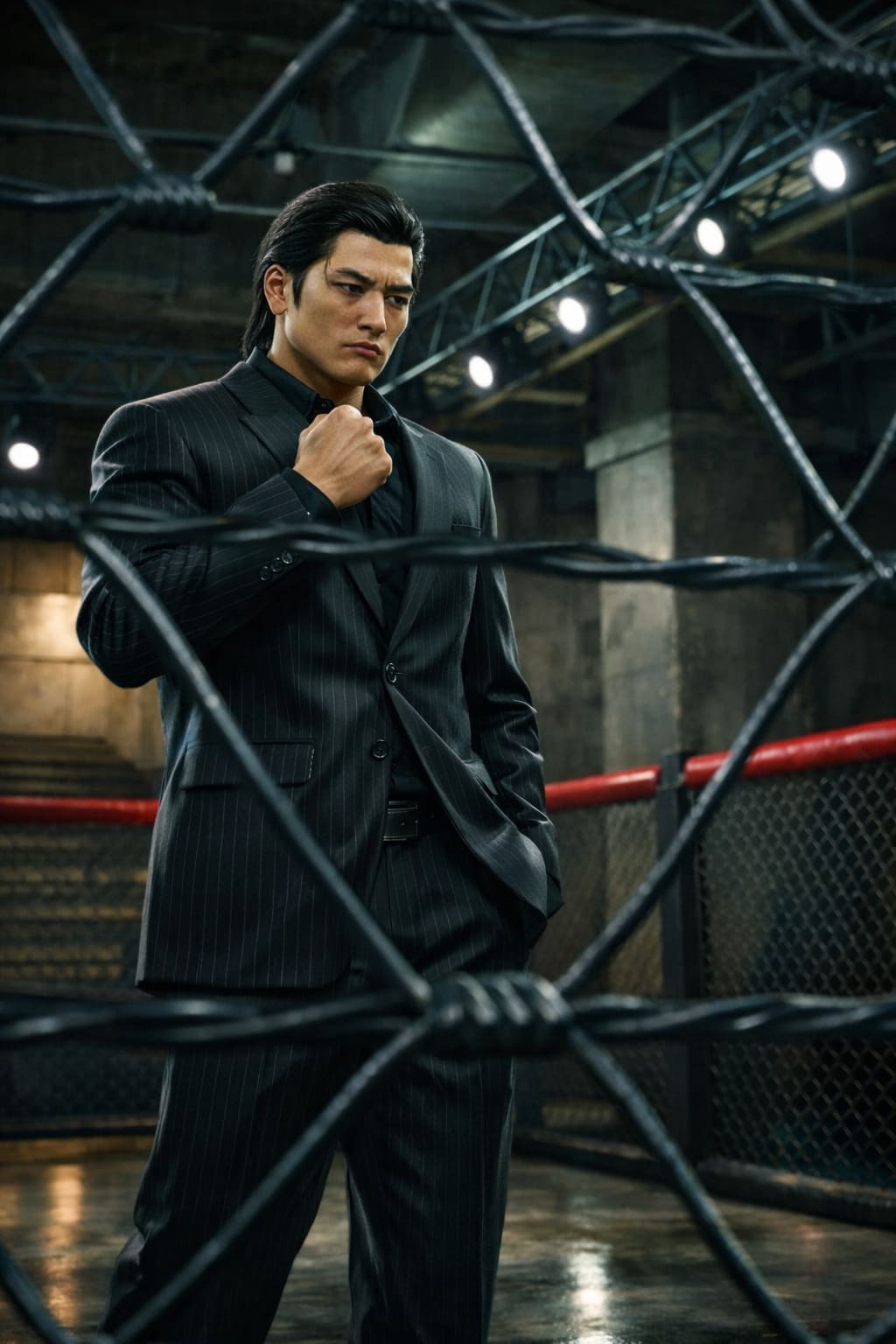
Combat reflects this perfectly. Mine’s boxing-based style is fast, precise, and almost joyless. When Dark Awakening activates, it feels less like a power fantasy and more like self-destruction. This is easily the most psychologically focused narrative RGG has ever written, and it genuinely made me rethink Mine’s fate.
Kiwami 3: Finally, the Version Yakuza 3 Deserved
Let’s be honest: Yakuza 3 always had a reputation problem. Great story, rough gameplay. “Block-uza” became a meme for a reason. Kiwami 3 finally puts that era to rest.
Built fully in the Dragon Engine, the remake feels modern without losing its soul. Okinawa is bright, slow, and almost peaceful by design. After the chaos of Kamurocho, the orphanage sections feel like emotional decompression chambers.
The improvements are immediately noticeable:
- Combat feels aggressive again, with far less defensive stalling.
- Kiryu now has two distinct styles, including a weapon-focused Ryukyu stance.
- Morning Glory orphanage scenes are expanded and emotionally stronger.
Watching Kazuma Kiryu interact with the children in modern presentation reminded me why this arc was always the emotional core of Yakuza 3.
New Activities That Actually Make Sense
RGG didn’t just add content for the sake of marketing bullet points. Most of the new activities tie directly into character or theme, which helps them feel meaningful rather than distracting.
- Bad Boy Dragon – biker gang racing and combat that’s chaotic in a fun, unapologetically silly way.
- Hell’s Arena – a brutal underground tournament that mirrors Mine’s worldview.
- Modernized hostess clubs – smoother mechanics with more character-driven interactions.
Even the pre-order content, which includes Ichiban Kasuga as a biker gang member, feels like a playful nod to fans rather than an intrusive cash grab.
Performance, Reception, and the Franchise Fatigue Debate
Critically, the game sits in the mid-70s range, and that honestly feels fair. This isn’t a revolutionary leap forward. It’s iterative, confident, and maybe a little too comfortable.
The most common criticisms include familiar structure, slower pacing on certain platforms, and the feeling that the core formula hasn’t evolved dramatically. As a longtime fan, though, that familiarity feels intentional. This is comfort food done well.
Recommended Play Order
The game allows you to jump into either campaign at any time, but based on my experience, one order hits significantly harder.
- Start with the Kiwami 3 main story to establish emotional context.
- Move on to Dark Ties to reframe Mine’s motivations.
- Revisit key scenes with fresh perspective.
Handled this way, certain moments land with far more emotional weight.

Final Verdict: Not Just a Remake, but a Reflection
Yakuza Kiwami 3 & Dark Ties doesn’t try to reinvent the wheel. Instead, it asks a quieter question: was it all worth it? For Kiryu, for Mine, and for players who have followed this series since the PlayStation 2 era.
It’s flawed, familiar, occasionally indulgent—and deeply sincere. If this is how Ryu Ga Gotoku Studio chooses to honor its past by deepening its most tragic characters rather than sanding down rough edges, then this anniversary release succeeds where it matters most.
Quick Reference
| Category | Details |
|---|---|
| Platforms | PlayStation 5, Xbox Series X|S, PC, Nintendo Switch 2 |
| Engine | Dragon Engine |
| Campaigns | Kiwami 3, Dark Ties |
| Core Themes | Legacy, Ambition, Family |
| Standout Feature | Mine’s Business Management System |
| Best For | Longtime Fans of the Yakuza Franchise |