Stranger Than Heaven Recruitment Guide: How to Build Your Band Empire
I’ve played a lot of management-heavy games over the years—from the absurdly addictive cabaret systems in Like a Dragon to full-blown tycoon sims—and I didn’t expect Stranger Than Heaven to hook me the way it did.
But the recruitment system in this game isn’t just another side mechanic. It’s basically the emotional backbone of the entire show business fantasy RGG Studio is going for.
This isn’t just about fighting or story progression. It’s about finding people, understanding them, and turning a group of strangers into a performing legend across decades of Japanese history.
And honestly? It’s one of the most satisfying systems I’ve seen in a long time.
Stranger Than Heaven Dual Limb Combat System: A Deep Dive Into RGG’s New Fighting Mechanic
A Recruitment System That Feels Alive, Not Scripted
What surprised me most is how non-linear recruitment feels. You’re not just ticking boxes or following quest markers. You’re actually listening to the world.
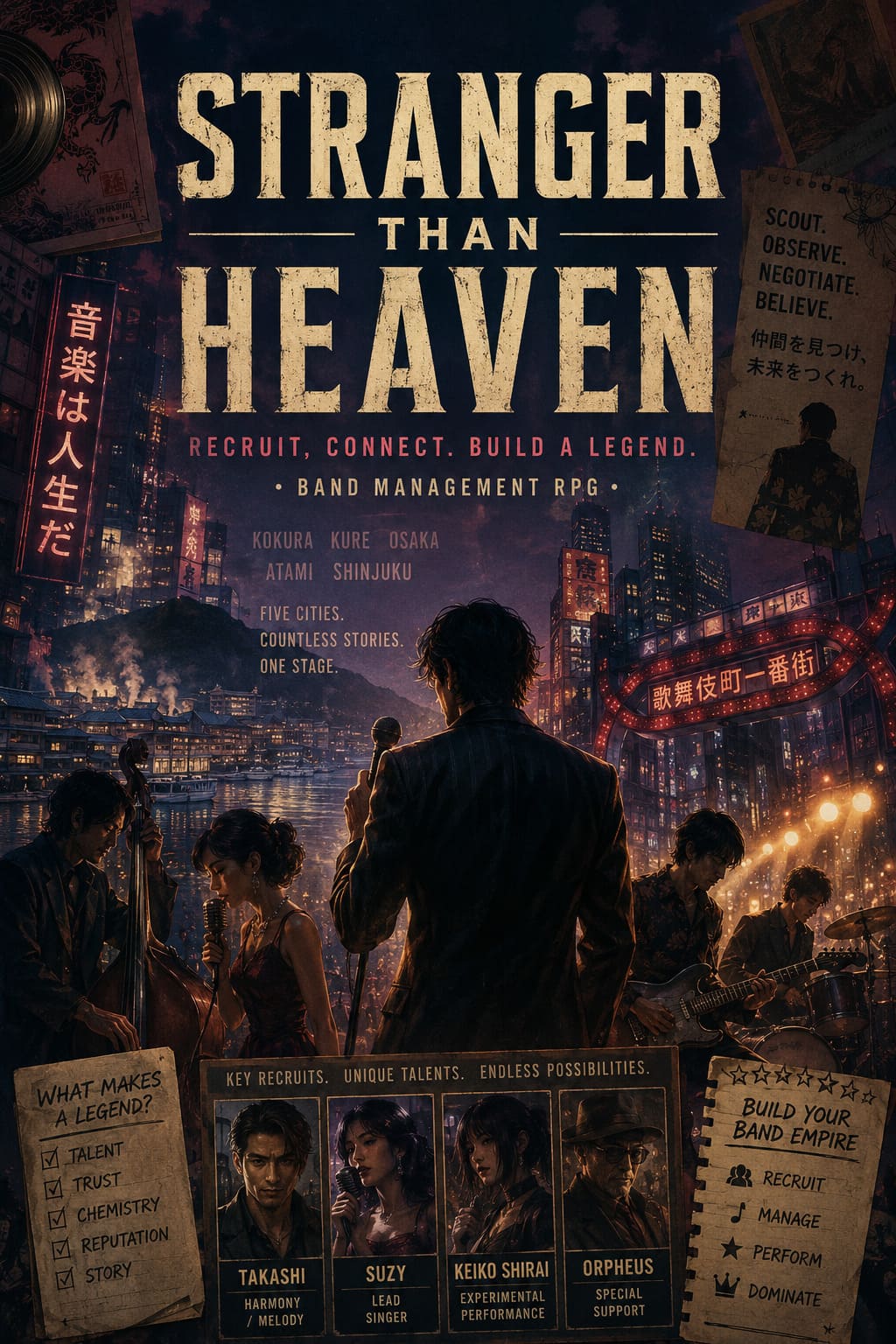
The game pushes you into five major cities—Kokura, Kure, Osaka, Atami, and Shinjuku—and each one feels like a different musical ecosystem. Some are rough and underground, others polished and commercial. The musicians you find reflect that environment.
Instead of “go here, recruit this person,” the system is built around three natural phases: Street-level discovery, Observation and evaluation, and Personal negotiation and trust-building.
It sounds simple on paper, but in practice it feels surprisingly organic.
Step One: Listening Like a Music Hunter
The first thing I learned is that NPC chatter actually matters more than it seems. At first, I ignored it—typical gamer behavior—but then I started noticing patterns.
Someone mentions a guy who plays trumpet like he’s arguing with the instrument, or a woman singing near the docks who makes people cry without trying.
Those aren’t just flavor lines. They’re breadcrumbs.
Once enough of these hints stack up, the game marks a Scouting Opportunity on your map. But even then, you don’t immediately get the recruit—you just get the chance to investigate.
Step Two: Observation – The Most Unique Mechanic
This is where Stranger Than Heaven really separates itself from other RGG systems.
You don’t just talk to a potential recruit. You observe them like a producer.
There’s even a mini-mechanic I started calling the “Sound Reading” phase. You watch them perform—sometimes casually humming, sometimes practicing alone—and the game breaks down their performance stats: Melody, Harmony, Rhythm, and Stage Presence.
Windrose Brigantine vs Sloop: Which Is Best for Solo Players in 2026?
What I liked here is that it doesn’t treat talent like a number. It feels like you’re actually judging artistry, not just stats.
And yes, I definitely spent way too long just standing in-game listening to random NPCs sing in alleyways.
No regrets.
Step Three: Negotiation Isn’t Just Money
This is where many games would simplify things. Not this one.
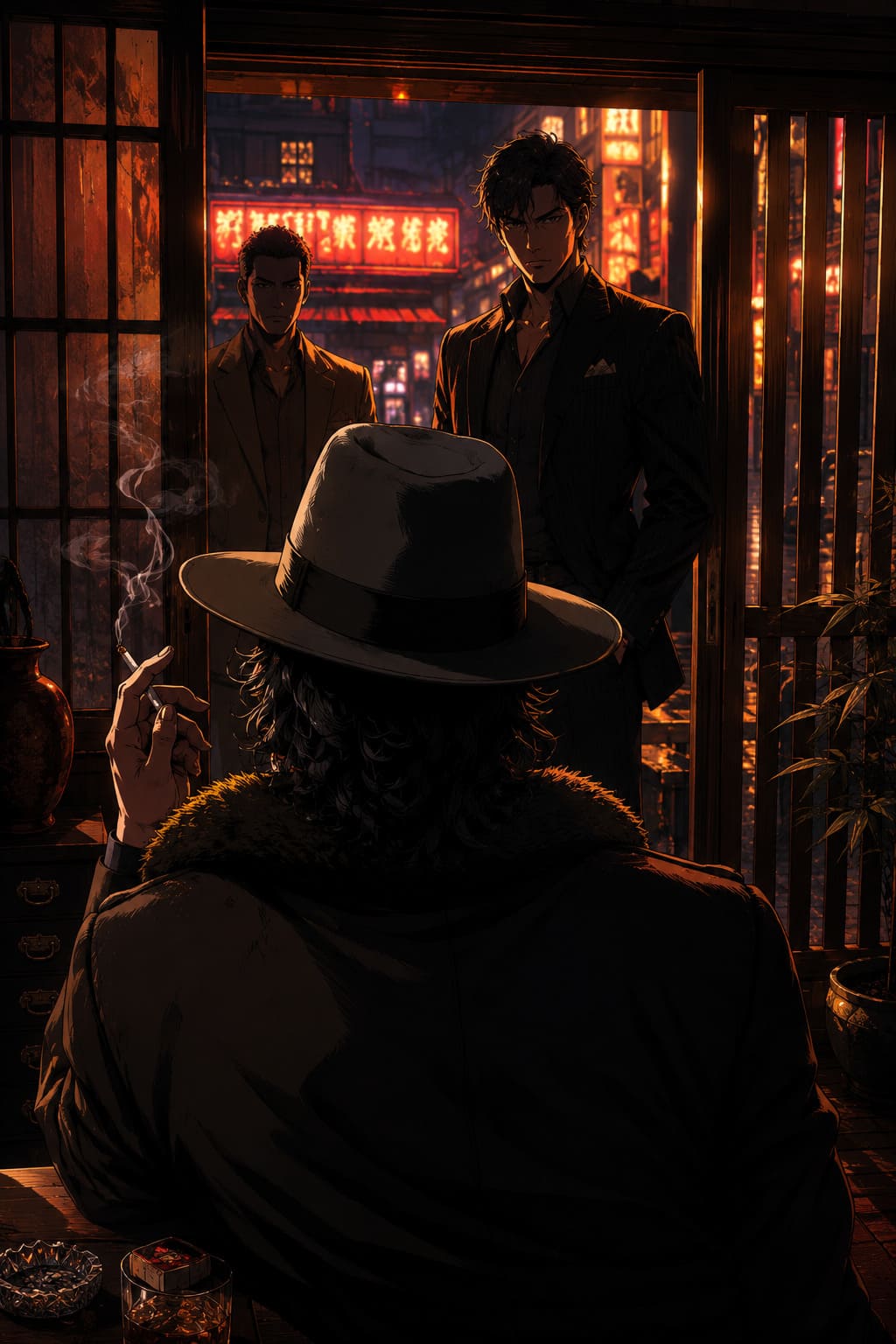
Some musicians join easily if you pay them. But the better ones? They don’t care about money alone.
They care about reputation, personal trust, emotional connection, and story outcomes tied to them.
Sometimes you literally have to complete a side story before they even consider joining you. Other times, you need to bring them specific instruments or help them solve personal problems.
It’s less “hire a worker” and more build a relationship with an artist who doesn’t trust you yet.
Legendary Singers – The Real Game Changers
Now let’s talk about the big names. These are not just recruits—they’re anchors for your entire band system.
From what I experienced, these characters completely change your strategy depending on when you unlock them.
Key Recruit Overview
| Character | Strength | Recruitment Style | Role |
|---|---|---|---|
| Takashi | Balanced stats, reliable | Story-based unlock | Harmony / Melody |
| Suzy | Emotional vocal powerhouse | Substory progression | Lead Singer |
| Keiko Shirai | High-risk, high-reward | Affinity-heavy system | Experimental performance |
| Orpheus | Late-game mentor figure | Fame-based unlock | Special performance support |
What I liked here is that none of them feel interchangeable. If you lose Keiko because you fail her expectations, the game doesn’t just replace her—it actually changes how your band evolves.
Band Management: Where Strategy Actually Matters
Once you start filling your roster, the game shifts from recruitment sim into full management mode.
You’re essentially building a five-role performance unit: Bass, Melody, Harmony, Rhythm, and Backing/Vocals.
What I didn’t expect was how much chemistry matters more than raw stats.
For example, two musicians from Osaka might unlock a “Local Soul” bonus that boosts overall performance. Meanwhile, mismatched personalities can actually reduce stage efficiency.
So you’re not just building power—you’re building compatibility.
Recruitment Tips From Experience
After spending way too many hours testing different approaches, here are the things that actually worked for me:
- Follow environmental audio cues—trains, street music, and ambient sounds often lead to hidden recruits.
- Night exploration matters more than daytime, especially in Atami and Shinjuku.
- Don’t skip substories—some of the best musicians are hidden behind unrelated storylines.
- Watch rival posters—they hint at elite performers you can potentially recruit later.
- Build reputation early—it affects late-game recruitment difficulty more than money does.
This isn’t a game where rushing works. If anything, slowing down gives better results.
Financial Side: Why Recruitment Actually Matters
At first, I thought this system was just flavor content. I was wrong.
Your band is your economy.
Better recruits mean larger venues, higher ticket pricing, better merchandise sales, and access to premium story events.
In other words, recruitment isn’t optional. It’s the core loop that funds everything else you do.
If your band is weak, your entire progression slows down. If it’s strong, the game basically opens up.
Final Thoughts
After a lot of playtime, what sticks with me isn’t just the mechanics—it’s the feeling.
Recruiting musicians in Stranger Than Heaven doesn’t feel like filling slots. It feels like discovering people with stories, problems, ambitions, and talent that needs direction.
You’re not building a band. You’re building a legacy across decades.
And every recruit changes that story in a meaningful way.
It blends management gameplay with emotional storytelling in a way that feels rare today, especially in big RPG-style systems.
Even with all its complexity, it never loses sight of its core idea: music is human, and so is the process of creating it.