Stranger Than Heaven Dual Limb Combat System: A Deep Dive Into RGG’s New Fighting Mechanic
I’ve played a huge number of action games over the years, from classic beat ’em ups to modern character action titles and deep fighting systems. So when I started playing Stranger Than Heaven, I expected something familiar with a slight twist. What I got instead felt like a complete rethinking of melee combat design.
The Dual Limb Combat System is not just another evolution of combo mechanics. It forces you to think differently about movement, timing, and even how you interpret space in a fight.
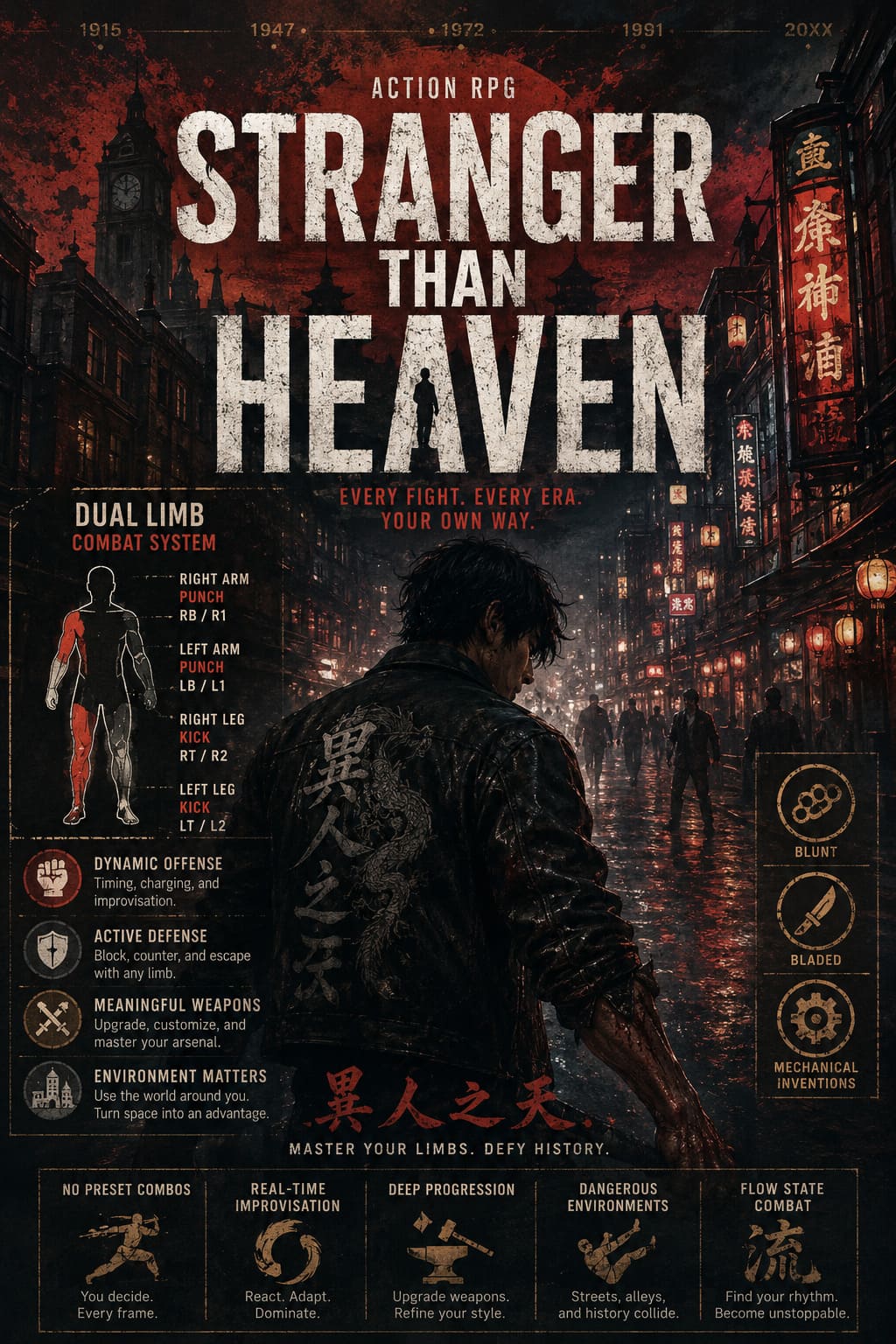
Developed by Ryu Ga Gotoku Studio, this system feels like their boldest attempt yet to break away from traditional brawler design.
It is not an easy system to learn. But once it clicks, it becomes one of the most engaging combat experiences in modern action RPG design.
Windrose Brigantine vs Sloop: Which Is Best for Solo Players in 2026?
What the Dual Limb Combat System Actually Changes
Instead of traditional light and heavy attack chains, the system splits combat into four independent limb controls. Each limb behaves like its own combat channel, allowing you to construct attacks in real time instead of following predefined combos.
Core Control Mapping
- Right Arm: Punch attacks (RB / R1)
- Right Leg: Kick attacks (RT / R2)
- Left Arm: Punch attacks (LB / L1)
- Left Leg: Kick attacks (LT / L2)
This setup means you are no longer executing fixed animations. You are actively composing your attacks frame by frame. It feels closer to improvisation than traditional combo systems.
Combat Flow: Learning to Think in Movement, Not Combos
The biggest mental shift in Stranger Than Heaven is abandoning the idea of “combos” entirely. Instead, you learn to think in sequences of motion. Every attack is a decision, not part of a preset chain.
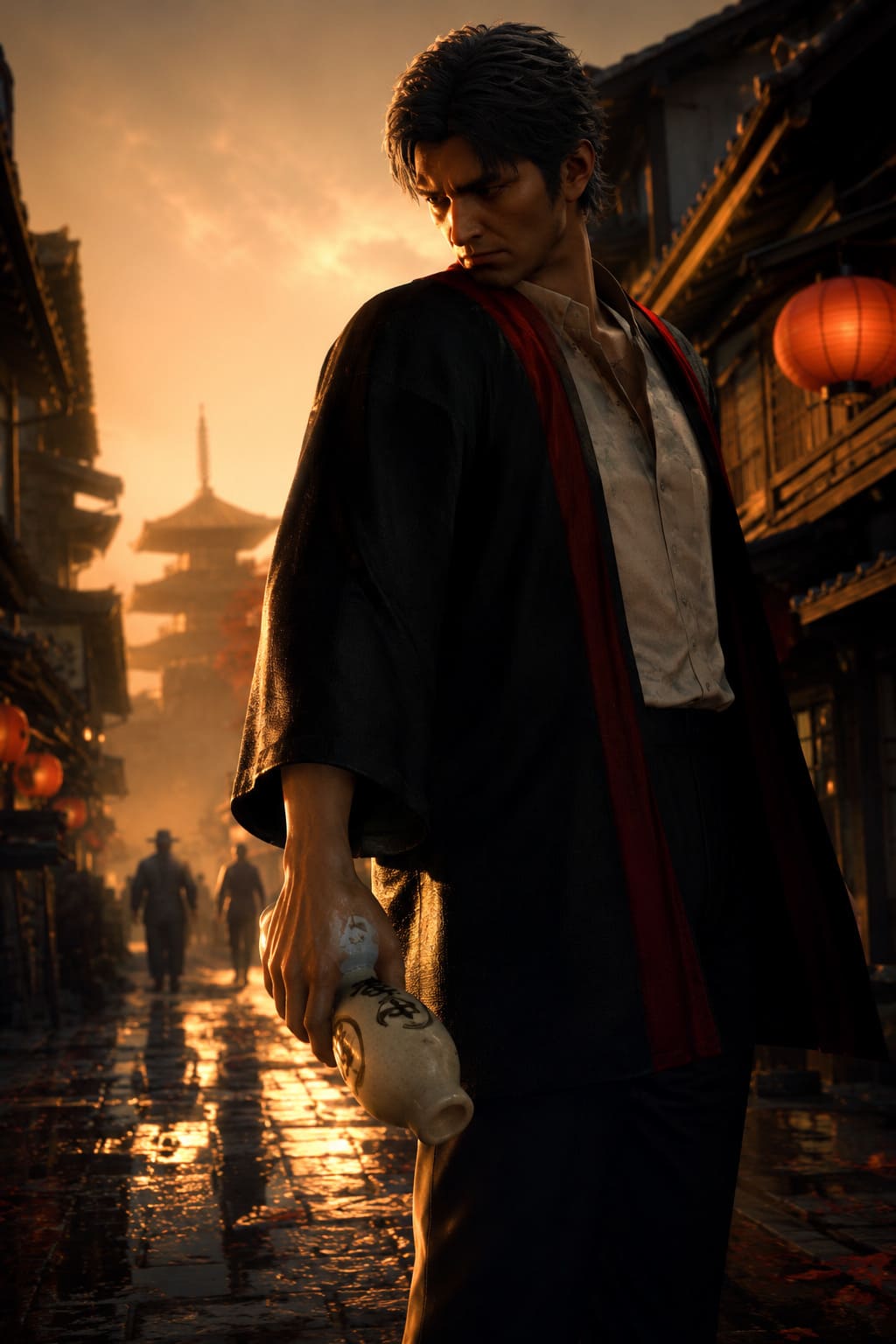
For example, you might start with a left jab, transition into a right hook, follow with a low kick, and finish with a heavy roundhouse. But you are never locked into that sequence. At any point, you can change direction, cancel, or switch limbs.
This creates a system where improvisation is more important than memorization. Skilled play comes from reacting, not repeating.
Offense: Timing, Charging, and Pressure
Attacks in this system are heavily timing-based. Quick taps produce fast strikes, while held inputs generate charged attacks that break guards or stagger enemies. The difference between success and failure often comes down to when you release a strike rather than which strike you use.
Alternating limbs is also essential. Repeating the same side too often reduces effectiveness and gives enemies time to adapt. The strongest players constantly shift between left and right inputs to maintain pressure.
Key Offensive Principles
- Fast taps = interruption and pressure
- Charged attacks = guard breaks and stagger
- Alternating limbs = sustained combo flow
- Diagonal chaining = faster recovery and safer transitions
Defense: Active Blocking Instead of Passive Guarding
Defense in Stranger Than Heaven is not a static mechanic. You are not simply holding a button to reduce damage. Instead, defense is split across limbs, allowing you to block, counter, and escape simultaneously.
This creates a system where even while defending, you are still making offensive decisions. Blocking with one limb while preparing a counter with another becomes a core skill at higher levels of play.
Defensive Options
- Single limb block: Absorbs damage while keeping other limbs active
- Counter strike: Immediate retaliation after a successful block
- Grab escape: Use free limbs to break holds dynamically
Weapons: Long-Term Combat Tools, Not Temporary Pickups
Weapons in this game are significantly more important than in previous action RPGs. Instead of being disposable tools, they function as upgradeable equipment that evolves throughout the game.
You will find blunt weapons, bladed weapons, and era-specific mechanical tools that reflect the game’s long historical timeline.
Each weapon type has unique properties and can be enhanced through workshops using materials collected across different cities.
Weapon Categories
- Blunt weapons: High stagger potential
- Bladed weapons: High damage and precision
- Mechanical inventions: Utility-based special effects
Environmental Combat: Turning Space Into a Weapon
The environment plays a much larger role than expected. Narrow alleys, open streets, stairs, and walls all influence how fights play out. Positioning becomes just as important as timing.
For example, kicking in tight spaces can limit your effectiveness, while open areas allow for full range movement and directional attacks. Environmental interactions often lead to unique animations and high-damage moments.
Learning Curve: Difficult But Fair
There is no way around it—the Dual Limb system is difficult at first. Players often struggle with input confusion, timing issues, and overthinking limb coordination. However, the system is designed to gradually build familiarity rather than overwhelm permanently.
Once the mechanics become second nature, combat transitions from deliberate input execution to instinctive flow. That transition is where the game truly shines.
Advanced Mechanics: Flow State Combat
Later stages of the game introduce advanced mechanics that reduce restrictions on animation canceling and increase combat speed. This creates what many players describe as a flow state, where attacks, counters, and movement blend seamlessly.
This phase of combat feels less like controlling a character and more like reacting in real time without hesitation. It is where the system fully reveals its depth.
Practical Combat Tips From Experience
After spending time with the system, several practical strategies become clear:
- Do not rely on one limb exclusively
- Learn defense timing before focusing on combos
- Use environmental interactions aggressively
- Experiment with attack sequences rather than memorizing them
- Positioning is often more important than raw damage
Combat Comparison Table
| Feature | Traditional Brawlers | Dual Limb System |
|---|---|---|
| Attack Structure | Fixed combos | Dynamic limb-based inputs |
| Defense | Passive blocking | Active multi-limb defense |
| Skill Expression | Combo memorization | Real-time improvisation |
| Combat Flow | Scripted sequences | Adaptive decision-making |
Final Thoughts: A Risk That Pays Off
Stranger Than Heaven’s Dual Limb Combat System is ambitious in a way that most modern action games are not willing to attempt. It sacrifices accessibility in the early hours in exchange for a much deeper long-term mastery curve.
It is not a perfect system, and it can feel overwhelming at times, but it succeeds in creating combat that feels active, physical, and reactive in a way few games manage to achieve.
For players willing to invest the time, it delivers one of the most engaging combat systems in modern action RPG design. It is not just about winning fights—it is about how you learn to fight in the first place.