The Mystery of Midnight Watcher Village: Siberia’s Most Disturbing Base & The Permafrost Theory
There are games you play for mechanics… and then there are games that stay in your head long after you’ve closed them. Midnight Watcher: Village feels like the second type.
It’s not just a survival horror experience set in some frozen Soviet relic—it’s the kind of game that makes you stare at dark tree lines in real life a little longer than you should.
As someone who plays a lot of horror and survival titles, I didn’t expect this one to hit differently.
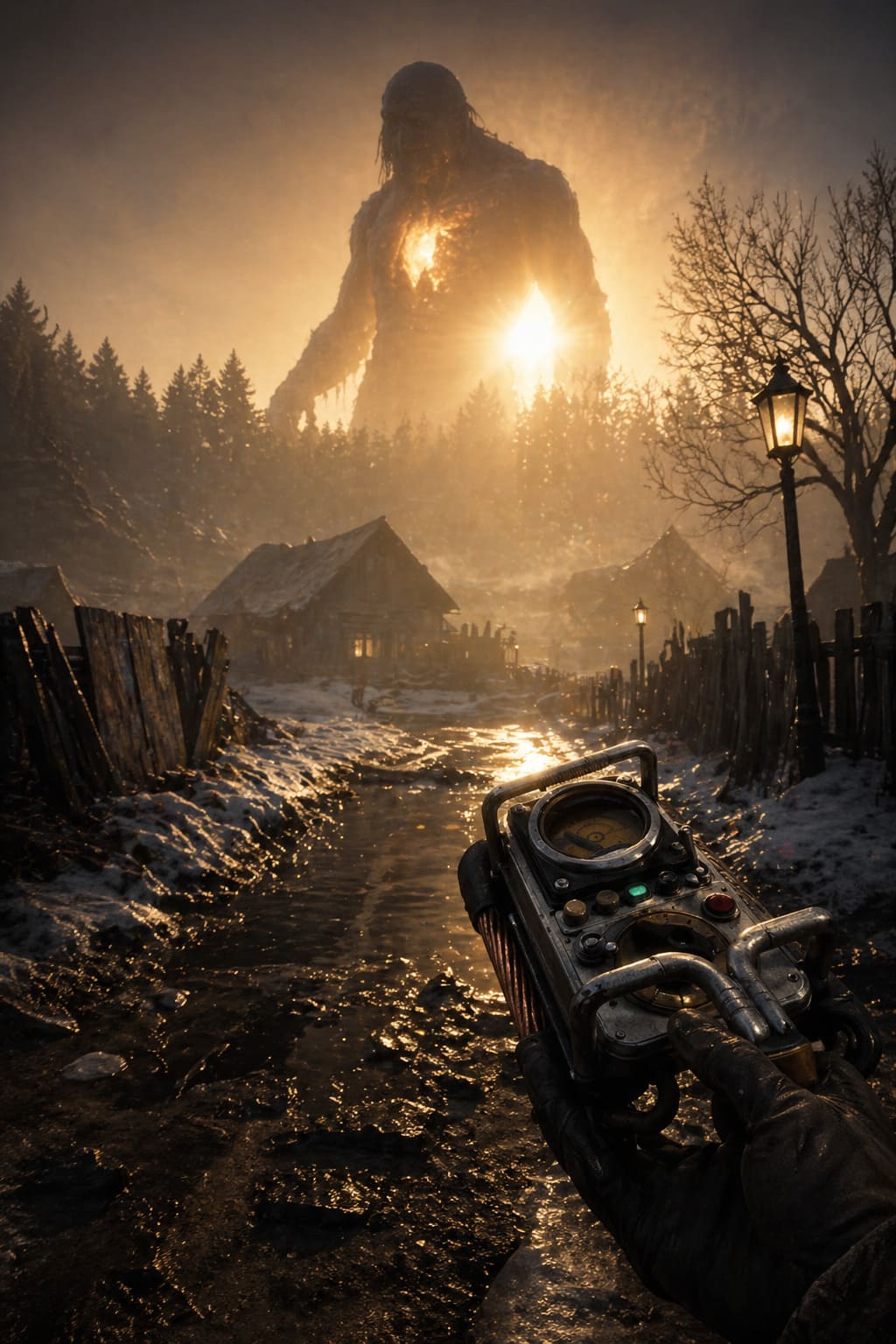
But the idea of an abandoned Siberian base, buried in endless snow and wrapped in paranoia, sticks with you. Especially when the game blurs the line between “fictional lore” and “maybe this came from somewhere real…”
Let’s break down what makes the Midnight Watcher Village lore so compelling, and why it’s becoming one of the most talked-about modern horror myths online.
Windrose Gunpowder and Bullets Locations Guide: How to Craft & Farm Ammo
The Setting: A Forgotten Soviet Outpost in Siberia
At the center of the story is a place simply called the Midnight Watcher Village. It’s portrayed as a remote Soviet-era outpost deep in the Siberian Taiga—somewhere so isolated that radio signals barely function and the horizon feels endless.
From a gameplay perspective, it’s genius: constant white silence during the day, crushing isolation at night, minimal resources forcing slow, careful survival, and a base that feels like it’s “watching you back.”
What makes it even more unsettling is the implication that this place wasn’t just abandoned—it was cleared out in a hurry.
The Mystery of the Abandonment
One of the strongest hooks in the Midnight Watcher storyline is the question: why did everyone leave?
There are multiple in-game “log fragments” and fan interpretations suggesting a breakdown in protocol during the early 1990s, right after the Soviet Union collapsed.
Some key theories include:
– A mining operation went wrong and exposed unknown subterranean formations
– Personnel were assigned to monitor “permafrost anomalies”
– The base experienced a containment breach involving unknown materials
– Entire shifts disappeared overnight with no official explanation
What makes this effective storytelling is that nothing is fully confirmed. You’re left piecing together fragments like a paranoid archivist.
As a player, I found myself doing something I rarely do in games: rereading notes just to make sure I didn’t miss a hidden meaning.
The Watchers: Not Ghosts, Not Monsters… Something Worse
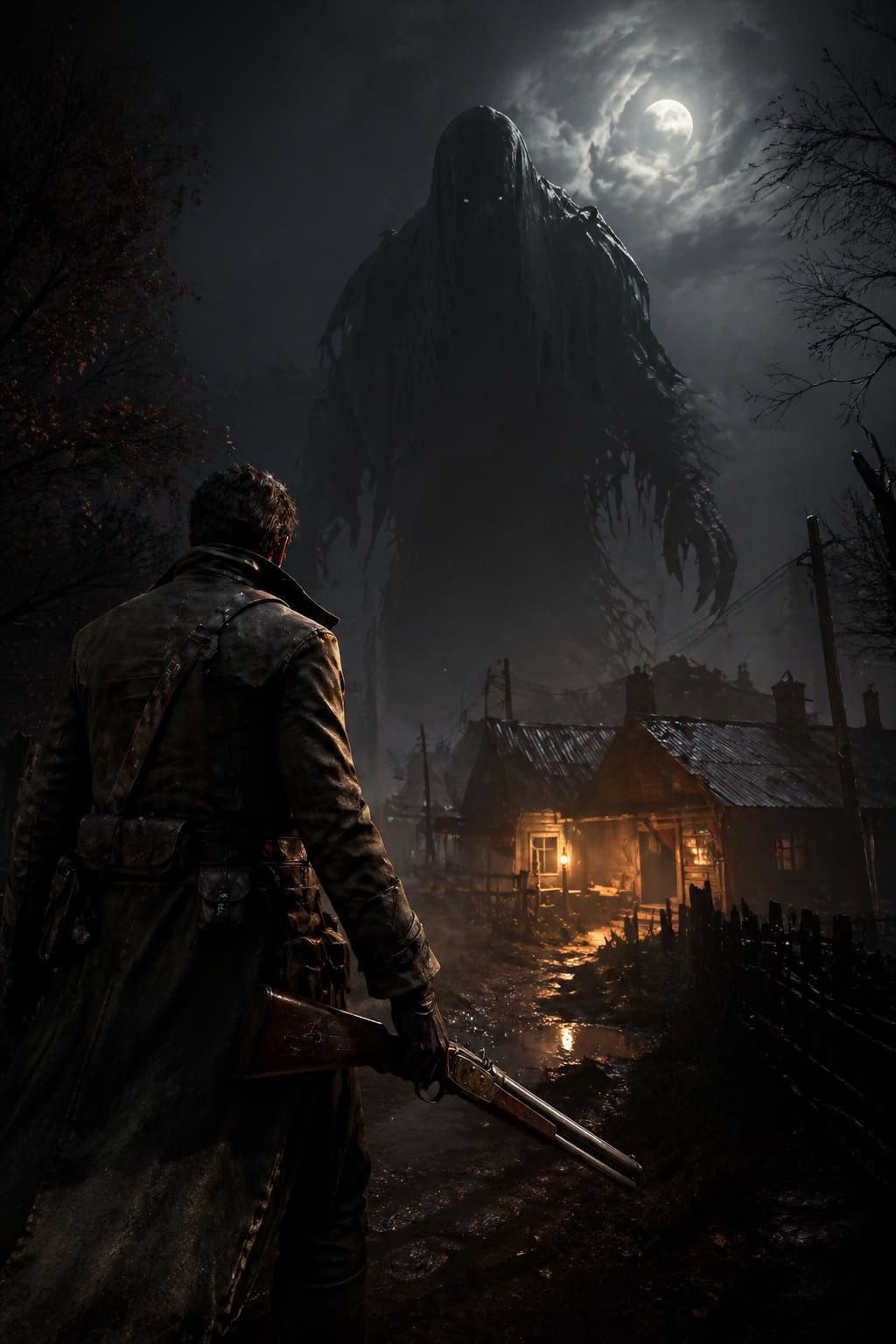
The real centerpiece of the lore is the entity known as The Watchers.
They aren’t described like typical horror enemies. There are no jump scare clichés or predictable monster designs. Instead, they exist in a far more psychological space.
Reported traits of the Watchers:
– Tall, human-like silhouettes at the edge of visibility
– Completely motionless when observed directly
– Appear more frequently during long nights or low visibility storms
– Seem to respond to fear or attention
What makes them disturbing isn’t just their appearance—it’s the idea that they are aware, but not in a human way.
Some players connect them to different interpretations:
– The Tall Perception Phenomenon, where stress distorts perception in darkness
– The “Listeners” theory, entities feeding on fear and emotional distress
– Territorial spirit concepts tied to land ownership or ancient presence
Whatever interpretation you choose, the result is the same: you never feel alone in the forest.
The Salt Protocol and Survival Rituals
One of the more fascinating gameplay mechanics tied to the lore is something called the Salt Protocol.
Instead of being a crafting resource or cooking item, salt becomes a protective tool. Players use it to create temporary boundaries around shelters or safe zones.
This mechanic draws from Slavic folklore, where salt was believed to:
– Protect against evil spirits
– Purify corrupted spaces
– Mark boundaries between safe and unknown territory
In gameplay terms, it adds tension. You’re not just managing hunger or warmth—you’re actively trying to hold back something you can’t fully understand.
Why the Lore Feels So Real
What makes Midnight Watcher Village stand out isn’t just its horror—it’s how grounded it feels.
A big part of the community obsession comes from how it borrows from real-world elements:
– Abandoned Arctic research stations
– Cold War secrecy and classified installations
– Real Siberian ghost towns reclaimed by nature
– Radio anomalies like UVB-76
– Indigenous folklore interpretations of forest spirits
Even if none of the Watcher lore is real, it’s stitched together from things that could be.
And that’s the key difference between forgettable horror and memorable horror.
Why People Are Hooked
Siberia represents something unique for many players: endless wilderness, extreme isolation, Cold War mystery, and places where modern systems don’t fully reach.
In other words, the perfect stage for existential horror.
When combined with survival mechanics and fragmented storytelling, the result is a game that doesn’t just scare you—it unsettles you on a conceptual level.
You’re not running from monsters. You’re surviving in a place that feels like it was never meant for humans.
Core Elements of Midnight Watcher Village Lore
Abandoned Base — Soviet-era outpost in Siberia creating isolation and mystery
Watchers — Unknown entities generating psychological tension
Salt Protocol — Survival mechanic tied to folklore protection rituals
Logs & Fragments — Broken narrative encouraging exploration
Permafrost Anomalies — Environmental sci-fi horror foundation
A Horror Game That Lingers
Midnight Watcher: Village feels less like a traditional game and more like an interactive urban legend. It exists in fragments across gameplay, forums, and player theories.
What stays with you isn’t the monsters—it’s the silence. The feeling that the forest doesn’t care whether you understand it or not.
Most horror games eventually explain their mystery. This one doesn’t fully commit to that. It leaves space for interpretation, paranoia, and speculation.
And maybe that’s why it works so well in 2026. It doesn’t just tell you a story—it lets you inherit it.
Because in the end… the forest is never really empty.
The Permafrost Breach Theory: Why Midnight Watcher Village Feels Too Real to Be Just a Game
As someone who spends way too many late nights digging through indie horror games, Midnight Watcher Village hit me differently.
At first, it looked like another survival horror experience built on classic tropes—isolated Siberian settlement, endless night cycles, creepy silhouettes in the treeline.
But the deeper I went (and I mean really deep into the lore threads, Reddit theories, and in-game “found footage”), the more it started to feel less like fiction and more like something… remembered.
That’s where the “Permafrost Breach Theory” comes in. And honestly? Even if it’s nonsense, it’s the kind of nonsense that sticks in your head at 3 AM when your monitor glow is the only light in the room.
What is the Permafrost Breach Theory?
The theory floating around gaming forums and paranormal subreddits claims that Midnight Watcher Village isn’t purely fictional. Instead, it allegedly reconstructs a suppressed Soviet-era experiment referred to as “Project 0712.”
According to the theory, this project supposedly involved deep drilling in the Siberian permafrost—far beyond known real-world efforts like the famous Kola Superdeep Borehole. But instead of geological research, the goal (as conspiracy threads claim) was something far more disturbing: detecting anomalous rhythmic seismic signals.
Some users even describe it as a heartbeat beneath the ice, non-random subterranean echoes, and patterns too structured to be natural. And then comes the most unsettling part of the story: once the drill supposedly reached a critical depth, everything stopped. No reports. No updates. No official trace. Just silence.
The Vanishing of Project 0712 (According to Online Lore)
While there is no verified historical record of Project 0712, the myth builds itself using familiar ingredients that horror fans love.
Reported “evidence” circulating online includes:
- Distorted audio clips labeled as “Siberian drilling recordings (1989)” featuring low frequency humming and ice cracking patterns interpreted as “vocal-like distortions”
- Abandoned Arctic stations with personal belongings left behind, meals half-finished, and equipment still powered on in some retellings
- Early satellite anomalies (1990s claims) showing heat signatures in frozen regions and movement patterns that don’t match known wildlife
Of course, none of this is confirmed. But that’s not really the point anymore. The theory thrives in the space between “possible” and “unprovable.”
How the Game Ties Into the Myth
What makes Midnight Watcher Village so effective isn’t just its atmosphere—it’s how it feels documented. The game presents itself with layers of “recovered footage,” broken radio logs, and environmental storytelling that never fully explains itself.
In-game, the village itself is unsettling in a very specific way: daytime feels almost normal, like routine survival life, while nighttime introduces “Watchers”—tall, undefined silhouettes. Movement is subtle, not jump-scare heavy, and sound design does most of the psychological damage.
The Permafrost Breach Theory connects this to the idea that the village is not abandoned—it’s maintained. A façade. A staged operational settlement meant to hide something beneath the ice.
The “Watchers” Explained (Fan Theory Breakdown)
One of the most discussed parts of the game is the entity type known as the Watchers. The theory interprets them not as ghosts, but as ancient subterranean organisms or unknown biological entities awakened by drilling activity.
| Game Element | Official Lore (In-Game) | Theory Interpretation |
|---|---|---|
| Watchers | Shadow-like entities appearing at night | Ancient subterranean organisms |
| Village Activity | Routine survival behavior | Containment protocol simulation |
| Night Cycle | Increased danger and hallucinations | Surface interaction with deep anomalies |
| Audio Logs | Fragmented survivor reports | Transcription of suppressed incident |
What makes this interesting from a gamer’s perspective is how non-explanatory everything is. The game never confirms what the Watchers are, which leaves just enough ambiguity for the brain to do what it does best: overthink.
Why This Theory Blew Up Online
This theory didn’t go viral because it is true. It went viral because it feels like it could be.
Main reasons behind its spread:
- The “forbidden knowledge” effect and fascination with hidden history
- Arctic isolation aesthetics already embedded in horror culture
- Modern interest in unexplained phenomena and declassified reports
- Indie horror trends blending fiction and documentary-style storytelling
The result is a narrative ecosystem where players don’t just consume the story—they extend it.
My Take as a Player
I don’t think Midnight Watcher Village is secretly based on a real classified Soviet experiment. But I also don’t think that matters.
What matters is how effectively the game uses suggestion instead of explanation. It doesn’t show horror—it makes you assemble it yourself. That’s far more powerful than scripted scares.
During gameplay, there are moments where you start second-guessing everything: ambient sound, movement in the periphery, even static textures that suddenly feel “alive.” That’s not just immersion—that’s psychological influence through design restraint.
Why It Works So Well (Design Breakdown)
- Ambiguity-driven storytelling that avoids clear answers
- Environmental narrative replacing traditional exposition
- Cold, isolating setting reinforcing paranoia
- Audio design encouraging misinterpretation
- Community-driven myth expansion outside the game itself
The interesting part is how the theory feeds back into gameplay. Once players read about it, they start interacting with the game differently—listening more closely, hesitating more, imagining more.
Final Thoughts
Whether or not “Project 0712” exists in any form outside internet fiction, the Permafrost Breach Theory has already succeeded in one important way: it made Midnight Watcher Village feel like more than a game.
It turned it into a shared mystery.
And that’s the kind of horror that stays with you—not the monsters you see, but the ones you start convincing yourself might be real somewhere under the ice, waiting for someone to listen too closely.
Because once a game makes you stare at static snow textures and wonder if they’re breathing… it has already done its job.