Resident Evil Village vs Midnight Watcher: Village — A Survival Horror Comparison of AAA vs Indie Fear Design
When survival horror evolves, it often splits into different philosophies of fear. Two games that perfectly illustrate this divide are Resident Evil Village and the upcoming indie title Midnight Watcher: Village.
Both place players in isolated settlements filled with danger, but they represent completely different approaches to horror design—one cinematic and action-driven, the other slow, systemic, and survival-focused.
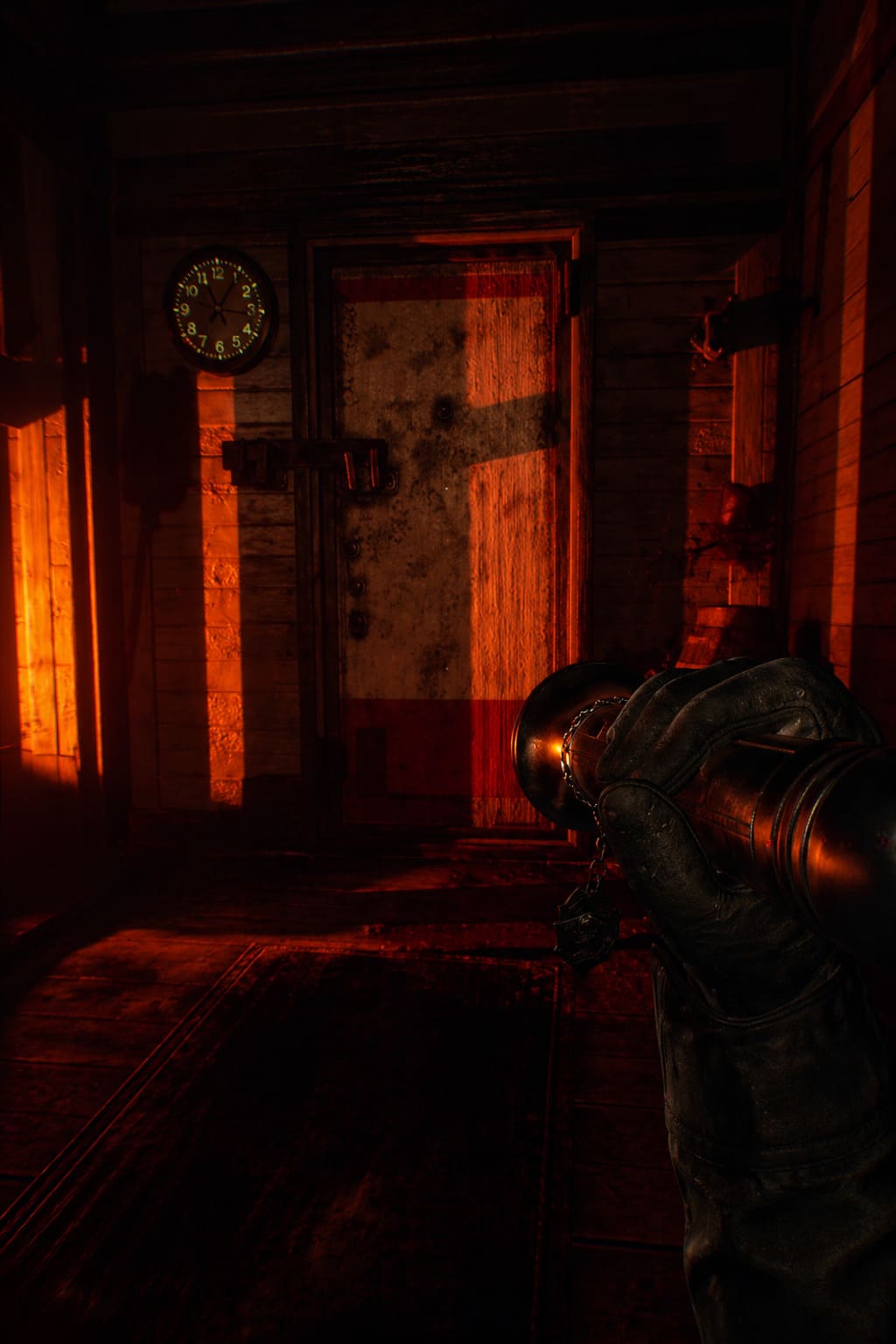
This is not really a question of which game is better. It is more about what kind of fear you want to experience and how long you are willing to sit inside it.
Conan Exiles Enhanced: The Best Cinematic ReShades for Your Unreal Engine 5 Adventure
Two Protagonists, Two Survival Fantasies
In Resident Evil Village, the player controls Ethan Winters, a man thrown into extreme circumstances who gradually evolves into a capable action survivor. His journey is defined by escalation, where each challenge pushes him toward greater strength and better tools.
In contrast, Midnight Watcher: Village places you in the role of an ordinary night shift guard assigned to an abandoned Siberian settlement. There is no heroic journey or hidden destiny. You are simply trying to survive your shift, night after night, with no expectation of becoming anything more than someone who endured.
This difference defines everything else in both games. One is about overcoming horror, the other is about enduring it.
Gameplay Philosophy: Action vs Survival Systems
Resident Evil Village is structured around progression and controlled escalation. It constantly introduces new tools, enemies, and environments to maintain momentum and variety.
Its core systems include combat-focused encounters, weapon upgrades, and resource management through a merchant system. Players are encouraged to engage enemies directly and improve their combat effectiveness over time. Even its horror moments are often interrupted by action sequences that reassert player control.
Midnight Watcher: Village takes a fundamentally different approach. Instead of empowering the player, it emphasizes limitation and preparation. The core gameplay revolves around a strict day and night cycle where daytime is used for survival preparation and nighttime is when threats emerge.
The player must manage resources such as firewood, tea, and shelter durability while reinforcing defenses using tools like light, salt, and barricades. A unique mechanic introduces moral risk: finding valuables during the day is tempting, but taking them can trigger dangerous consequences at night when their owners return in unnatural forms.
Rather than encouraging constant action, the game forces players to think carefully about risk, consequence, and restraint.
Atmosphere: Variety vs Isolation
Resident Evil Village builds its horror through variety and spectacle. It moves players through different themed environments such as gothic castles, grotesque industrial facilities, and psychological horror spaces. Each area introduces a new tone, keeping the experience dynamic and unpredictable.
The horror is often visual, dramatic, and fast-paced. Blood, transformation, and sudden combat shifts create a sense of constant stimulation.
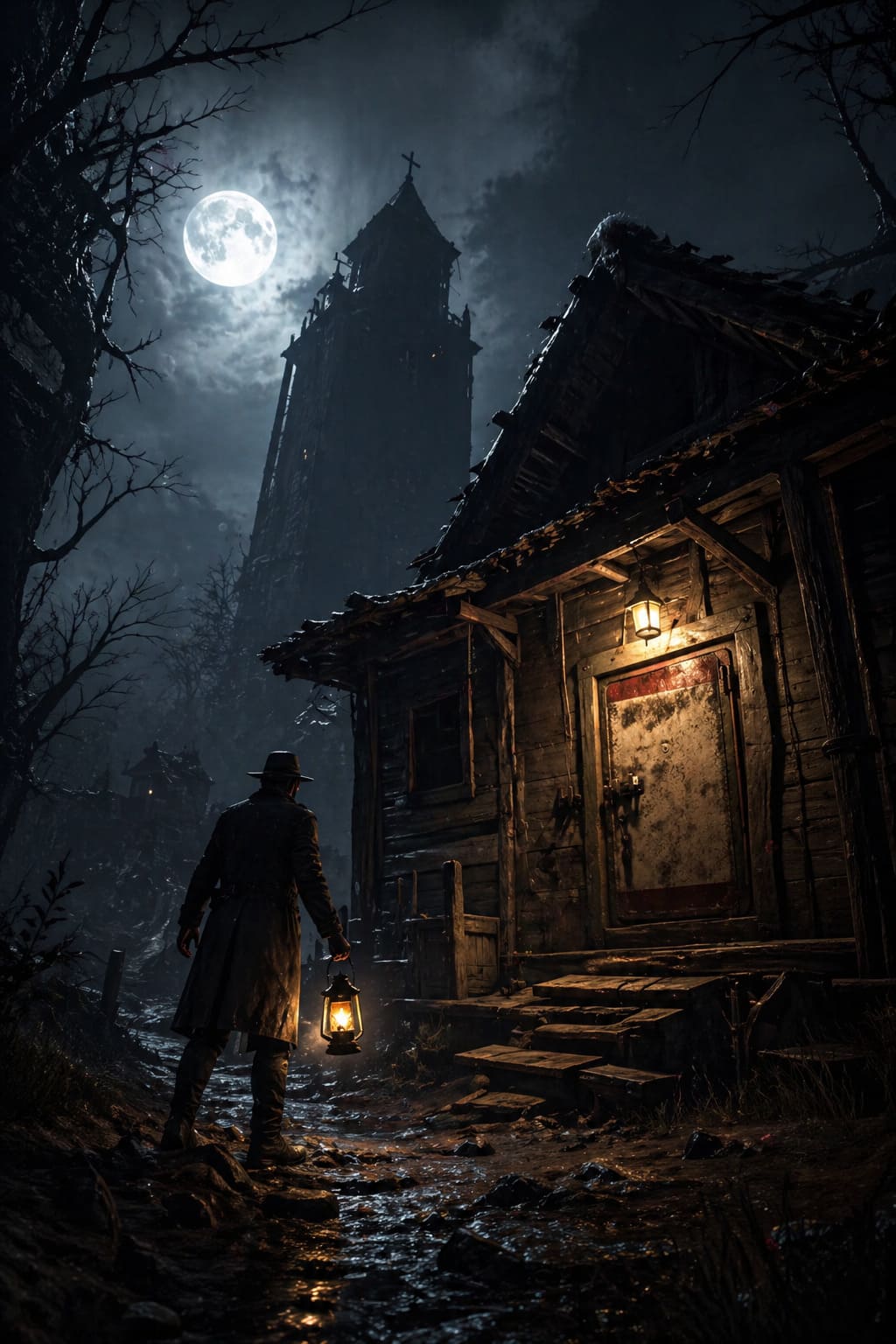
Midnight Watcher: Village focuses instead on consistency and isolation. Its setting in the Siberian taiga emphasizes emptiness, cold, and silence. Rather than switching horror styles frequently, it maintains a single oppressive mood throughout the experience.
The horror here is quieter. It relies on darkness, environmental uncertainty, and unsettling, spirit-like entities that appear unpredictably. The absence of gore or spectacle shifts the focus toward psychological tension and anticipation.
Gameplay Comparison Overview
| Feature | Resident Evil Village | Midnight Watcher: Village |
|---|---|---|
| Studio | AAA Developer | Indie Studio |
| Genre | Action Horror | Survival Simulation Horror |
| Core Loop | Combat and progression | Preparation and survival |
| Player Power | Increasingly strong | Constantly vulnerable |
| Horror Style | Varied and cinematic | Consistent and psychological |
| Main System | Weapons and upgrades | Day and night survival cycle |
What Kind of Player Each Game Targets
Resident Evil Village appeals to players who enjoy structured progression, cinematic storytelling, and combat-driven gameplay. It delivers a polished experience where fear is balanced with empowerment, allowing players to feel both threatened and capable.
Midnight Watcher: Village is aimed at players who prefer slow-burn tension and systemic survival mechanics. It emphasizes uncertainty, planning, and vulnerability, making every decision feel meaningful and potentially dangerous.
The difference lies in pacing and emotional control. One game gives you tools to dominate the environment, while the other forces you to accept it.
Control vs Helplessness: The Core Design Divide
At a deeper level, these two games represent opposing philosophies of survival horror design.
Resident Evil Village is built around control. Even when situations become chaotic, the player is gradually given more power, better weapons, and clearer paths forward. Fear is something to overcome.
Midnight Watcher: Village removes that sense of control and replaces it with preparation and uncertainty. You do not grow into a hero. You simply try to survive longer than the previous night.
One experience is about mastering fear. The other is about living inside it.
Final Thoughts
Both games answer the same question in very different ways: what should survival horror feel like today?
Resident Evil Village answers with spectacle, variety, and empowerment through action. It is a carefully designed horror experience that constantly evolves and surprises the player.
Midnight Watcher: Village answers with restraint, isolation, and systemic tension. It focuses on routine, consequence, and psychological pressure rather than cinematic escalation.
The “village” in both cases is not just a location but a pressure system. One pushes through action and escalation, the other through silence and endurance.
Which approach is more effective depends entirely on what kind of fear you want to experience—and how long you are willing to stay in the dark waiting for something to arrive.