Is Control Resonant Worth Buying? Deep Dive Review & Player Consensus
There are not many studios that can completely change the rules of their own franchise and still make you curious about what comes next. Remedy Entertainment is one of them. After Max Payne, Quantum Break, Alan Wake, and the original Control, I have learned that expecting Remedy to simply make “more of the same” is probably the fastest way to misunderstand one of their games.
That is exactly what happened with Control Resonant. If you expected a straightforward Control 2 with more supernatural guns, more Oldest House corridors, and another Jesse Faden adventure, this game is going to surprise you almost immediately. Remedy has taken the foundation of Control and pushed it into a very different direction: a semi-open Manhattan, melee-focused character action combat, RPG progression, and Dylan Faden as the main character.
And honestly, I think that decision is both the game’s biggest strength and its biggest risk.
Control Resonant releases on September 24, 2026, and with an average critical score around 84 on Metacritic, the early reception is clearly positive. But the conversation among players is considerably more complicated. Some people are fascinated by what Remedy has created, while others are struggling with the grinding, difficulty scaling, and drastic combat changes.
After looking at the game’s design as a whole, here is my take on whether Control Resonant is actually worth buying and what you should know before spending your money.
Dylan Faden Changes Everything
The first major change is obviously the protagonist. Instead of Jesse Faden, Control Resonant puts Dylan Faden in the center of the story. This is a surprisingly good choice because Dylan is one of those characters from the original Control who always felt like there was much more to him than what we were shown.
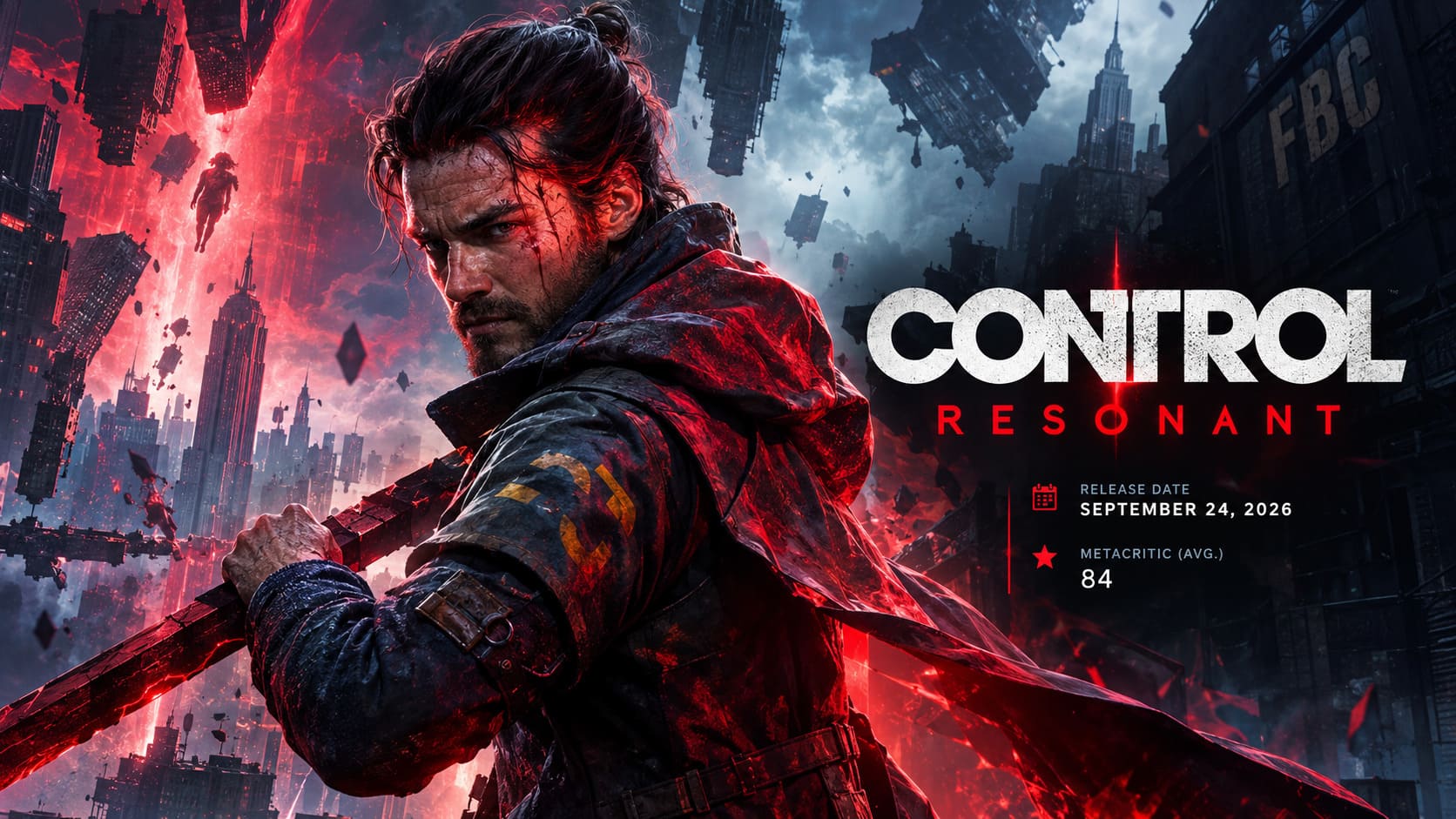
Seven years after the events of the first game, Dylan is still carrying the psychological damage caused by his childhood and his treatment at the hands of the Federal Bureau of Control. He spent years being studied and experimented on because of his supernatural abilities, and the consequences of that experience are still following him.
The story takes Dylan into a distorted version of Manhattan, where reality has been damaged by an invasion of mysterious entities known as the Resonants. His personal objective is just as important as the larger supernatural crisis: he is searching for his estranged sister, Jesse.
This gives the story a much more personal tone than a simple “save the world” plot. Remedy also continues doing what it does best: hiding information everywhere.
- Environmental details tell stories without directly explaining them.
- Notes, recordings, videos, and other collectibles expand the lore.
- Strange events constantly blur the line between reality and supernatural phenomena.
- The story continues expanding the interconnected Remedy Connected Universe.
For me, this is one of the strongest reasons to play Control Resonant. You can rush through the main objectives if you want, but the game clearly rewards players who stop, investigate strange locations, and read between the lines.
Control Resonant Is Not a Shooter Anymore
This is the part that will probably divide Control fans more than anything else.
The original Control was built around an incredibly satisfying combination of firearms and telekinetic powers. Jesse could throw objects around the environment, launch herself through the air, and switch weapons while constantly moving through chaotic fights. It was fast, aggressive, and unmistakably a third-person shooter.
Control Resonant throws that formula away.
There are no traditional firearms. Instead, Dylan fights using a supernatural artifact called the Aberrant, which can transform into different melee weapons during combat. Depending on your build and situation, you can switch between fast attacks and heavier weapons designed around slower but much more powerful strikes.
The first few hours can feel strange if you are coming directly from the original game. I certainly understand why some players have reacted negatively to it. But once you stop expecting another shooter, the combat starts to make much more sense.
Dylan also has a large collection of supernatural abilities that can be combined with his melee attacks. You can equip multiple sets of abilities and switch between them during fights, which creates a surprising amount of flexibility.
| Combat Feature | What It Adds |
|---|---|
| Aberrant Weapons | Transforming melee weapons for different combat styles |
| Telekinetic Projectiles | Allows Dylan to weaponize objects and debris around him |
| Ground Slams | Area attacks that can stagger groups and damage defenses |
| Pyrokinetic Attacks | Fire-based attacks that apply burning damage |
| Kinetic Shields | Defensive tools that can also become aggressive movement options |
| Paranatural Buffs | Powerful effects that consume energy while enhancing physical attacks |
What I particularly like here is that the game does not force you into one obvious build. You can focus on speed and status effects, create a heavy stagger-oriented character, or experiment with combinations that make Dylan feel completely different from another player’s version of him.
The RPG System Is Exciting Until It Starts Getting in the Way
This is where my enthusiasm becomes a little more complicated.
Control Resonant introduces significantly heavier RPG mechanics than its predecessor. You have skill trees, equipment, artifacts, weapon-specific upgrades, and other progression systems that allow you to specialize Dylan.
When everything is working together, this is fantastic. Finding an upgrade that perfectly complements your build can make a noticeable difference, and experimenting with different combinations is one of the most enjoyable parts of the game.
The problem is that the progression system can sometimes feel like it is asking you to play the game in a specific way.
Later areas introduce tougher enemies with aggressive scaling. If your character level or equipment is behind the expected progression curve, enemies can become extremely resistant to damage. In a melee-focused game, that can be particularly frustrating because encounters start feeling less like tests of skill and more like tests of whether you have upgraded your gear enough.
That leads to the biggest criticism I have with the game: grinding can occasionally interrupt the momentum of the story.
Remedy’s storytelling works best when the game pulls you from one bizarre discovery to another. Being told to spend additional time farming resources or completing side activities before moving comfortably into the next district can weaken that momentum.
A Twisted Manhattan Is the Real Star
Moving away from the Oldest House was an enormous gamble, but Manhattan gives Control Resonant a completely different visual identity.
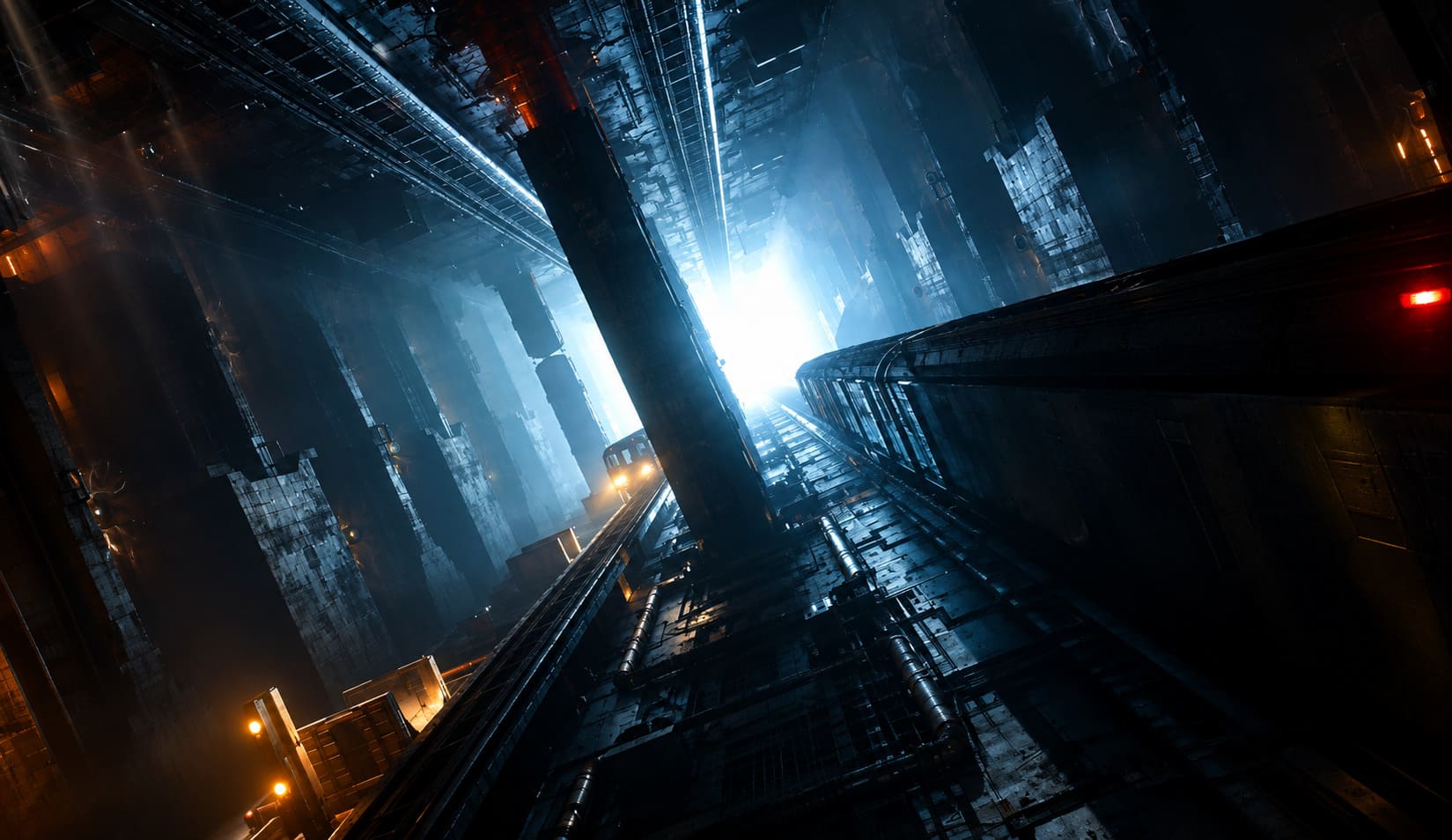
This is not a normal open-world version of New York. The city has been transformed by paranatural forces. Streets, buildings, gravity, and familiar pieces of the environment have all been distorted. The result feels less like exploring a realistic city and more like walking through someone’s nightmare version of Manhattan.
And visually, Remedy absolutely knows how to sell this concept.
The combination of dense atmosphere, cinematic presentation, strange architecture, and modern rendering technology makes exploration one of the biggest reasons to keep playing. On capable hardware, features such as path tracing and DLSS 4.5 Ray Reconstruction can make the environments look spectacular.
But the important thing is that the visual design is not just there for screenshots. Exploring side streets and strange locations can reveal additional lore, optional encounters, puzzles, and information about what happened to ordinary civilians and the F.B.C.
The Controversial World Reset Mechanics
Another unusual design choice is the way certain areas can change after major events or failures. The world-reset and “run” mechanics introduce elements that feel closer to roguelite design than traditional action-adventure games.
Sometimes the environment changes. Enemy placements can be different, and certain sectors may effectively reset their state.
I can see why Remedy wanted to do this. It fits the idea of a world being constantly rewritten by the Resonants, and it makes Manhattan feel less static. At the same time, I understand why some players find it annoying.
When you have spent time exploring an area and then see parts of it reset, it can feel like the game is deliberately taking away progress. Whether you enjoy this mechanic will probably depend heavily on how much you like repetition and experimentation.
Who Will Actually Enjoy Control Resonant?
I would not recommend approaching Control Resonant with the mindset that it is simply “Control 2.” That expectation is going to cause problems.
This is closer to a Remedy action RPG built from the DNA of Control. The lore, atmosphere, supernatural concepts, and universe are familiar, but the actual gameplay philosophy is considerably different.

Here is how I would break down the experience:
| Player Type | What to Expect |
|---|---|
| Control Lore Fans | Deep lore, strange mysteries, and more Connected Universe material |
| Character-Action Fans | Fast melee combat with extensive build customization |
| RPG Players | Skills, artifacts, upgrades, scaling, and experimentation |
| Traditional Shooter Fans | A major adjustment because firearms are no longer the foundation |
| Exploration Fans | A warped Manhattan filled with secrets, puzzles, and optional content |
| Players Who Dislike Grinding | Progression and scaling can become frustrating in later sections |
Dune Awakening Best Vehicle Combat Weapons For Solo Players (2026 Guide)
My Final Take on Control Resonant
So, is Control Resonant worth buying? For me, the answer comes down to what you want from it.
If you loved the weirdness of Control, Remedy’s storytelling, and the idea of a supernatural universe that never completely explains itself, there is a lot here to appreciate. Dylan is an interesting protagonist, Manhattan provides an incredible setting, and the combat has enough depth to support very different builds.
At the same time, I would not pretend the game is perfect. The RPG progression occasionally feels too demanding, enemy scaling can create unnecessary grinding, and the world-reset mechanics will not work for everyone. Most importantly, players expecting the exact third-person shooting experience of the original Control may be disappointed.
Personally, I think Remedy deserves credit for taking this kind of risk. It would have been incredibly easy to make another game where Jesse walks through another supernatural building with another set of guns. Instead, the studio decided to change the combat, protagonist, setting, and progression system almost simultaneously.
That makes Control Resonant messy in places, but it also makes it interesting.
My advice is simple: know what you are buying. If the idea of a supernatural melee action RPG set in a distorted Manhattan sounds exciting, Control Resonant has plenty to offer. If what you really want is the original Control’s gunplay and tightly contained Oldest House atmosphere, this may feel less like a sequel and more like a completely different game wearing the Control name.
And honestly, that is probably the most interesting thing about it. Control Resonant does not try to repeat the original game. It takes the franchise somewhere unpredictable, and whether that experiment works for you will depend almost entirely on how willing you are to leave your expectations at the door.