Is Control Resonant Coming to Xbox and PS5? Release Date, Platforms, and Performance Analysis
There is something strangely fitting about Control Resonant arriving as the next big step for Remedy Entertainment. The original Control was already a game that seemed determined to make players question what a video game world was supposed to look like. The Oldest House constantly shifted around Jesse Faden, walls moved, rooms transformed, and reality itself never felt particularly trustworthy.
Now Remedy is taking that idea much further. Control Resonant moves the franchise into a semi-open-world version of Manhattan, adds a much larger RPG component, introduces Dylan Faden as the playable protagonist, and pushes the studio’s Northlight Engine harder than ever. Naturally, one of the biggest questions for console players is simple: is Control Resonant coming to PS5 and Xbox Series X/S?
The short answer is yes. But there is quite a bit more to the console version than simply knowing which boxes the game runs on. Release timing, performance modes, PS5 Pro enhancements, resolution, ray tracing, and the differences between the editions have all become major talking points.
Is Control Resonant Coming to PS5 and Xbox Series X/S?
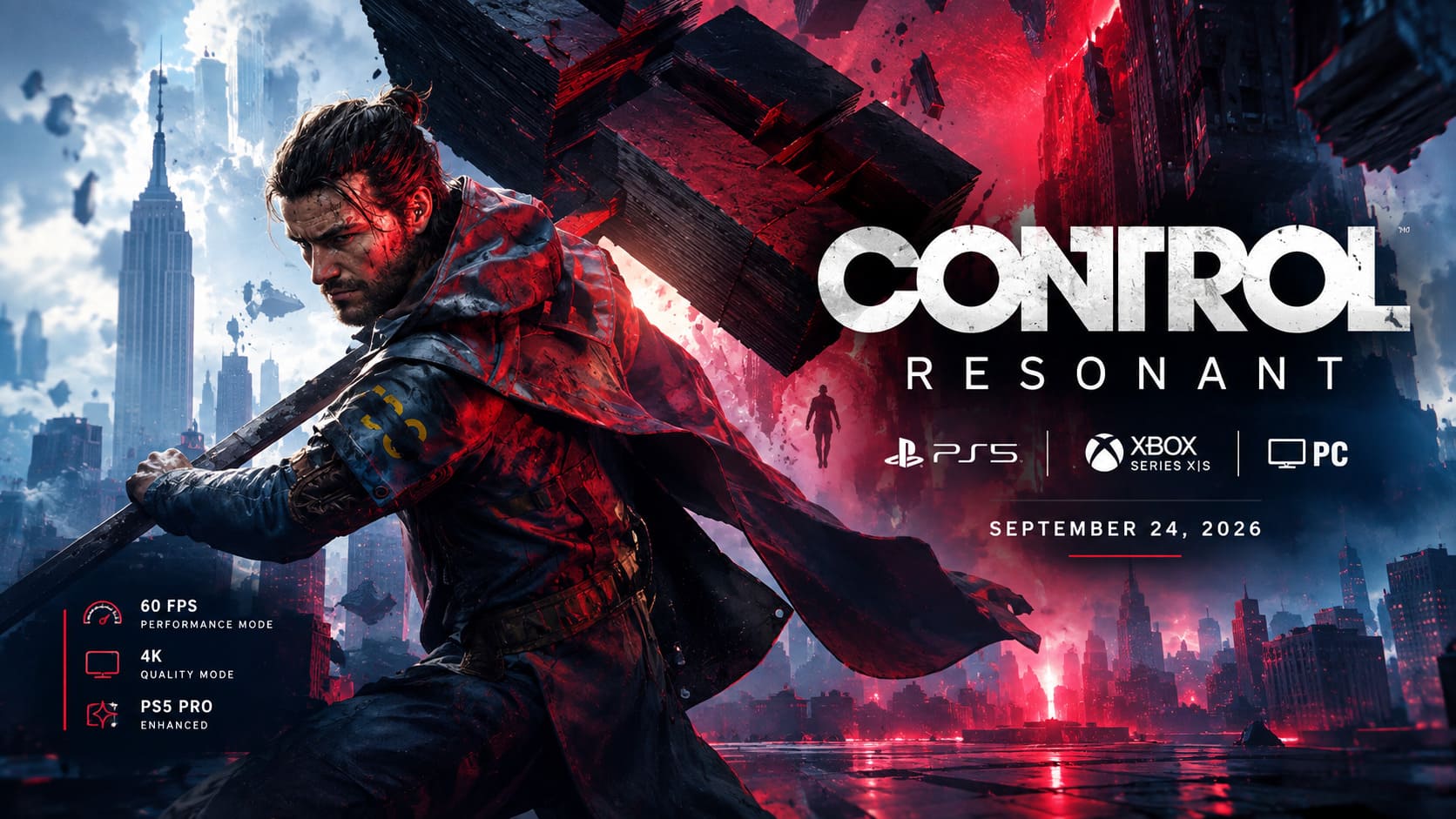
Yes. Control Resonant is launching on both PlayStation 5 and Xbox Series X/S, making it a current-generation console exclusive. The game is not being released on PlayStation 4 or Xbox One.
Honestly, that decision makes a lot of sense when you look at what Remedy is attempting here. This isn’t simply Control with larger rooms and a few more enemies. The sequel is built around much larger environments, heavy destruction, elaborate reality-warping effects, and a more demanding version of the Northlight Engine.
Trying to make all of that work on eight-year-old hardware would almost certainly have forced some significant compromises. By targeting current-generation consoles, Remedy has much more freedom to build the strange, unstable version of Manhattan that defines Resonant.
For players outside the console ecosystem, the game is also available on PC through Steam and the Epic Games Store, with support for GeForce NOW. A macOS release through Steam and the App Store is planned for later in the year.
| Platform | Availability | Notes |
|---|---|---|
| PlayStation 5 | Yes | Performance, Quality, and enhanced PS5 Pro options |
| Xbox Series X/S | Yes | Current-generation console release |
| PC | Yes | Steam and Epic Games Store |
| GeForce NOW | Yes | Cloud gaming support |
| macOS | Later in 2026 | Steam and App Store version planned |
| PS4 / Xbox One | No | Older-generation consoles are not supported |
Control Resonant Release Date and Early Access Explained
The worldwide release date for Control Resonant is September 24, 2026. Remedy is using a simultaneous global launch, meaning players aren’t supposed to gain an advantage simply by changing their console’s regional settings.
That last part is worth mentioning because the classic “switch your Xbox region to New Zealand” trick has already been discussed by players. Unfortunately for anyone hoping to sneak into Manhattan several hours early, the global release system means that changing the region on Xbox or PC doesn’t unlock the game ahead of schedule.
There is, however, an unusual difference between editions. Players who purchased the Digital Deluxe Edition on PlayStation 5 received 48-hour early access beginning September 22.
This has naturally caused some frustration among parts of the community. The Xbox Series X/S and PC versions of the Digital Deluxe Edition are available at the same general premium price point, but they don’t provide the same early-access window. It’s one of those strange launch decisions that is easy to notice when the game is releasing simultaneously across several platforms.
For everyone else, the important date is September 24.
How Does Control Resonant Run on PS5 and Xbox Series X/S?
This is where things get particularly interesting. Control Resonant is not an easy game for current-generation hardware to run. Remedy has pushed its Northlight technology significantly further, and the new environments are much more demanding than the comparatively enclosed spaces of the original game.
Both the base PS5 and Xbox Series X offer the familiar choice between a performance-focused mode and a quality-focused mode.
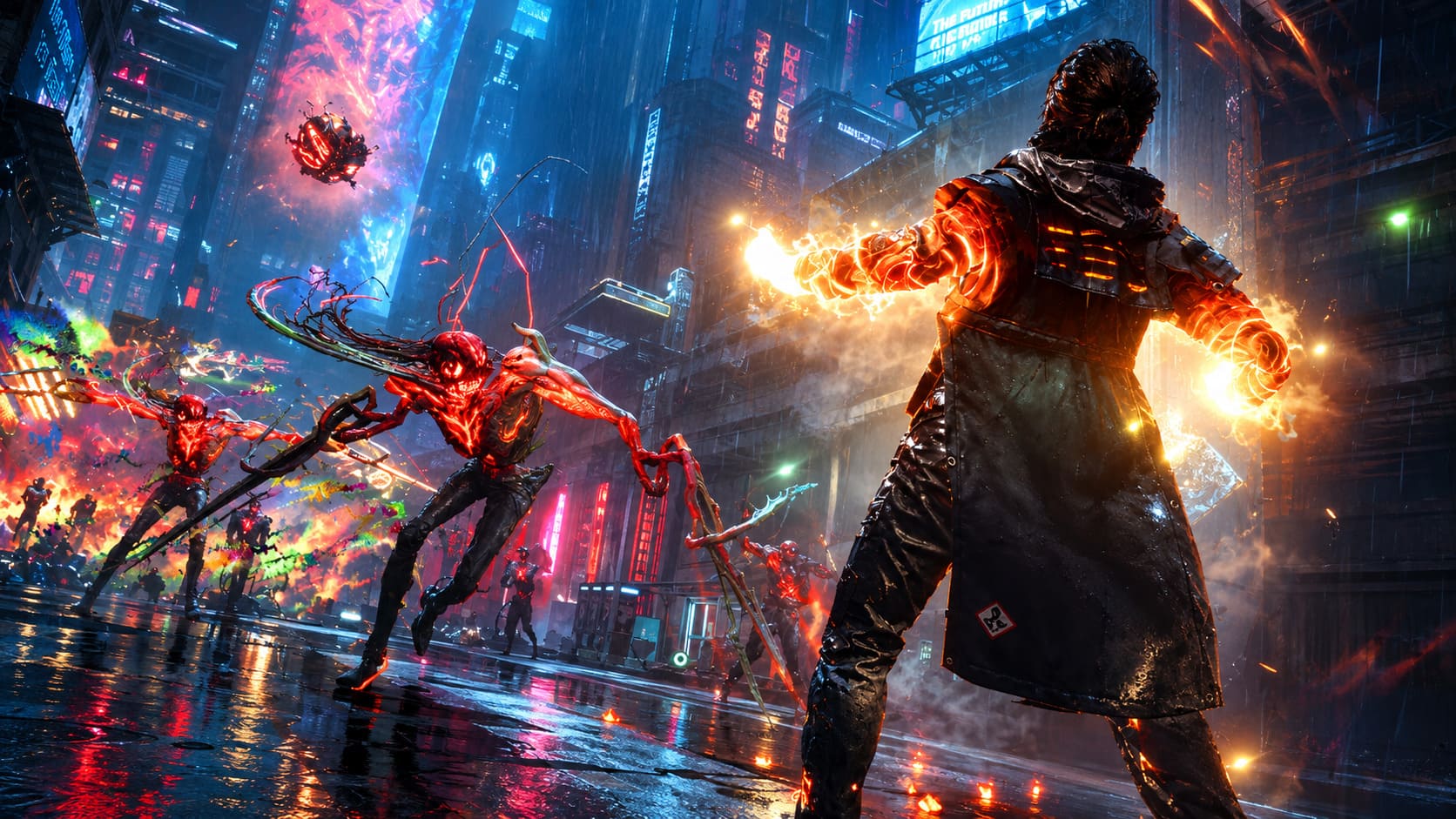
Performance Mode: 60 FPS Target
If you’re like me and generally prefer responsiveness over maximum image quality, Performance Mode is probably going to be the first option worth trying. It targets 60 FPS, which is especially important now that Resonant has more aggressive melee combat and faster character movement.
The compromise is resolution. The internal rendering resolution drops to approximately 864p, with the final image being reconstructed and upscaled toward a 4K output using AMD FSR.
That can produce a noticeably softer image, particularly when you’re looking across large areas of Manhattan. Distant buildings and complicated environmental details don’t always have the same clarity you might expect from a native 4K presentation.
Still, personally, the idea of playing a fast action game like this at a 60 FPS target is difficult to ignore. When the screen fills with enemies, debris, supernatural effects, and collapsing architecture, responsiveness becomes much more valuable than having perfectly sharp distant textures.
Quality Mode: Better Image Quality at 30 FPS
Quality Mode takes the opposite approach. It targets 30 FPS while raising the internal rendering resolution to approximately 1260p.
The difference is immediately more noticeable in environments. Buildings, surfaces, lighting, and smaller objects can look substantially cleaner, especially when you’re exploring rather than fighting.
The catch is obvious: you’re playing at 30 FPS. For a slower atmospheric game, that might be perfectly acceptable. For Resonant’s more aggressive combat system, some players will probably find the lower frame rate harder to live with.
Base consoles also don’t get hardware-accelerated path tracing in this mode, so Quality Mode isn’t simply a “turn every possible visual feature on” option.
| Mode | FPS Target | Approx. Internal Resolution | Main Advantage |
|---|---|---|---|
| Performance | 60 FPS | 864p | More responsive combat |
| Quality | 30 FPS | 1260p | Sharper image and richer detail |
PS5 Pro Could Be the Console Version to Watch
If you happen to own a PlayStation 5 Pro, Resonant gets considerably more interesting.
Remedy has added specific optimizations for Sony’s upgraded hardware, including support for PlayStation Spectral Super Resolution, or PSSR. The goal here is to reconstruct a much sharper final image without requiring the game to render every pixel at an extremely high native resolution.
That matters enormously for a game like Resonant. One of the biggest criticisms of the base Performance Mode is the relatively low internal resolution. The PS5 Pro has more hardware headroom, allowing the game to produce a cleaner image while still targeting 60 FPS.
The Pro also receives enhanced Balance and Quality options with additional ray-tracing features. For a game built around bizarre architecture, reflective surfaces, strange lighting, and constantly changing environments, better reflections and lighting aren’t merely technical decorations. They can actually contribute to the atmosphere.
Of course, this doesn’t mean everyone needs a PS5 Pro to enjoy the game. The base PS5 and Xbox Series X/S versions remain the primary console releases. The Pro is simply the version aimed at players who want to squeeze more visual quality out of the hardware.
Why Is Control Resonant So Demanding?
Part of the answer is the scale of the sequel.
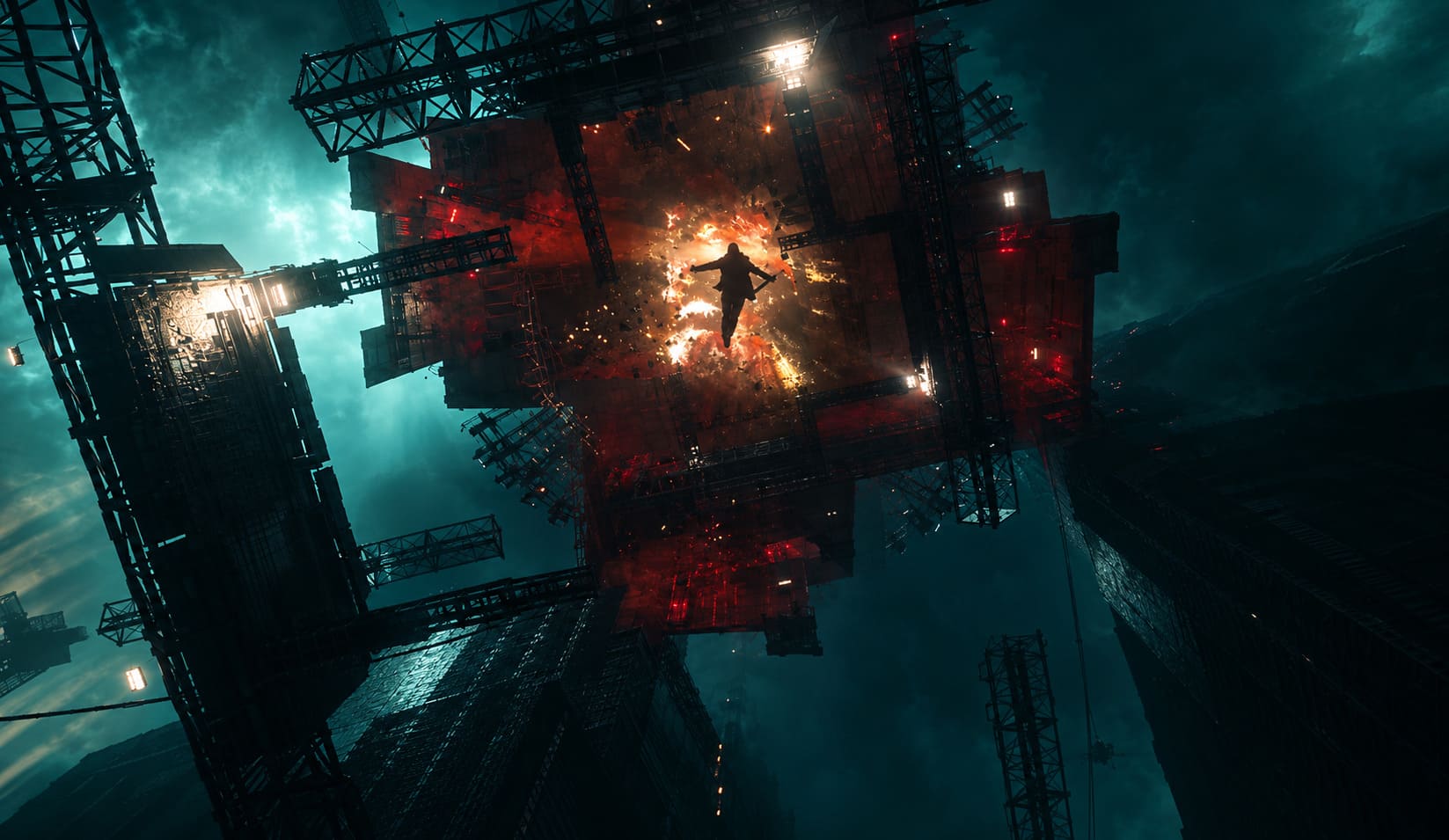
The original Control often used the Oldest House’s strange architecture to create the illusion of a much larger world while keeping players inside a relatively controlled environment. Resonant changes that formula dramatically.
Now we’re dealing with a warped Manhattan containing much larger explorable areas, side missions, boss encounters, destruction, and reality-bending environmental effects. Remedy is essentially asking the console to simulate a world that doesn’t always obey its own rules.
That comes with a cost.
Technical analysis has pointed toward occasional frame drops during particularly demanding encounters, especially boss fights where numerous visual effects can appear simultaneously. Most of the experience remains stable, but those extreme moments demonstrate exactly where the engine is being pushed hardest.
What Happened to Jesse Faden?
One of the biggest story changes is that Jesse Faden is no longer the playable protagonist.
This time, players step into the shoes of her brother, Dylan Faden. After years of containment by the Federal Bureau of Control, Dylan finds himself in a Manhattan that has become deeply unstable thanks to a new cosmic threat capable of distorting reality.
That setup gives Remedy a lot of room to experiment. Instead of simply repeating Jesse’s journey through the Oldest House, Resonant appears to be using Dylan’s story to explore a much larger part of the Control universe.
And thankfully, the sequel doesn’t seem interested in simply copying the first game’s combat system.
Control Resonant Is More Action RPG Than Traditional Shooter
The biggest gameplay change might actually be the combat.
While the original Control was heavily associated with Jesse’s supernatural abilities and firearms, Resonant puts much greater emphasis on melee combat and RPG progression.
Dylan uses a paranatural weapon known as the Aberrant. The weapon can transform between a heavy two-handed hammer and a pair of agile blades, giving combat a much more aggressive, close-range identity.
Early comparisons to games such as Devil May Cry are understandable. The idea of switching weapon forms, chaining attacks, and fighting powerful supernatural enemies gives Resonant a completely different rhythm from the original game.
For longtime Control fans, this is probably going to be the most divisive change. Some players will love having more direct control over Dylan’s fighting style, while others may miss the strange combination of firearms, telekinesis, and Jesse’s supernatural abilities.
How Long Is Control Resonant?
Remedy is also going much bigger in terms of overall content.
A standard playthrough is expected to take approximately 30 hours, while players attempting to complete everything can spend as much as 50 hours in the game.
That additional length comes from the expanded structure. Instead of following one straightforward campaign path, players can explore large zones, discover side missions, and take on the mysterious Resonant bosses in a more flexible order.
That’s a significant change from the original Control and arguably one of the biggest reasons Resonant feels like a new direction rather than simply a traditional sequel.
So, Which Console Version Makes the Most Sense?
There isn’t one universal answer because the priorities are different.
If your main concern is responsiveness, the 60 FPS Performance Mode is the obvious place to start. The lower internal resolution is a genuine compromise, but it should make combat feel considerably more fluid.
If you’re more interested in atmosphere, environmental detail, and image quality, Quality Mode provides the sharper presentation at 30 FPS.
And if you own a PS5 Pro, the additional reconstruction and ray-tracing features give that version more flexibility, particularly for players who want a combination of high frame rates and improved visual quality.
The important thing is that all of these versions are built around the same ambitious idea: Remedy wants Control Resonant to feel bigger, stranger, and more unpredictable than its predecessor.
Is Control Resonant Worth Buying? Deep Dive Review & Player Consensus
Final Thoughts: Is Control Resonant Worth Watching on Console?
As a longtime fan of weird games, this is exactly the kind of sequel that gets my attention. Remedy could have played it safe and simply created another supernatural third-person shooter set inside the Oldest House. Instead, the studio has taken Control somewhere much more ambitious.
Control Resonant is coming to PS5 and Xbox Series X/S on September 24, 2026, with the PS5 Deluxe Edition receiving its earlier September 22 access window. The game skips PS4 and Xbox One, which is understandable considering the scale of its environments and the demands being placed on the Northlight Engine.
The technical side is a little more complicated. Base consoles have to choose between a 60 FPS mode with a much lower internal resolution and a sharper 30 FPS presentation. PS5 Pro owners get additional technology through PSSR and enhanced ray tracing, potentially making it the most visually flexible console version.
But honestly, the technology is only half the story. The bigger question is whether Remedy’s gamble on an open-world action RPG structure actually works. Dylan Faden, the Aberrant weapon, the Resonant bosses, and the distorted Manhattan setting represent a major departure from the original formula.
That makes Control Resonant particularly interesting. It isn’t trying to be another Control. It’s trying to turn the strange ideas that made the first game memorable into something considerably larger.
And if Remedy can make that transition work without losing the unsettling atmosphere that defined the original, we could be looking at one of the more ambitious current-generation action adventures of 2026.