Windrose Beginner’s Guide (2026): Master the High Seas
If you’ve jumped into Windrose this year expecting a chill survival sandbox, you probably got humbled within the first hour. I know I did. One moment you’re admiring the water physics, the next you’re washed ashore with no stamina, no food, and a pirate laughing as your raft sinks behind you.
After dozens of hours (and more shipwrecks than I’d like to admit), I can confidently say: Windrose isn’t hard because it’s unfair — it’s hard because it demands respect. Once you understand its systems, it flips from punishing to incredibly rewarding.
This is not a sterile “wiki rewrite.” This is the stuff I wish someone told me before I spent three hours respawning on random beaches.
The First Hour Decides Everything
The early game in Windrose is brutal, not because enemies are strong, but because you are weak, slow, and constantly exhausted.
The biggest mistake new players make? Exploring too early.
- Build a campfire immediately — Driftwood and stones are everywhere. Grab them and drop a fire. This isn’t optional — it’s your anchor to sanity.
- Place a bedroll right next to it — No house needed. This becomes your real spawn point. Skip this, and the game punishes you by tossing you miles away on death.
- Secure basic food before anything else — Hunger in this game isn’t cosmetic. Low energy turns your character into a walking liability.
You’re not building a base — you’re building a respawn loop. Once that loop is stable, the rest of the game opens up.
The “Lazy Genius” Leveling Trick
I ignored this at first because it sounded stupid. It isn’t.
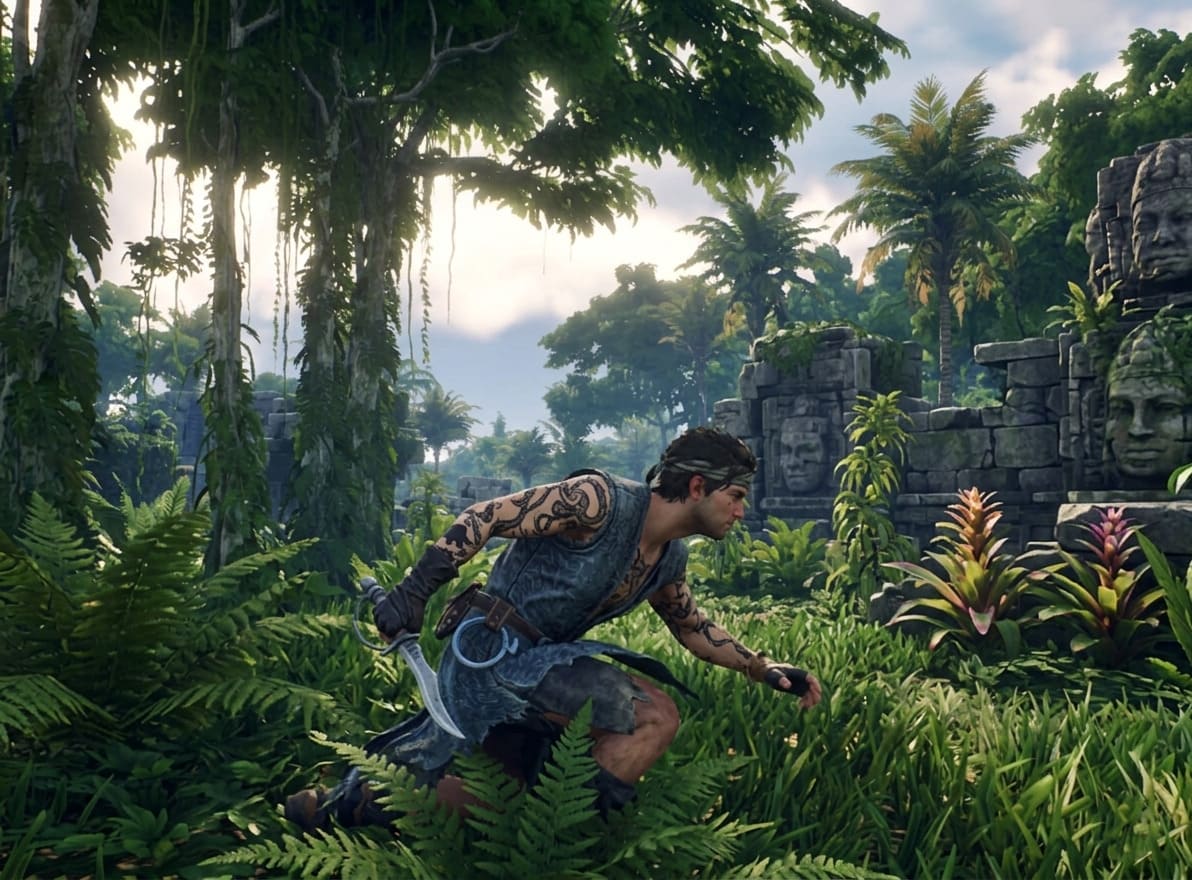
Craft a shovel early and switch to flatten mode. Instead of digging holes, just clear vegetation around your base.
- You get more plant fiber than normal gathering
- You rack up exploration XP insanely fast
- You clean your base area at the same time
I hit level 5 before even crafting real weapons. It felt borderline broken — but hey, it works.
Best Armor Sets for Desert Survival in Soulmask (2026): Shifting Sands DLC Gear Guide
Food Isn’t Optional — It’s Strategy
The two-slot food system is one of the smartest mechanics in the game, and most people misuse it.
| Slot Type | What to Eat | Why It Matters |
|---|---|---|
| Protein | Fish, Crab | Boosts max health |
| Carbs | Berries, Coconut | Boosts stamina regen |
Never double up the same type. You’re just wasting potential.
And trust me — stamina is everything. If it runs out mid-fight, you’re basically a statue waiting to die.
Combat Is a Rhythm Game (Not a Button Masher)
If you try to brute-force combat, Windrose will embarrass you.
Everything revolves around stamina management and timing. Once I realized this, fights became way easier.
- Perfect parries mean zero damage taken
- Enemies get staggered
- Your next hit deals massive critical damage
It feels risky at first, but once you get the timing down, it becomes incredibly powerful.
The Glass Cannon That Actually Works
I’m usually a melee player, but ranged builds in Windrose are insanely satisfying.
- Invest heavily into Precision
- Stay mobile at all times
- Use slide mechanics while reloading
- Aim for headshots consistently
Headshots ignore a large portion of armor, and mobility keeps you alive. It’s risky, but extremely effective once mastered.
Ships: Your Real Character
Your ship isn’t just transport — it’s your lifeline. Lose your ship, and you feel it instantly.
- Upgrade hull early to prevent constant leaks
- Improve sail handling for better maneuverability
- Add onboard crafting to reduce backtracking
Cosmetics can wait. Survival cannot.
The Trick That Saved Me at Sea
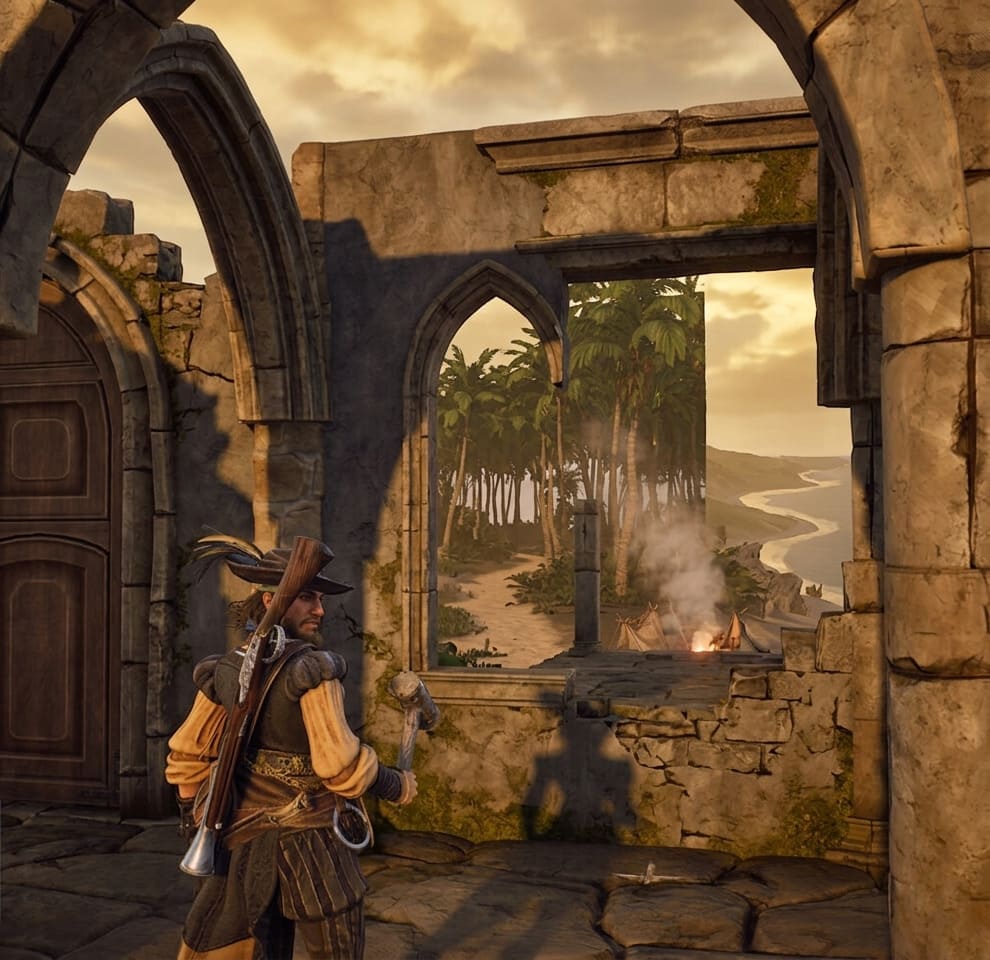
At some point, you will get chased by a bigger ship. You can’t outrun them, but you can outplay them.
- Turn sharply
- Drop anchor mid-turn
- Raise it immediately
This maneuver lets you reposition instantly and bring your cannons to bear while the enemy struggles to react.
Sea Monsters Aren’t Always a Death Sentence
When you see the green mist, don’t panic — think strategically.
- Head toward shallow waters
- Stay near reefs
- Attack from safe positions
Large creatures struggle in shallow areas, giving you a huge advantage.
Mid-Game: Where Progress Either Explodes or Stalls
This is where many players quit, but small optimizations make a massive difference.
| Method | Output |
|---|---|
| Campfire | 1 charcoal per log |
| Kiln | 4 charcoal per log |
The efficiency difference is enormous and directly impacts your progression speed.
Fast Travel (Yes, It Exists — Kind Of)
The game doesn’t hand you teleportation. You have to build it yourself.
- Place one bell at your base
- Carry one on your ship
- Teleport to deposit loot quickly
This setup saves time and keeps your gameplay loop efficient.
The Mistakes That Almost Made Me Quit
- Ignoring the rested buff
- Overloading your ship
- Building with weak materials in cold zones
- Exploring at night without preparation
- Forgetting about friendly fire in co-op
Each of these can slow your progress or end your run unexpectedly.
The “Dirty” Strategy That Actually Works
Some bosses are extremely difficult early on, but there’s a workaround.
- Build a small shack near the boss
- Place a bedroll inside
- Store multiple cheap weapons
- Respawn and continue the fight
It’s not elegant, but it’s efficient and effective.
Final Thoughts: Why Windrose Is Worth It
Windrose isn’t trying to be easy — it’s trying to be memorable. Every system connects, and once you understand that loop, the game becomes incredibly engaging.
Success in Windrose isn’t about skill alone — it’s about preparation.
You don’t win because you’re fast. You win because you’re ready.