33 Immortals Relic System Changes Explained: The Ultimate 1.0 Guide
The v1.0 update for 33 Immortals by Thunder Lotus Games finally feels like the point where the game stops relying on pure chaos and starts respecting player decisions. As someone who enjoys roguelikes but also values meaningful build planning, this overhaul of the Relic System is easily one of the most important changes the game has seen so far.
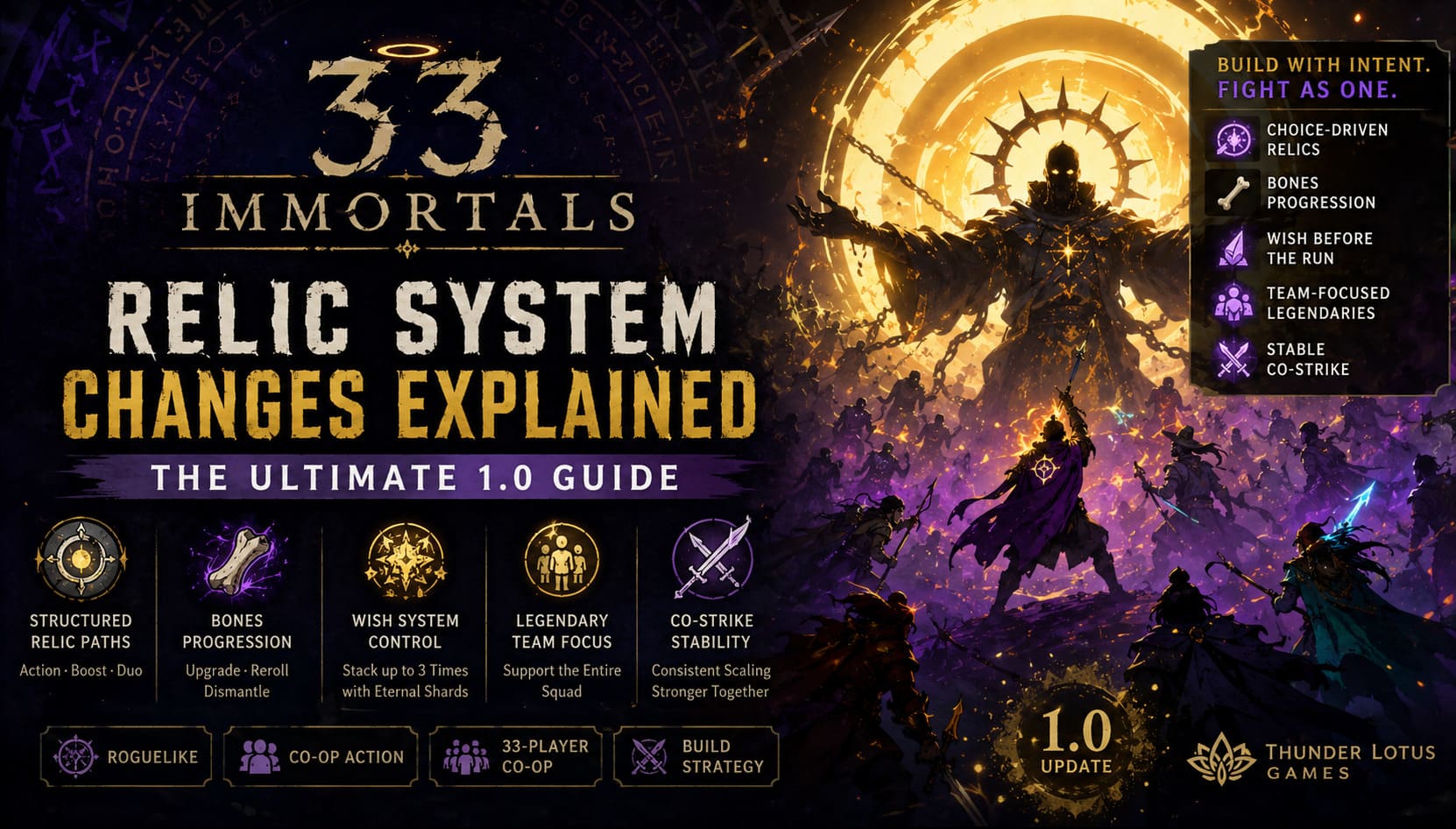
Instead of just reacting to random drops and hoping for synergy, you now actively shape your build from the very beginning of a run. It doesn’t remove randomness completely, but it transforms it into something you can actually work with instead of against.
33 Immortals Weapon Upgrades and Feat Level 5: The Ultimate Progression Guide
A Shift From RNG Chaos to Structured Build Paths
In earlier versions of the game, Relics often felt like pure luck. You opened chests, defeated elites, and prayed that something usable would drop. If it didn’t fit your weapon or playstyle, you were basically forced to adapt or suffer through a weaker run.
Now everything is structured around clear categories and progression paths. The system introduces a more readable framework:
- Action Relics – direct combat modifiers tied to core actions
- Boost Relics – broader scaling bonuses tied to thematic paths
- Duo Relics – hybrid options combining multiple playstyles
This change alone shifts the mindset from “what did I get?” to “what am I building toward?”
Early Game Feels More Intentional Now
One of the most noticeable improvements is how runs start. Instead of beginning completely empty, you immediately get a Relic choice right at spawn. It’s a small change on paper, but in practice it makes your first decision meaningful instead of random.
There is also no more mid-run reroll spam. That might sound restrictive, but it actually removes a lot of unnecessary menu friction. Now you commit early and play around what you have instead of constantly trying to fix a bad roll.
How Bones Became a Real Progression Currency
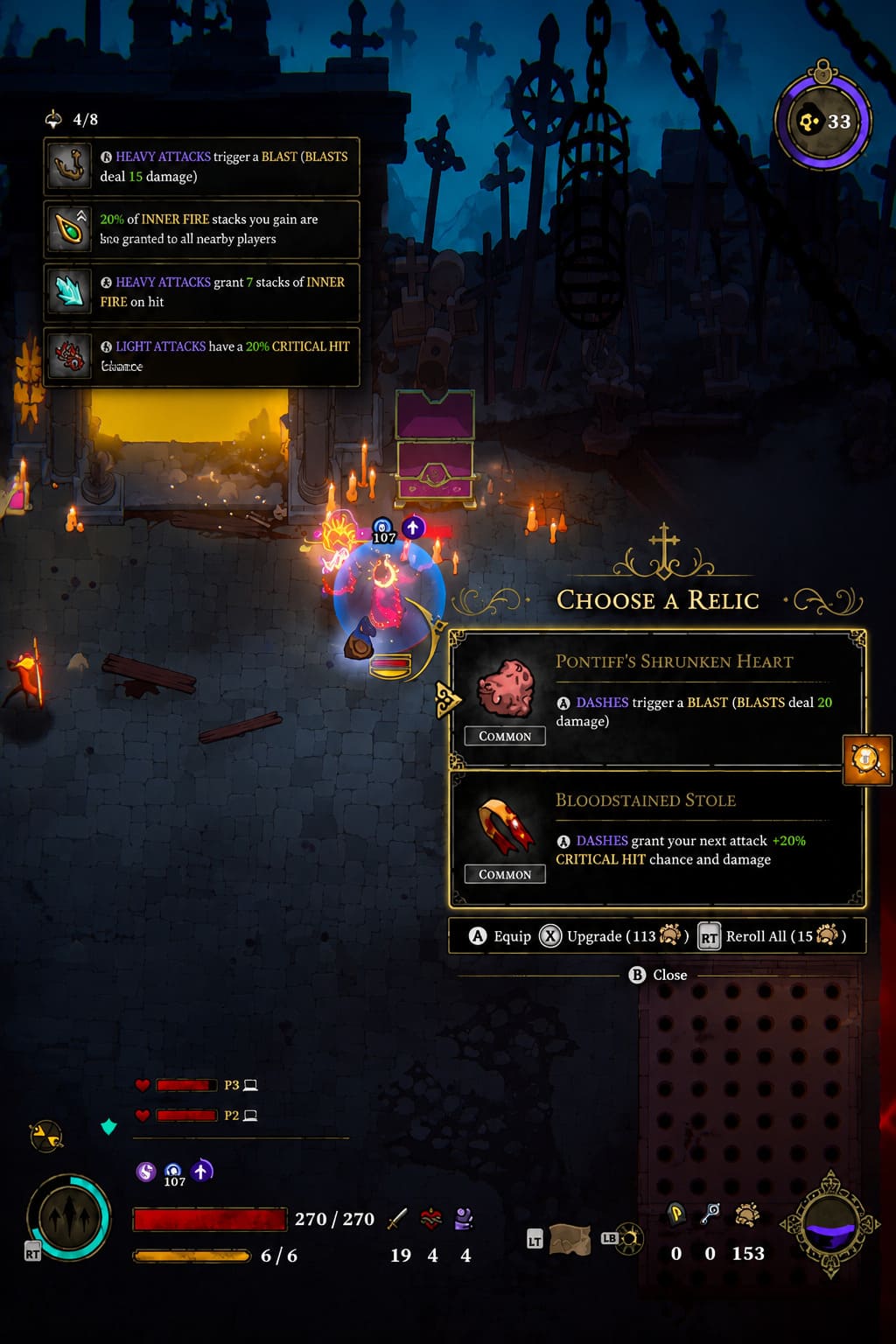
Previously, Bones felt like a secondary resource you mostly used to discard bad drops. Now they are a core part of progression and build optimization.
In the current system, Bones can be used to:
- Upgrade Relic rarity (Common → Rare → Epic)
- Reroll only at the initial selection stage
- Dismantle unwanted Relics for resource recovery
This creates a clean gameplay loop where even “bad” drops still contribute to long-term build improvement.
Wishing System: More Control, Less Gambling
The updated Wishing system is one of the strongest examples of the game’s new philosophy. Instead of pure randomness, you can now influence your starting setup using Eternal Shards before entering a run.
The key limitation is that you can only Wish for Action Relics, but you can stack the same Wish up to three times. Each attempt costs 10 Eternal Shards.
In practice, this means:
- Single Wish = slight preference
- Double Wish = strong bias
- Triple Wish = near-guaranteed direction
This system is especially powerful for coordinated squads that want consistent build setups before entering high-difficulty content.
Legendary Relics Now Support the Entire Team
One of the most interesting design changes is how Legendary Relics have been reworked to support group gameplay instead of individual power spikes.
Examples of the redesign
Empyreal Light now focuses on upgrading low-rarity Relics across the entire team instead of simply boosting damage. This turns it into a progression accelerator for all players in the run.
Coffer of the Devoted no longer just boosts personal damage. Instead, it extends co-strike timing, making group combos easier to maintain during chaotic fights.
This direction clearly pushes the game toward coordinated multiplayer identity rather than solo optimization inside a group setting.
Co-Strike System Feels More Stable
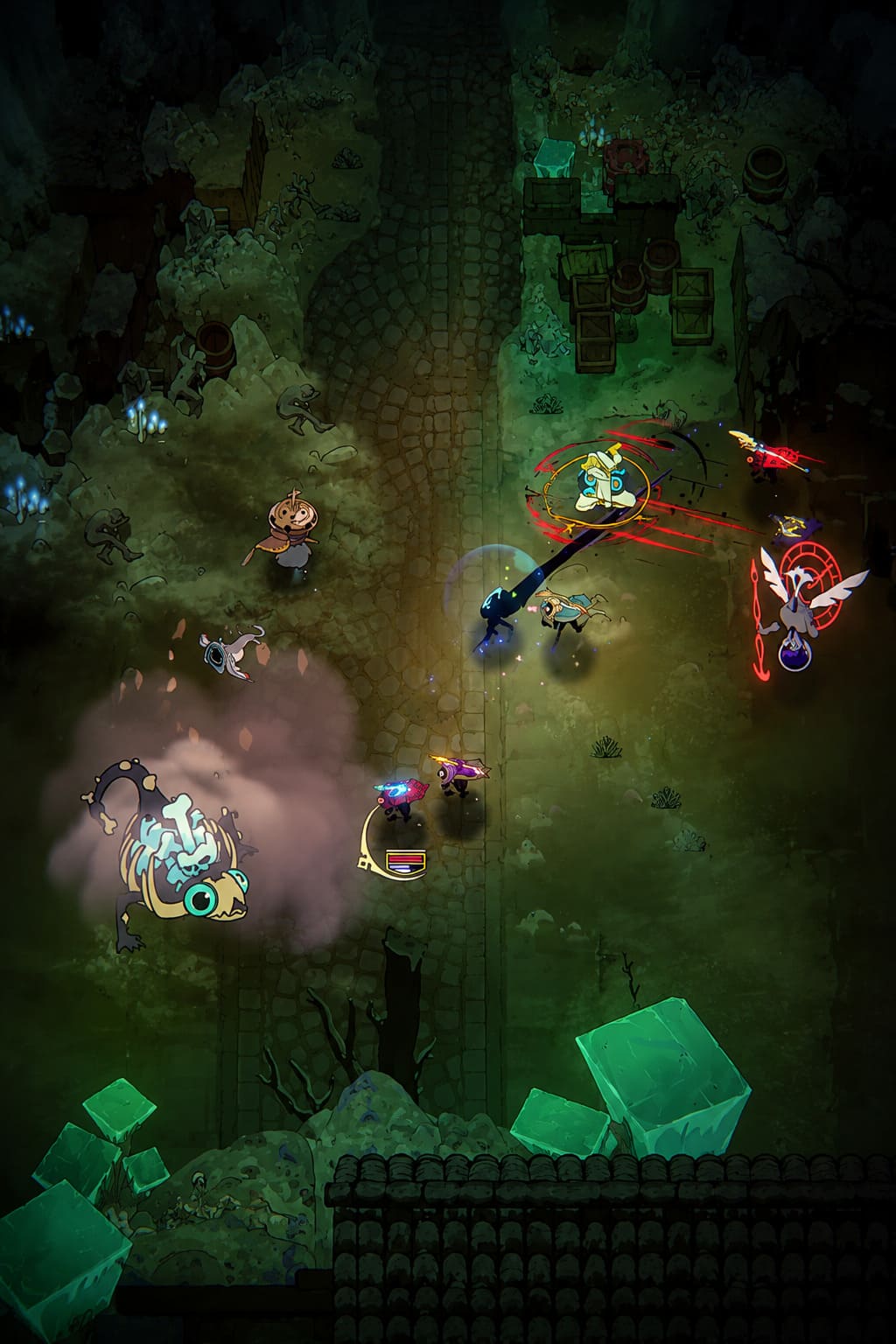
The shift from critical-hit-based rewards to flat damage scaling is another subtle but important improvement. Instead of unpredictable spikes, Co-Strikes now provide consistent damage scaling that rewards sustained participation.
This makes large-scale fights easier to read and more reliable, especially in 33-player encounters where coordination matters more than individual burst luck.
Old System vs New System Overview
| Aspect | Old System | v1.0 System |
|---|---|---|
| Relic Acquisition | Fully RNG-based drops | Choice-driven with structured paths |
| Rerolls | Mid-run reroll spam | Limited to early selection only |
| Currency Use | Mostly reactive | Active build upgrading via Bones |
| Build Planning | Reactive improvisation | Intentional planning from start |
Final Thoughts
After spending time analyzing the changes, it feels like 33 Immortals has finally found a stronger identity. The Relic System no longer fights the player—it works with them. Instead of reacting to chaos, you now construct a build step by step with actual intent.
Not everyone will love the reduction in randomness, and some players will miss the unpredictable “wild run” energy of the old system. But from a design standpoint, this version is clearly more stable, more readable, and much better suited for coordinated 33-player gameplay.
It’s less about luck now—and more about understanding your build, your role, and your team.