Who is Nahe in Tides of Tomorrow and donation box locations
I’ve always had a soft spot for games that dare to experiment with storytelling. The kind that don’t just give you dialogue wheels and pretend your choices matter, but actually build the world around them.
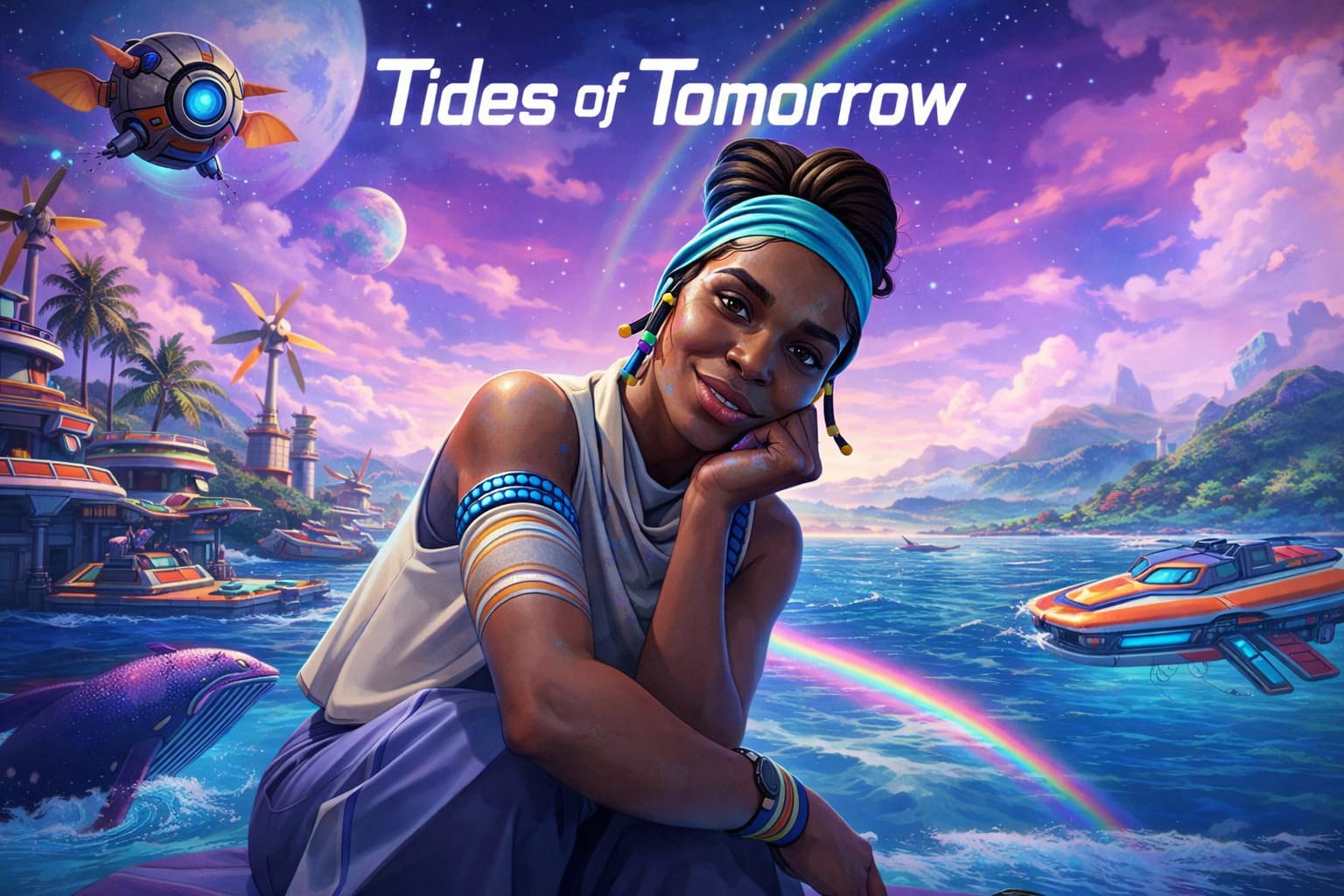
That’s exactly why Tides of Tomorrow instantly grabbed my attention. And at the center of it all stands Nahe — not just a supporting character, but the emotional and narrative anchor of the entire experience.
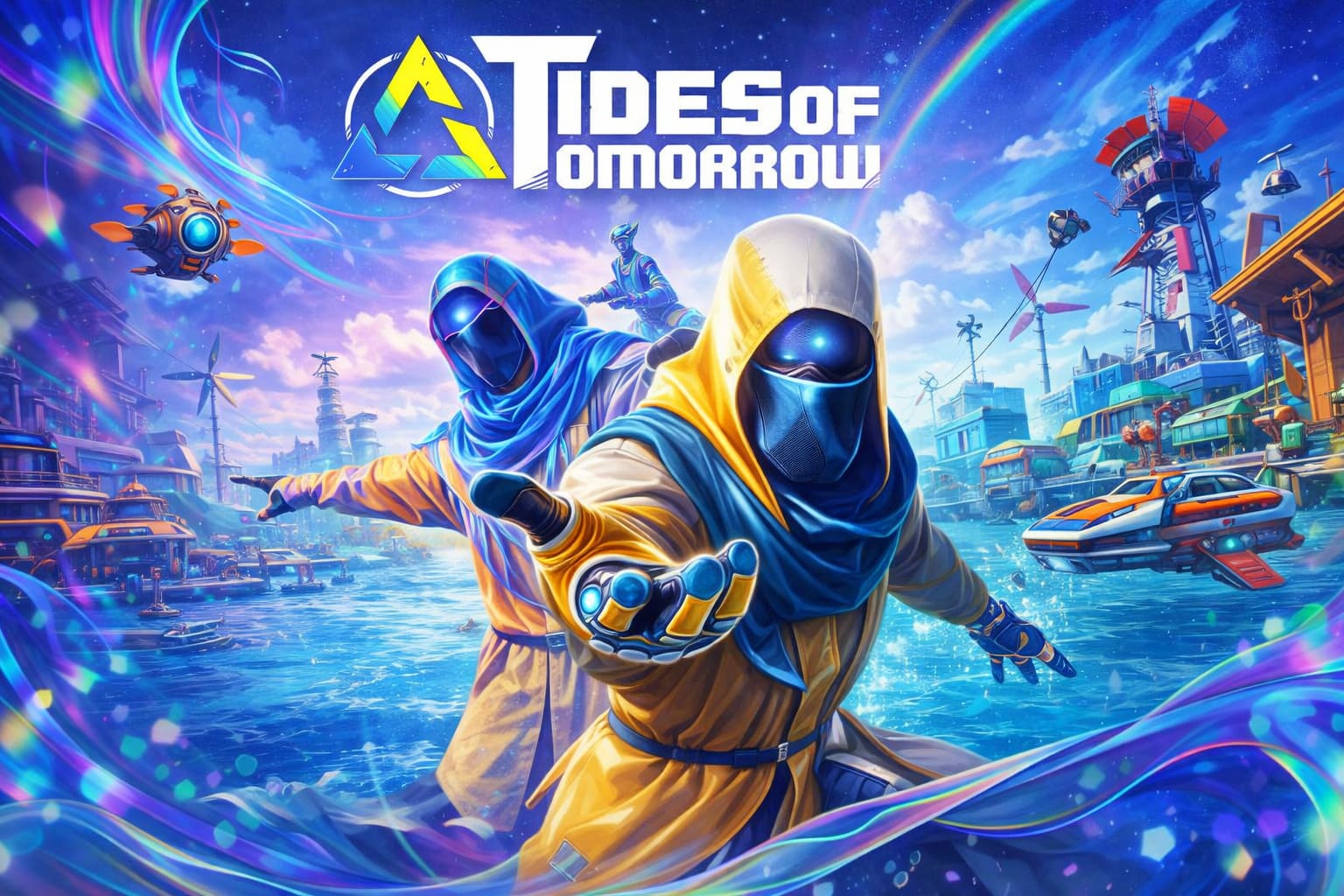
Developed by the team behind Road 96, this new narrative-driven adventure pushes the studio’s signature style even further. If you’ve played their previous work, you know they care about people first — flawed, vulnerable, driven characters. Nahe feels like the next evolution of that philosophy.
Discover more: Chasing Rainbows in Heartopia: A Gamer’s Fast-Track Guide to the Rainbow Bouquet
Who Is Nahe?
Nahe is the first face you see when your journey begins. You wake up as an amnesiac Tidewalker, dragged from a suffocating sea of plastic — and she’s the one who saves you. That first encounter already tells you a lot: this world is broken, and she’s been fighting that reality for a long time.
But she’s much more than your rescuer. Nahe is:
- The Savior – She pulls you out of the plastic ocean and gives you a second chance at life.
- The Researcher – A brilliant scientist studying Plastemia, a disease that literally turns living beings into plastic.
- The Heiress – Daughter of Voot, the near-mythical leader of the Mystics faction.
- The Sister – Bound to Efod, a scientist fascinated by ancient Delta technologies, often clashing with her pragmatic approach.
- The Guide – Your bridge to Elynd and to the game’s ambitious “Story-Link” system.
And what I love most? She doesn’t feel like a tutorial device. She feels tired, determined, pressured — human.
A Mentor Unlike Most RPGs
In many RPGs, the mentor exists to dump lore and hand out quests. Nahe does something far more interesting: she contextualizes your existence. Because Tides of Tomorrow uses an asynchronous multiplayer system where your world is shaped by the “traces” of other players, Nahe has to explain why your reality might already be damaged — or saved — by someone you’ve never met.
Maybe another Tidewalker took the last vial of medicine. Maybe someone made a decision that altered which NPCs survive. Instead of breaking immersion, Nahe makes it part of the fiction. She becomes the narrative glue that holds this experimental structure together.
As someone who loves games that blur the line between single-player and shared experience, this is incredibly exciting. It’s social storytelling without forcing you into a live-service grind.
The Weight of the Mystic Legacy
Nahe’s personal conflict adds serious depth to the story. As the daughter of Voot, a near “god-like” authority among the Mystics, she carries expectations that go beyond science. She’s not just trying to cure Plastemia — she’s trying to prove that rational thought and research can save a world drowning in faith, relics, and nostalgia.
Her dynamic with Efod is especially compelling. He looks to the past, fascinated by forgotten Delta technologies. She looks to the present, racing against time. That tension between preservation and survival feels painfully relevant.
Why Nahe Matters
What makes Nahe stand out isn’t just her backstory. It’s what she represents. Tides of Tomorrow asks a haunting question: what do we leave behind for others? In a world where plastic literally consumes life, that metaphor isn’t subtle — and it shouldn’t be.
For players in the US and beyond, themes of environmental collapse, generational responsibility, and shared consequences hit close to home. Nahe embodies that struggle. She’s not a superhero. She’s a scientist under impossible pressure, trying to keep humanity from becoming synthetic.
If the demo is any indication, she might become one of those indie characters people talk about for years — not because she’s flashy, but because she feels real.
Tides of Tomorrow Donation Boxes: A Player’s Guide to Community Loot and Smart Gifting
I’ve always loved games where the world feels alive because of other players, even if you never meet them directly. Tides of Tomorrow, developed by DigixArt (yes, the studio behind Road 96), hits that sweet spot perfectly. In this strange, ocean-drowned future where every Tidewalker is fighting against plastification and scarcity, survival is only half the story. The other half? What you leave behind.
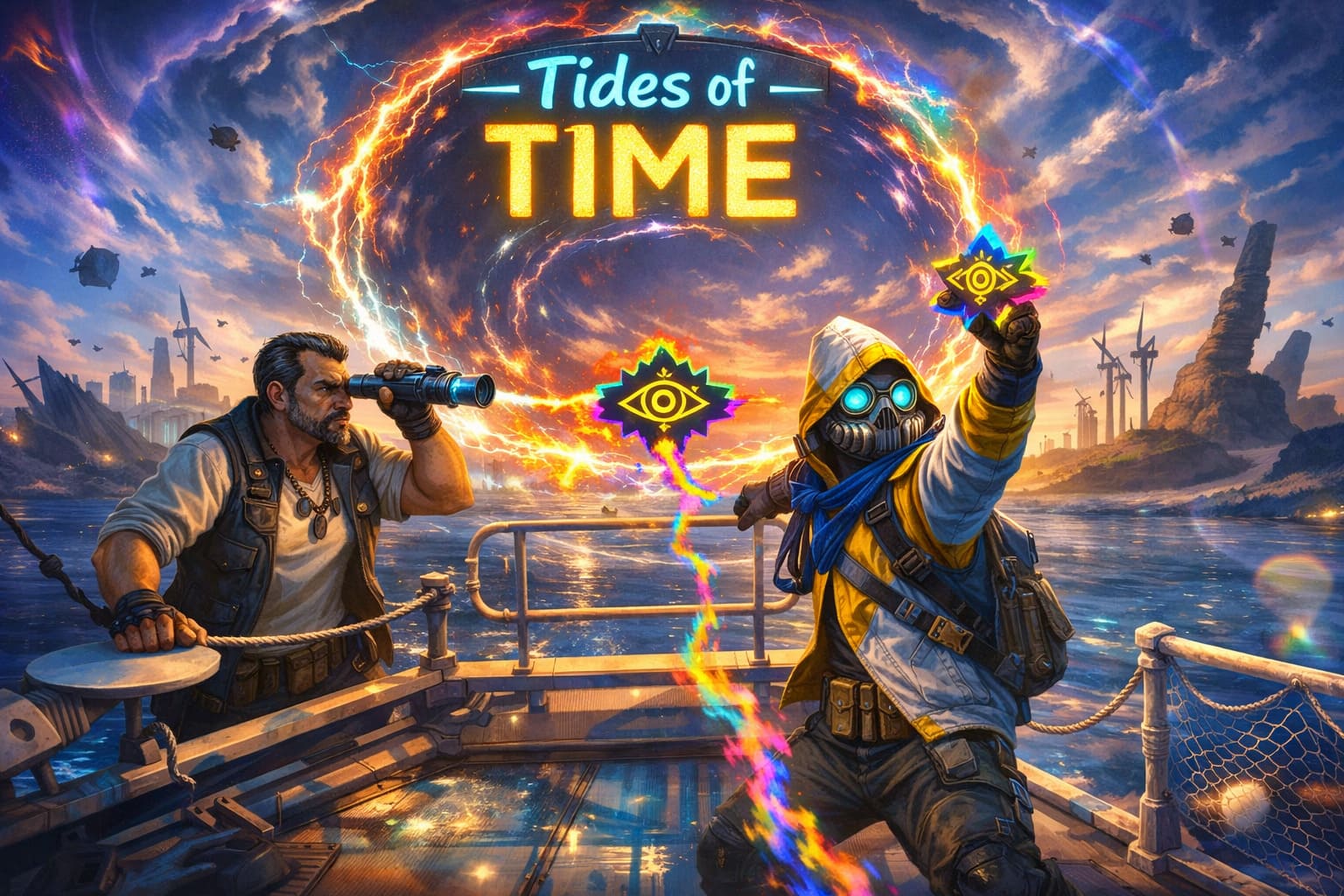
One of the smartest mechanics in the game is the Donation Box system. It’s not just storage. It’s not just a loot dump. It’s a quiet, asynchronous handshake between players. You drop something in, and somewhere out there, another Tidewalker finds it when they need it most.
What Makes Donation Boxes So Important?
Unlike traditional stash systems, Donation Boxes in Tides of Tomorrow send your items into a shared ecosystem. What you deposit gets randomized and distributed across different player instances. It’s a clever design choice that turns generosity into progression.
- For Givers: You free up precious inventory space and earn community Echos while helping stabilize other players’ worlds.
- For Receivers: You might open a box and find scrap metal… or a life-saving weapon blueprint. It’s unpredictable, and that’s part of the magic.
From my experience, using Donation Boxes regularly makes the game feel less brutal. Even in harsh world states, there’s this subtle sense that someone out there cared enough to leave something useful behind.
Main Donation Box Locations You Should Know
If you’re serious about optimizing your runs (or just want to be a decent human in a flooded apocalypse), these are the spots worth remembering.
1. The Starting Vault (Initial Spawn Area)
This is the most impactful place to donate. The box is located just below the entrance platform, near the first NPCs that kick off your early questline.
- Best For: Low-level armor, basic meds, starter weapons.
- Why It Matters: Every single new player passes through here. If you want maximum impact, this is it.
I always try to leave at least some early-game healing supplies here before logging off. It just feels right.
2. The Wayward Outpost
Once you move into the first real hub area, you’ll find another Donation Box just outside the main structure of the Wayward.
- Best For: Food, crafting plans, mid-early gear.
- Why It’s Efficient: Players return here constantly for story progression, so items cycle quickly.
If you’re doing repeated quest runs, this becomes the most practical long-term donation point.
3. Foundation and Crater (Major Floating Settlements)
Later in the game, larger settlements like Foundation and the Crater host Donation Boxes near central trade zones or vendor robots.
- Best For: Rare weapons, stable flux, advanced crafting recipes.
- Player Type: Mid-to-late game survivors.
Personally, I see these as “respect boxes.” If you’ve made it this far, dropping high-tier gear here keeps the endgame ecosystem healthy.
4. Travel Hubs and Dock Stations
Most major transit areas also feature Donation Boxes nearby.
- Best For: Ammo stacks, crafting materials, situational gear.
- Pro Tip: If a box looks empty, reload into another session to refresh the randomized pool.
These are great for quick drop-offs before fast traveling somewhere else.
Unofficial Community Drop Spots
What I really enjoy is how players have created their own traditions around sharing loot.
- Artisan’s Corner: Cash registers near crafting benches sometimes act as informal “take what you need” points.
- Blue Suitcases: A community-recognized symbol for shared loot at travel stations.
It’s not officially marked, but once you notice it, you’ll see the pattern everywhere. That kind of organic cooperation is rare.
Why You Should Make Donation Runs Part of Your Routine
Inventory weight in Tides of Tomorrow can get out of control fast. Instead of scrapping or destroying useful gear, donating gives it a second life.
- Inventory Management: Clear stash space without wasting resources.
- World Stability: Better-equipped players mean healthier shared seeds.
- Low Travel Cost: Returning to early hubs is often cheap or free.
Before I log off, I usually fast travel to the Starting Vault and do one final sweep of my inventory. It’s a small ritual, but it makes the world feel connected.
Final Thoughts
At its core, Tides of Tomorrow isn’t just about surviving rising waters and hostile environments. It’s about legacy. Donation Boxes turn random generosity into a meaningful gameplay loop. You may never know who benefits from your drop, but someone will.
And honestly? That quiet sense of shared survival is what makes this game stand out in the crowded survival genre.
I go into most indie releases hoping for something different. With Tides of Tomorrow, I’m not just hoping — I’m genuinely curious to see how this shared narrative experiment unfolds. And Nahe is the reason why.
She’s the emotional compass, the moral tension, and the living proof that even in a collapsing world, someone is still trying to fix things. For a narrative-heavy adventure built on player choices and community impact, that’s exactly the kind of character you want guiding you through the tide.