The Walking Trade Gameplay Walkthrough & Strategy Guide (2026)
If you’re diving into The Walking Trade in 2026, brace yourself for a thrilling mix of survival, shop management, and the constant threat of a zombie apocalypse. This isn’t just your standard survival sim—The Walking Trade throws you into a post-apocalyptic world where your success isn’t just about surviving, but also about managing a thriving store in the midst of chaos. With elements like price gouging, horde invasions, and community reputation, it’s a game that demands both strategic thinking and quick reflexes.
Here’s my deep dive into the game’s mechanics, strategies, and some personal tips to help you thrive as the ultimate shopkeeper. Whether you’re a newbie or a veteran, these insights will keep you ahead of the curve!
1. Your First Day: Navigating the Apocalypse
At the start, you’re given a small, humble shop with limited stock and even fewer resources. The key to success in the early game is understanding that food is the first commodity you need to sell. Sell off what little you have to quickly build capital for the essentials.
- Food First Strategy: Early on, you’ll need the quick cash to make a few key purchases, such as batteries and other crafting materials.
- Quick Tip: Batteries are the currency in this world. Every new player should focus on acquiring and trading these as soon as possible to build a solid foundation.
2. Core Mechanics: Balancing Survival and Business
The gameplay of The Walking Trade revolves around managing three main phases: shop management, zombie defense, and staff management. If you’re not excelling in one, it’s only a matter of time before you run into trouble.
Shop Management & Pricing
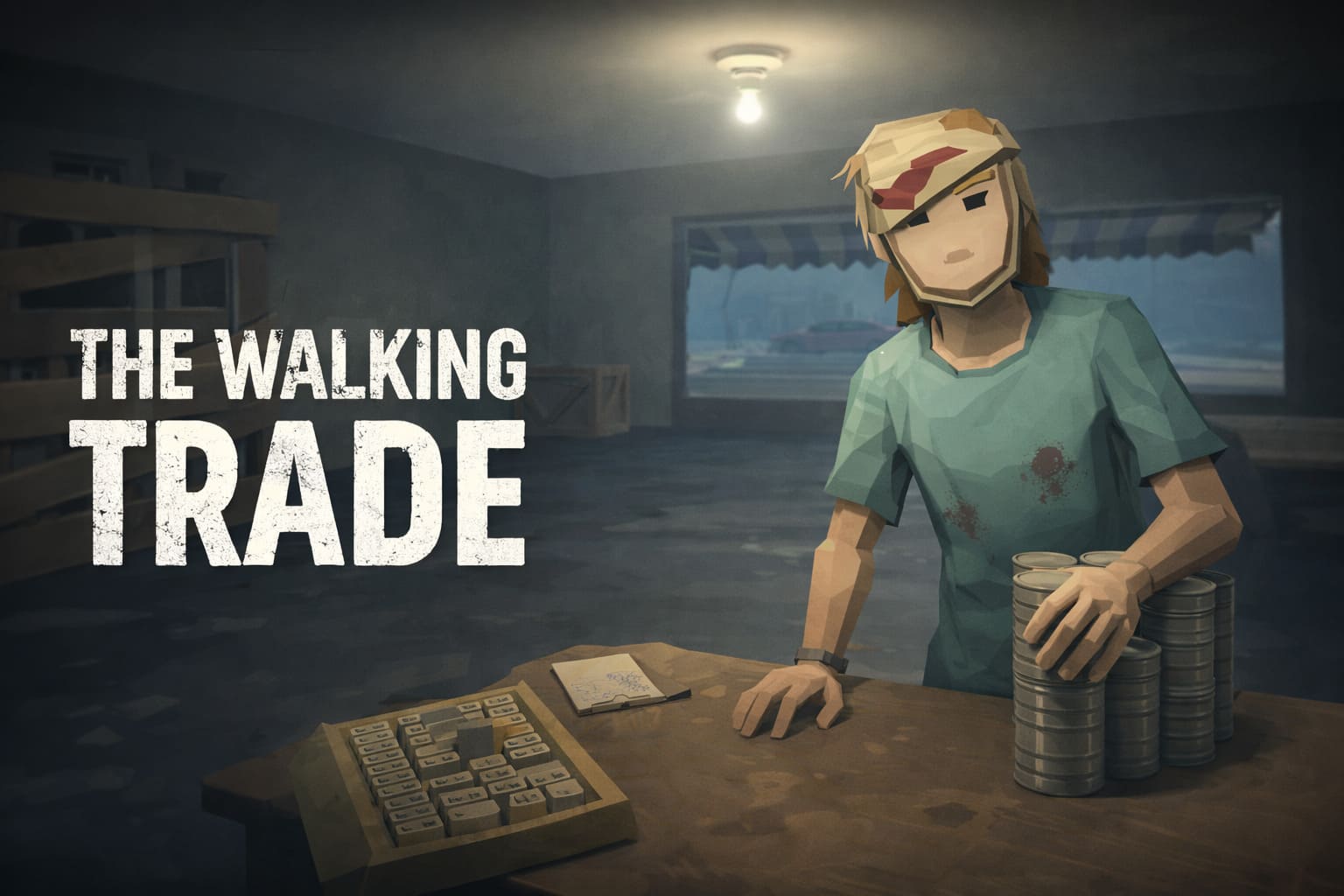
Managing your inventory is a careful balancing act. Your reputation with customers directly impacts your store’s traffic, so pricing is key. Be fair, and people will come. But gouge prices, and expect violent factions to start showing up at your door.
- Reputation System: Reputation isn’t just a number—it shapes your interactions with the community. Fair pricing leads to peace, but price gouging results in “opportunistic” (read: violent) customers.
- Essential Stock: Always keep medicine, clean water, and other consumables in stock—they sell the fastest, especially during horde warnings.
Blossom: The Seed of Life Console Release – PS5 & Xbox Launch Details for 2026, Patch Notes 1.0
Zombie Defense & Combat
Your store is not a safe haven. Zombies, hostile scavengers, and even rival shopkeepers can launch surprise attacks.
- Fortifications: Early on, invest in basic barricades and traps to prevent zombies from overwhelming your store.
- Weaponry: Focus on gathering melee weapons and firearms to handle raids. Melee weapons are great for silent takedowns, while firearms should be your last resort for large hordes.
Pro Tip: Sometimes, locking the doors during a raid is a safer bet than risking your life for a little extra profit. You can always make up for lost sales later.
Staff Management
You’re going to need a team to run your shop efficiently. Hire survivors with specialized skills to help you keep the business running smoothly. Each staff member plays a unique role:
- Scavengers: Send them out on raids to find rare loot.
- Guards: Equip them with high-tier gear to protect the store from attacks.
- Cashiers: The speed at which they handle transactions can make or break your reputation.
Important: Keeping your employees motivated is crucial. Starving or overworking them can lead to mutiny, or worse, they might steal from you.
3. Crafting & Upgrades: Building for the Long Haul
By Day 20, it’s time to start thinking about crafting and upgrading. Early-game items like batteries and medicine will only get you so far. Eventually, you’ll need to upgrade your store to handle the increasing challenges.
| Upgrade Type | Priority | Benefit |
|---|---|---|
| Crafting Station | High | Allows you to craft weapons and useful tools. |
| Storage Units | Medium | Increases your inventory space during horde seasons. |
| Security Cameras | Low | Helps prevent shoplifting from suspicious customers. |
- Crafting Stations: Once unlocked, these allow you to turn scrap into high-value weapons and other useful items.
- Storage Units: Don’t forget about the horde seasons! Stock up and expand your storage before the next wave.
4. Community Insight: What Players Are Saying
The Walking Trade community is filled with tips, tricks, and shared strategies. Here are some of the latest buzzworthy tactics from Reddit and Discord:
- Battery Monopoly: Hoard batteries early in the game and sell them during power grid failures for huge profits. Players recommend marking them up to 300% when the grid goes down.
- Staff Roles: Recent updates (Worker Update #7) made specialized staff more effective. Rather than generalists, focus on dedicated scavengers, guards, and crafting specialists for better results.
- Graphics Performance: If you want the most immersive experience, the community suggests playing on Ultra settings with a stable 60 FPS. It’ll help you spot those subtle zombie movements during raids!
5. Walkthrough Summary: A Clear Path to Success
The road to dominating the apocalypse is long, but not impossible. Here’s a quick summary of the most important milestones to focus on:
- Days 1-5: Sell starting food, buy batteries, and fortify your shop’s entrance.
- Days 6-15: Hire your first guard, craft a basic weapon, and improve your shop’s defenses.
- Days 16-30: Secure firearms and focus on reputation-building with local survivors.
- Day 31+: Expand your store, automate restocking, and prepare for mega-horde events.
Conclusion: Profit or Heroism?
In The Walking Trade, the choice is yours: will you be a benevolent hero, saving the survivors of the apocalypse, or will you become a ruthless capitalist, profiting from their desperation? Either way, your decisions will have consequences. Whether you’re trading food, defending your shop, or building a trading empire, every move counts.
So, what’s your strategy? Hero or profiteer? The choice is yours.