The Blood of Dawnwalker Efficiency Path Walkthrough: 30-Day Strategy Guide
If there’s one thing that immediately stood out to me about The Blood of Dawnwalker, it’s not just the dark fantasy atmosphere or the vampire-human duality. It’s the pressure. A 30-day in-game clock changes everything. You don’t just “explore” — you plan. Every decision feels like it costs you something, and honestly, that’s what makes the game stick in your head long after you stop playing.
This isn’t your typical open-world RPG where you can wander off, do ten side quests, and come back overleveled. Here, time is the real boss fight.
So this guide isn’t written like a textbook. It’s more like how I personally would approach a second playthrough after learning the hard way that wasting days hurts more than dying.
Why the 30-Day System Changes Everything
What makes The Blood of Dawnwalker stand out is the constant pressure of its calendar system. You’re not just leveling a character — you’re racing against an invisible countdown that quietly punishes inefficiency.
The key idea is simple but brutal:
You cannot see everything in one run. You must choose what matters.
Every quest, rest, and major progression step moves time forward. That means the game forces you into a mindset of optimization rather than completionism.
I’ll be honest — I hated this at first. But once I adapted, it became one of the most satisfying RPG systems I’ve seen in years.
Core Mechanics Breakdown (What Actually Matters)
Day vs Night Identity Split
The game essentially gives you two different playstyles:
- Daytime Coen (Human Form) — Focuses on sword combat, survival, and social interaction. No flashy powers, just raw mechanics and timing.
- Nighttime Coen (Dawnwalker Form) — This is where the game opens up: vampiric mobility, stealth tools, and magical devastation.
What I liked most is how clean the separation feels. You feel weaker during the day, but more grounded. At night, you become dangerous but unstable.
Time Pressure System (The Real Enemy)
Time advances through:
- Quest completion
- Resting in safe zones
- Major story triggers
The mistake most players will make is accepting everything. Don’t. That’s the fastest way to lose efficiency.
Efficient Build Philosophy (My Personal Take)
I tried multiple builds, but the most consistent one for a fast 30-day completion looks like this:
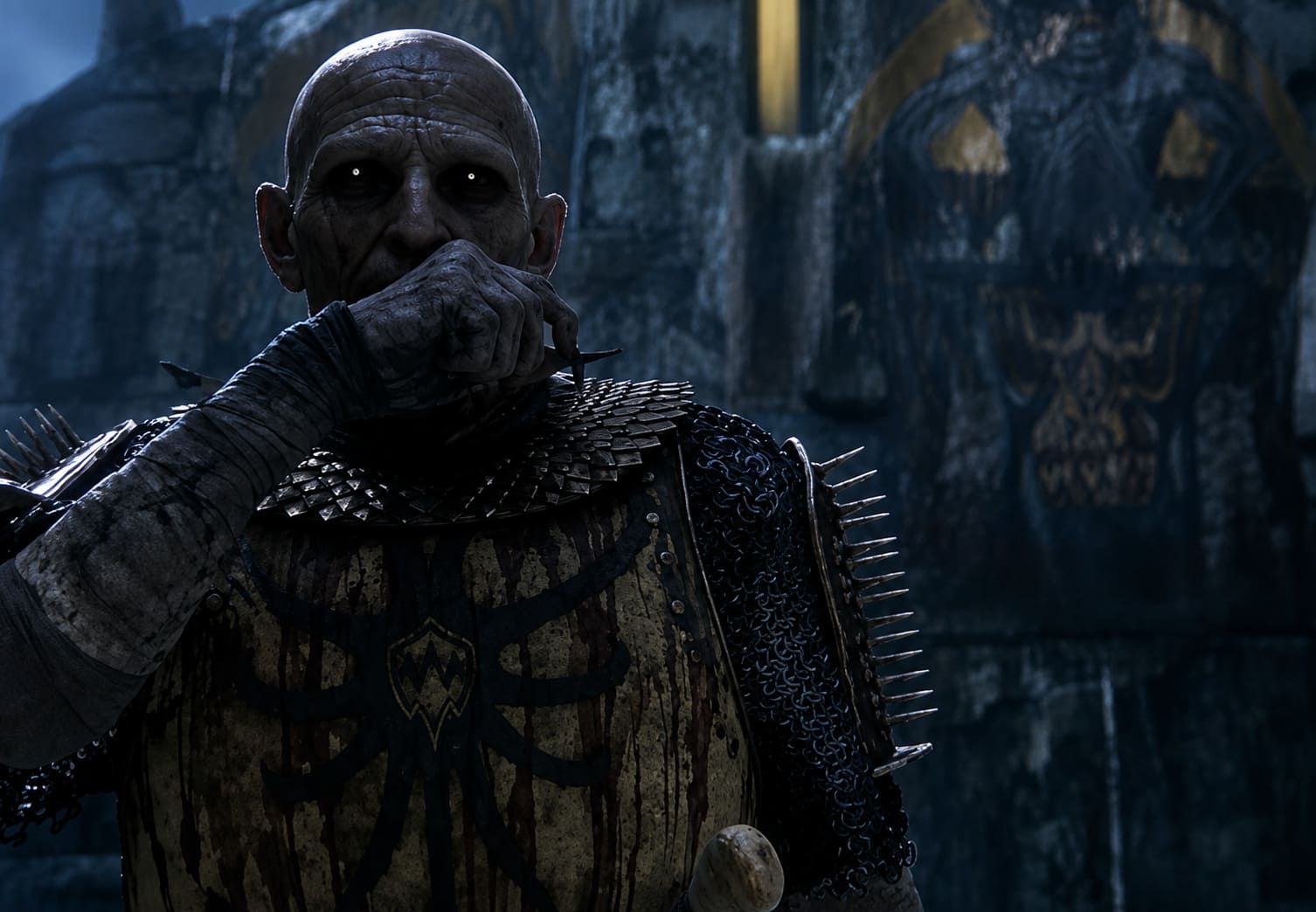
Early Game Focus (Days 1–15): Sword First, Questions Later
If you ignore sword mastery early, you suffer. Simple as that.
Why? Because half the game forces you into human combat where vampiric abilities are locked.
Key priorities:
- Stamina recovery boosts
- Directional parry mastery
- Posture break damage upgrades
Honestly, this phase feels like learning discipline more than building power.
Mid Game Transition (Days 16–25): Magic Becomes Mandatory
This is where the game stops playing fair.
You unlock:
- Witchcraft systems
- Vampiric corruption scaling
- AoE crowd control tools
My advice? Stop being afraid of corruption. It sounds scary in lore, but in practice, it’s just power gating. The stronger your vampire side becomes, the faster your runs become.
Late Game (Days 26–30): Pure Optimization Mode
At this point, you’re not exploring anymore. You’re executing a plan.
Combat Philosophy (What the Game Doesn’t Tell You)
The directional combat system is where most players either love or quit the game.
Here’s the truth:
- Button mashing = death
- Timing = survival
- Awareness = efficiency
If you treat combat like rhythm instead of reaction spam, everything becomes easier.
My Personal Combat Rules
- Never swing first unless you’ve read the enemy animation
- Always prioritize posture break over raw damage
- Use terrain at night — vertical combat is underrated
- Healing through vampirism > consumables
Efficiency Walkthrough (Optimized Route Plan)
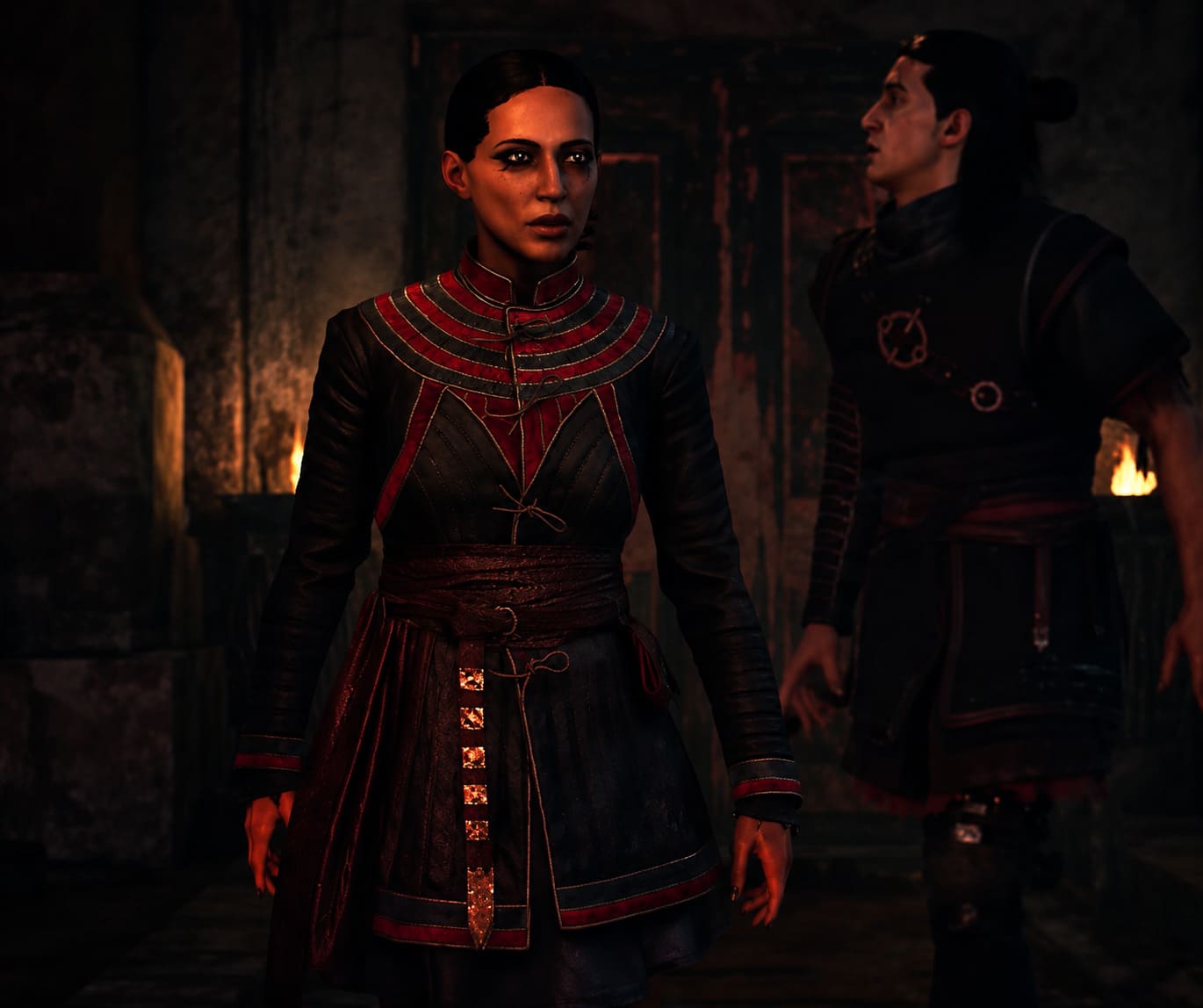
Phase 1: Awakening (Days 1–5)
This is your foundation phase.
Goals:
- Reach Level 10
- Secure starter gear
- Build early reputation stability
You should stay disciplined here. The biggest mistake is wandering into optional zones too early.
Important decision: Use persuasion in early village interactions. It saves resources later and keeps merchants favorable.
Phase 2: Expansion (Days 6–15)
Now the world opens up.
Goals:
- Unlock Witchcraft system
- Recruit key companion (Lacra)
- Establish regional control routes
This is also where you start learning when to switch between day and night gameplay.
Phase 3: Power Spike (Days 16–25)
This is the most important stretch of the game.
Goals:
- Reach Level 50 cap (“Glass Ceiling”)
- Max core weapon upgrades
- Unlock full hybrid combat synergy
At this stage, I personally stopped returning to safe zones unless absolutely necessary. Time is too valuable.
Phase 4: Endgame Lock (Days 26–30)
This is pure execution.
- Final upgrades only
- No unnecessary exploration
- Prepare for branching endings
By Day 28, you should already be locked into your final path.
Skill Priority Table (Practical Setup)
| Skill Tree | Priority Phase | Why It Matters |
|---|---|---|
| Sword Mastery | Early Game | Reliable damage during human form |
| Witchcraft | Mid Game | AoE control and faster clears |
| Vampirism | Mid → Late | Sustain and mobility advantage |
| Corruption Skills | Late Game | Maximum burst efficiency |
Quick Ability Setup (My Recommended Loadout)
- Heavy Cleave (Sword) → Main damage tool
- Blood Siphon → Sustain without downtime
- Shadow Bind (Witchcraft) → Crowd control setup
- Flexible Slot (Potion/Buff) → Adaptation slot
This setup reduces decision fatigue during combat, which is crucial when time is always ticking.
The Blood of Dawnwalker Strategy Guide: 30-Day Time Skip Mechanics and Boss Skip Tactics Explained
Endings and Replay Strategy
One thing I actually appreciate is how the game forces emotional trade-offs.
You’re not just picking “good or bad endings.” You’re choosing what kind of survival you prioritize.
- The Turncoat Path → Survival through betrayal
- The Patricide Path → Loyalty and destruction of origin
Both require planning, not just story choices.
And yes — save manipulation around Day 28 is basically mandatory if you want to experience both without replaying the entire game.
The Blood of Dawnwalker Full Story Plot Explained: Ending and Lore Breakdown
Final Thoughts (From a Player’s Perspective)
After going through the structure of The Blood of Dawnwalker, I can say this confidently:
This isn’t a game about exploration freedom. It’s a game about controlled pressure.
If you treat it like Skyrim, you’ll fail the design. If you treat it like a tactical survival puzzle wrapped in RPG mechanics, it becomes one of the most rewarding systems in modern dark fantasy gaming.
And honestly? The 30-day system stops being stressful once you accept a simple truth:
You’re not meant to do everything. You’re meant to do the right things.
If you’re planning a serious run, don’t improvise too much. Build your path early, commit to it, and let the game unfold under your control instead of chasing everything at once.
That’s where the real efficiency — and fun — begins.