Slay the Spire 2 Vantom Boss Guide: How to Beat Act 1 Phantom Boss Encounter
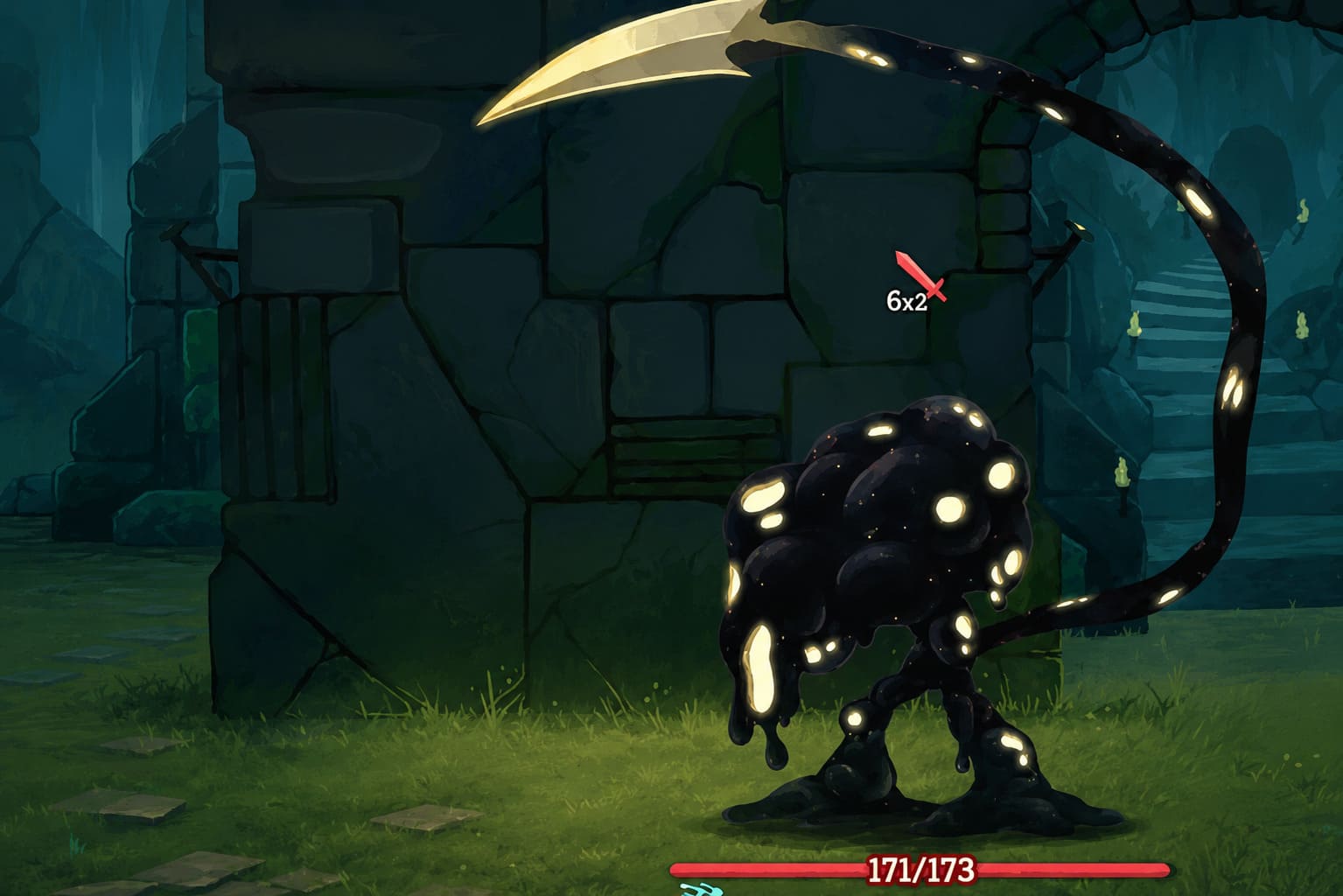
When I first ran into Vantom in Slay the Spire 2, I honestly thought the game was messing with me. I had one of those runs that feels unstoppable during early Act 1. Strong relics, upgraded attacks, solid card draw, and enough damage to flatten almost every enemy I had encountered. Then Vantom appeared, my strongest attack landed for exactly one damage, and suddenly the entire run collapsed a few turns later.
After fighting this boss again and again, though, I started realizing something important. Vantom is not unfair. In fact, it might actually be one of the smartest bosses Mega Crit has ever designed. Unlike many roguelike bosses that simply overwhelm players with inflated stats or unavoidable damage, Vantom attacks your understanding of tempo, deck structure, and turn efficiency. You cannot simply brute-force this encounter with giant numbers. The fight demands that you think differently.
That is exactly why so many players on Reddit and YouTube are obsessed with this boss right now.
The Real Reason Vantom Destroys So Many Runs
The biggest mistake players make is approaching the encounter with the same mindset they used in the original Slay the Spire. In the first game, you could often survive early bosses by drafting huge attacks and scaling greedily for later acts. Slay the Spire 2 feels much more aggressive, and Vantom is the perfect example of that design philosophy.
The entire encounter revolves around one mechanic: Slippery.
At the beginning of the fight, Vantom gains multiple layers of Slippery, and while those layers are active, every individual hit deals a maximum of one damage. It does not matter if your card normally deals forty damage or four hundred damage. The attack will still only remove one layer.
That changes the entire value system of your deck instantly.
Suddenly, expensive heavy attacks become almost useless during the opening turns. Meanwhile, cheap multi-hit cards and zero-cost attacks become some of the strongest tools in the game.
| Mechanic | Effect | Why It Matters |
|---|---|---|
| Slippery | Limits attacks to 1 damage per hit | Punishes slow heavy decks |
| Tail Slam | Massive burst attack every cycle | Forces careful defensive timing |
| Strength Scaling | Boss grows stronger over time | Long fights become unwinnable |
| Deck Pollution | Adds junk cards into your deck | Ruins consistency during extended fights |
Once players understand that Vantom is testing attack frequency instead of raw damage numbers, the fight suddenly becomes much easier to understand.
The Most Common Rookie Mistake
One thing I keep seeing online is players over-defending during the opening turns.
This sounds logical at first. Vantom attacks early, so naturally many players panic and start stacking Block immediately. The problem is that this usually causes the fight to spiral out of control.
Taking a small amount of damage early is often completely acceptable. Extending the Slippery phase is not.
If you spend Turn 1 playing multiple Defend cards instead of stripping Slippery layers, you are basically guaranteeing that the fight lasts longer. That means more Tail Slams, more Strength scaling, and more garbage cards shuffled into your deck.
In many situations, tanking nine damage while landing three attacks is dramatically better than blocking everything while barely progressing the fight.
That is the hidden lesson Vantom teaches players: tempo matters more than comfort.
Best Slay the Spire 2 Steam Deck Performance Settings: Complete Optimization Guide (2026)
Understanding the Tail Slam Timing
The Tail Slam is the move that usually ends promising runs. The animation alone feels intimidating. Every turn, the ghostly tail rises higher and higher until it eventually crashes down with devastating force.
At first, the attack feels overwhelming. But once you understand the pattern, the encounter becomes much more manageable.
| Turn | Boss Behavior | Recommended Response |
|---|---|---|
| Turn 1 | Small attack with Slippery active | Focus entirely on rapid attacks |
| Turn 2 | Pressure increases | Finish removing Slippery layers |
| Turn 3 | Tail Slam incoming | Full defensive setup |
| Turn 4+ | Cycle resets with buffs | End fight before scaling gets dangerous |
The most important thing to remember is that Turn 3 is not optional. This is the moment where your defensive tools matter most. Potions, relic activations, emergency blocks, and defensive skills should ideally be saved for this exact moment.
Once I started treating the Tail Slam as a scripted survival check instead of a panic situation, my success rate against Vantom improved almost immediately.
Slay the Spire 2 Necrobinder Build Guide: Best Osty Summon Deck
Why Multi-Hit Cards Become Incredible
One of the coolest things about this encounter is how it completely changes card evaluation.
Normally, players naturally gravitate toward flashy high-damage attacks. Against Vantom, though, those cards suddenly become liabilities during the opening phase.
Instead, multi-hit cards become absolute MVPs.
- Zero-cost attacks remove Slippery efficiently
- Multi-hit abilities shred layers rapidly
- Cheap draw cards keep attack chains flowing
- Passive damage effects maintain pressure
- Token generators overwhelm Slippery defenses
What makes Vantom so interesting is that the boss quietly teaches players how important deck balance really is. A deck filled entirely with giant expensive attacks may look powerful, but against Vantom it completely falls apart.
After dozens of runs, I now actively draft Act 1 with this encounter in mind. Even if I plan to scale later, I always ask myself one question: can this deck survive Vantom?
Ironclad Performs Better Than Most Players Think
Early community discussions claimed Ironclad struggled heavily against Vantom, but after experimenting more, I honestly think the matchup is pretty solid.
The issue is not the class itself. The issue is greedy drafting.
If you prioritize attack frequency instead of raw burst damage, Ironclad handles the fight surprisingly well. Cards like Twin Strike become premium picks, while defensive tools such as Flame Barrier are incredibly effective during Tail Slam turns.
The trap many players fall into is overcommitting to giant expensive attacks too early in the run. Those cards feel amazing against regular enemies, but Vantom exposes their weaknesses immediately.
Ironclad players who build balanced decks usually perform far better than players chasing huge damage screenshots.
Silent Absolutely Dominates This Encounter
Silent might honestly have the easiest Vantom matchup in the entire game.
Shiv builds are almost absurdly strong here. A single Blade Dance can remove massive amounts of Slippery in one turn, allowing the fight to progress much faster than normal.
Once the defensive layers disappear, Vantom suddenly becomes far less threatening.
Poison builds are also surprisingly effective. Even though direct hits are reduced by Slippery, poison scaling continues applying pressure every turn. If you survive the opening phase cleanly, poison can carry the rest of the fight without much trouble.
Some of my smoothest clears against Vantom came from Silent decks that completely bypassed the boss’s pacing advantage through sheer attack frequency.
Necrobinder Creates Some of the Most Fun Strategies
The new Necrobinder class initially feels awkward against Vantom, but after learning the matchup, it actually became one of my favorite encounters in the game.
Cheap summons and spectral token attacks interact incredibly well with Slippery. Even weak disposable minions become valuable because every single hit removes another defensive layer.
Then comes the satisfying part.
Once Slippery disappears, Necrobinder can unleash massive lich-style spells that suddenly delete huge chunks of Vantom’s health bar. The transition from survival mode into explosive damage feels fantastic every single time.
It is one of those fights that really highlights how creative Slay the Spire 2’s class design can be.
Why Vantom Is Actually Great Game Design
What makes Vantom memorable is not simply the difficulty. Plenty of hard bosses exist in roguelikes. What makes this encounter special is what it teaches players.
Vantom is essentially a lesson disguised as a boss fight.
The encounter teaches players that efficiency matters more than greed. It teaches players that consistent cheap cards can outperform flashy expensive ones. Most importantly, it forces players to understand tempo and pacing much earlier than they normally would.
That is why the fight feels brutal during early runs. The boss exposes weaknesses players often do not even realize they have yet.
And honestly, that is exactly what a great Act 1 boss should do.
Final Thoughts
After spending dozens of hours fighting Vantom, I have completely changed my opinion about the encounter. At first, I hated it. The boss felt oppressive, frustrating, and unfair.
Now, I genuinely think it is one of the best-designed fights in Slay the Spire 2.
Yes, the Tail Slam is terrifying. Yes, greedy decks still get punished brutally. But once you understand the rhythm of the fight, Vantom transforms from an impossible wall into a satisfying tactical challenge.
The biggest lesson is simple: stop focusing entirely on massive damage numbers.
Against Vantom, the player who attacks smarter usually wins.