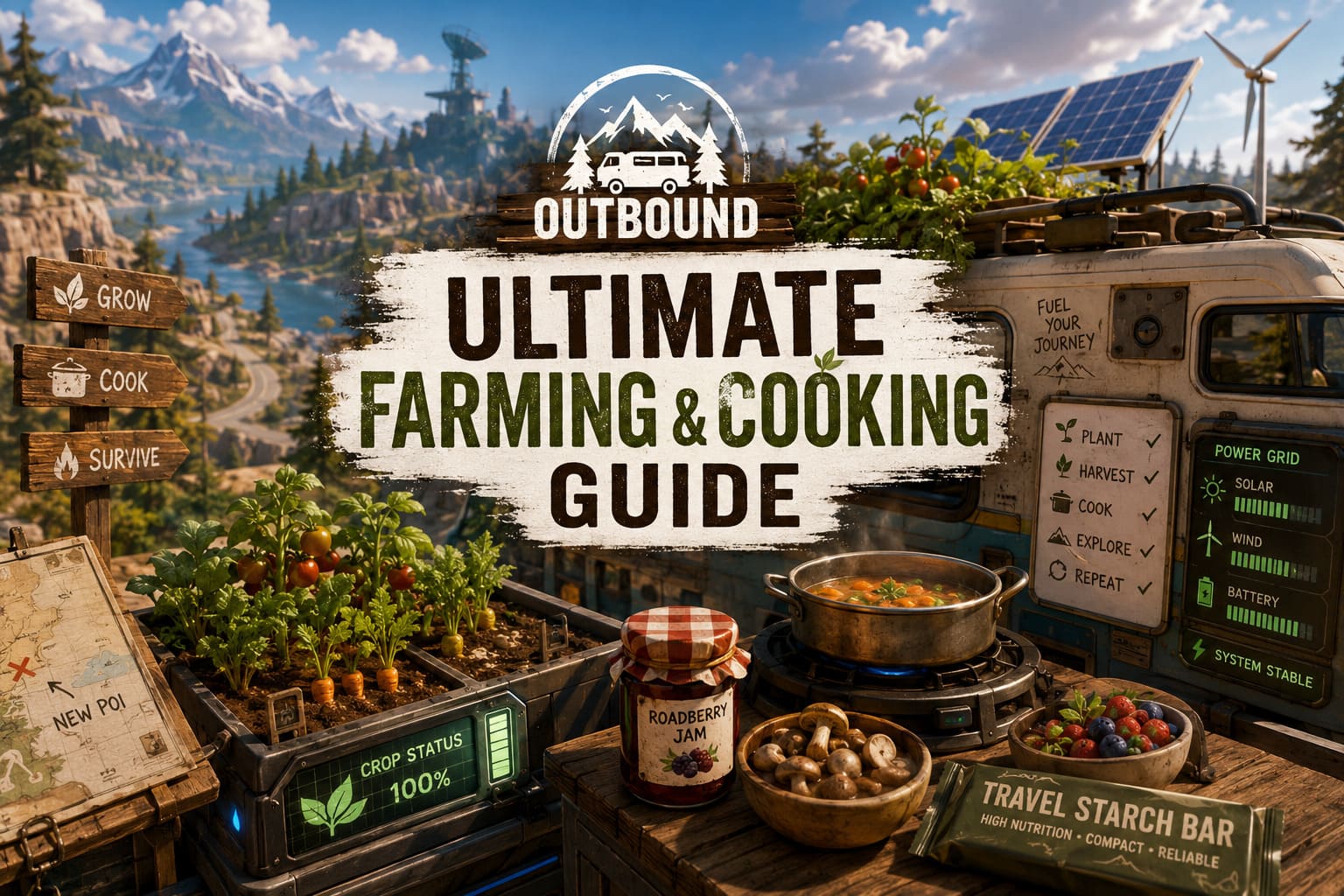
Outbound Ultimate Farming and Cooking Guide: Best Recipes, Crop Layouts, and Survival Food Tips
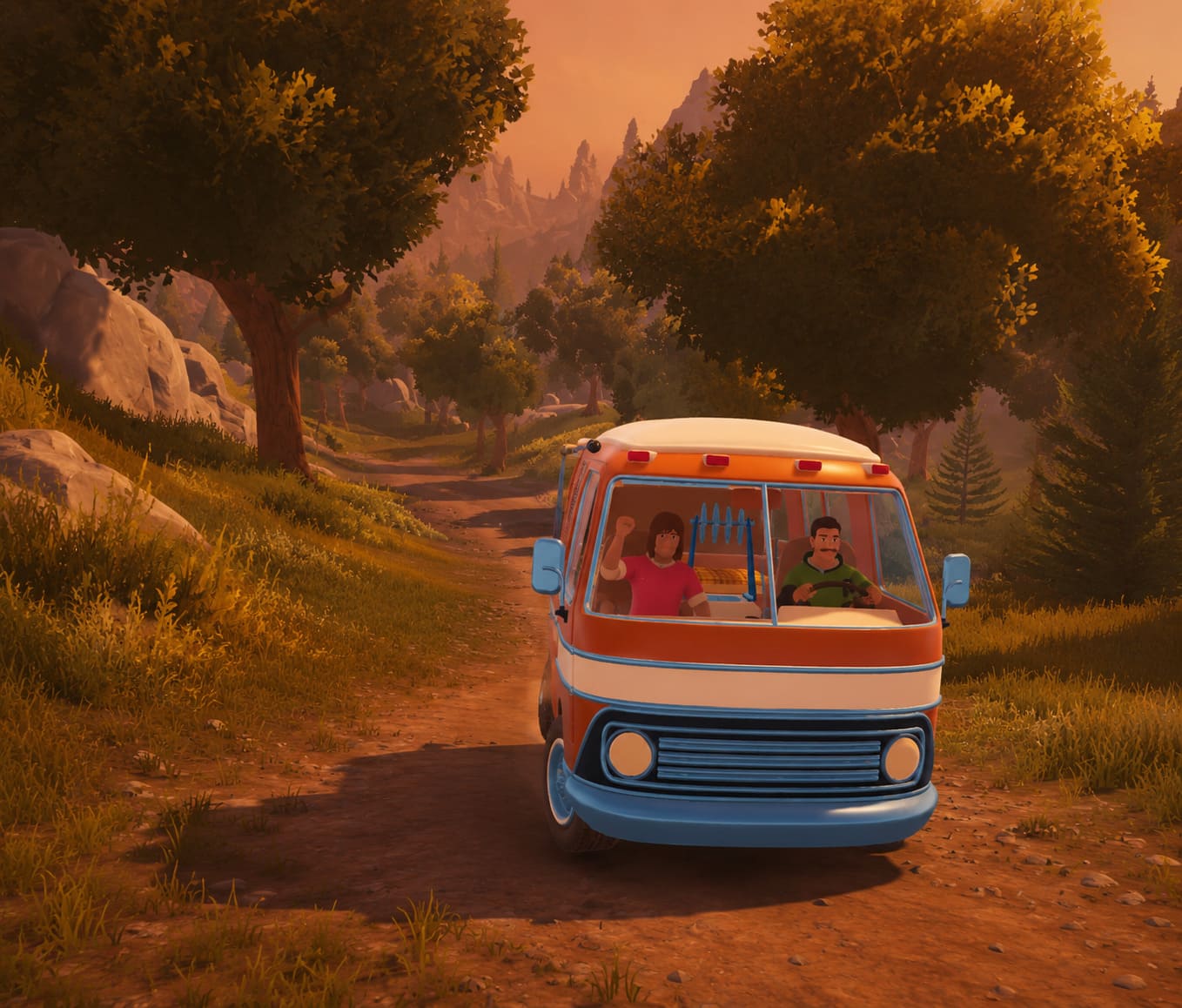
There’s something oddly addictive about Outbound. At first glance, it looks like another relaxing cozy survival game with pretty forests, solar panels, and a camper van rolling through colorful biomes. But after spending enough hours inside its world, one thing becomes painfully obvious: food is everything.
Not combat. Not exploration. Not even your van upgrades.
If your hunger meter crashes in Outbound, your entire adventure slows to a crawl. Sprinting disappears, gathering resources becomes painful, and suddenly even climbing a hill feels like hard labor. That’s why the players progressing fastest right now are not the ones building the prettiest vans — they’re the ones who understand farming and cooking systems early.
After digging through community discoveries, watching long-form playthroughs, and testing multiple farming loops myself, I honestly think Outbound has one of the smartest survival-food systems in recent indie games. It looks simple, but once you understand how crops, recipes, and inventory efficiency connect together, the whole game opens up.
Why Farming Changes Everything in Outbound
Early-game survival feels rough for a reason.
You start by scavenging random berries and mushrooms while burning energy on literally every important task:
- Chopping Everwood
- Hauling scrap
- Exploring landmarks
- Climbing terrain
- Clearing blocked roads
- Running between signal towers
The mistake most new players make is relying on raw food too long.
Sure, wild Roadberries are easy to collect, but carrying stacks of low-value food destroys your inventory space. You end up wasting half your backpack on snacks that barely refill hunger.
The moment you unlock cooking and proper crop production, the experience completely changes.
Suddenly:
- One cooked meal replaces multiple raw ingredients
- Your stamina lasts longer
- Exploration routes become safer
- Resource runs get dramatically more efficient
And honestly? That’s the point where Outbound starts feeling less like survival stress and more like the cozy road-trip simulator it was meant to be.
How to Unlock Farming Fast
The farming system is tied directly to blueprint progression.
To unlock your first garden setup, you’ll need the Gardening Blueprint, which is downloaded from Signal Towers using Download Vouchers.
Those vouchers come from recycling roadside trash inside your camper’s Recycler system.
I actually love this design because it fits the game’s eco-survival vibe perfectly. Trash literally becomes progression.
Once unlocked, craft your first Basic Crop Plot using:
| Material | Amount |
|---|---|
| Everwood Logs | 2 |
| Everwood Planks | 2 |
You’ll also need a Watering Can, which requires Scrap Metal.
Outbound Multiplayer Guide: How to Play Co-Op With Friends (2026)
The Seedless Farming System Is Genius
One of Outbound’s smartest mechanics is also the thing confusing almost everyone at launch:
There are no seeds.
Your crops ARE the seeds.
Want carrots? Plant a carrot.
Want tomatoes? Plant the actual tomato.
It sounds obvious now, but the game barely explains it, which led to tons of players wasting hours searching for seed packets that simply don’t exist.
Another important detail many people miss: you don’t interact directly with the dirt itself.
Instead, you interact with the small marker panel attached to the crop plot. That opens the planting interface.
Once you understand this mechanic, farming becomes extremely efficient.
The Golden Rule Every Outbound Player Learns the Hard Way
Never consume your final crop.
Seriously.
If you eat your last tomato because your hunger bar is empty, you may lose access to tomato farming entirely until you rediscover one in the wild.
I learned this lesson painfully during a desert biome run where I accidentally cooked my final wheat stack. Hours later, I was still searching abandoned camps hoping to find another one.
Now I always keep emergency reserves inside permanent storage.
Outbound Xbox Game Pass Release: How It Shakes Up the May 2026 Library
My Recommended Emergency Storage
- 2 Tomatoes
- 2 Carrots
- 2 Wheat
- 2 Roadberries
- 2 Herbs
That tiny backup stockpile can save an entire run.
Best Farming Strategy for Fast Progression
The real secret isn’t just farming.
It’s farming while traveling.
Experienced players eventually realize crop timers continue progressing while you explore landmarks. So the smartest approach is:
- Stop van at a POI
- Harvest crops immediately
- Replant everything
- Explore the area
- Return to fully grown food
This creates a passive production loop where your rooftop garden constantly works while you gather resources elsewhere.
It’s honestly one of the most satisfying gameplay rhythms in Outbound.
You start feeling like a true off-grid traveler managing a self-sustaining vehicle ecosystem.
Upgrade to Efficient Crop Plots ASAP
Basic Crop Plots are fine for the opening biome, but they become painfully slow later.
The Efficient Crop Plot upgrade is one of the best progression investments in the game.
Why?
Because farming in Outbound is all about cycle speed.
Faster growth means:
- More food
- More crafting freedom
- Longer expeditions
- Less inventory stress
- Better co-op sustainability
In multiplayer sessions especially, Efficient Crop Plots become almost mandatory because four players burn through food insanely fast.
The Best Early-Game Foods
Cooking is where the survival system truly shines.
Raw ingredients are weak. Processed meals are dramatically better.
Here are the recipes I found most valuable during early progression:
| Recipe | Ingredients | Why It’s Good |
|---|---|---|
| Roadberry Jam | 2x Roadberries | Incredible early inventory efficiency |
| Cooked Mushrooms | 2x Mushrooms | Safer than eating raw fungi |
| Berry Compote | Mixed berries + Water | Great stamina support |
Roadberry Jam deserves special mention.
It’s probably the first recipe that genuinely changes how the game feels because it turns weak forageables into actually useful travel food.
Best Mid-Game Meals
Mid-game is where Outbound starts demanding serious labor.
You’ll spend much more time:
- Mining
- Upgrading vehicle systems
- Processing metal
- Building automation
- Climbing dangerous terrain
That means hunger drain spikes hard.
These meals carried me through most mid-game progression:
Hearty Vegetable Soup
Ingredients:
- Carrot
- Tomato
- Clean Water
This recipe feels borderline overpowered once unlocked.
The passive healing effect makes exploration dramatically safer, especially after accidental fall damage.
Roasted Tomato Medley
This became my favorite logging food because it supports extended stamina-heavy activities.
If you’re planning a huge resource haul, eat this first.
Endgame Food Meta: Travel Bars Are King
Late-game Outbound becomes all about efficiency.
At this stage, inventory management matters more than almost anything else.
That’s why most experienced players eventually settle on Travel Starch Bars as their primary expedition ration.
Why They’re So Good
- Tiny inventory footprint
- Huge nutrition value
- Easy stacking
- Perfect for long exploration runs
- Excellent in co-op
Once you start crossing larger biomes, these bars become almost essential.
They’re basically Outbound’s version of optimized survival fuel.
Don’t Ignore Your Power Grid
One thing many guides barely mention is how farming connects directly to energy management.
Advanced hydroponic systems consume real power from your camper.
If your:
- Solar panels
- Wind turbines
- Battery reserves
aren’t balanced properly, your farming automation can actually sabotage vehicle mobility.
I made this mistake once after overbuilding indoor grow systems before upgrading power storage. My van barely had enough energy left for uphill driving.
So yes — food production is important.
But sustainable power production matters just as much.
Why Outbound’s Farming System Feels Different
What makes Outbound stand out from other survival games is how interconnected everything feels.
Farming isn’t a side activity.
It affects:
- Exploration range
- Crafting efficiency
- Inventory management
- Vehicle progression
- Co-op survival
- Resource gathering speed
That’s why I think the game works so well despite having no combat.
The tension comes from logistics.
You’re constantly trying to optimize your tiny mobile ecosystem while traveling through increasingly demanding environments.
And honestly? That loop becomes weirdly relaxing once you master it.
You stop surviving moment-to-moment and start building sustainable systems.
That’s when Outbound becomes hard to put down.
Final Thoughts
If you’re still eating raw berries several hours into Outbound, you’re making the game harder than it needs to be.
Prioritize farming early. Protect your crop reserves. Upgrade plots quickly. And most importantly — start cooking real meals as soon as possible.
Because in Outbound, the players with the best food systems usually become the players with the best everything else.