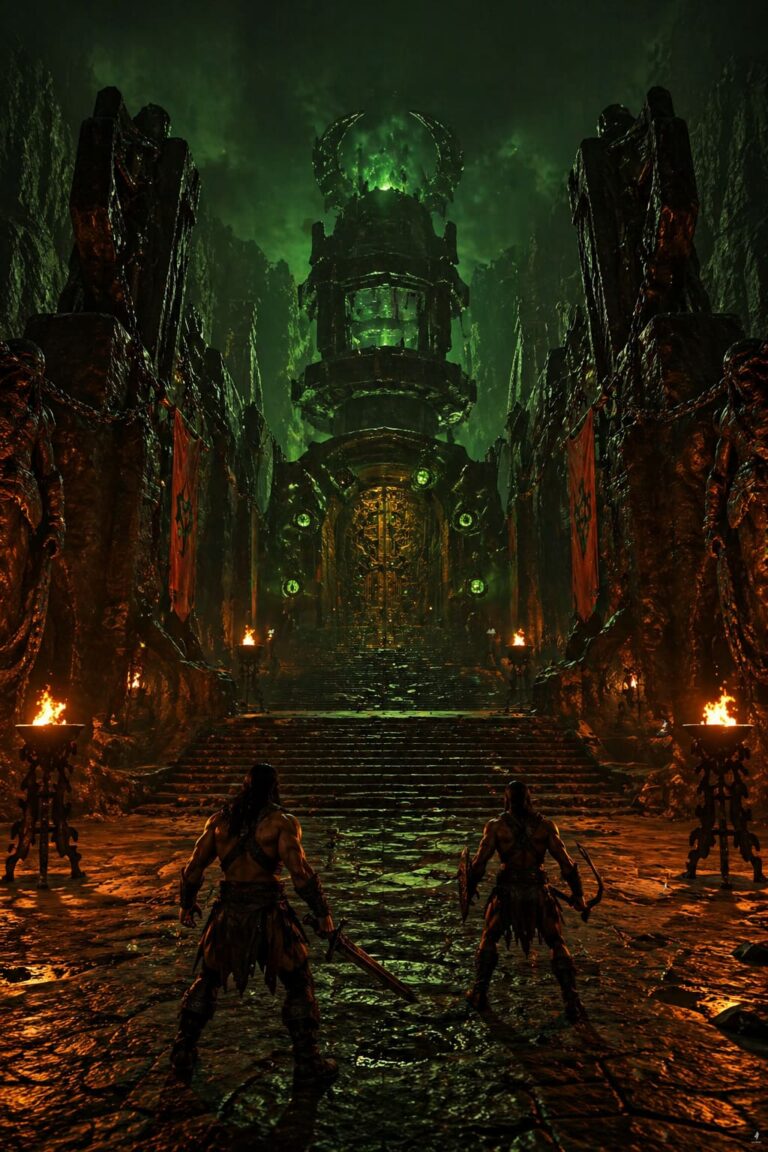
Norse: Oath of Blood – Settlement Management & Gear Crafting Guide
Forging a Viking Legacy: My Personal Strategy Guide to Thriving in NORSE: Oath of Blood
There’s something brutally satisfying about building a settlement where the wind howls through frozen fjords and every decision feels like it could mean life or death.

NORSE: Oath of Blood isn’t just another city-builder — it’s a test of foresight, grit, and your ability to think like a true clan leader. After spending hours shaping my own settlement from a fragile camp into a rising stronghold, I’ve learned that success here isn’t about speed — it’s about smart foundations and long-term vision.
(Discover more: Mewgenics Master Guide: Cleric vs Monk Comparison, Breeding 7-Star Stats, and Genetics Explained )
The First Winter Decides Everything
The early months are intense. When I started my settlement in Suthrvik, I made the classic mistake of expanding too quickly without securing the basics. In this game, shelter is survival. If your people freeze, they get sick. If they get sick, your economy collapses before it even begins.
Here’s what I now prioritize every time:
- Longhouses first. Always prepare for winter earlier than you think you need to.
- Stable food over risky food. Hunting gives great returns, but fishing keeps your people alive consistently.
- Smart storage placement. Granaries and warehouses should sit close to production sites. Travel time is the invisible enemy of productivity.
Efficiency in movement might not look exciting, but it’s the hidden mechanic that separates struggling settlements from thriving ones.
Wood, Stone, Iron — The True Power Trio
Every strategy game has core resources, but in NORSE: Oath of Blood, these three define your destiny.

Wood is king in the early game. I always over-invest in woodcutters at the start. It feels excessive at first, but when mid-game construction ramps up, that stockpile becomes priceless.
Iron changes everything. The moment you discover an iron deposit, treat it like sacred ground. Without iron, your warriors are under-equipped and vulnerable. With iron, you control the battlefield. Protect those mines with proper defenses — losing one can set you back dramatically.
And sometimes? It’s faster to raid than to grind. The raiding mechanics add a ruthless but practical layer to the strategy. Expanding through calculated aggression can be more efficient than passive growth.
(Discover more: Norse: Oath of Blood – Character Classes and Best Early Game Weapons Guide)
Designing Districts That Actually Work
Once your settlement grows, layout becomes more than aesthetics — it becomes strategy. Grouping buildings by purpose creates synergy that noticeably boosts output.
My go-to approach:
- Crafting clusters. Blacksmiths near iron storage and charcoal kilns drastically reduce hauling delays.
- Central Mead Hall. Morale radiates outward. A well-placed Mead Hall keeps nearby workers productive and loyal.
- Layered defenses. Don’t rely on a single wall. Use fjord terrain to create choke points, reinforce with palisades, and position watchtowers with clear sightlines.
The terrain isn’t just decoration — it’s a weapon if you use it correctly.
People Over Buildings
No matter how strong your walls are, your village stands or falls on morale. Managing your workforce feels surprisingly personal in this game.

I avoid locking every villager into permanent jobs. Keeping a handful of general laborers available has saved me countless times during storm repairs or after successful raids when there’s loot everywhere waiting to be hauled.
Winter preparation deserves its own warning label. Treat winter like a boss fight. I now stockpile at least 50% more food than calculations suggest. Low morale during harsh months can lead to desertion — or worse, unrest from within.
The council system (The Thing) adds depth I didn’t expect. Fair decisions build loyalty, and loyalty translates into stronger workers and fiercer warriors. It’s one of those subtle systems that quietly shapes long-term success.
From Settlement to Stronghold
Once food and housing are stable, the game opens up in exciting ways. Upgrading the longship dock changes the pace entirely. Bigger ships mean bigger raids, bigger rewards, and broader horizons.
If key resources are too far away, I’ve learned not to stretch my main settlement too thin. Instead, fortified outposts give you strategic control without risking overextension.
And don’t ignore wandering heroes in the Mead Hall. Some reduce building costs, others boost production — the right hero at the right time can accelerate your growth dramatically.
(Discover more: Norse: Oath of Blood PS5 Release Date & PC 4K System Requirements Revealed)
Forged in Steel: A Player’s Guide to Crafting Power in NORSE: Oath of Blood
There’s something deeply satisfying about watching your exile rise from nothing to power, and in NORSE: Oath of Blood, Gunnar’s journey feels personal. This isn’t just another Viking RPG where loot drops solve everything. Here, you earn your dominance through steel you personally commission, through workshops you rebuild from the ground up, and through smart decisions that shape every tactical, turn-based battle. If you love games where progression feels tangible, this crafting system will hook you fast.
(Discover more: REANIMAL Lore & Hidden Messages: A Deep Dive into Tarsier’s Twisted Purgatory)
The Heart of Crafting: Your Settlement Matters
What I genuinely appreciate is how tightly crafting is tied to settlement growth. You don’t just unlock legendary gear because you hit a level cap. You upgrade your Smithy, Armory, and specialized workshops, and that progression feels earned. Each building tier opens new recipes and stronger modifiers, making your village the true engine of power.
High-tier recipes aren’t handed to you either. You’ll find them by:
- Exploring hidden corners of Norway
- Looting rare chests after brutal encounters
- Trading with allied clans you’ve earned trust with
Material quality plays a massive role. Using Exquisite or Legendary grade resources drastically boosts weapon damage and armor protection. The difference isn’t minor — it can completely change the outcome of a shield wall clash.
If you own the Special Edition, the early access to Kievan gear gives you a noticeable advantage. It feels like a mid-game blueprint dropped right into your early campaign, especially if you prefer heavy frontline builds.
Best Weapon Recipes Worth Your Resources
Weapons define your combat style. Axes are practical and reliable, but swords? Swords are status, precision, and raw power combined. After multiple campaigns, here are the standouts I keep returning to:

Ulfberht Sword (Legendary Tier)
Recipe: Refined Crucible Steel + Leather Grip + Inscribed Pommel
This blade feels incredible in battle. Exceptional durability and armor penetration make it arguably the most balanced late-game sword for Gunnar. It’s historically inspired and mechanically devastating.
If you want consistency and power in one package, this is it. (Discover more: Legendary Weapon Optimization)
Dane Axe of the Usurper
Recipe: Heavy Iron Head + Oak Pole + Boar Hide Wrap
If you enjoy smashing through defensive formations, this axe delivers. Its cleave damage is brutal, and the high chance to sunder shields makes it a nightmare for enemy shield walls. It’s less refined than a sword, but sometimes raw force wins wars.
Gungnir-Inspired Spear
Recipe: Ash Wood + Silver-Inlaid Spearhead + Raven Feathers
This spear rewards tactical thinkers. The extended range and accuracy allow you to control engagement distance and land devastating first strikes. In turn-based encounters, positioning is everything, and this weapon turns smart placement into lethal advantage.
Armor That Defines Your Playstyle
Armor in NORSE: Oath of Blood isn’t just about stacking defense. Mobility matters. Movement points can determine whether you flank successfully or get surrounded.
Kievan War Armor (Heavy)
Recipe: Lamellar Iron Plates + Thick Wool Padding + Reinforced Leather Straps
This set is a fortress you can wear. It offers one of the highest defense ratings in mid-to-late game stages and strong resistance to slashing and piercing damage. Perfect for players who prefer leading from the front and absorbing punishment.
Shadow-Walker Tunic (Light/Medium)
Recipe: Cured Wolf Pelts + Linen Lining + Obsidian Studs
For scouts and flankers, this is gold. The bonus to stealth and evasion makes ambush strategies far more reliable. If you enjoy surgical strikes instead of brute force, this tunic supports that playstyle beautifully.
The Jarl’s Great-Helm
Recipe: Hardened Steel Mask + Chainmail Aventail + Gold Inlay
This helm isn’t just defensive gear — it’s symbolic authority. It prevents critical head hits and boosts your Leadership aura, strengthening nearby allies. In larger engagements, that passive buff can quietly swing entire battles.
Consumables: The Overlooked Edge
Too many players underestimate the Herbalist’s Hut. Crafting consumables can turn desperate raids into legendary victories.

- Berserker’s Brew: Made from Fly Agaric and Honey. It spikes damage and health temporarily, but at the cost of defense. High risk, high reward.
- Mead of Poetry: Crafted from rare berries and spring water. Boosts experience gains after battle, perfect for accelerating warband progression.
Smart use of buffs before initiating combat often matters more than slightly better armor stats.
Pro Tip: Maximize Every Roll
If you’re serious about optimization, push your Smith to maximum proficiency. The higher the crafting mastery, the better your modifier rolls. Community databases like Puy2DB can help identify exact material tiers needed to hit top-level attack and defense bonuses, especially Tier 1 modifiers.
At the end of the day, crafting in NORSE: Oath of Blood isn’t just a side system — it’s the backbone of your power. Every blade forged, every plate hammered into shape, every brew distilled contributes to Gunnar’s rise from exile to Jarl. And honestly, that hands-on progression is what makes this Viking RPG stand out in a crowded genre.
(Discover more: Best Early-Game Squad Weapons in MENACE: A Tactical Guide)