Solo Sorcery & Water Deaths: My 2026 Meta Build for Recovering Gear in Conan Exiles
Dying in Conan Exiles is never the problem. The real pain starts when your corpse decides to take a swim.
If you’ve spent any time in the Exiled Lands, you already know how it goes: one second you’re farming brimstone, the next you’re face-down in a river, watching your loot marker hover just out of reach beneath the water surface.
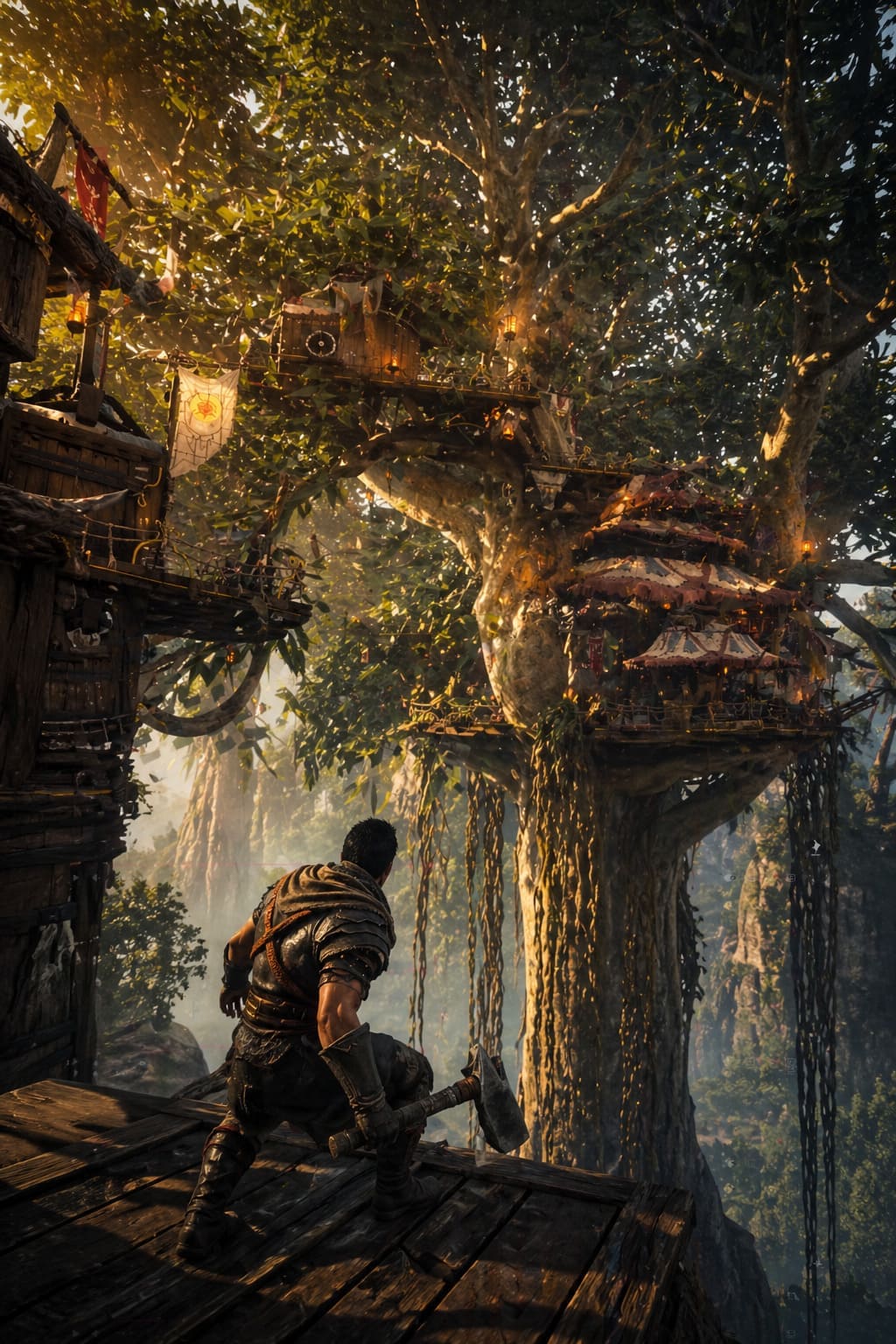
It’s one of those moments where the game feels less like brutal survival and more like a physics prank gone wrong.
As someone who’s spent way too many hours in survival sandboxes (and way too many of them retrieving bodies from inconvenient places), I’ve put together a practical, slightly battle-tested guide on how to recover items from underwater corpses in Conan Exiles—without losing your sanity in the process.
Pragmata Cabin Coins Farming Guide: Best Locations & Fast Rewards (2026)
Why Water Deaths Are So Annoying in Conan Exiles
Water in Conan Exiles is deceptively simple. It looks like a surface you can interact with, but under the hood it behaves like a layered system of collision checks, animation zones, and interaction blockers.
That’s why underwater loot recovery often fails:
– Interaction prompts don’t appear due to water-plane clipping
– Corpses fall slightly under terrain or riverbeds
– Loot markers render, but hitboxes don’t align
– Server lag can desync body position
– Deep water disables standard interaction ranges
In short: you can see your stuff, but the game refuses to let you touch it.
Method 1: Camera Positioning Trick (Best for Shallow Water)
This is the first thing I always try, and honestly, it works more often than it should.
How it works: Stand directly above your corpse marker and adjust your camera angle until you’re almost looking straight upward.
Steps:
– Position your character exactly on top of the marker
– Switch to third-person view
– Tilt your camera straight up
– Slowly rotate until the interaction prompt appears
Why it helps: The game sometimes recalculates interaction zones based on camera direction. It’s not elegant, but it can force the loot prompt to “snap” into existence.
If that fails, some players swear by lying down using an emote before trying again. It sounds ridiculous, but Conan has always rewarded ridiculous solutions.
Method 2: Foundation “Push” Technique
If your body is stuck under a riverbed or clipped into terrain, you can physically shove it loose.
What to do:
– Craft a simple sandstone foundation
– Try placing it directly over the corpse marker
– Watch for movement or displacement
What usually happens:
– The body gets pushed upward
– It pops to the surface
– It shifts onto shore or shallower ground
Think of it as using building mechanics like a giant awkward lever. It doesn’t always work, but when it does, it feels like you’ve outsmarted the entire engine.
Method 3: Harvest Instead of Looting
Sometimes the interaction system just refuses to cooperate entirely. When that happens, I switch approaches.
Instead of trying to loot the body, you destroy it.
How:
– Equip a pick or skinning knife
– Attack the corpse location underwater
– Wait for harvest/despawn behavior
Outcome: A loot bag may spawn, which often behaves differently than a body:
– Floats upward
– Has better surface interaction
– Avoids water-plane collision bugs
It’s not ideal, but it’s a solid backup when the game decides your corpse doesn’t exist anymore.
Method 4: Sorcery Retrieval (Endgame Solution)
If you’ve progressed into sorcery systems, this is the closest thing to a “get out of jail free” card.
Instead of physically retrieving your gear, you summon it.
What it requires:
– Access to sorcery mechanics
– Ritual setup (Circle of Power)
– Corpse tracking enabled
Why it’s powerful:
– Works across all terrain types
– Ignores water depth entirely
– Bypasses clipping and despawn issues
– Retrieves inventory directly to your base
Once unlocked, drowning stops being scary and becomes a minor inconvenience.
Method 5: Invisible or Missing Corpse Fix
Sometimes the problem isn’t the water—it’s rendering.
You see the marker, but the body itself is gone or invisible.
Fix attempts:
1. Relogging
– Exit to main menu
– Re-enter near the marker
– Forces world reloading
2. Chunk reset
– Run far enough to unload the area
– Return after a few seconds
– Rebuilds local assets
This doesn’t always work, but when it does, your corpse just “pops” back into existence like it was never missing.
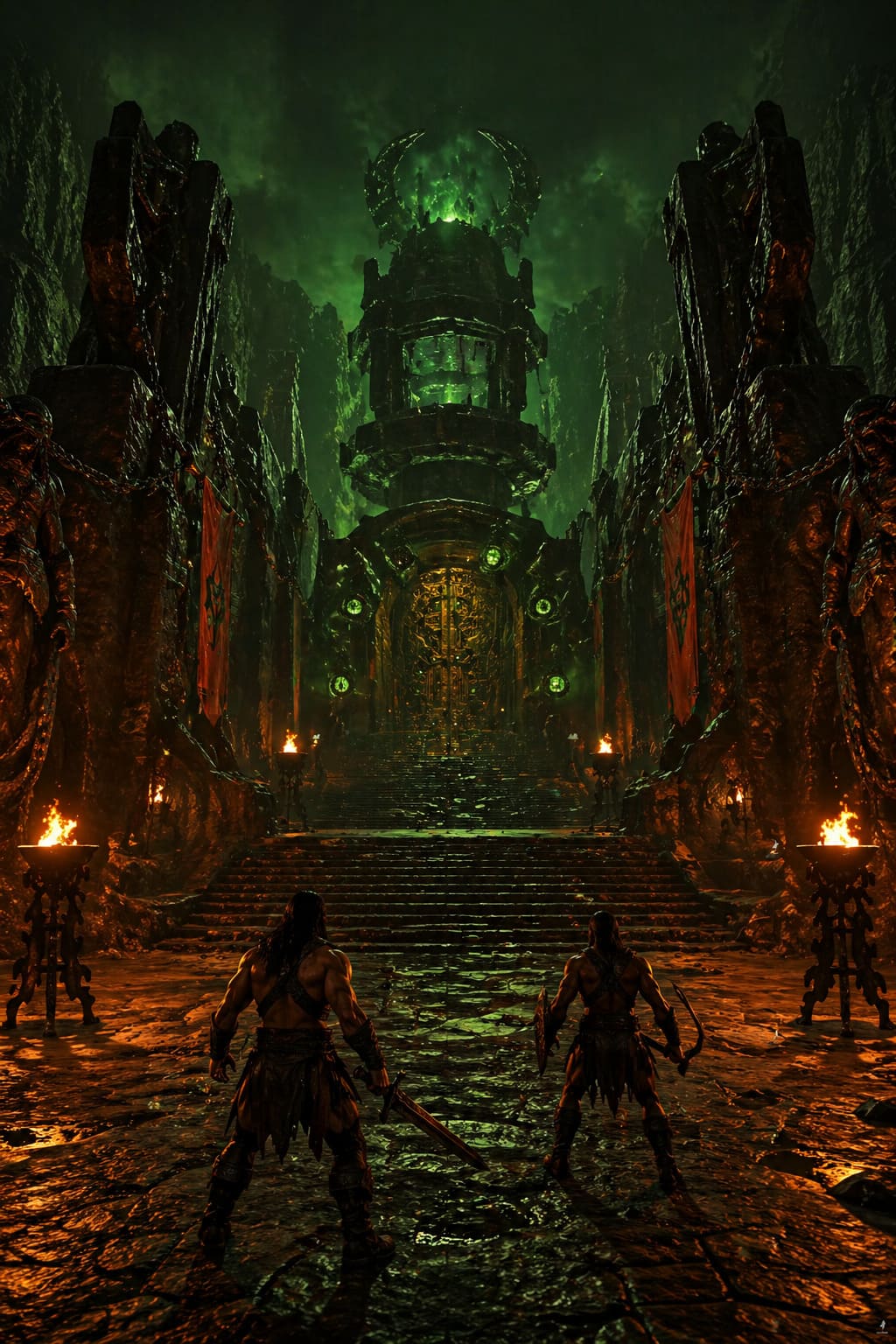
Recovery Methods Comparison
Method | Best Use Case | Difficulty | Reliability
Camera Angle Trick | Shallow water deaths | Easy | Medium
Foundation Push | Terrain-locked bodies | Easy | High
Harvesting Method | Broken interaction prompts | Easy | Medium
Sorcery Summon | Any situation (late game) | Hard | Very High
Relog / Reset | Missing corpses | Easy | Variable
Practical Survival Tips (From Someone Who Died Too Much Testing This)
After enough underwater retrieval attempts, you start changing how you play the game altogether.
🔹 Always prep before risky water zones
Place a bedroll nearby, clear escape routes first, and avoid overencumbered swimming.
🔹 Respect river currents
They can push bodies slightly off-grid, making recovery harder than expected.
🔹 Don’t wait too long
Corpses eventually despawn depending on server settings. Treat recovery like a timed mission.
🔹 Consider gear redundancy
In high-risk zones, bring backup tools instead of relying on one set.
Dark Arts & Steel: My 2026 Solo Sorcery Builds in Conan Exiles (A Personal Meta Breakdown)
I’ve always had a strange relationship with sorcery systems in survival games. Some players go full melee brute force, others prefer stealth archery, but in Conan Exiles the 2026 sorcery meta finally feels like something that sits in a dangerous but rewarding space.
After spending a lot of time testing builds in solo PvE dungeons, world bosses, and general survival play, I keep returning to three distinct approaches that actually feel meaningful rather than just “stat variations.” These are not just builds on paper—they genuinely change how you interact with the world.
1. Immortal Lich – The Build That Refuses to Die
This is the most stable solo sorcery setup I’ve used. It’s not about flashy damage or speed clears—it’s about consistency. If you want something that lets you push high-end content without constantly worrying about sudden deaths, this is the build that delivers that experience.
The core idea is simple: you fully embrace corruption, then patch its weaknesses with defensive mechanics that turn you into a surprisingly durable hybrid fighter.
Core Attribute Setup:
- Strength (20, corrupted): Primary melee damage source with strong burst scaling and corruption-infused attacks.
- Grit (20, clean): The defensive anchor of the build, heavily reducing burst damage and preventing sudden one-shots.
- Authority (20, corrupted): Followers become damage buffers and sustain tools, indirectly increasing survivability.
What makes this build work in practice is the synergy between Grit and Authority. Even though corruption reduces your total health pool, you effectively compensate through damage capping and follower mitigation. It creates a situation where you can survive hits that would normally end a run instantly.
Gear direction: Abyssal armor sets fit naturally here, paired with heavy melee weapons like the Black Heart Hammer. The playstyle is straightforward—stand your ground, trade hits, and let your defensive layers absorb mistakes.
2. Undead Legionnaire – The “Army Does the Work” Build
This build completely changes the pacing of solo play. Instead of being the main damage dealer, you become more of a commander controlling a battlefield of thralls, zombies, or elite followers. It feels slower but extremely safe and efficient for long sessions.
Core Attribute Setup:
- Authority (20, non-corrupted): Maximizes follower strength and reliability.
- Vitality (20, non-corrupted): Provides sustain and passive healing advantages during prolonged fights.
- Agility (15–20): Improves mobility and ranged positioning with bows.
The strength of this build comes from how little direct pressure is placed on the player. Your followers handle most engagements while you support them from mid-range, reposition, and clean up threats when needed. It is not fast, but it is incredibly stable for farming and exploration.
Equipment direction: follower-enhancing armor sets such as Skelos Cultist Master gear pair well with high-tier bows like the Reach of the Red Mother. The core gameplay loop revolves around maintaining 2–3 strong followers and letting them control combat flow.
3. Abyssal Juggernaut – Pure Corruption DPS
This is the most aggressive and high-risk sorcery build in the current meta. It is designed for players who already understand enemy patterns and want to maximize raw damage output. When executed correctly, it can melt bosses in seconds—but mistakes are punished heavily.
Core Attribute Setup:
- Strength (20, fully corrupted): Maximum damage scaling focused on burst melee output.
- Vitality (19, corrupted): Provides sustain and immunity to several dangerous status effects.
- Agility (threshold perks): Mobility and dodge efficiency for survival through movement.
This build thrives on aggression. You are constantly rolling, striking, and repositioning. The damage output is extremely high, but the margin for error is small. If you misread a boss attack, you will feel it immediately.
Gear direction: Abyssal equipment is essential here, especially heavy weapons like the Abyssal Maul. The entire build revolves around maximizing burst windows and staying mobile enough to avoid fatal hits.
Comparison Table – 2026 Solo Sorcery Meta
| Build | Identity | Best Use Case | Survival Mechanic |
|---|---|---|---|
| Immortal Lich | Tanky Hybrid | High-level dungeons | Damage cap via Grit |
| Undead Legionnaire | Summoner Support | Safe farming & exploration | Follower mitigation + sustain |
| Abyssal Juggernaut | Glass Cannon DPS | Boss melting / fast clears | Regen + status immunity |
What Actually Matters in Practice
After rotating between these builds extensively, a few consistent truths stand out. First, corruption is not just a damage boost—it fundamentally changes how you must think about survival. Without planning around reduced health pools, even strong builds feel fragile.
Second, followers are no longer optional in most sorcery setups. Even aggressive builds benefit from having backup entities that absorb damage or apply pressure. The Undead Legionnaire simply pushes this idea to its extreme.
Third, Grit is significantly more valuable than many players initially assume. Damage mitigation becomes more important than raw health once you reach high-tier content where enemies can delete poorly optimized builds instantly.
Finally, aggression has limits. The Abyssal Juggernaut is incredibly powerful, but it punishes impatience harder than almost any other setup in the game.
Final Thoughts
The 2026 sorcery meta in Conan Exiles feels healthier than earlier versions because it finally supports multiple viable identities instead of a single dominant build path. Each of the three archetypes here serves a different purpose and suits a different mindset.
The Immortal Lich is for stability and control. The Undead Legionnaire is for relaxed efficiency and safe progression. The Abyssal Juggernaut is for players who want raw speed and high-risk dominance.
Personally, I rotate between all three depending on mood and content. That flexibility is what makes sorcery feel like a real system rather than a gimmick. In the Exiled Lands, power is not just about numbers—it is about how your build handles mistakes, pressure, and chaos.