REANIMAL Lore & Hidden Messages: A Deep Dive into Tarsier’s Twisted Purgatory
REANIMAL, the latest masterpiece from Tarsier Studios, has been haunting our minds ever since its release. This isn’t just another spiritual successor to Little Nightmares—it’s a dark, twisted odyssey through trauma, war, and a distorted resurrection. After hours of diving deep into Reddit discussions, critical reviews, and uncovering the game’s many layers, it’s clear that REANIMAL is not just a game but an experience wrapped in mystery, emotional scars, and the fallout of a cursed resurrection.
Here’s my take on the game’s deep lore, hidden messages, and some secrets that might just make you think twice about the nature of trauma, reanimation, and the horrors that lie beneath.
1. The Reanimation Ritual: A Dark Pact with the Animal Kingdom
The title “REANIMAL” is more than just a clever wordplay—it’s the key to the entire narrative. A blend of “reanimate” and “animal,” this title speaks volumes about the fate of the game’s characters. The central theory is that the children—after a tragic accident involving their sister—attempted to resurrect her, but things went horribly wrong. The lamb’s sacrifice, in particular, backfired, merging her soul with the animal, and boom—the Sheep is born.
This failed ritual is the original sin in the game’s lore. It’s not just the characters we’re worried about—it’s what their actions have unleashed on the entire world.

2. The World War I Parallels: Scars of Human Conflict
Unlike the surreal, dreamlike world of Little Nightmares, REANIMAL is grounded in the brutal realities of a world shaped by human violence. The setting isn’t just eerie—it’s an emotional battlefield shaped by the aftershocks of war.
- Trench Warfare: The trenches in Chapter 7 and the exploding soldiers are direct callbacks to World War I, and the sheer chaos of it all is impossible to ignore.
- Governmental Experiments: The sterile hospitals and the seafaring military experiments hint at an island where grotesque, monstrous experiments went terribly wrong—hybridization of humans and animals.
It feels less like a fictional world and more like an uncanny version of our own reality, shaped by the trauma of a society on the brink.
3. The Coffins and the Secret Ending: “Friends Reunited”
Now, this is where things get chilling. REANIMAL has a secret ending that unlocks after collecting five hidden coffins scattered throughout the game. It’s not easy, but these coffins hold the game’s true, dark narrative:
| Coffin Location | Lore Clue |
|---|---|
| 1. Dead in the Water | The wrecked train car and a mass casualty event. |
| 2. After the Flood | A flood caused by the failed ritual. |
| 3. The Clock Tower | Time has stopped in this purgatory. |
| 4. No Shelter | Fallen soldiers and the creatures they became. |
| 5. The Spoils | The final piece of the pact—fate sealed. |
Upon collecting all the coffins, you unlock the post-credits scene—a chilling implication that the cycle of resurrection isn’t over. Even after the Brother’s attempt to fix things, the Sister remains fused with the monstrous animal identity. The trauma isn’t something that can be undone. It’s been reanimated, and it’s here to stay.
4. Visual Easter Eggs: Subtle Nods to Previous Games
Tarsier has always excelled in visual storytelling, and REANIMAL is no different. There are subtle references to their previous work, especially Little Nightmares. From raincoat textures that look eerily familiar to Six’s iconic look, to hidden suitcases in obscure places, these Easter eggs make us wonder: Is REANIMAL a part of the same universe?
Some fans have also pointed out the talking pig—who seems to speak in a distorted Orwellian manner. Could this be a man turned pig by the island’s curse, referencing the same themes found in Animal Farm? The lore is dense, and every detail counts.
5. Themes of Violence, Sacrifice, and Reanimation
So, what’s REANIMAL really about? To me, the most compelling theme is the violence of resurrection—the idea that bringing the dead back, especially when it’s against the natural order, only leads to monstrous consequences. The children didn’t just bring their sister back—they created something horrible. The curse of reanimation has made their friendship eternal, but it’s come at the cost of their humanity.
It’s a tragic exploration of grief, guilt, and the consequences of resurrection.
Is REANIMAL the True Successor to Little Nightmares? Here’s Why Fans Think So
The release of REANIMAL on February 13, 2026, has thrown the gaming community into a frenzy, sparking countless theories and discussions about its connection to Little Nightmares (LN). While Tarsier Studios has officially branded REANIMAL as a “spiritual successor” rather than a direct sequel, the eerie parallels between the two have many fans convinced that they’re part of the same twisted universe.
In this deep dive, let’s explore the REANIMAL vs Little Nightmares debate, the similarities and key differences, and why some gamers believe the two are secretly tied together.
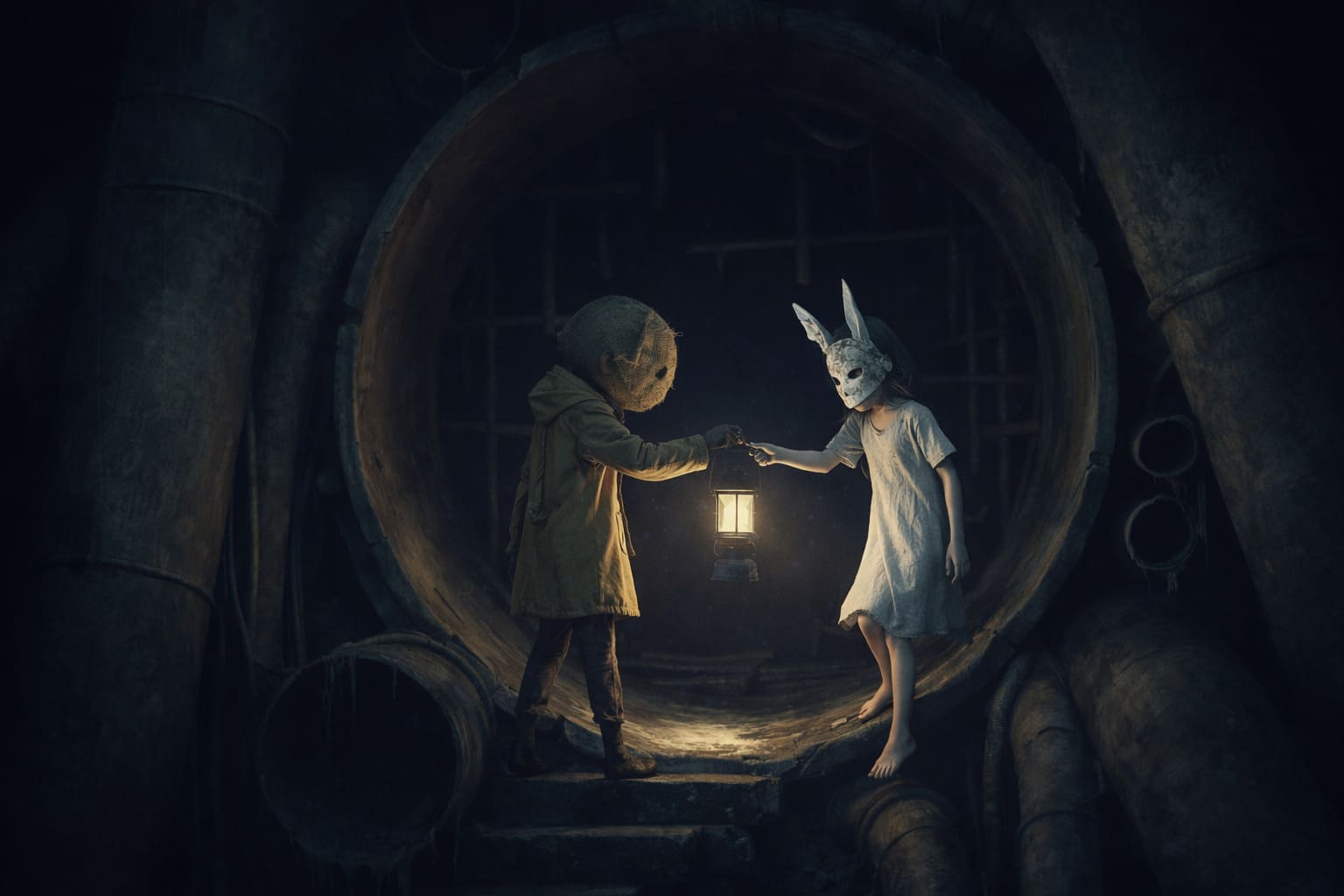
1. “Spiritual Successor” or a Little Nightmares Reboot?
After Tarsier Studios was acquired by Embracer Group and the Little Nightmares IP stayed with Bandai Namco, REANIMAL became their unfiltered vision of what Little Nightmares 3 could have been. Fans are calling it “the Little Nightmares 3 we deserved”—not only due to the shared DNA, but because of its darker, more mature tone.
Critics have noted that REANIMAL pushes the boundaries of the franchise’s established horrors, going into areas that Little Nightmares only hinted at. In essence, it’s like Little Nightmares grown up—darker, rawer, and more immersive.
2. Key Similarities: A Tarsier Signature
So what’s so familiar about REANIMAL? There are several unmistakable elements that remind us of the beloved Little Nightmares series:
- Protagonists That Hit Home: Like Little Nightmares, REANIMAL follows small, vulnerable children navigating a world built for giants. This time, it’s a brother and sister duo—mirroring the emotional dynamic of Little Nightmares 2.
- Atmosphere Over Dialogue: Both games shine in their use of environmental storytelling. Dialogue is sparse in REANIMAL, with much of the plot revealed through haunting visuals, grotesque creature designs, and the unnerving ambiance.
- The Episodic Horror: As with Little Nightmares, the gameplay in REANIMAL is split into distinct chapters where you’ll enter themed areas, face off against creepy monsters like “The Sniffer,” solve puzzles, and survive intense chase sequences.
3. What Sets REANIMAL Apart? The Evolution of Horror
While REANIMAL shares several core elements with Little Nightmares, it’s clear that this isn’t just a rehash. Tarsier has evolved the gameplay, pushing boundaries that will either make you applaud or recoil.
- Realism Meets Horror: If Little Nightmares felt like a warped fairy tale, REANIMAL takes a more grounded approach, set in a 20th-century reality. The children in REANIMAL feel “of this world” rather than from some abstract nightmare realm.
- Cinematic Scale: Unlike the fixed sideways camera of Little Nightmares, REANIMAL uses a dynamic camera that zooms and shifts to amplify the feeling of scale. Plus, you’ll now explore on vehicles, like boats or ice cream vans—adding new layers of immersion and tension.
- Co-Op Nightmare: While Little Nightmares 3 also features co-op, REANIMAL offers local couch co-op (with shared screen) that feels tailor-made for this type of horror, letting you experience the terror with a friend beside you.
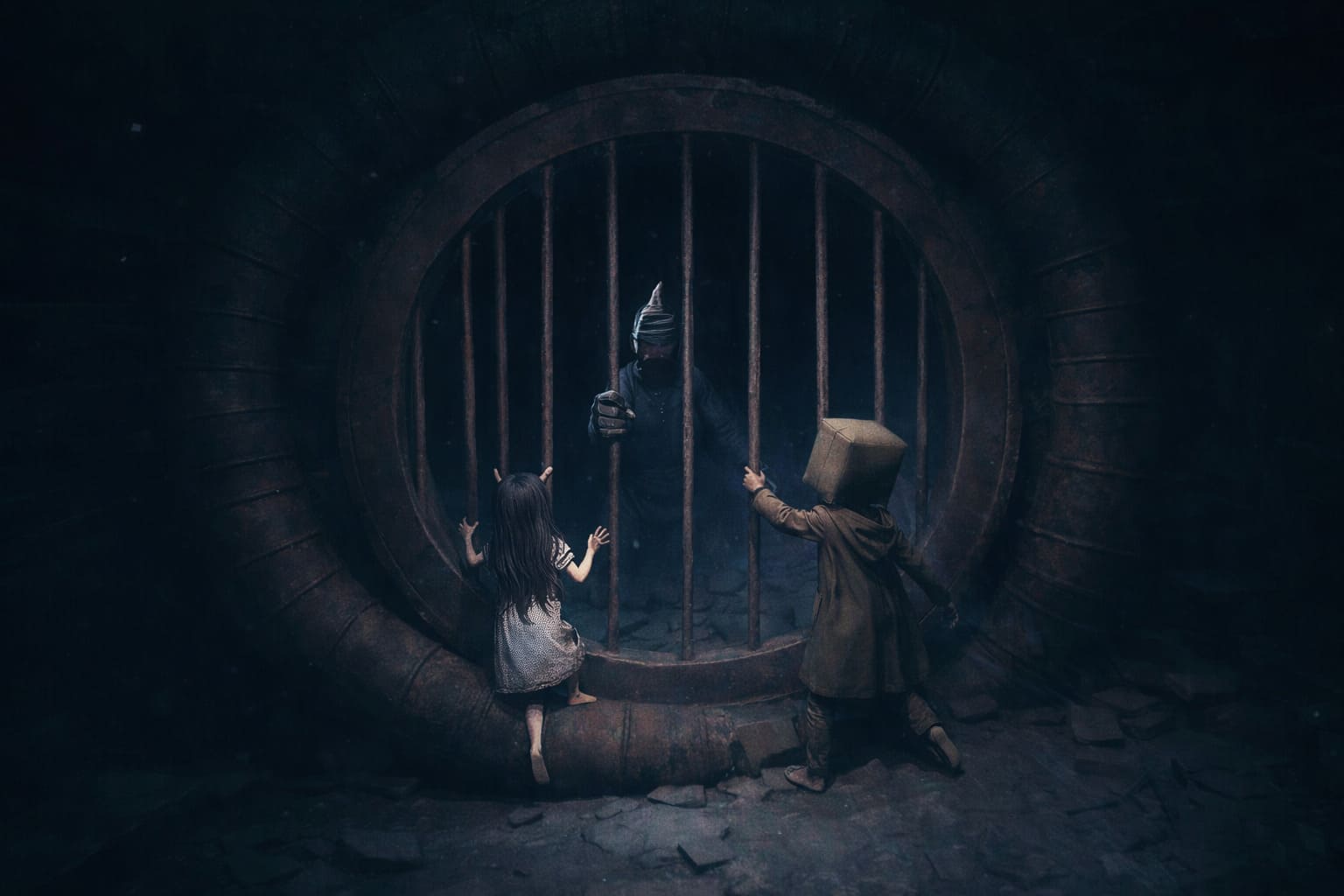
4. Fan Theories: Are They in the Same Universe?
The fan community has gone wild with theories about a potential shared universe between REANIMAL and Little Nightmares. The leading theory suggests that both games exist in the same metaphysical dimension, often referred to by fans as The Nowhere.
- The Metaphysical Link: Both games share surreal, Lynchian dreamscapes that seem to bend reality. Some believe the horrors in both games come from different corners of the same hellish dimension, each affected by its own malevolent force.
- Distorted Cities: A popular theory suggests the ghostly children in REANIMAL are linked to the “glitched remains” in the Pale City from Little Nightmares 2. The comparison between the two suggests they might be warped versions of the same victims trapped in different locations.
- Hidden Easter Eggs: Fans have also started searching for subtle references—like specific masks or strange silhouettes—that could hint at a deeper connection between the two universes.
How to Fix Resident Evil Requiem Crashing on PC, Optimize RE Engine for PC: Troubleshooting Guide
5. Which One Should You Play?
Here’s a quick breakdown of what each game offers, so you can make an informed decision:
| Feature | REANIMAL | Little Nightmares |
|---|---|---|
| Developer | Tarsier Studios (Original Creators) | Tarsier (1 & 2), Supermassive (3) |
| Tone | Darker, More Mature, Visceral | Grotesque, Fairy-Tale-esque |
| Dialogue | Sparse Voice Acting | Silent, Minimal |
| Co-op | Local & Online | Online Only (in LN3) |
| Rating | Likely M (Mature) | T (Teen) |
Overall, REANIMAL is shaping up to be the game for those looking for a pure Tarsier experience—dark, atmospheric, and challenging. However, for those loyal to the specific lore of Little Nightmares, Little Nightmares 3 (developed by Supermassive Games) remains the go-to choice.
Conclusion: A New Era for Tarsier
REANIMAL is a game that demands to be unpacked. It’s a dark, horrifying tale of resurrection gone wrong, but it’s also a commentary on how trauma shapes us. The game is viscerally emotional, and each moment reflects the pain of those trying—and failing—to undo their past.
For fans of psychological horror and gripping narratives, REANIMAL is more than just a game—it’s a journey through a nightmare that stays with you long after the credits roll. Whether it’s the broken rituals, the scars of war, or the horrific implications of reanimation, Tarsier has crafted something truly unforgettable.
Whether REANIMAL is truly part of the Little Nightmares universe or a fresh standalone entry, one thing’s for sure: Tarsier Studios has delivered a new chapter in horror gaming that fans will be talking about for years. With its unsettling atmosphere, mature themes, and co-op mechanics, REANIMAL feels like the next logical evolution of the studio’s signature nightmare-fuel storytelling.
Will we ever get a definitive answer on the REANIMAL and Little Nightmares connection? Only time will tell. But until then, I’m diving headfirst into this disturbing world, with one question on my mind: Where does the nightmare end?