Moonlight Peaks Money Tips I Wish I Knew Earlier: What’s Actually Worth Selling and What You’ll Regret Losing
If there’s one lesson I learned after spending far too many late nights wandering the forests of Moonlight Peaks, it’s this: making money is easy—keeping yourself from making expensive mistakes is the hard part.
At first, I treated the shipping bin like a garbage can. Anything I picked up went straight inside because I wanted enough Monboys to buy seeds, decorate my haunted farmhouse, and unlock better equipment as quickly as possible.
A few in-game weeks later, I realized I’d sold half the materials I desperately needed for crafting.
That experience completely changed how I approached the game. Instead of selling everything, I started thinking like an actual vampire farmer: every resource has a purpose, and sometimes the cheapest-looking item becomes the most valuable one several nights later.
If you’re trying to build your fortune without constantly running out of crafting materials, here’s the strategy that worked best for me.
Understanding Moonlight Peaks’ Economy
Unlike many cozy farming games where almost everything can eventually be farmed in huge quantities, Moonlight Peaks asks you to make choices.

Early on, your energy and mana are limited. Every swing of your axe, every mining trip, and every spell has an opportunity cost.
That means your nightly routine should always answer one simple question:
Will this item make me more money later, or should I sell it now?
The players who become rich fastest aren’t necessarily harvesting the biggest farms—they’re simply making smarter decisions about inventory.
The Best Things to Sell During the Early Game
When you’re just starting, cash is much more valuable than having dozens of random items sitting in storage.
Here are the resources I never hesitate to ship during my first several nights.
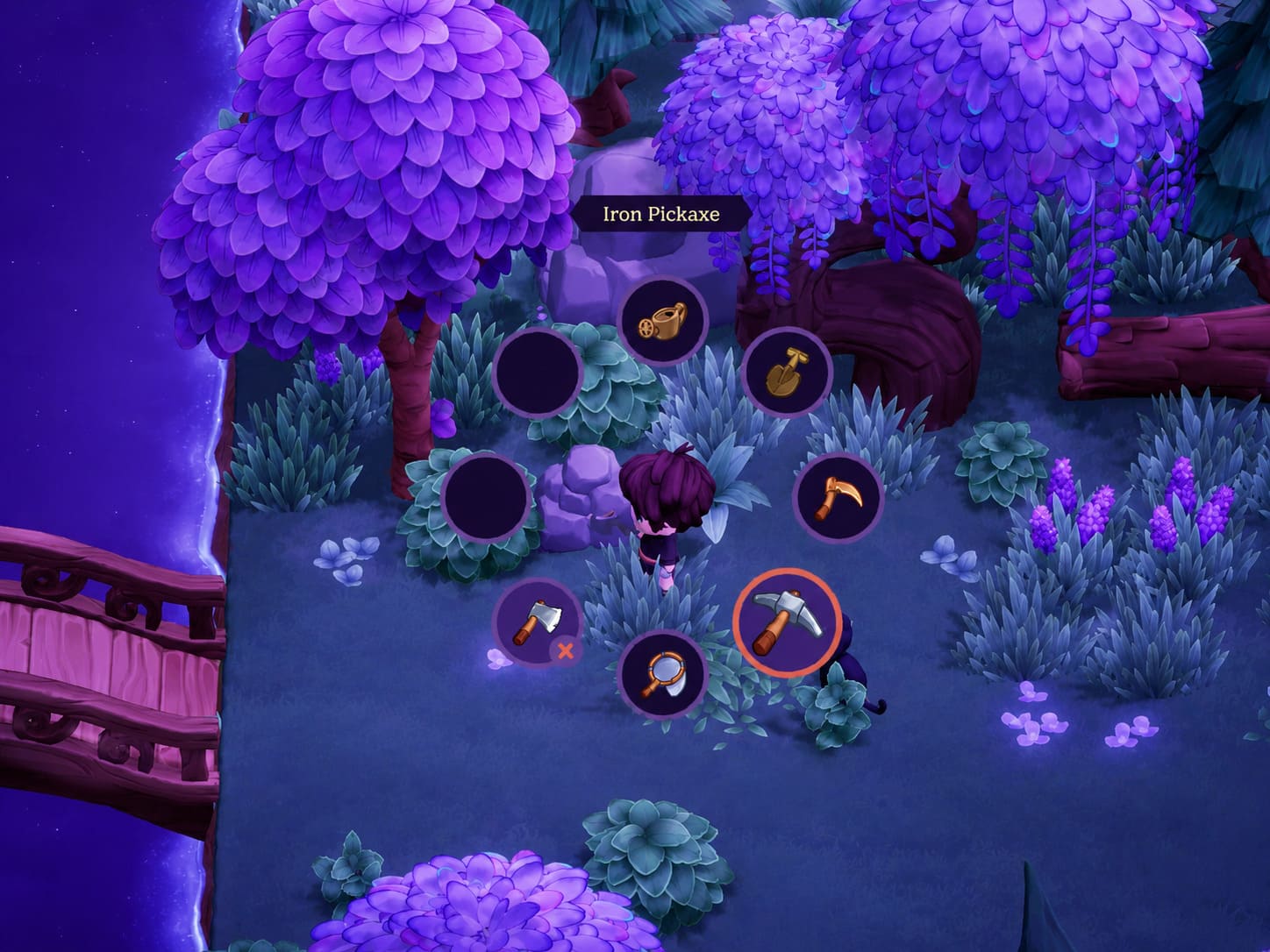
1. Seashells Are Practically Free Money
If you’re ignoring the beach, you’re leaving easy profit behind.
Seashells require:
- no tools
- no mana
- no energy
- almost no risk
You simply walk along the shoreline collecting everything you find before heading home.
Because they respawn consistently, they become one of the safest early-game income sources available.
For brand-new players, this is probably the fastest way to build enough money for better seeds.
2. Common Wild Flowers
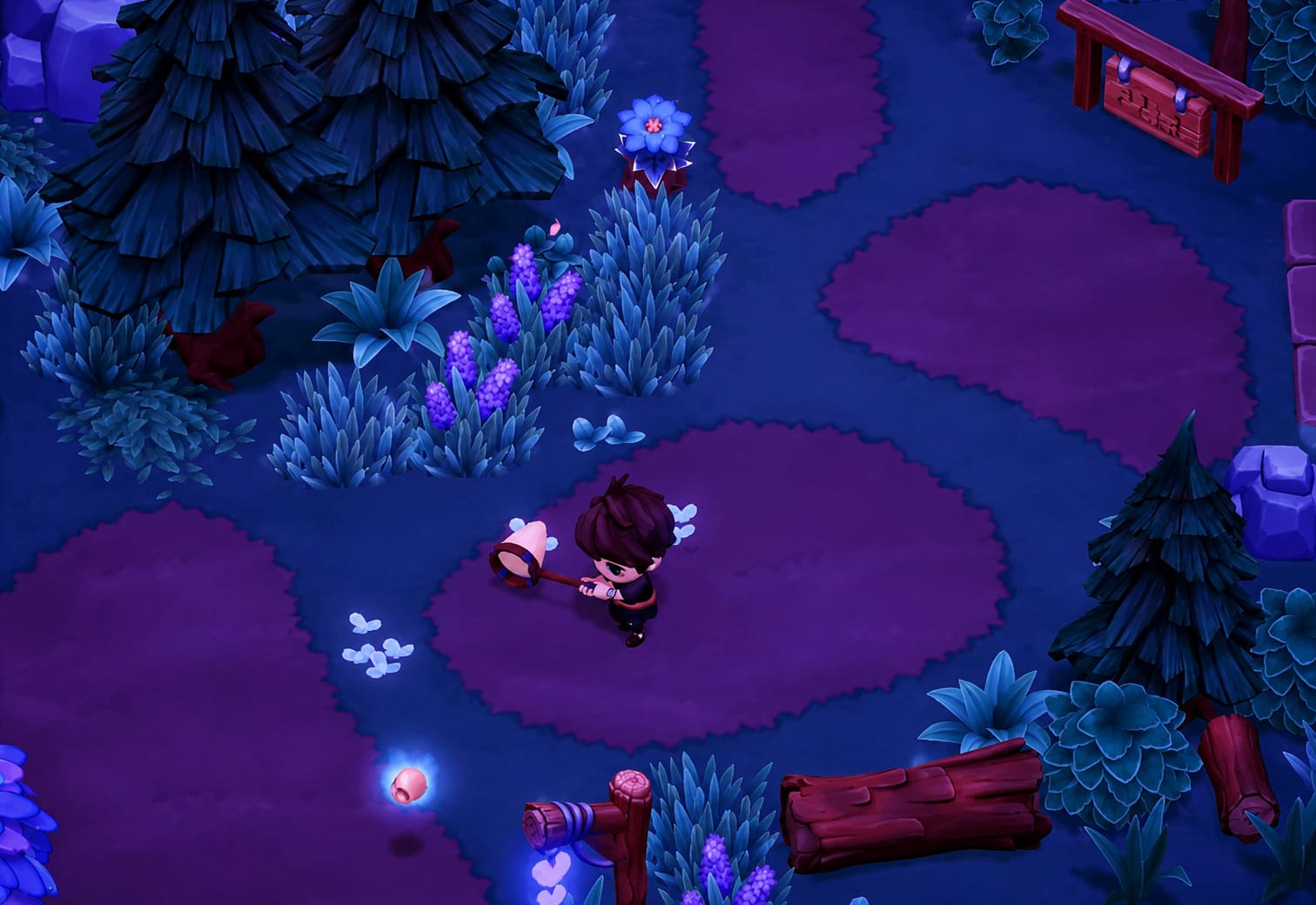
Flowers scattered throughout the map are another fantastic source of early income.
I usually keep a few in storage just in case they’re needed later, but everything beyond that gets sold.
They’re easy to gather while exploring, so it never feels like you’re wasting time specifically farming money.
3. Low-Value Fish
Fishing isn’t always everyone’s favorite activity, but it pays surprisingly well.
The trick is simple:
- keep anything obviously rare
- sell common catches
- use leftover nightly energy for fishing instead of wandering aimlessly
Even average fish can generate a surprisingly stable income over multiple nights.
4. Basic Mushrooms
The forests contain plenty of common mushrooms.
Unless they’re part of a recipe you already know you’ll need soon, they’re excellent shipping bin material during the early stages.
They’re abundant enough that selling extras rarely hurts your long-term progress.
The Biggest Selling Mistakes Beginners Make
This is where I personally made several painful mistakes.
Some resources look ordinary, but they’re actually future bottlenecks.
Once you begin upgrading buildings and crafting advanced equipment, you’ll wish you’d kept them.
Never Sell Construction Materials
Wood disappears much faster than you expect.
Logs, hardwood, and even simple twigs become essential for:
- crafting furniture
- building decorations
- farm expansion
- production machines
- structural upgrades
The same goes for stone and clay.
Mining them later specifically because you’re out is far less enjoyable than simply storing them from day one.
Magical Herbs Become More Valuable Later
Many herbs don’t look especially valuable when you first collect them.
That’s misleading.
Several eventually become ingredients for stronger potions and magical recipes that sell for significantly higher prices than the raw plants themselves.
Whenever I discover an uncommon herb now, it immediately goes into storage.
Selling it almost never feels worth it.
Monster Materials Should Stay in Storage
Anything earned from dangerous areas immediately raises a red flag for me.
Rare monster drops often end up required for:
- quests
- upgrades
- magical research
- tool improvements
- advanced crafting
Replacing them later usually takes much longer than the money you earned by selling them.
My Personal Rule for the Shipping Bin
After dozens of nights playing, I settled on a very simple rule.
| Sell | Keep |
|---|---|
| Seashells | Wood |
| Common flowers | Stone |
| Common mushrooms | Clay |
| Cheap fish | Rare herbs |
| Extra crops | Monster drops |
| Duplicate forage | Crafting materials |
Whenever I’m unsure, I ask myself:
“Can I easily replace this tomorrow?”
If the answer is yes…
I sell it.
If not…
It stays in storage.
That single habit has probably saved me thousands of Monboys over the course of a playthrough.
Processing Goods Is Where the Real Money Starts
One of the biggest turning points comes when you stop selling raw materials.
Instead, start processing them.
This completely changes your economy.
Rather than thinking:
Harvest → Sell
You begin thinking:
Harvest → Process → Sell
The difference in profits becomes noticeable surprisingly quickly.
For example, turning raw fibers into cloth is significantly more rewarding than dumping the fibers directly into the shipping bin.
The downside is time.
Machines work slowly.
That’s why I eventually stopped building just one processor.
Build Multiple Production Stations
One production machine is convenient.
Three or four feel transformational.
While one machine works on today’s materials, the others prepare tomorrow’s profits.
Eventually your crafting area becomes a small factory quietly producing valuable goods every night while you’re busy exploring or farming elsewhere.
It’s one of the best long-term investments available.
High-Value Crops Should Become Your Main Business
The beginner crops help you survive.
The premium crops help you become rich.
As your seed selection expands, start replacing low-profit plants with varieties that:
- produce multiple harvests
- sell for higher prices
- fit seasonal demand
- contribute to profitable recipes
This is where planning ahead becomes much more important than simply planting everything available.
A smaller field of expensive crops often outperforms a massive field of basic vegetables.
Don’t Ignore Magic
One thing that makes Moonlight Peaks feel different from many farming simulators is how closely magic ties into farming efficiency.
Growth spells dramatically reduce waiting time.
Instead of treating mana as something only used in combat or exploration, think of it as an investment.
Every spell that shortens production time potentially increases your nightly profits.
Of course, mana isn’t unlimited.
Because of that, I usually save my strongest spells for my highest-value crops instead of wasting them on inexpensive harvests.
That balance tends to generate the best overall returns.
Community Requests Can Be Surprisingly Lucrative
For a long time I ignored the town request board.
Big mistake.
Many requests pay considerably better than simply selling the requested item yourself.
On top of the extra money, you often receive relationship progress with local residents.
That’s a nice bonus because stronger friendships frequently unlock additional gameplay opportunities.
Whenever I begin a new evening, checking the request board has become part of my regular routine.
It only takes a few seconds and sometimes leads to some of the highest payouts available that week.
My Typical Nightly Routine
Everyone eventually develops their own rhythm, but this sequence has worked extremely well for me.
- Collect beach forage on the way into town.
- Check community requests.
- Harvest mature crops.
- Replant valuable seeds.
- Process materials before selling anything.
- Spend remaining energy fishing or gathering forage.
- Empty the shipping inventory before ending the night.
Nothing here is particularly complicated.
The consistency is what makes it effective.
Quick Money Priorities
| Stage | Main Goal | Best Income |
|---|---|---|
| Early Game | Build starting capital | Seashells, flowers, mushrooms, common fish |
| Mid Game | Expand production | Processed materials, better crops |
| Late Game | Maximize efficiency | Premium crops, magical farming, community requests |
Final Thoughts
One of my favorite things about Moonlight Peaks is that becoming wealthy never feels like grinding for the sake of grinding.
Instead, success comes from learning the game’s rhythm.
Sell the items that are easy to replace.
Protect the resources that become valuable later.
Invest in production instead of chasing quick profits forever.
And don’t underestimate the value of a well-organized storage chest.
Looking back, I probably earned plenty of Monboys during my first few nights—but I also wasted just as many by selling materials I would eventually spend hours trying to replace.
If you’re starting a fresh save, avoid that mistake. A little patience early on makes the rest of your vampire adventure far more rewarding, and your future self will thank you every time a crafting recipe asks for materials you already have waiting in storage.