Living with the Curse: Silver Poisoning Survival Guide & Systems That Actually Work
There are games where status effects are just numbers on a screen, and then there are games like Blood of Dawnwalker, where something like silver poisoning feels less like a mechanic and more like a life condition you’re stuck learning to live with.
Playing Coen in the grim 14th-century world of Vale Sangora is not about “curing” silver poisoning in the traditional sense.
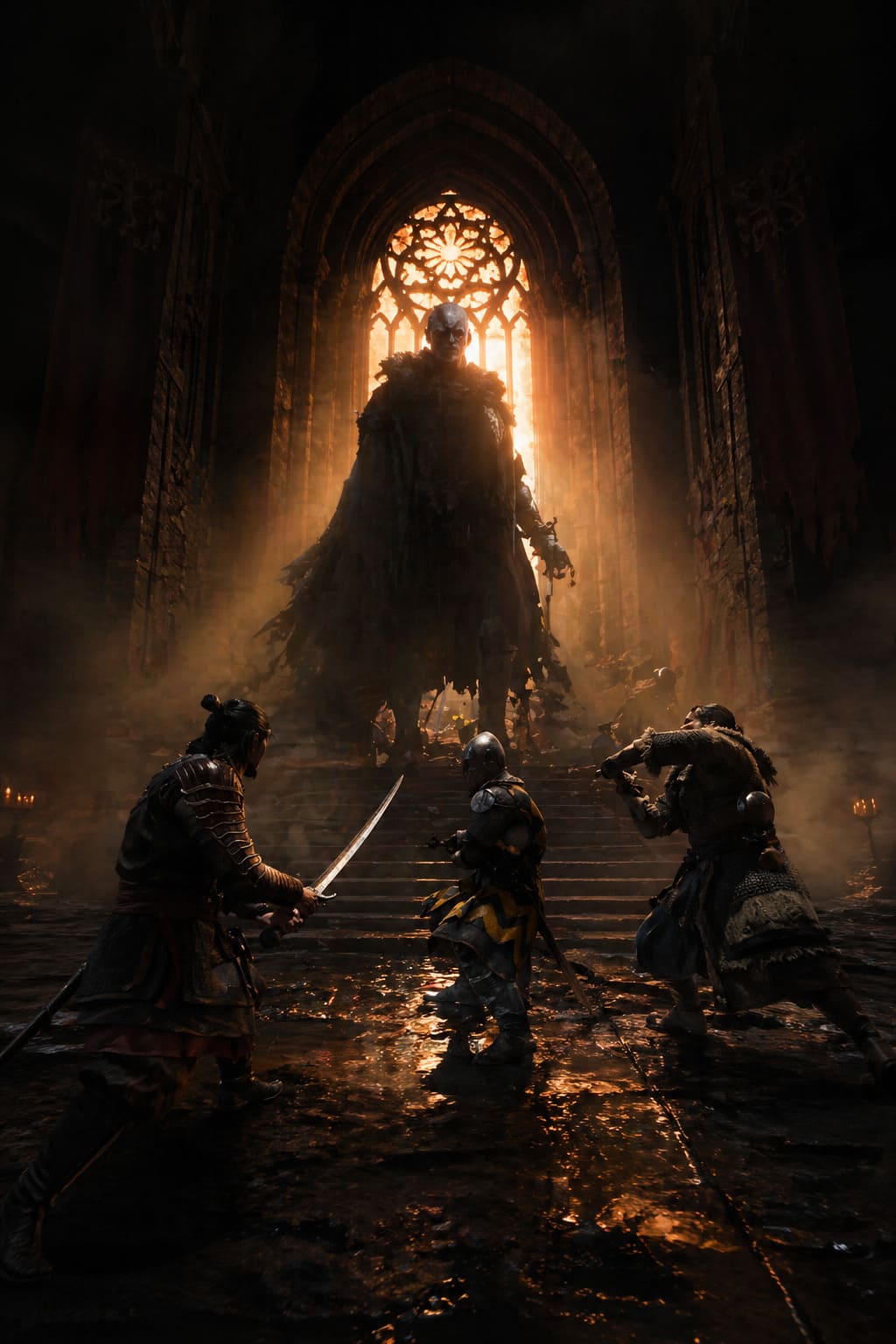
It’s about managing a permanent contradiction: you are both human and something far less human, and the silver running through your system is the thing holding that fragile balance together.
After spending time with the game’s systems, I stopped thinking of silver poisoning as a debuff and started treating it like a second character constantly sitting in the room with me.
Windrose Cooking Guide 2026: Best Stamina Regeneration Recipes for Max Endurance
Silver Poisoning Is Not a Curse You Remove—It’s a System You Survive
One of the most important misunderstandings new players might have is assuming silver poisoning is something you eventually “fix.” You don’t.
Instead, it acts as a structural mechanic that defines Coen’s existence:
- It stabilizes his human side during daylight
- It prevents full vampiric transformation
- It constantly weakens his physical performance
- It forces long-term planning across a 30-day narrative limit
That last point matters more than it first seems. The game doesn’t just want you to survive fights—it wants you to constantly decide what kind of survival matters more: immediate strength or long-term control.
There were moments when I genuinely hesitated before using healing items, not because I lacked them, but because managing silver poisoning felt like walking a tightrope that resets every time you act recklessly.
The 30-Day Pressure: Why Time Feels Like a Resource, Not a Story Timer
The entire structure of Blood of Dawnwalker is built around a 30-day and 30-night cycle. On paper, that sounds like a typical survival constraint. In practice, it reshapes how you approach everything.
Silver poisoning doesn’t directly end your run, but it quietly influences how effective you are within that limited timeframe.
You start prioritizing:
- Which NPCs are worth speaking to
- Which quests are worth the time cost
- When to rest versus when to push forward
- Whether combat is even necessary in certain situations
It becomes less about “winning fights” and more about not wasting days recovering from avoidable mistakes.
Day vs Night: Two Characters, One Body
The dual nature of Coen is where silver poisoning really starts to feel meaningful.
During the Day: The Fragile Human Phase
Daylight Coen is where silver poisoning is most noticeable. He feels slower, more limited, and far more dependent on preparation.
Key constraints include:
- Reduced stamina recovery
- Limited combat endurance
- Health-based cost for Hex abilities
- Greater reliance on consumables
This is when I found myself playing cautiously, almost like I was managing an injured character rather than a heroic one.
At Night: The Controlled Monster Phase
Night flips the system. The vampiric side takes over, and silver poisoning becomes less of a burden and more of a background condition.
At night:
- Blood becomes your primary resource
- Abilities recharge through feeding
- Mobility and stealth open up
- Aggression becomes a viable strategy
But there’s a catch: ignoring hunger is dangerous. The game doesn’t punish you with abstract penalties—it lets Coen lose control. That alone changes how you approach feeding.
I learned quickly that treating nighttime as “free power mode” is how you end up accidentally destroying your own questline progression.
So Can You Actually “Cure” Silver Poisoning? Not Really—but You Can Manage It
The game gives you tools, but not solutions. Everything is about mitigation rather than removal.
1. Consumables & Alchemy
Crafting plays a major role in keeping Coen functional.
You’ll rely on:
- Medicinal tinctures for temporary relief
- Food-based healing items for stamina recovery
- Alchemical boosts that reduce immediate strain
It’s not glamorous gameplay. It’s survival maintenance. I started thinking of my inventory less like loot and more like emergency stabilization kits.
2. Blood as Night-Time Recovery
Blood feeding is the most direct counterbalance to daytime weakness, but it comes with moral and mechanical consequences.
- Restores health
- Recharges abilities
- Risks narrative consequences if overused or uncontrolled
What I liked here is that feeding never feels purely optimal. Even when it helps, it carries weight.
3. Shared Skill Tree Optimization
If there’s one system that quietly saves you, it’s progression.
The shared skill tree is where silver poisoning becomes manageable over time. Instead of eliminating it, you reduce its impact.
Useful upgrades include:
- Passive resistance to debuffs
- Reduced HP cost for Hex abilities
- Improved resource efficiency
- Better night/day transition stability
This is where the game starts rewarding long-term planning rather than reactionary play.
4. NPC Medical Support
There are also Medics in major hubs like Svartrau who can help you reset or rebalance your build.
They’re not a “fix everything” button, but they’re useful when you’ve clearly built yourself into a corner.
Think of them as system recalibration rather than healing services.
Practical Survival Strategy (What Worked for Me)
After multiple cycles, I settled into a rhythm that made silver poisoning feel less punishing:
Daytime priorities
- Complete dialogue-heavy quests early
- Avoid unnecessary combat
- Use Hexes sparingly
- Stock consumables whenever possible
Nighttime priorities
- Feed strategically (don’t overdo it)
- Explore dangerous zones
- Use mobility tools like stealth or traversal abilities
- Avoid breaking quest-critical NPC chains
Big mistake to avoid
Trying to play both phases the same way. That’s where most failures happen.
Quick System Breakdown Table
| System Element | What It Does | Player Impact |
|---|---|---|
| Silver Poisoning | Stabilizes dual nature | Limits combat efficiency |
| Day Cycle | Human weakness phase | Resource management focus |
| Night Cycle | Vampire empowerment phase | Aggressive gameplay options |
| Blood Feeding | Night healing system | Risk vs reward mechanic |
| Skill Trees | Long-term progression | Reduces system pressure |
Why Silver Poisoning Actually Works as a Design Choice
What surprised me most about Blood of Dawnwalker is that silver poisoning doesn’t feel like an obstacle to remove—it feels like the game’s identity.
A lot of RPGs give you power progression that smooths everything out over time. This game doesn’t fully do that. Even late into progression, you still feel the tension between human fragility and vampiric power.
And honestly, that tension is what makes it memorable.
You don’t “beat” silver poisoning. You learn how to live with it, optimize around it, and occasionally accept that survival sometimes means choosing the less efficient option just to keep the narrative intact.
That’s not just a mechanic. That’s the entire tone of the game.
Silver Poisoning in Blood of Dawnwalker: A Survival-Focused Player’s Guide to Living with the Curse
I’ve played enough dark RPGs to expect curses, debuffs, and “you’ll regret this later” mechanics—but Blood of Dawnwalker does something more interesting with its Silver Poisoning system. It doesn’t just punish you. It reshapes how you think about every hour of gameplay.
You’re not simply managing health bars here. You’re managing time, identity, and survival under pressure, all wrapped around Coen—a man who exists somewhere between human and vampire, never fully safe in either state.
And honestly? That’s what makes it fun.

What Silver Poisoning Really Means in Gameplay
At first glance, Silver Poisoning sounds like a classic “anti-vampire weakness” mechanic. But in practice, it behaves more like a permanent survival constraint baked into your entire playthrough.
Coen’s past as a silver miner isn’t just lore dressing—it explains why his body is permanently unstable after a failed transformation. Instead of turning into a full vampire, he becomes something in-between: a Dawnwalker.
But that balance comes at a cost.
Core Effects of Silver Poisoning:
Reduced maximum stamina during daytime
HP drain when using powerful abilities (Hexes)
Weakened recovery outside of rest mechanics
Increased risk during extended surface exploration
Long-term pressure from the 30-day narrative timer
It’s not just a debuff—it’s a constant reminder that Coen’s survival is temporary.
Is There a Real Cure? (Short Answer: No, and That’s the Point)
If you’re expecting a traditional “cure silver poisoning” questline where you drink a legendary potion and move on—you won’t find it here.
And honestly, that’s a good design choice.
Removing the poisoning would also remove the tension that defines Coen’s identity. Instead, the game treats it as something closer to a controlled condition, not a fixable disease.
So instead of curing it, your real goal becomes:
Learning how to live with it without collapsing under its pressure.
That shift in mindset is what separates new players from experienced ones.
How to Survive Silver Poisoning: Core Systems That Matter
After spending time in Blood of Dawnwalker, I stopped thinking in terms of “fixing” the condition and started thinking in systems. There are four pillars that actually matter.
1. Alchemy & Temporary Stabilization
The alchemy system is your first real safety net.
You’re not brewing cures—you’re buying time.
Useful Alchemical Tools:
Blood Tinctures – temporarily stabilize stamina and reduce fatigue
Purifying Draughts – reduce short-term debuff intensity
Herbal Mixes – extend exploration time during daylight
Medic Services – paid resets of negative combat modifiers
There’s something ironic about paying for healing with silver—the very thing poisoning you. That contradiction is intentional and honestly pretty clever.
2. Nighttime Gameplay = Your Real Advantage
If daytime is survival mode, nighttime is where you actually feel powerful.
This is where Coen becomes something closer to a predator than a survivor.
Night Actions That Matter:
Feeding on enemies or animals to sustain abilities
Unlocking traversal routes using vampire mobility
Clearing dangerous zones before daytime exposure
Building momentum for the next cycle
What I learned quickly is this: If you waste the night, you suffer the day.
It’s a loop the game constantly reinforces.
3. Skill Tree Strategy (Don’t Spread Yourself Too Thin)
One of the biggest mistakes new players make is trying to “balance” everything.
Don’t.
You’re better off leaning into survivability than versatility early on.
Recommended Focus Areas:
High Tolerance (Passive): reduces Hex HP cost
Stamina Efficiency Nodes: extends combat duration
Feeding Optimization Skills: improves night sustain
Stealth Movement Enhancements: reduces daytime exposure risk
The game punishes unfocused builds because silver poisoning already limits your margins for error.
4. Gear Choices: Light Wins the Long Game
Heavy armor looks tempting. It always does in RPGs.
But here? It’s a trap.
You’re already stamina-starved due to poisoning, so stacking weight just makes survival harder.
Better Equipment Philosophy:
Light Leather: High effectiveness, preserves stamina economy
Cloth Wraps: Medium effectiveness, boosts mobility and stealth
Heavy Armor: Low effectiveness, exhausts limited resources
Silver-Resistant Charms: High effectiveness, slows debuff impact
One early-game item worth noting is a moon-themed charm that slightly stabilizes regeneration cycles. It won’t save you, but it buys breathing room.
Gameplay Reality: Time Is the Real Enemy
The 30-day structure completely changes how you think about progression.
You’re not just leveling up—you’re racing decay.
That’s why optimization matters more than exploration for its own sake.
Time Management Priorities:
Unlock fast travel early (night exploration helps here)
Avoid silver-heavy zones unless prepared
Plan daytime movement carefully—never waste it wandering
Use nights to “clear future problems”
The best players aren’t the strongest—they’re the most efficient.
Combat Under Silver Poisoning (What Actually Works)
Combat feels very different when your stamina is unreliable.
You stop playing aggressively and start playing intelligently.
Combat Adjustments That Help:
Parry more, dodge less (stamina conservation is critical)
Use low-cost Hexes like blinding or debuff tools
Avoid long engagements—end fights quickly or reset positioning
Fight near escape routes whenever possible
There’s a rhythm to it once you adapt: engage → control → disengage → recover.
If you try to brute-force fights, silver poisoning will punish you immediately.
Common Player Mistakes (Learned the Hard Way)
A few things I wish I knew earlier:
Ignoring feeding mechanics leads to uncontrollable Frenzy states
Overusing Hexes in daylight drains survivability fast
Treating silver poisoning as temporary instead of permanent
Spending too much time in high-risk zones early on
The Frenzy system especially is dangerous. It gives power, but at the cost of control—and in a narrative-driven game, losing control can lock you out of meaningful outcomes.
Final Thoughts: Why This System Actually Works
What makes silver poisoning interesting isn’t that it’s difficult—it’s that it forces tradeoffs constantly.
You never feel fully safe. You never feel fully powerful.
And weirdly, that’s what makes Coen feel more real as a character.
He’s not a hero who overcomes his curse. He’s someone who learns to function inside it.
Once you stop asking “how do I cure this?” and start asking “how do I survive another day?”, the game opens up in a completely different way.
And that’s where Blood of Dawnwalker really shines.