Gunnar’s Vengeance Story & How to Fix UE5 Stuttering in Norse: Oath of Blood
Bound by Steel and Fate: Why Norse Oaths Still Hit Hard in Modern Gaming
There’s something timeless about a revenge story set in the frozen wilds of 9th-century Norway. As someone who has spent years diving into brutal RPGs, narrative action adventures, and historical epics, I can say this: few themes feel as raw and personal as a Viking blood oath.
In NORSE: Oath of Blood, written by bestselling author Giles Kristian, that ancient promise becomes the beating heart of a story that feels less like a distant saga and more like a lived experience. (Discover more: Norse Story Driven Adventures)
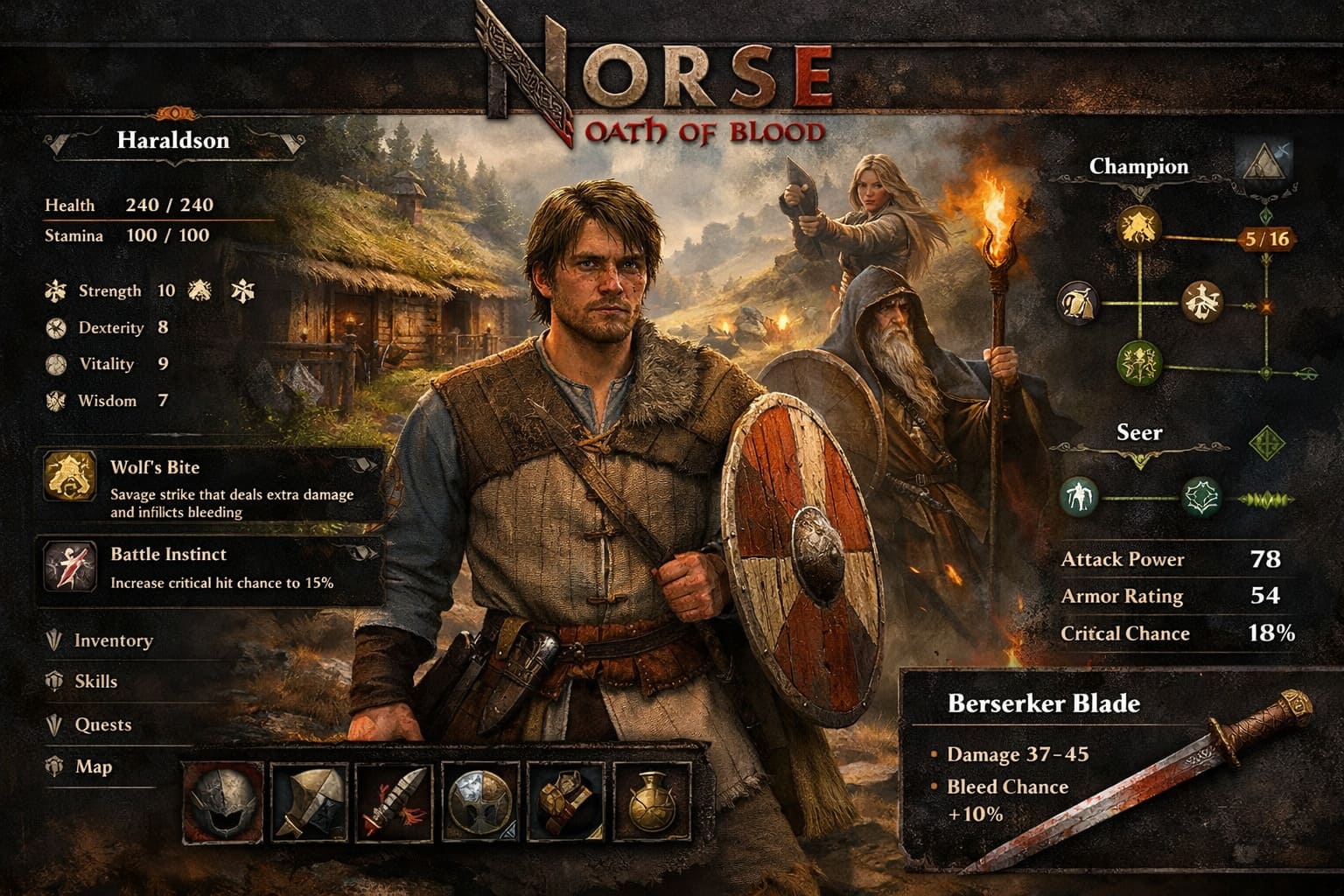
At the center stands Gunnar, son of Jarl Gripr. Unlike many war-hungry chieftains of his time, Gripr dreamed of stability—fields instead of plunder, settlement instead of endless raids. But peace in a warrior culture can look like weakness. His former ally, Steinarr Far-Spear, believed the old ways of steel and conquest should never die. That ideological clash erupts into betrayal, fire, and murder. Gunnar’s father is slain, his home destroyed, and the world he knew collapses in a single violent stroke.
From that moment, Gunnar’s path is carved in blood. Exiled with his twin sister Sigrid, he transforms from a confident heir into a hunted survivor. And here’s where the story hits differently for me as a gamer: this isn’t just revenge for the sake of spectacle. It’s hevn—vengeance as spiritual duty, as social obligation, as identity.
The Blood Oath: More Than a Promise
In Viking tradition, a blood oath wasn’t metaphorical. Warriors sealed loyalty by mixing blood in earth beneath sacred sod or swearing upon oath rings. It was ritual, law, and faith combined. In Gunnar’s journey, the Oath of Blood carries several layers of meaning:
- Restoring Honor – In Norse culture, family reputation was everything. To leave a father unavenged was to accept shame.
- Reclaiming Birthright – Gunnar must rebuild not only walls and halls, but authority and legacy.
- Justice Through Steel – The idea that “blood demands blood” drives every alliance, every clash, every sacrifice.
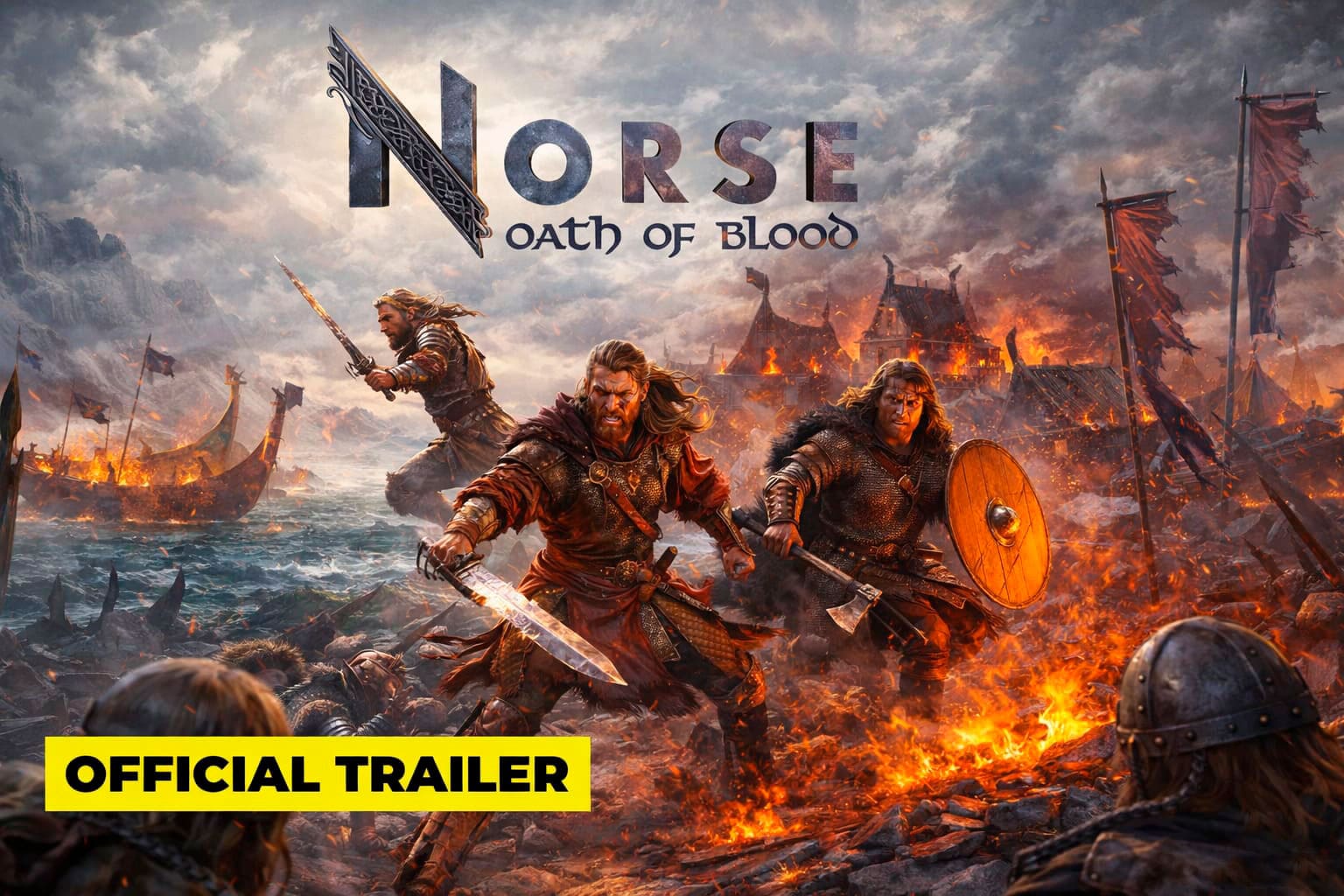
What I appreciate most is how the narrative treats honor as heavy, not glamorous. Revenge isn’t flashy power fantasy—it’s exhausting, morally complex, and costly.
(Discover more: Norse: Oath of Blood PS5 Release Date & PC 4K System Requirements Revealed )
From Cocky Heir to Hardened Leader
Character growth is where this saga truly shines. Gunnar begins as a proud, almost reckless youth. Loss forces him to mature fast. Leadership is no longer inherited—it must be earned through judgment, strength, and restraint. And that’s where Sigrid becomes crucial. She acts as his conscience, grounding him when rage threatens to consume everything. In a world ruled by iron, she reminds him that justice must also protect the weak and settle disputes fairly.
This dynamic adds emotional depth that many Viking-themed stories miss. It’s not just axes and shields; it’s grief, responsibility, and the crushing pressure of legacy. As someone who loves games where choices matter and leadership feels earned, this resonates deeply. It feels playable, immersive—like every decision shapes not only a battlefield, but a future settlement.
Why This Viking Saga Stands Out
What makes this story compelling isn’t just its brutality. It’s the humanity beneath the armor. The struggle between peace and tradition. The cost of pride. The realization that sometimes vengeance is less about anger and more about survival in a society where reputation defines existence.
For fans of narrative-driven historical adventures, this tale delivers something powerful: a reminder that in the Viking Age, an oath was fate. Break it, and you lose yourself. Keep it, and you may lose everything else.
And honestly? That tension is exactly why stories like this stay with us long after the last battle is over.
NORSE: Oath of Blood Performance Guide – My Honest Fixes for UE5 Stutter
I’ve spent countless hours in different Unreal Engine 5 games, and when I jumped into NORSE: Oath of Blood, I immediately recognized that familiar UE5 “hiccup” feeling.
The combat is brutal, the environments are gorgeous, but those random frame drops can absolutely break immersion. If you’ve been struggling with performance hitches, this is my personal, experience-based breakdown of what actually helps.
Discover more: Mewgenics Comprehensive Guide: How to Unlock All Classes, Maximize House Stats, and Heal or Revive Your Cats
Why NORSE: Oath of Blood Stutters in the First Place
Most of the issues come from two common Unreal Engine 5 behaviors: Shader Compilation Stutter and Traversal Stutter. Shader stutter happens when the engine compiles effects right when you need them.
Traversal stutter happens when you move into new areas and the engine streams in assets, shadows, and geometry.
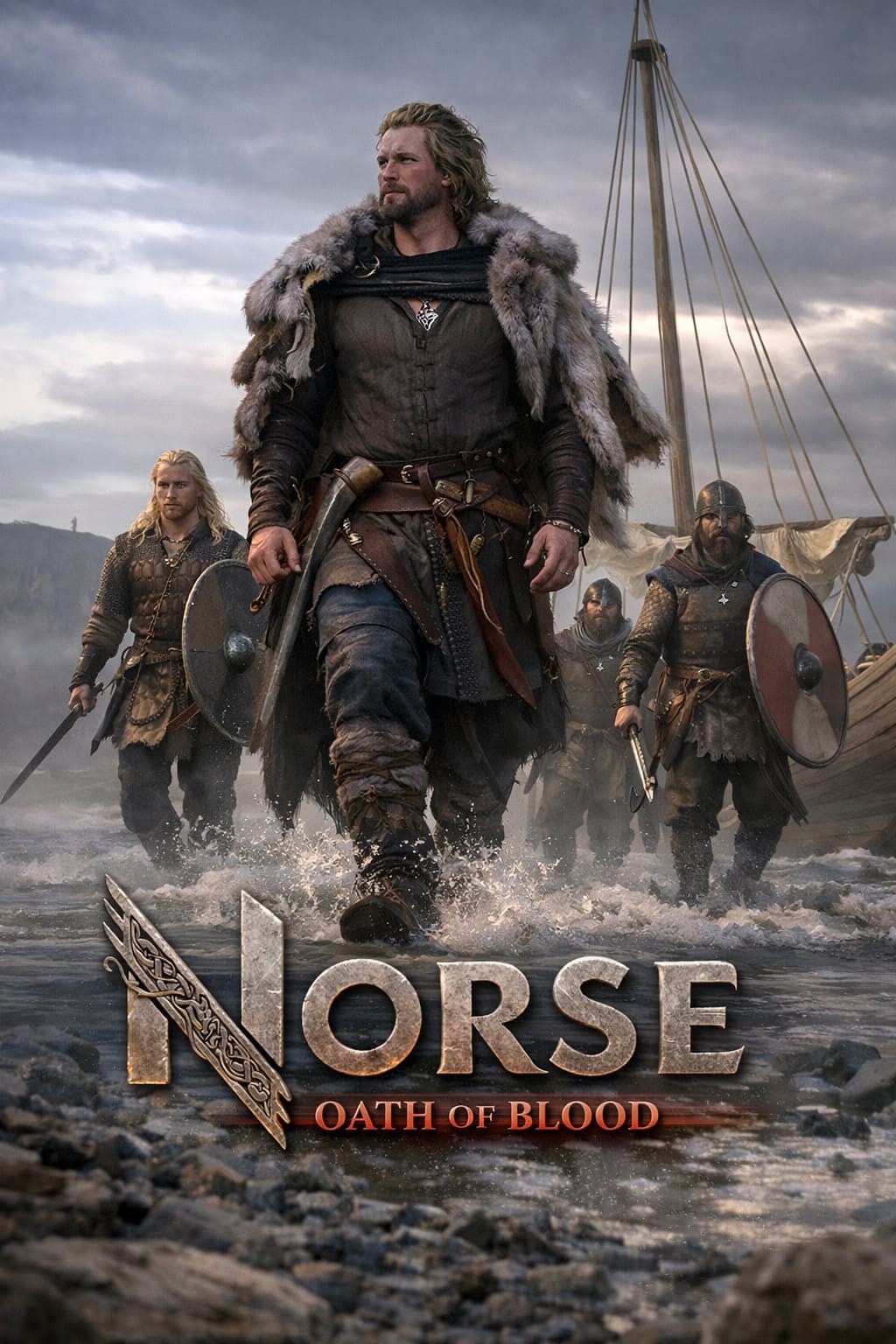
UE5 features like Nanite, Lumen, and Virtual Shadow Maps look incredible, but they’re extremely demanding. Without proper tuning, even strong GPUs can struggle with consistent frame pacing.
1. Tackle Shader Compilation Stutter First
If your game freezes briefly during explosions, new abilities, or first-time combat encounters, that’s almost always shader compilation.
- Use -dx12 or -vulkan launch options. I personally test both. Sometimes Vulkan feels smoother, though DX12 can perform better after shaders settle.
- Update GPU drivers immediately. Both NVIDIA and AMD regularly push optimizations specifically for UE5 titles.
- Let shaders fully compile. After launching the game for the first time, spend a few minutes in menus or low-action areas before jumping into heavy combat.
Discover more: The Last Citadel: Best Solo Classes and Tank vs Healer Role Guide
2. Optimize Graphics Settings the Smart Way
Max settings look tempting, but UE5 punishes aggressive configurations. I’ve found that balanced settings feel better than fluctuating ultra presets.
- Shadows & Global Illumination: Set to Medium or High. Lumen is beautiful, but it’s a major FPS killer.
- View Distance: Medium is the sweet spot to reduce traversal loading spikes.
- Post-Processing: Lowering this improves responsiveness and reduces micro-stutter.
Frame pacing matters more than raw FPS numbers. A stable 60 FPS feels dramatically better than unstable 85 FPS.
3. Cap Your Frame Rate for Smoother Gameplay
Uncapped frame rates can create uneven frame delivery. I always recommend locking it down.
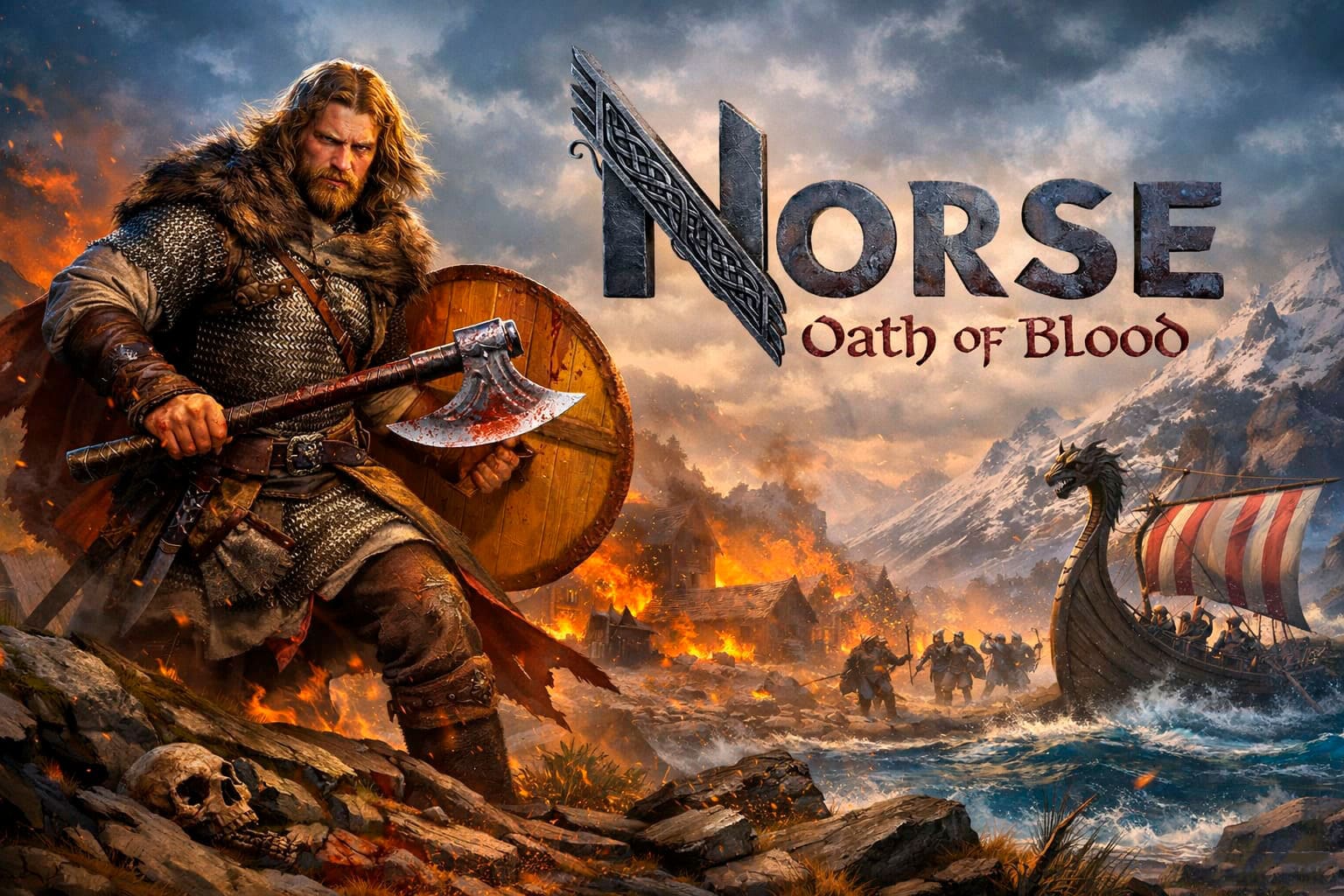
- Cap at 60 FPS. Use NVIDIA Control Panel or RTSS for consistent frame timing.
- Enable G-Sync or FreeSync. Variable refresh rate helps eliminate tearing and smooth out minor dips.
This single change alone often transforms the experience from jittery to cinematic.
4. Advanced Tweaks (For Power Users)
If you’re comfortable digging a little deeper, these tweaks can help eliminate stubborn micro-stutters.
- Install on an NVMe SSD. UE5 streams massive amounts of data. HDDs simply can’t keep up.
- Adjust Control Flow Guard (CFG). Some players report smoother performance after disabling it for the game executable.
- Disable unnecessary background processes. Keep your system clean while gaming.
Discover more: Mewgenics: Dr. Beanie Quest Walkthrough and Neverstones Guide
5. Windows & System-Level Stability
Sometimes the issue isn’t the game—it’s Windows trying to “optimize” power usage.
- Switch to High Performance power plan. Prevents CPU downclocking during gameplay.
- Disable Core Parking. Tools like QuickCPU can help keep cores active and responsive.
These tweaks ensure your hardware stays fully awake during intense Viking battles.
Final Thoughts – Balance Over Brute Force
NORSE: Oath of Blood deserves to be experienced without immersion-breaking stutter. Unreal Engine 5 is incredibly powerful, but it rewards balance, not brute-force max settings. Focus on stable frame pacing, smart graphics tuning, and proper system configuration. Once dialed in, the game feels significantly smoother and far more cinematic.