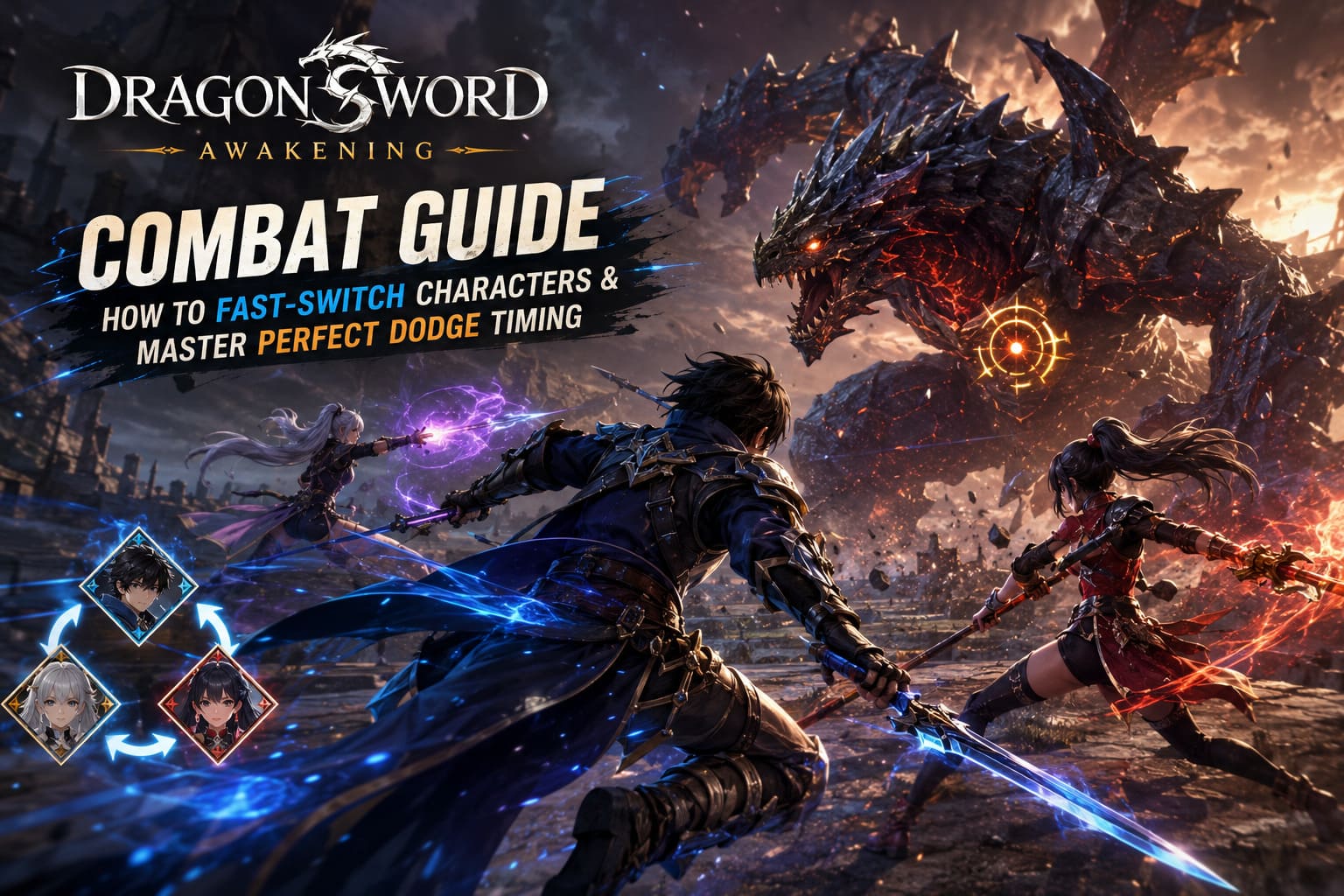
DragonSword Awakening Combat Guide: How to Fast-Switch Characters & Master Perfect Dodge Timing
DragonSword: Awakening surprised me more than almost any action RPG released in 2026. Before launch, many players expected another live-service grind full of gacha mechanics and endless monetization. Instead, Hound13 delivered something that feels refreshingly old-school—a premium action RPG where success depends on skill, timing, and understanding the combat system instead of spending money or chasing overpowered gear.
After spending dozens of hours experimenting with different party combinations, replaying boss fights, and comparing strategies with the community, one thing became obvious: DragonSword: Awakening is built around teamwork, not individual characters.
If you’re trying to clear difficult bosses by sticking with one favorite hero, you’re making the game dramatically harder than it needs to be.
The real combat system revolves around aggressive character switching, animation management, elemental synergy, and perfectly timed dodges. Once these mechanics click, the game transforms from challenging into incredibly satisfying.
This guide explains exactly how to build that rhythm and why experienced players treat the entire squad as one complete weapon rather than three separate fighters.
Why Character Switching Is the Core of Combat
Unlike many RPGs where companions simply attack automatically, every member of your three-character squad exists to extend your offensive pressure.
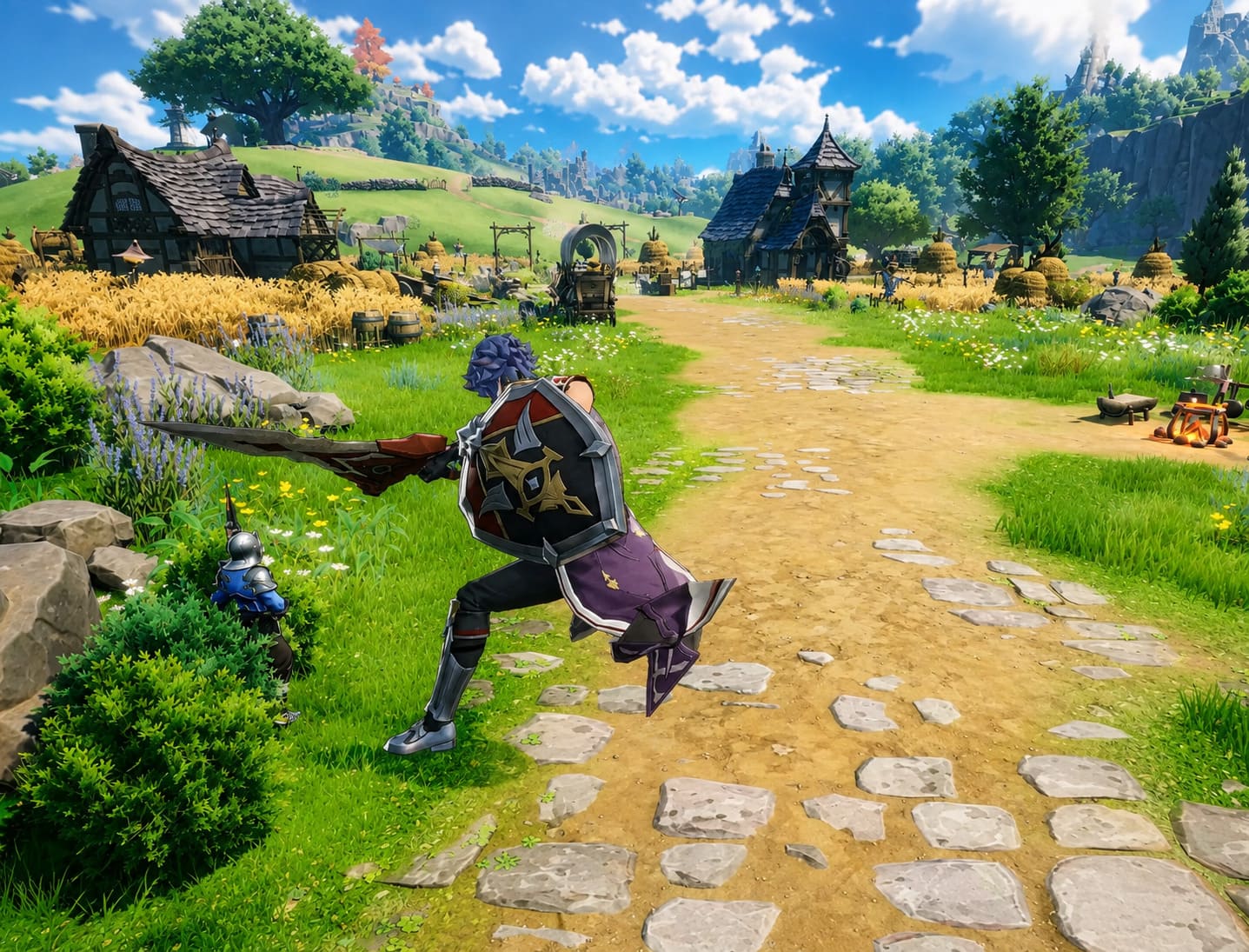
Your active fighter isn’t supposed to stay on the battlefield forever.
Instead, every swap creates another opportunity to:
- Continue combo chains.
- Trigger additional elemental effects.
- Launch powerful entry attacks.
- Maintain pressure while another character finishes an animation.
- Exploit enemy stagger windows.
New players usually wait until a character finishes every animation before switching.
That’s the slow way to play.
Experienced players barely stay on one hero for more than several seconds before rotating again.
Once you understand this philosophy, DragonSword: Awakening starts feeling much closer to premium character-action games than a traditional RPG.
Understanding the Hidden Swap Cooldown
Under normal circumstances, switching characters isn’t instantaneous.
The game applies a cooldown of roughly two seconds between standard swaps.
While that may not sound significant, it completely interrupts combo flow during difficult encounters.
Fortunately, the developers built several systems that let skilled players bypass these limitations naturally.
Instead of waiting for cooldowns, high-level combat revolves around triggering swaps through combat mechanics that ignore much of the downtime.
Learning these methods is one of the biggest improvements you can make.
Mastering Animation Cancel Switching
If I had to recommend only one technique to every new player, it would be this.
Many abilities have lengthy attack animations.
For example, heavy melee characters often perform extended spinning attacks, powerful slam sequences, or magical finishers that continue dealing damage after the initial activation.
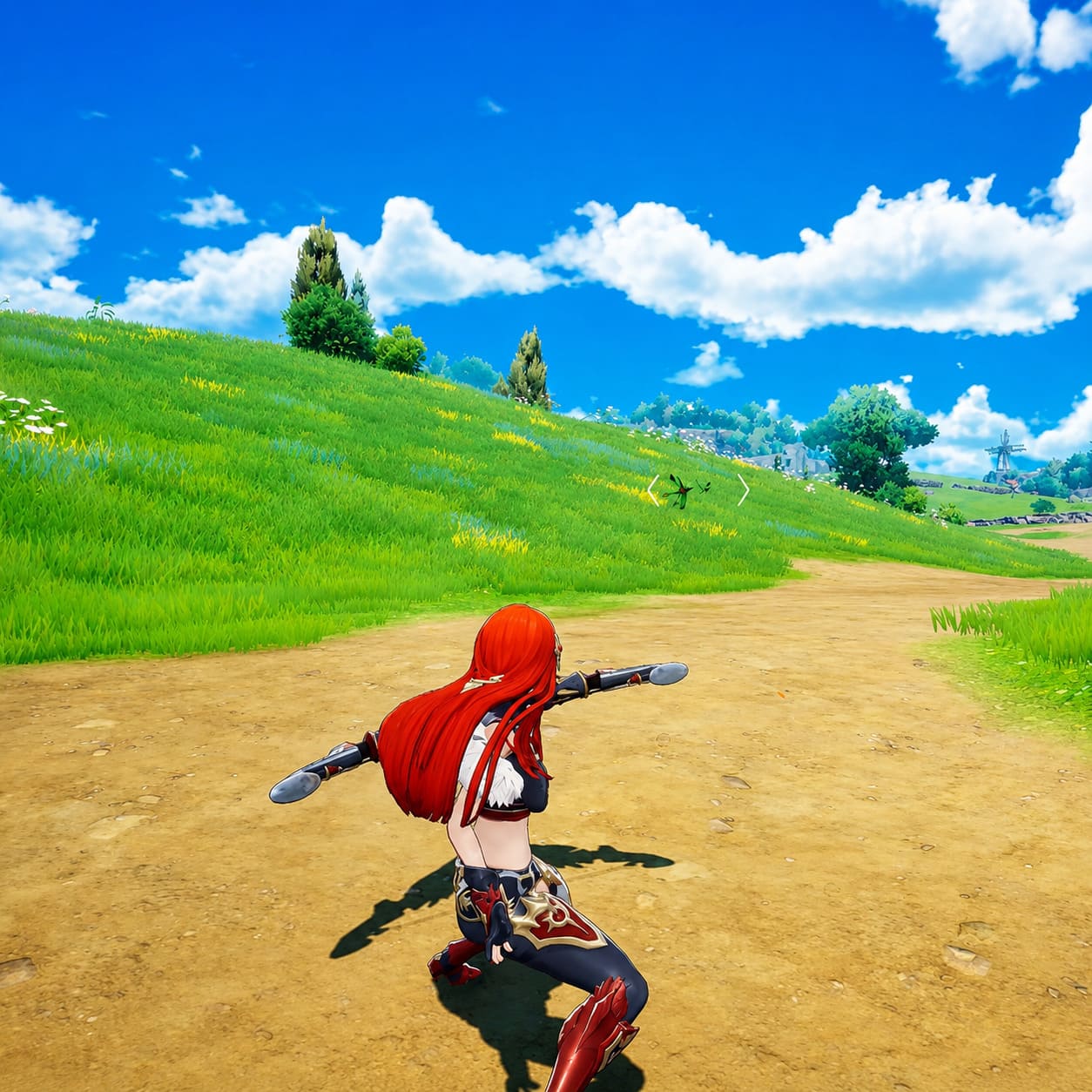
Here’s the trick:
You don’t actually need to remain in control of that character while the animation finishes.
The moment the ability begins, immediately switch to another squad member.
Your previous character continues executing the attack while your newly selected fighter joins the battle almost instantly.
The result is incredible.
- One character continues attacking.
- A second character immediately starts building a fresh combo.
- Your overall DPS increases significantly.
- Multiple elemental effects can stack simultaneously.
It almost feels like briefly controlling two heroes at once.
This single mechanic dramatically changes the pace of combat.
Signal Skills Are More Important Than Most Players Realize
As battles continue, inactive teammates constantly monitor what’s happening from the party interface.
Whenever specific combat conditions are met—usually involving damage thresholds, elemental effects, or combo progression—their portraits begin glowing.
That’s your Signal Skill opportunity.
Many players ignore these visual prompts.
Don’t.
Signal Skills are among the strongest offensive mechanics available because they provide several advantages simultaneously.
- Immediate battlefield entry.
- Faster deployment animations.
- Stronger opening attacks.
- Improved combo continuation.
- Reduced vulnerability during swaps.
Instead of manually rotating characters whenever possible, wait for Signal Skills whenever the situation allows.
They create smoother transitions while maximizing offensive pressure.
Using Boss Grab Mechanics Efficiently
Large monsters introduce another unique combat layer.
After enough stagger damage, some bosses expose vulnerable sections that allow your character to climb directly onto their body.
Most players simply remain attached and repeatedly attack.
That works, but it’s far from optimal.
A better strategy is to initiate the grab and immediately perform a character switch.
The original character continues attacking the weak point automatically while your new fighter remains safely on the ground.
Now you’re damaging two separate areas of the boss simultaneously.
Against high-health enemies, this dramatically increases total damage output without increasing risk.
It’s one of those mechanics that feels almost overpowered once you understand how it works.
Creating Endless Combo Loops Through Elemental Breaks
Every enemy possesses more than a standard health bar.
- Super Armor gauge.
- Guard meter.
- Elemental buildup thresholds.
These secondary systems are where the real combat depth appears.
| Combat Phase | Goal | Recommended Action |
|---|---|---|
| Opening | Build elemental pressure | Use fast elemental attacks from ranged characters. |
| Status Break | Trigger elemental explosion | Fill Fire, Poison, or other elemental gauges. |
| Signal Swap | Gain offensive momentum | Switch immediately when Signal Skill activates. |
| Heavy Damage | Launch powerful melee combos | Use physical DPS characters during stagger. |
| Air Combo | Prevent recovery | Continue juggling with the third squad member. |
This loop keeps enemies permanently under pressure while minimizing opportunities for retaliation.
Instead of waiting for skill cooldowns, you’re constantly rotating offensive options.
That’s exactly how DragonSword: Awakening rewards skilled players.
Perfect Dodge Isn’t Just About Survival
Dodging in DragonSword: Awakening feels very different from many modern action games.
Rolling around constantly won’t save you.
In fact, panic dodging usually causes more problems.
The standard dodge mostly serves as movement.
The true defensive mechanic is the Perfect Dodge.
Successfully performing one grants several powerful advantages beyond avoiding damage.
Learning the Perfect Timing
The timing window is surprisingly strict.
Press dodge too early and you’ll simply roll into the attack.
Press too late and you’re getting launched across the arena.
The correct timing happens almost exactly as the enemy’s attack begins moving toward your character.
Ignore glowing warning indicators.
Instead, watch the enemy itself.
- Shoulder movement.
- Weapon acceleration.
- Final swing commitment.
- Body rotation.
Experienced action game players know this instinctively.
The weapon’s motion tells the truth.
The visual effects often don’t.
When executed correctly, you’ll immediately notice:
- Dramatic slowdown.
- Shadow afterimage effects.
- Temporary invulnerability.
- Perfect counter opportunity.
That visual feedback becomes addictive after a while.
Respect Animation Commitment
One mistake nearly every beginner makes is assuming every attack can be canceled.
DragonSword: Awakening doesn’t work that way.
Heavy abilities lock your character into lengthy animations.
If a boss begins attacking while you’re midway through one of these skills, pressing dodge won’t magically interrupt the animation.
The attack animation wins every time.
That’s why experienced players constantly monitor boss behavior before committing to powerful abilities.
- Wait for the boss to attack.
- Execute a Perfect Dodge.
- Trigger the slowdown effect.
- Switch characters through a Signal Skill.
- Unload your strongest abilities while the boss recovers.
Playing patiently actually increases overall damage because fewer attacks get interrupted.
Never Skip the Perfect Dodge Counter
Many players celebrate surviving a dangerous attack and immediately continue attacking normally.
That’s a huge missed opportunity.
Every successful Perfect Dodge unlocks a unique counterattack specific to your current hero.
These attacks generally inflict:
- Massive stagger damage.
- Increased armor break.
- Stronger combo potential.
- Easier transition into launch attacks.
Think of the dodge itself as only half of the mechanic.
The counterattack is the real reward.
Building Your Team Around Combat Flow
Mechanical skill matters, but equipment still plays an important supporting role.
DragonSword: Awakening replaces traditional stat-heavy progression with the Karma system.
Unlike many RPGs, Karmas don’t simply increase raw numbers.
Properly chosen Karmas reinforce your combat style.
For players focusing on aggressive switching, several priorities stand out.
Prioritize Elemental Specialization
Instead of mixing random bonuses together, specialize.
If a character naturally focuses on poison damage, reinforce poison.
If another hero excels with fire, maximize fire bonuses.
Stacking compatible bonuses fills elemental meters much faster.
- Earlier status breaks.
- More Signal Skills.
- Longer combo chains.
- Safer boss control.
Specialization almost always outperforms general stat increases.
Don’t Ignore Karma Ascension
Early Karmas might seem underwhelming.
Small critical bonuses don’t look exciting.
However, duplicates allow Karma Ascension.
After multiple upgrades, those modest bonuses become serious endgame improvements.
An upgraded Karma can dramatically increase:
- Critical Rate.
- Critical Damage.
- Elemental efficiency.
- Overall damage consistency.
The difference between basic and fully ascended Karmas becomes very noticeable during difficult boss encounters.
Utility Karmas Can Be Game Changers
Late-game utility bonuses deserve just as much attention as offensive stats.
Some of the strongest options improve overall combat flow instead of raw damage.
- Reduced character swap downtime.
- Extended airborne combo duration.
- Improved stagger efficiency.
- Stronger status application.
These upgrades perfectly complement an aggressive switching playstyle.
DragonSword Awakening Companion Guide: All Characters and Best Tag Combos
The Biggest Mistakes New Players Make
After watching countless gameplay clips and discussing strategies within the community, the same errors appear repeatedly.
- Staying on one character for entire fights.
- Ignoring glowing Signal Skill prompts.
- Panic rolling before attacks actually connect.
- Using long animations against unstaggered bosses.
- Forgetting Perfect Dodge counterattacks.
- Mixing random elemental bonuses instead of specializing.
Correcting just a few of these mistakes immediately improves combat performance.
DragonSword Awakening Combo Mechanics Explained: Combat Guide
Final Thoughts
DragonSword: Awakening succeeds because it trusts the player. It doesn’t overwhelm you with endless statistical complexity or force progression through repetitive monetized systems. Instead, it rewards timing, mechanical precision, smart decision-making, and a willingness to learn its deeper combat layers.
Fast character switching isn’t a flashy gimmick—it is the foundation of the entire battle system. When combined with animation-cancel techniques, Signal Skills, elemental break loops, and disciplined Perfect Dodge execution, every encounter becomes faster, smoother, and dramatically more satisfying. Bosses that once felt overwhelming suddenly become opportunities to chain devastating combos while keeping constant pressure on the battlefield.
Spend time mastering swap timing against regular enemies before jumping into the toughest encounters. Learn enemy attack animations instead of relying on visual warnings, build Karmas that strengthen your chosen elements, and never underestimate the value of a perfectly timed counterattack. Once everything starts flowing together, DragonSword: Awakening delivers one of the most rewarding combat systems any action RPG fan will experience in 2026.