Ascenders Beyond The Peak Morale Guide: How to Manage Expedition Fear
If you’re like me, diving into Ascenders: Beyond The Peak feels like signing up for a mix of mountaineering, Lovecraftian horror, and roguelite chaos all rolled into one. Sure, you can train for stamina and practice rope physics until your fingers bleed, but there’s a quieter, sneakier challenge waiting for you: Morale.
Unlike your health bar or grip strength, Morale isn’t something you can patch up with potions or bandages—it’s your team’s mental fortitude, and when it snaps, it’s just as deadly as falling from a cliff.
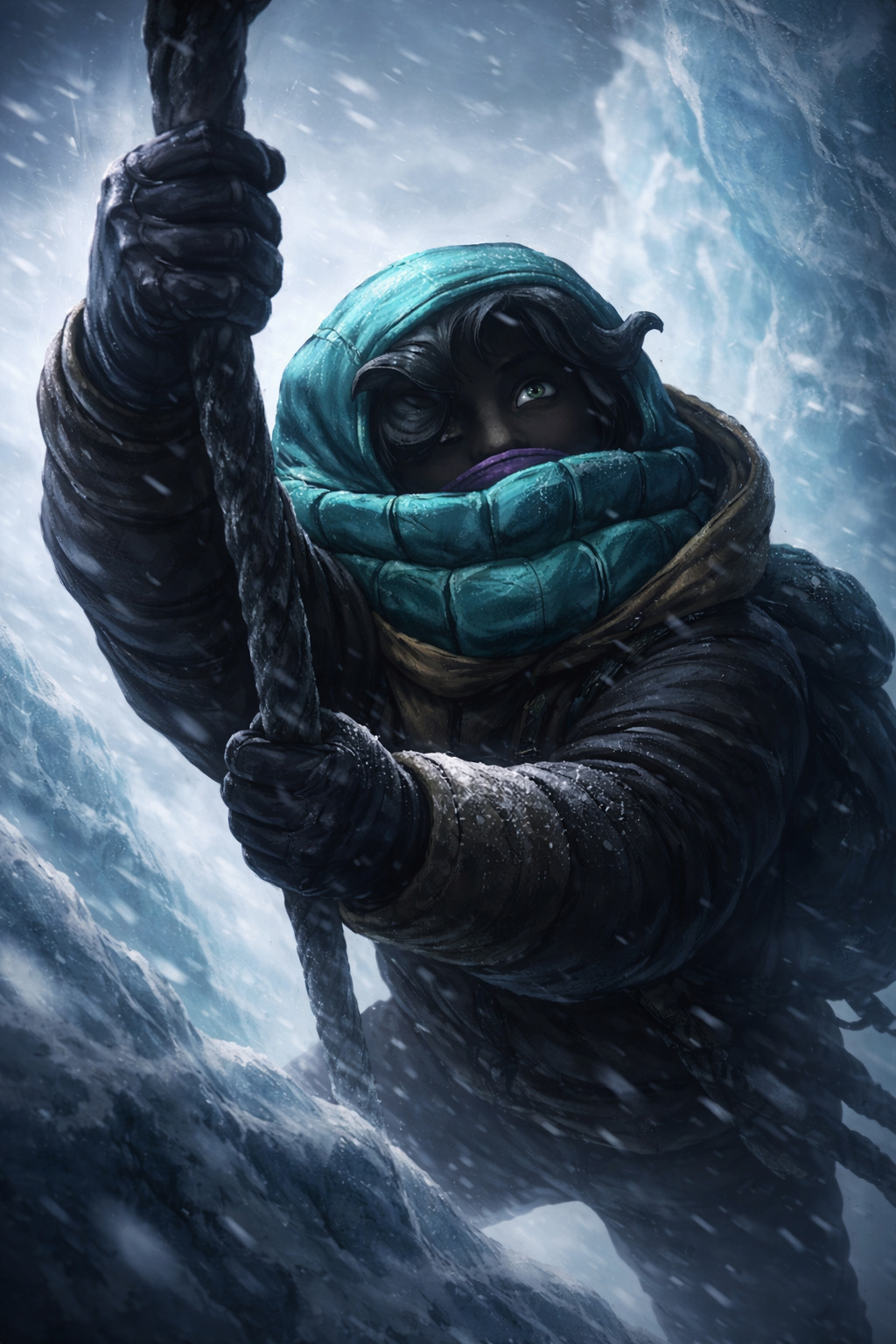
Here’s my take on how to keep your climbers sane, your group tight, and your expeditions alive in this brutal, vertical world.
Temtem: Swarm Co-Op Guide (2026) – Best Builds, Synergies, and Strategies for 3-Player Survival
Understanding the Morale Cycle
Morale in Ascenders is a team-wide measure of how your climbers are holding up psychologically. It fluctuates constantly based on both your decisions and the harsh events of the climb. Here’s what you need to keep in mind:
| Event | Morale Impact | Notes |
|---|---|---|
| Loss of a Team Member | Major drop | Losing a climber isn’t just about losing a class or resources—it’s a blow to everyone’s mental state. |
| Psychological Trauma | Lingering stress | Survivors develop Trauma that makes subsequent climbs harder, often affecting stats or reaction times. |
| Tough Decisions | Medium to high drop | Cutting a rope to save the majority might save lives but leaves deep, permanent scars. |
Pro Tip: Always think of Morale as a hidden resource—you can’t see it on a meter during climbs, but the team’s behavior and efficiency tell you when it’s slipping.
Boosting Morale: Base Camp Essentials
Before you even set foot on the mountain, Morale management begins at HQ. I can’t stress enough how often players overlook this phase.
- Strengthen Bonds
The night events and camp discussions aren’t just flavor text—they’re literal Morale boosters. Talk to your climbers, let them joke, bicker, or share fears. Every positive interaction strengthens your team’s psychological resilience. - Cook and Heal
Food isn’t just HP; it’s spirit. Providing nutritious meals and tending to injuries keeps minor issues from snowballing into big morale problems. Think of it as preventative therapy. - HQ Upgrades
Artifacts, rooms, and tech upgrades aren’t just convenience—they stabilize your team’s morale over multiple runs. I personally prioritize upgrades that offer mental perks, like lounges or training areas that reduce stress accumulation.
Morale on the Mountain: Tactical Survival
Once you’re actually climbing, your HQ strategies need to translate into actionable choices. Here’s how I approach the vertical grind:
- Rope System Mastery
The rope isn’t just a safety net—it’s a morale lifeline. Pulling a teammate to safety after a slip not only prevents a physical loss but keeps panic from spreading. Rope management is both practical and psychological. - Artifact Trade-offs
Some artifacts are powerhouses but come at a psychological cost. My advice: weigh short-term advantage against long-term trauma. Sometimes, walking past a flashy artifact is better than dealing with a haunted survivor later. - Class Synergy
Choosing the right mix of classes can prevent morale-sapping disasters. Scouts excel at positioning, Sappers can reshape dangerous terrain, and support classes can keep the team from overexertion. I’ve found that strategic composition matters more than raw power in high-tier climbs.
Dealing With Trauma and Sacrifice
One of the most brutal mechanics in Ascenders is the “Cut the Ties or Die Together” scenario. Sacrifice is unavoidable at times, and it leaves a mark.
- The Weight of Sacrifice
Survivors carry Trauma from these events. In my experience, Trauma doesn’t just reduce stats; it affects decision-making under pressure. A traumatized climber might hesitate at a crucial rope maneuver or panic during environmental hazards. - Roster Management
Because death is permanent, you constantly rebuild. Introducing fresh climbers to a traumatized group requires patience and strategic HQ time. I often cycle new climbers through bonding events before they face a major climb to prevent morale collapse.
Pro Tips for High-Difficulty Runs
Ascent 7 and above is where Morale truly becomes a battlefield. I treat it like managing a fragile economy: one wrong move, and everything crashes.
- Avoid Unnecessary Risks
The mountain doesn’t forgive. Speed is critical; minimizing hunger and cold indirectly protects morale. I skip non-essential side objectives when morale is already low—it’s better to arrive safe than overextend and watch panic spread. - Balance Food and Heat
Lanterns, heat packs, and smart rationing are morale insurance. A cold, hungry team is not only inefficient—they start making poor choices, which amplifies stress and leads to preventable losses. - Psychological Checkpoints
Between risky maneuvers, I pause and check the team’s positioning and performance. Even small reassurances, like pulling someone back up before they panic, go a long way in keeping morale stable.
Climbing Beyond Fear: Mastering Morale in Ascenders: Beyond the Peak
If you’ve ever felt your heart pounding as your virtual climbing party teeters on the edge of a sheer drop, you know that Ascenders: Beyond the Peak isn’t just about agility or strategy—it’s a test of nerves. In this game, Morale isn’t a simple stat bar; it’s the invisible thread holding your expedition together. One wrong move, one poorly assigned class, and you could watch your team spiral into panic faster than a boulder down a cliff.
Having spent hours tinkering with climber builds, I’ve noticed that the secret to a smooth ascent isn’t just having strong characters—it’s matching the right class to the right scenario. Let’s break down the core climber classes and how each one uniquely safeguards your team’s psychological stability.
1. Scout: The Fearless Pathfinder
If there’s one class that feels like having a safety net beneath every step, it’s the Scout. These nimble climbers are essential for keeping stress levels low, and they excel at managing what the game calls “The Unknown.”
- Pathfinding Mastery: Scouts are the team’s eyes and ears. They scout ahead to reveal hidden anchors and safe handholds, reducing the dreaded “Panic” effect for everyone else. A Scout at the lead essentially lets the team climb with confidence.
- Tension Release Experts: Safety isn’t just theoretical. Scouts can deploy Safety Runners quicker than any other class. If someone slips, these anchors prevent catastrophic falls and the massive Morale hit that comes with them.
- Team Morale Bonus: Keeping a Scout at the forefront keeps the squad feeling prepared. This provides a subtle but constant stress resistance buff—a lifesaver when facing long, exposed climbs.
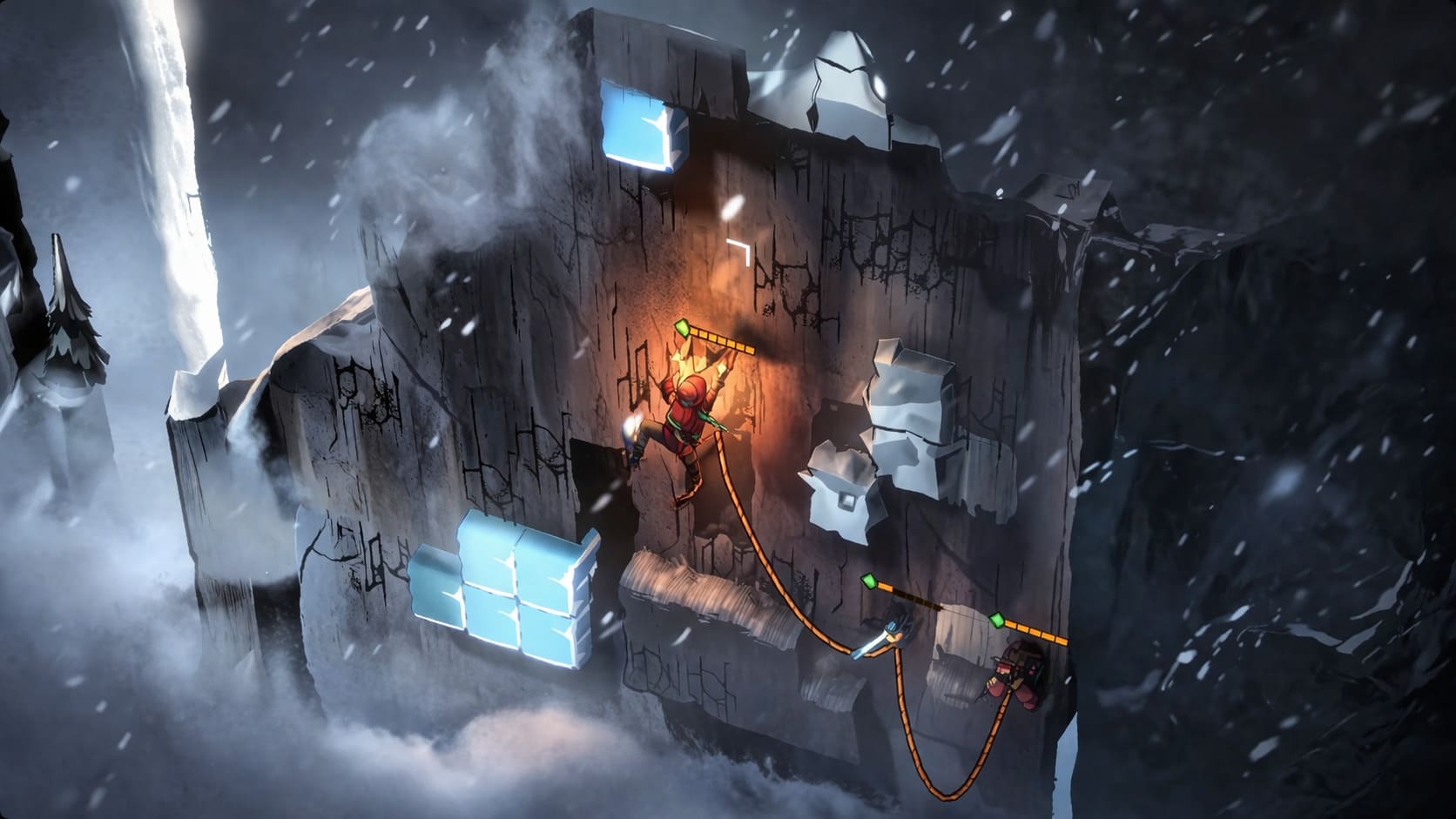
In short, the Scout is your psychological shock absorber. Without one, expect constant mini-panics.
2. Sapper: The Environmental Maestro
While Scouts handle the unknown, Sappers dominate the here and now. Their specialty? Removing environmental stressors that chip away at your team’s confidence.
- Terrain Modification: Unstable rocks, Lovecraftian growths, and supernatural anomalies aren’t just obstacles—they’re morale drains. Sappers can destroy these threats with precision charges, immediately reducing stress for everyone nearby.
- Shelter Creation: Long stretches of vertical terrain can demoralize even the most seasoned climber. Sappers carve out Bivouac Niches, offering safe spots to rest and restore Morale mid-climb.
- Structural Integrity: Nothing ruins a climb faster than a crumbling ledge. Sappers reinforce these weak points, preventing near-death scares that send team morale plummeting.
Sappers are the unsung heroes who quietly stabilize the environment, letting your Scouts shine and your Medics do their healing work.
3. Medic: The Soul Keeper
If a Scout keeps the panic away and a Sapper removes environmental threats, the Medic is your emergency brake when all else fails. They actively restore Morale in crisis situations.
- Psychological First Aid: When a teammate hits Breaking Point, threatening to cut their rope or refuse movement, the Medic can intervene and stabilize them—often the difference between mission success and catastrophic failure.
- Pain Management: Injuries don’t just reduce physical performance—they erode Morale over time. The Medic treats wounds on the wall, preventing the “Whimper” effect from spreading to others.
- Stimulants for Survival: In extreme circumstances, Medics can administer Focus Salts. This temporarily locks Morale at its current level, giving your team the psychological boost needed to push through deadly terrain.
A Medic isn’t just a healer; they’re the psychological backbone that allows a team to tackle the most stressful sections without losing their collective mind.
4. Porter: The Comfort and Logistics Specialist
It may not be flashy, but having a Porter is like having a cozy anchor for your morale. They maintain comfort and material security, which is surprisingly important on grueling ascents.
- Resource Management: Porters carry Comfort Kits filled with rations and fuel. Using these supplies during rest periods provides a substantial Morale boost for the whole team.
- Weight Distribution: By offloading heavy gear from Scouts or Medics, Porters prevent fatigue from escalating into the “Exhausted” trait—a direct cause of panic events.
- The Anchor Buff: When attached to a rope line, the Porter’s physical presence reassures the team, reducing Morale penalties from wind, exposure, and high-altitude stress.
Porters are the silent stabilizers. Without them, even the strongest team can crumble under cumulative psychological stress.
Class Synergies: Turning Individual Strengths Into a Morale Engine
The real magic happens when you combine classes strategically. Ascenders: Beyond the Peak isn’t just about individual prowess—it’s about creating a chain reaction of psychological security.
| Combo | Effect | How It Works |
|---|---|---|
| Scout + Sapper | Victory Morale Boost | Scout identifies a “Terror Zone” ahead, Sapper eliminates the threat immediately. |
| Porter + Medic | Trauma Recovery | Porter provides resources; Medic performs deep therapy at base camp, clearing long-term trauma and restoring permanent stats. |
| Scout + Porter | Stress Resistance | Scout leads with secure route knowledge; Porter reduces load, allowing Scout to remain agile and prevent panic. |
| Sapper + Medic | Environmental & Physical Stability | Sapper clears dangerous terrain; Medic treats injuries from environmental hazards, keeping morale stable. |
This synergy isn’t optional for higher Ascent Tiers—it’s mandatory. Teams that ignore class dynamics often find themselves in a constant state of panic, no matter how skilled each individual is.
Final Thoughts: Morale Management as the Ultimate Skill
I’ve played my fair share of climbing and survival games, but Ascenders: Beyond the Peak feels unique because it blends psychological management with physical strategy. Success isn’t measured solely by reaching the summit; it’s measured by how composed your team remains under relentless pressure.
When assigning classes, think of it like casting for a heist movie: you need brains (Scout), muscle and environment control (Sapper), a healer (Medic), and logistical support (Porter). Neglecting any of these roles is a fast track to panic-induced disaster.
If you want your expedition to feel less like chaos and more like a carefully choreographed vertical ballet, consider these tips:
- Always scout ahead and plan for environmental hazards.
- Use Sappers to neutralize obstacles before they cause stress.
- Keep a Medic ready for psychological and physical emergencies.
- Don’t underestimate the quiet reassurance a Porter brings.
Ultimately, Morale in Ascenders: Beyond the Peak is as much a strategic resource as ropes or anchors. Manage it wisely, and even the deadliest cliffs become conquerable. Mismanage it, and you’ll watch your carefully planned climb dissolve into chaos.