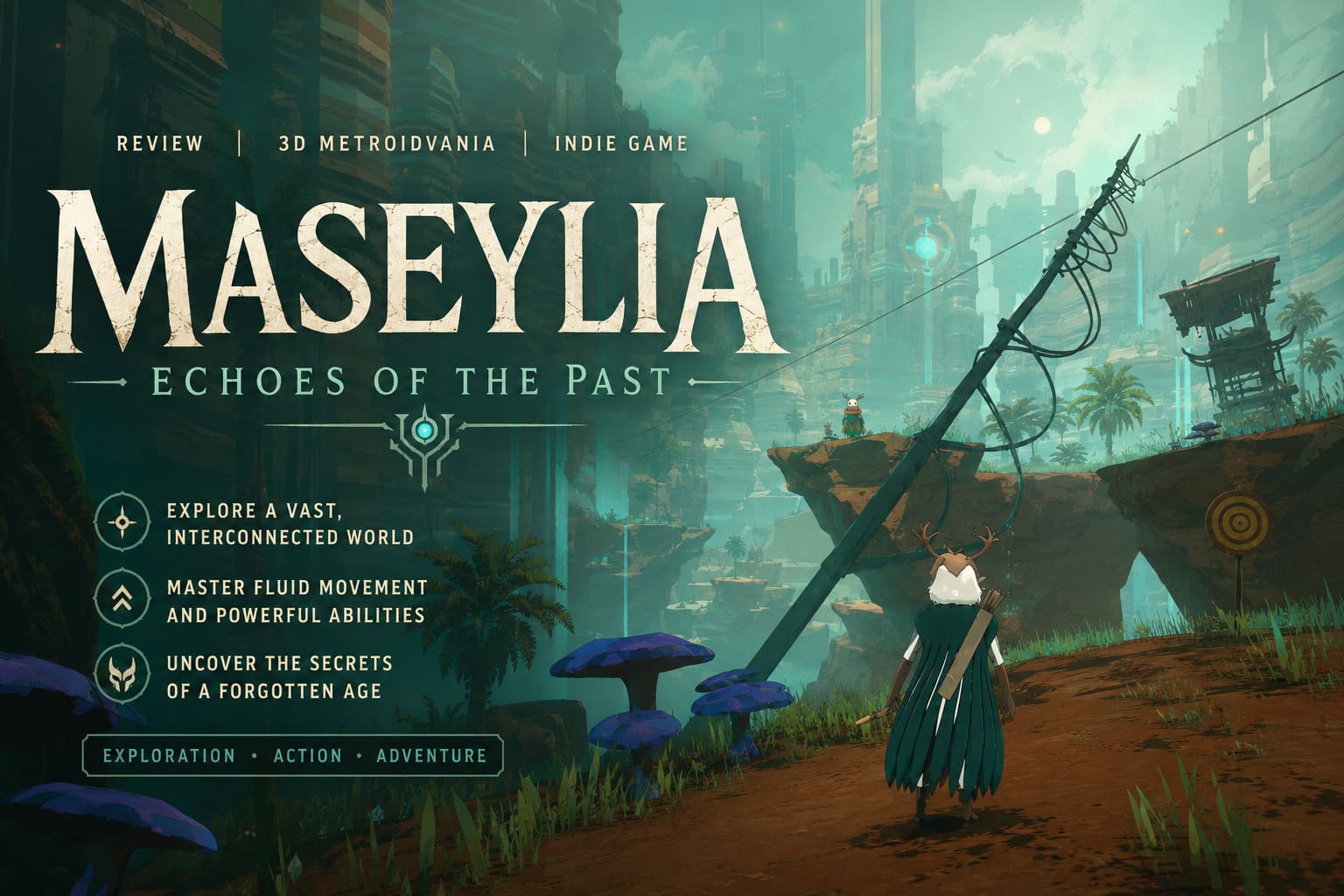
Maseylia: Echoes of the Past Review — A 3D Metroidvania Worth Paying Attention To
After years of playing both indie hits and big-budget action-adventure games, I’ve become cautious whenever a title claims to be a “true 3D Metroidvania.”
Most of them either simplify exploration too much or overwhelm the player with markers until discovery stops feeling meaningful. That’s why Maseylia: Echoes of the Past stood out to me more than I expected.
Developed by the indie studio Sol Brothers, this game attempts something that many developers avoid: building a fully interconnected 3D world that actually respects exploration, memory, and movement mastery.
It doesn’t try to reinvent the genre for the sake of it, but instead focuses on refining what already makes Metroidvania design so compelling—progression through knowledge and traversal.
It’s not a flawless experience, but it’s one of the few modern attempts at a 3D Metroidvania that genuinely understands what the genre is supposed to feel like.
Maseylia Echoes of the Past: Platforms, Release Date & First Impressions
The Challenge of 3D Metroidvania Design
I’ve spent enough time with exploration-heavy games to notice a recurring issue: what works in 2D often collapses in 3D. In a side-scroller, the player instantly understands spatial limitations. A ledge is visible. A gap is readable. Progression feels intuitive.
In 3D, that clarity disappears. Verticality, camera control, and complex environments create confusion. Many developers solve this by limiting freedom or adding navigation markers, but that often strips away the core joy of exploration.
Maseylia: Echoes of the Past takes a different approach. Instead of simplifying its world, it commits to making the player adapt. The environment is a single interconnected techno-organic structure where landmarks matter more than UI guidance. At first, this can feel overwhelming, but over time it creates a deeper sense of spatial memory.
You don’t just follow paths—you learn the world.
Movement as the Core of the Experience
If there is one defining strength in Maseylia, it is movement design. Everything revolves around how the player traverses space.
Rather than treating upgrades as simple progression gates, the game transforms them into extensions of player skill. Each new ability changes how you interact with the environment in a meaningful way rather than just unlocking doors or checkpoints.
Key movement abilities include:
- A fully directional air dash that supports momentum-based traversal
- A responsive double jump designed for both vertical and horizontal control
- A grappling system that integrates with both exploration and combat positioning
- Phase-shift mechanics that alter environmental interaction states
What makes these systems stand out is how naturally they combine. You’re not using one ability at a time—you’re chaining them together. The game actively rewards experimentation and, in some cases, even allows players to bypass intended routes if they understand the mechanics well enough.
That level of freedom is rare, especially in modern 3D exploration games.
Exploration That Demands Attention
Exploration in Maseylia is not guided in the traditional sense. There are no constant arrows pointing you forward, and minimal handholding. Instead, the world itself acts as your navigation system.
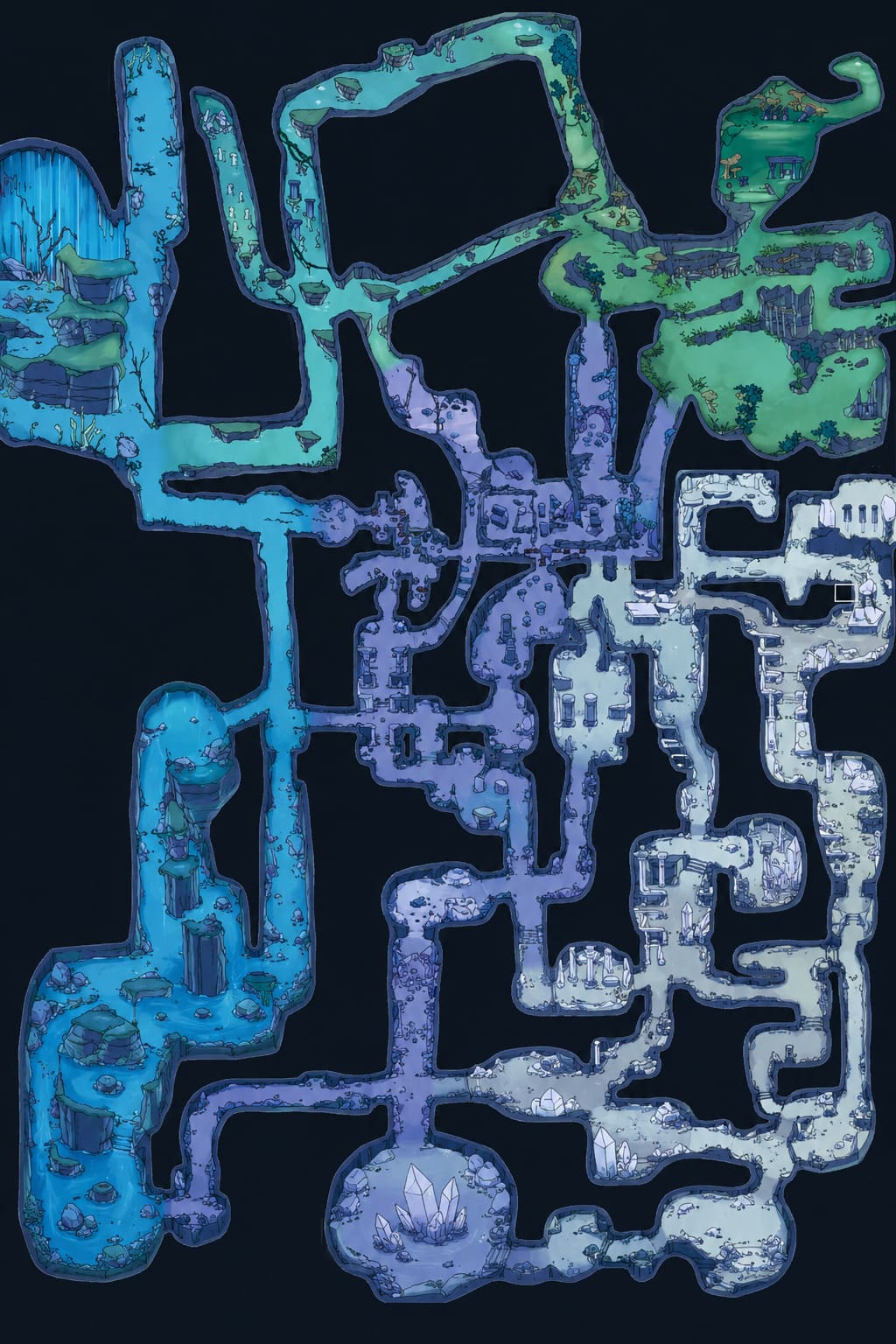
The structure of the game is built around a single, continuous map filled with layered vertical zones. Each area connects to others in subtle ways, encouraging backtracking and reinterpretation of familiar spaces as new abilities unlock new traversal routes.
This design creates a learning curve that feels organic. At first, getting lost is common. But over time, players begin to recognize shapes, environmental landmarks, and structural patterns. The world becomes readable not through UI, but through experience.
Combat and Interaction Design
Combat in Maseylia does not attempt to overshadow exploration. Instead, it integrates itself into movement systems. Encounters are designed around positioning, timing, and spatial awareness rather than long combo chains or complex input sequences.
Most enemies are built to challenge how you move through space. You are constantly repositioning, dodging mid-air, or using traversal abilities to avoid damage while maintaining offensive pressure.
Boss encounters follow a similar philosophy. Rather than being static fights, they function more like movement puzzles where understanding the arena is just as important as understanding attack patterns.
While enemy variety in early areas can feel somewhat limited, later sections introduce more dynamic behaviors that better complement the player’s expanded toolkit.
Visual Design and Environmental Storytelling
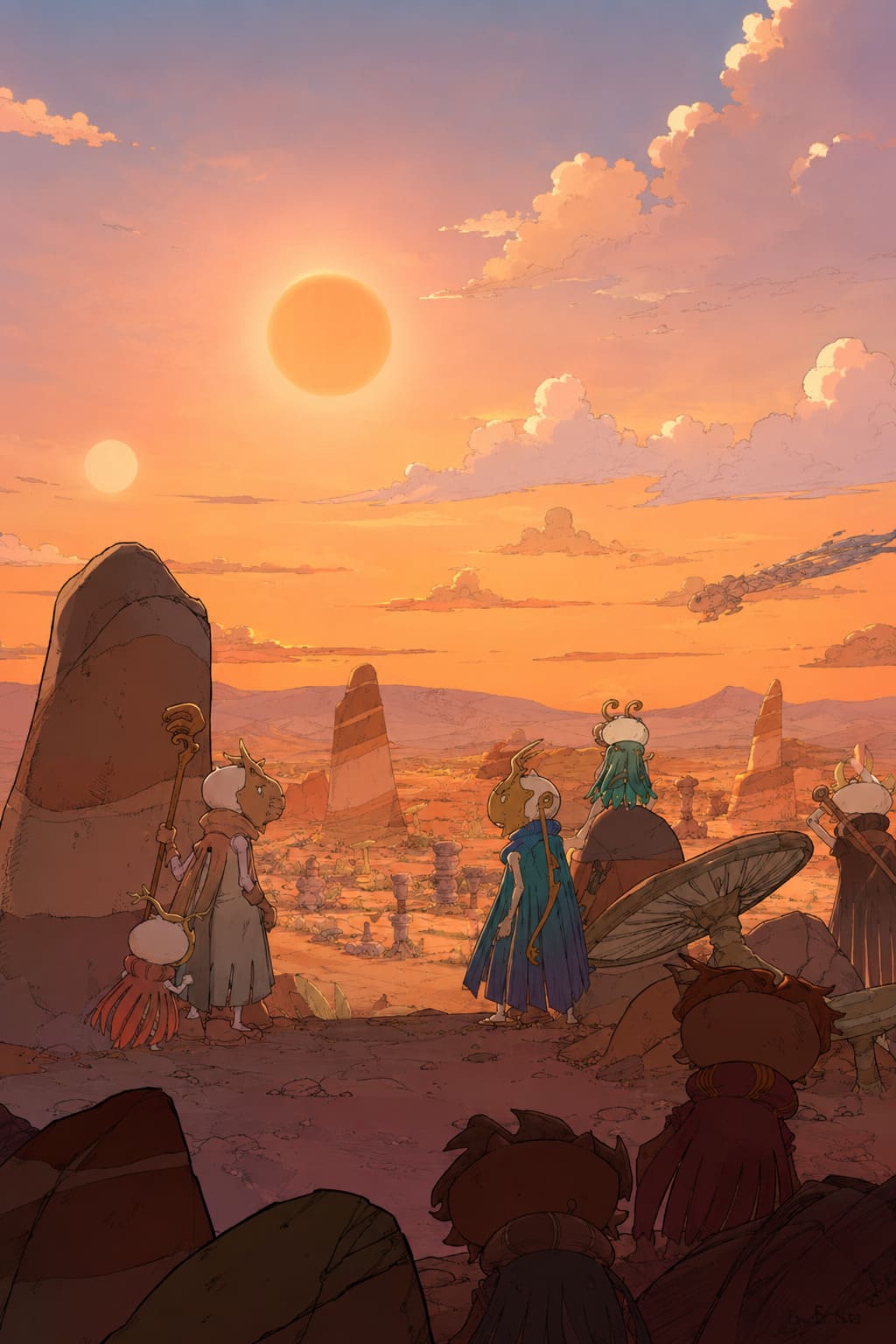
One of the most striking aspects of Maseylia is its visual identity. The game features a surreal sci-fi aesthetic inspired by European comic art traditions, blending organic structures with futuristic architecture.
This is not just a stylistic choice—it directly supports gameplay. Each region is visually distinct, making it easier to remember locations without relying heavily on maps or markers. Floating ruins, glowing structures, and biome-specific architecture all serve as natural navigation cues.
Beyond navigation, the environment also carries the narrative. The story is not delivered through exposition-heavy dialogue but through ruins, environmental clues, and fragmented world design. Players are encouraged to interpret the history of the world through observation rather than explanation.
This approach may not appeal to everyone, but for players who enjoy discovery-driven storytelling, it is highly effective.
Strengths and Weaknesses Overview
| Category | Strengths | Weaknesses |
|---|---|---|
| Movement | Highly fluid and skill-based with strong progression impact | Early game can feel restrictive before systems open up |
| Exploration | Organic world design that rewards memory and observation | Initial navigation can be confusing |
| Combat | Integrated with traversal and positioning | Enemy variety is limited in early sections |
| World Design | Strong vertical interconnected structure | Some visual complexity in darker environments |
| Art Direction | Distinctive and highly memorable aesthetic | May not appeal to players preferring realism |
Final Thoughts
Maseylia: Echoes of the Past is not trying to be a mainstream, easy-to-digest action game. It is designed for players who enjoy learning systems, understanding spaces, and gradually mastering movement mechanics that reshape how they interact with a world.
It is imperfect, and at times deliberately opaque, but that is also part of its identity. Once the mechanics click, the game transforms into a deeply engaging exploration experience where movement and discovery are tightly interconnected.
In a landscape filled with over-explained open worlds and heavily guided progression systems, Maseylia feels refreshing simply because it trusts the player to figure things out.
For anyone looking for a modern 3D Metroidvania that prioritizes curiosity and mechanical mastery over handholding, this is absolutely worth watching.