Akatori Day 1 Patch Notes, Updates, and Nintendo Switch 2 Release Year Delay Explained
Every year there are a handful of indie games that quietly build a loyal following long before release. Akatori was one of those games for me. After playing the early demo and watching the project evolve through community feedback, I had high expectations, but I also had concerns. Some mechanics felt rough, enemy respawns interrupted exploration, and movement occasionally lacked the precision that a great Metroidvania demands.
Now that the full game has officially launched, it’s easy to see that Contrast Games spent those final months polishing the experience instead of simply rushing it out the door. The Day One update isn’t a tiny collection of bug fixes—it changes several of the game’s core systems in ways that genuinely improve how it feels to play.
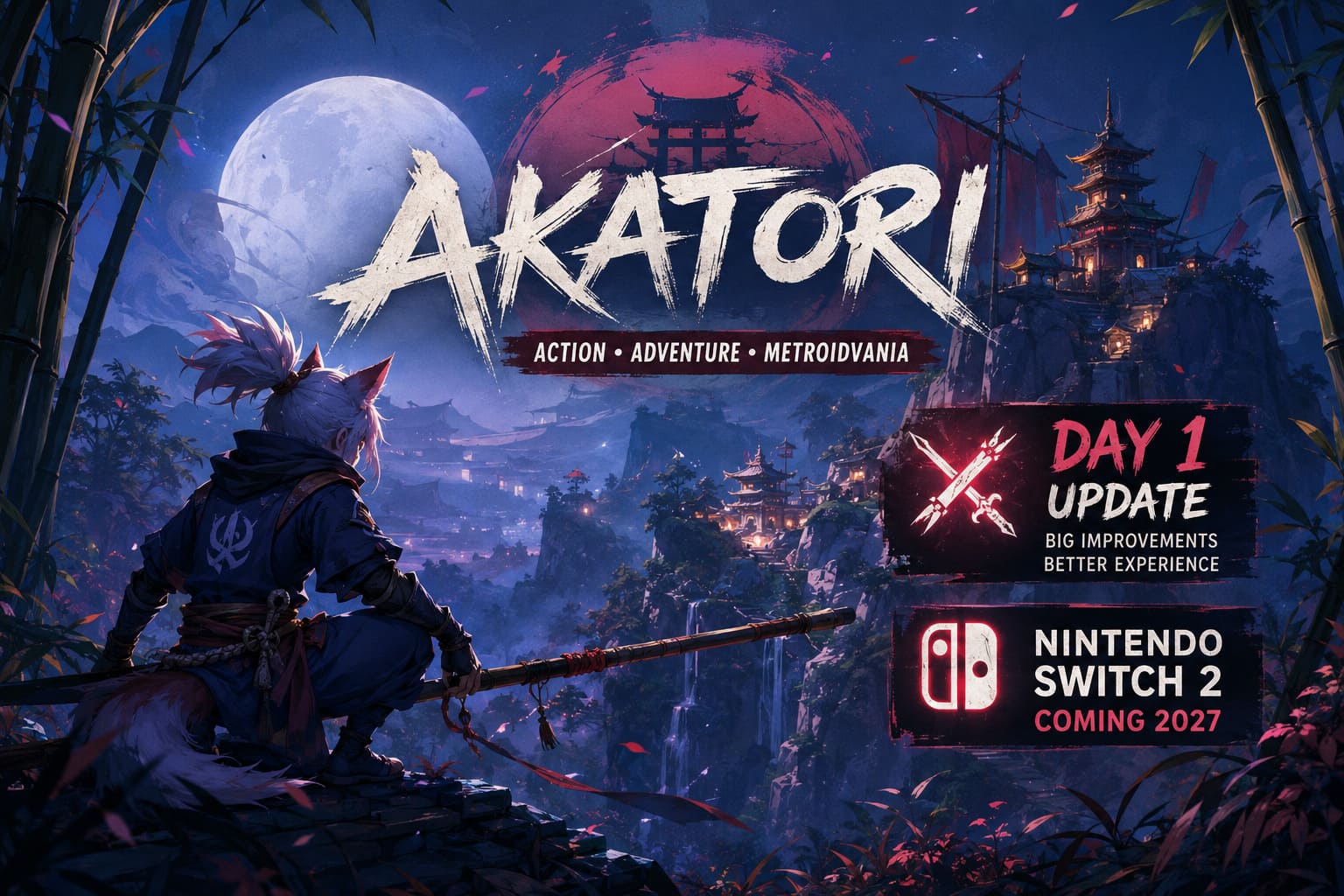
At the same time, another announcement caught plenty of attention. While PC and console players can already begin exploring Akatori’s beautiful world, Nintendo fans will have to wait until 2027 for the dedicated Nintendo Switch 2 version.
After spending time reading community reactions and comparing the launch build with earlier previews, I think both decisions make a lot of sense.
Akatori Feels Like a Different Game Compared to the Demo
One thing immediately stands out after launching the final version.
The developers clearly listened.
That’s something players always hope for, but it doesn’t happen nearly as often as we’d like. Instead of ignoring criticism, Contrast Games tackled many of the issues people repeatedly mentioned during Steam Next Fest and earlier testing periods.
The result isn’t a completely different game—it still has the same identity—but nearly every important mechanic feels smoother.
The movement is more reliable.
Combat flows naturally.
Exploration no longer feels interrupted every few minutes.
For a genre built around precision and momentum, those improvements matter far more than flashy marketing features.
The Biggest Day One Changes
Rather than introducing new content, the launch update focuses on making existing mechanics better.
Some of the most noticeable improvements include:
- Energy management has been rebalanced to reward aggressive combat.
- Charged attacks are more flexible, allowing players to change direction before committing.
- Dodging now feels more useful thanks to counterattack functionality.
- Enemy respawns have been redesigned, eliminating the unpopular timed system.
- Movement and airborne controls feel tighter, especially during difficult platforming sections.
- New quality-of-life options make the game more accessible for newcomers and speedrunners alike.
None of these changes sound revolutionary on paper, but together they dramatically improve the overall experience.
Combat Finally Rewards Staying Aggressive
One of my favorite adjustments is the redesign of the Energy system.
Earlier builds encouraged players to back away from enemies while waiting for Energy to regenerate automatically. That approach slowed down combat and reduced the excitement during longer encounters.
Now the opposite is true.
Automatic regeneration has been reduced, while normal attacks generate Energy much faster. The result is simple—you stay engaged.
Instead of retreating, you’re encouraged to chain attacks together, keep pressure on enemies, and use your abilities more frequently.
It makes every encounter feel far more dynamic.
Another welcome improvement is the ability to rotate during the charging animation of heavy attacks.
This small change eliminates those frustrating moments where an enemy moves behind you while you’re stuck facing the wrong direction.
Sometimes tiny mechanical adjustments make the biggest difference.
Dodge Mechanics Feel Much More Rewarding
Dodging has also received meaningful attention.
Rather than existing purely as a defensive move, it now integrates a counterattack mechanic that rewards proper timing.
Personally, I always enjoy games that encourage skillful defense instead of simple avoidance.
Landing a perfectly timed dodge and immediately responding with an attack creates a satisfying rhythm during combat, especially against faster enemies.
Combined with the improved responsiveness, battles simply feel more confident than they did in earlier builds.
Exploration Is Finally Allowed to Breathe
If there was one complaint I consistently saw before launch, it involved enemy respawns.
Previously, enemies returned automatically after roughly twenty seconds.
For an action game that might sound reasonable.
For a Metroidvania?
Not so much.
Exploration is one of the genre’s defining strengths. Players love searching every corner of the map, experimenting with movement abilities, and revisiting areas to uncover hidden secrets.
Constantly forcing combat back into cleared rooms interrupted that flow.
Thankfully, Contrast Games completely removed the timer-based system.
Enemies now return only after resting at checkpoints or moving between major regions.
That single decision makes exploration feel much closer to classic Metroidvania design.
Personally, I think this is the smartest change included in the launch patch.
Better Tutorials Without Slowing Down the Adventure
Akatori introduces several unique traversal mechanics, particularly those involving bamboo poles and staff movement.
Earlier versions explained these mechanics mostly through menus.
The final release teaches players naturally through gameplay while also providing clearer tutorials.
It’s a much better approach.
The update also introduces several welcome quality-of-life improvements.
| Feature | Why It Matters |
|---|---|
| Improved tutorials | Easier learning curve for new players. |
| Low health indicator | Provides better awareness during difficult fights. |
| Separate Breath meter | Prevents unexpected underwater deaths. |
| Enemy highlighting | Makes enemies easier to distinguish from detailed backgrounds. |
| Camera shake toggle | Lets players customize visual comfort. |
| Cutscene skip | Ideal for speedruns and additional playthroughs. |
None of these features individually transform the experience.
Together, though, they create a noticeably more polished game.
Why the Nintendo Switch 2 Version Is Coming Later
The other major topic surrounding Akatori isn’t about gameplay at all.
It’s about where you can play it.
The game launches first on PC before expanding to PlayStation and Xbox platforms shortly afterward.
Nintendo players, however, will have to wait until 2027 for the dedicated Switch 2 release.
At first glance, delays always disappoint fans.
But after looking at the game’s technical design, I honestly think waiting is the better outcome.
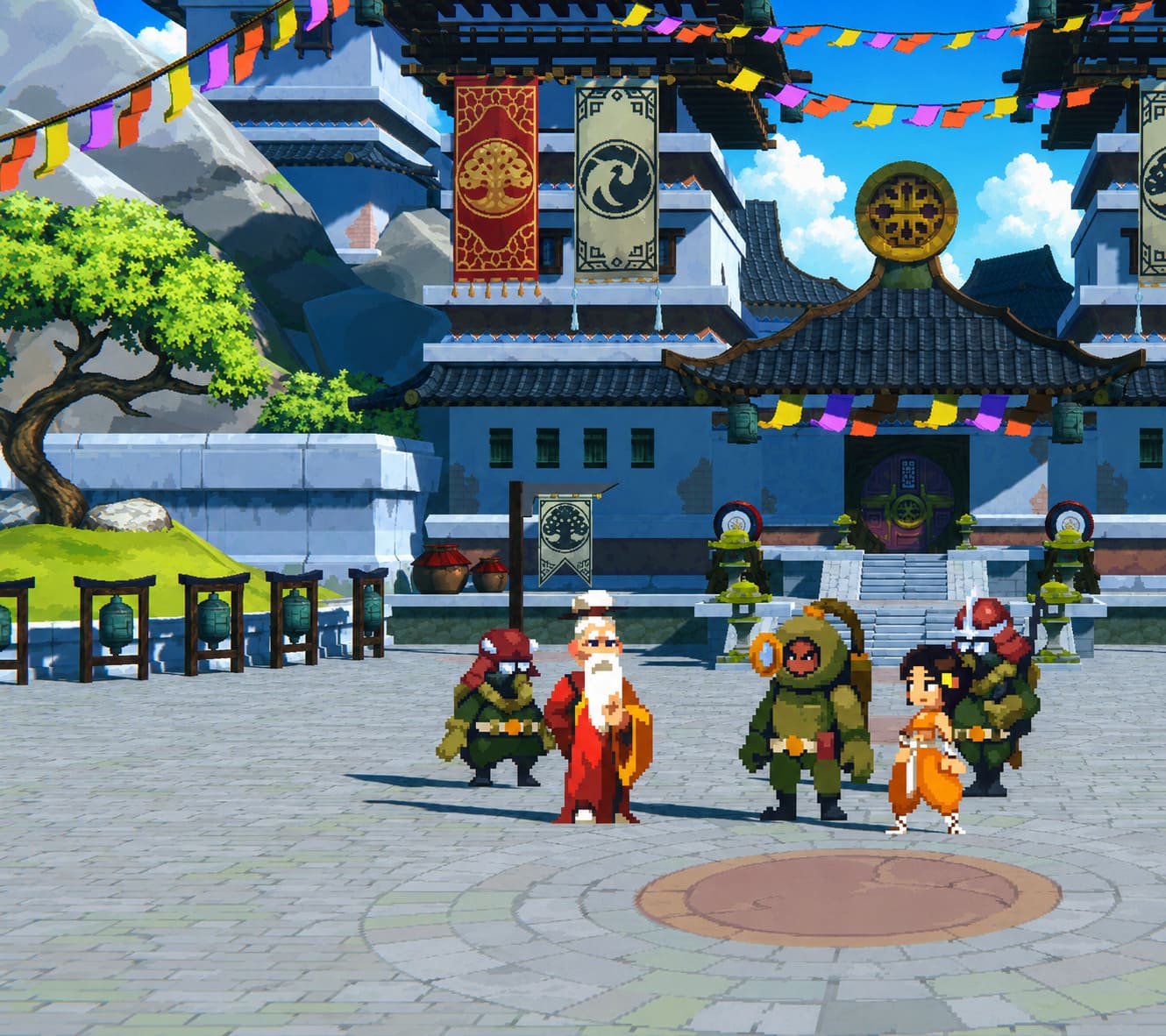
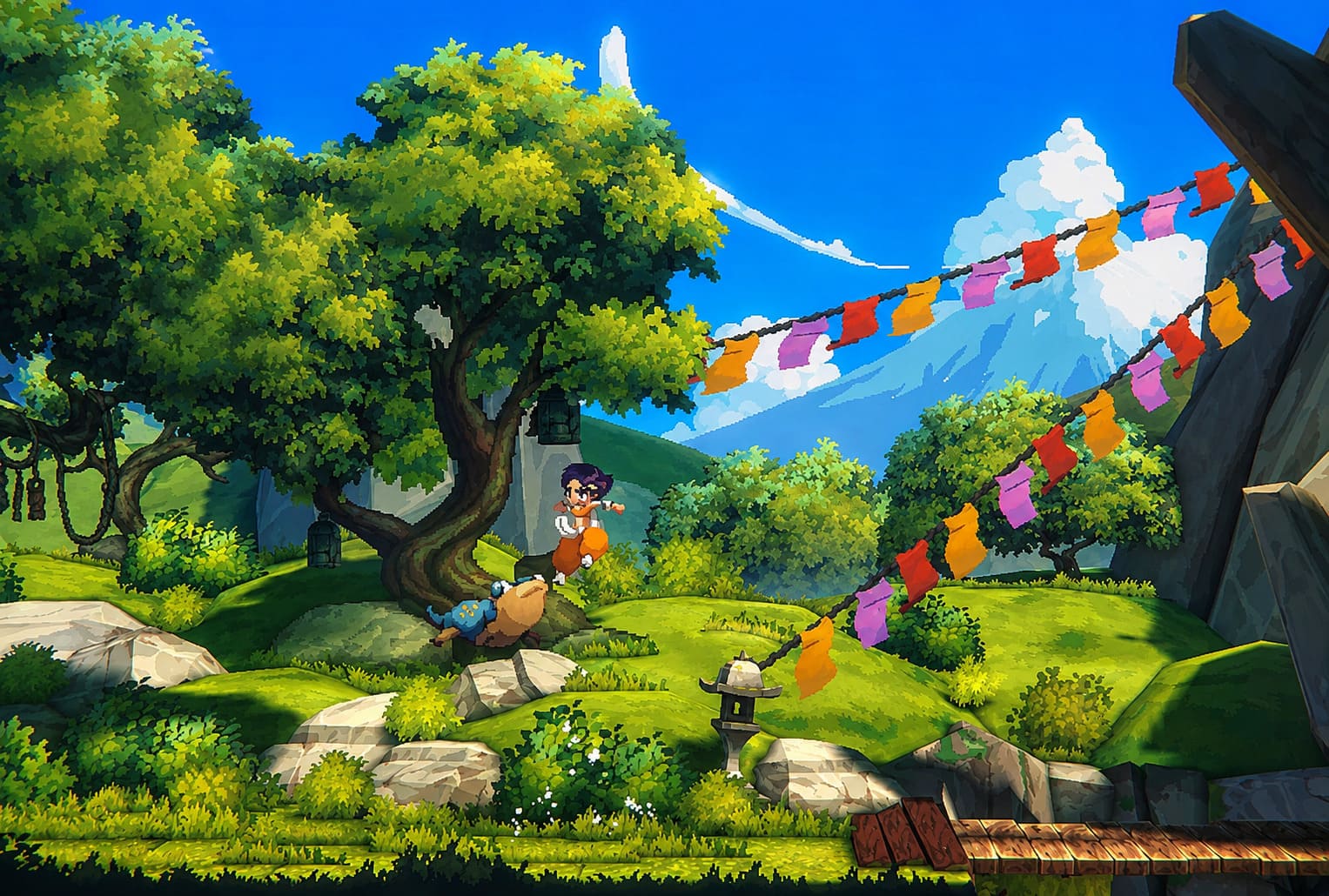
Akatori isn’t just another pixel-art platformer.
Behind the detailed sprite work sits an impressive blend of 3D environments, lighting systems, physics interactions, and seamless world transitions.
Those visual effects look fantastic because they’re doing far more work than most screenshots suggest.
Trying to rush that experience onto new hardware simply to hit an earlier release date could easily create performance problems.
I’d rather wait several extra months than play a version struggling to maintain smooth performance during fast platforming sequences.
Precision matters in games like this.
Frame drops can completely ruin difficult boss fights or advanced movement challenges.
Community Opinions Are Surprisingly Positive
After browsing discussions across Reddit, Steam, and YouTube, I noticed something interesting.
Players aren’t arguing very much.
Instead, most conversations revolve around how much better the final release feels compared to previous demos.
Several recurring opinions appear repeatedly:
- The removal of timed enemy respawns is one of the best launch decisions.
- Platforming feels noticeably smoother than earlier builds.
- Combat animations respond faster to player inputs.
- The Switch 2 delay is understandable if it results in a polished version.
- The game’s affordable price makes it an easy recommendation for Metroidvania fans.
That’s not to say everyone agrees on everything.
Some players still think a simultaneous Nintendo release would have been ideal.
Others hope additional balancing updates continue arriving over the coming months.
Still, the overall mood surrounding the launch has been far more positive than many indie releases experience.
Liquidation RTS Guide: Pro Tips, Faction Strategies, and Combat Lifehacks
Is Akatori Worth Buying Right Now?
For me, the answer is yes—especially if you enjoy games where movement feels just as important as combat.
Akatori doesn’t reinvent the Metroidvania genre overnight.
Instead, it builds upon familiar foundations while introducing enough personality to stand out.
The combination of martial arts combat, fluid traversal, dimension-shifting mechanics, and beautiful environmental art creates an adventure that’s easy to keep playing “just one more room.”
Even better, the developers have already shown they’re willing to improve the game based on community feedback.
That’s always encouraging to see.
If you’re playing on PC, PlayStation, or Xbox, there’s very little reason to wait.
The Day One update already fixes many of the issues people worried about before launch.
If you’re planning to play on Nintendo Switch 2, the extra wait until 2027 may feel frustrating, but I’d rather receive a polished native version than a rushed port that struggles with performance.
Sometimes patience genuinely pays off.
Liquidation Divio PC Performance Guide: How to Boost FPS and Fix Stutters on Low-End PCs (2026)
Final Thoughts
Indie games often succeed because passionate developers continue refining their ideas long after early demos reach players. Akatori feels like one of those success stories. Instead of treating launch day as the finish line, Contrast Games used player feedback to improve combat, streamline exploration, polish movement, and eliminate mechanics that didn’t fit the spirit of the genre.
After seeing everything included in the Day One update, I came away more optimistic than I was during the preview period. The game now feels tighter, faster, and much more enjoyable to explore. If the studio continues supporting it with future patches, Akatori has a strong chance of becoming one of the standout indie Metroidvania releases of 2026. Whether you’re chasing hidden collectibles, mastering advanced movement routes, or simply looking for your next great action-platformer, this is a journey that’s well worth taking.