Ghost in the Snow – My Stealth Survival Guide for War of the Worlds: Siberia (2026 Strategy Breakdown)
I’ve always been the kind of player who prefers disappearing into the environment rather than charging head-on into danger.
So when I started spending serious time in War of the Worlds: Siberia, I quickly realized something pretty obvious: trying to fight the Martians like a soldier is basically a shortcut to restarting from your last save.
This game rewards patience, awareness, and a slightly paranoid mindset. After a lot of trial, failure, and some genuinely intense “oh no, that Tripod definitely saw me” moments, I started developing a stealth-first approach that completely changed how I experience the game. I call it the Ghost in the Snow playstyle.
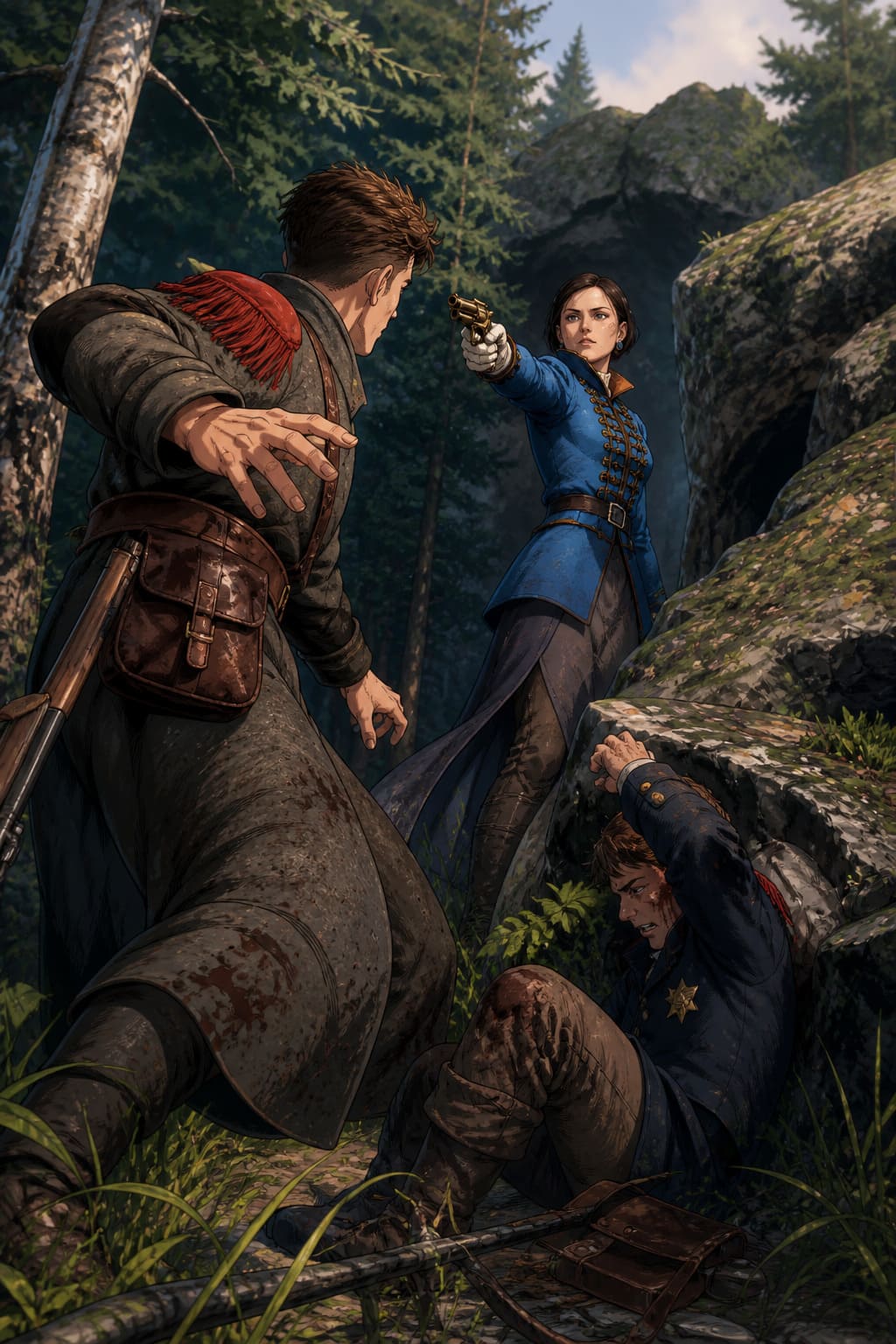
It’s not just about sneaking. It’s about understanding how the Martians think, how the environment reacts to you, and how to turn Siberia itself into your weapon.
How to Unlock the Moon Mage in The Spell Brigade (2026 Updated Guide)
1. Siberia Is Not Just a Map – It’s Your Stealth System
One of the first things I underestimated in War of the Worlds: Siberia was how alive the environment actually feels. Snow, wind, fog, industrial smoke – it’s all part of the stealth system whether the game explicitly tells you or not.
What I noticed after a few hours is that deep snow actually works both ways, storms can save your life or ruin your escape, and even abandoned villages feel “watched” if you’re careless.
My personal stealth rules in Siberia are simple: move slow when it matters, not always, use terrain height differences constantly, and never cross open white fields without a plan. The snow is your best friend, but also a trap. You move slower, but you also become quieter. I stopped treating snow like a visual effect and started treating it like cover.
2. Martian Detection – It’s Not Just Vision, It’s Physics
What makes the Martians terrifying isn’t just their firepower. It’s the way they detect you. Once I stopped thinking of them as “enemies” and started treating them like sensor systems, everything became clearer.
They don’t just see. They read the environment. Heat signatures matter more than movement speed, noise is secondary but still dangerous in close range, and light reflection off snow can actually expose you.
One of the most surprising discoveries for me was that standing near certain heat sources like broken pipes or burning structures can actually hide you. The game almost encourages blending into chaos instead of avoiding it completely.
Detection Breakdown
| Threat Type | Detection Method | Survival Counter |
|---|---|---|
| Tripods | Heat + movement scan | Thermal masking |
| Scout Drones | Visual + motion burst | Snow cover |
| Ground Units | Sound + vibration | Slow crouch movement |
3. Weak Points Aren’t Just Weak Points – They’re Systems
At first, I treated Martian weak spots like standard shooter mechanics. Head equals damage, legs equal slow, done. But in this game, weak points are actually functional systems.
The glowing ocular system is not just a sensor – it stabilizes their targeting. Leg joints are not just armor gaps – they control balance and heat distribution. The core structures are heavily shielded but become exposed during overload cycles.
The first time I managed to disable a Tripod, it wasn’t because I dealt massive damage. It was because I interrupted its balance cycle. That changed everything for me.
My Target Priority
- Sensors – disable awareness first
- Mobility systems – force repositioning
- Core exposure windows – finish quickly or retreat
4. Stealth Tools That Actually Matter
There are a lot of tools in the game, but not all of them are equally useful. After testing different setups, I narrowed my loadout to what actually helps survival instead of just looking cool in inventory.
Smoke devices are essential for crossing open terrain, silent melee weapons are crucial for close-range eliminations, and noise distractions are extremely powerful for controlling patrol routes. What surprised me most was how effective simple distractions are. A single thrown object can completely change a patrol path if timed correctly.
I also stopped thinking of grenades as damage tools and started using them as control tools instead. That shift alone made stealth runs far more consistent.
5. The “Under the Giant” Strategy
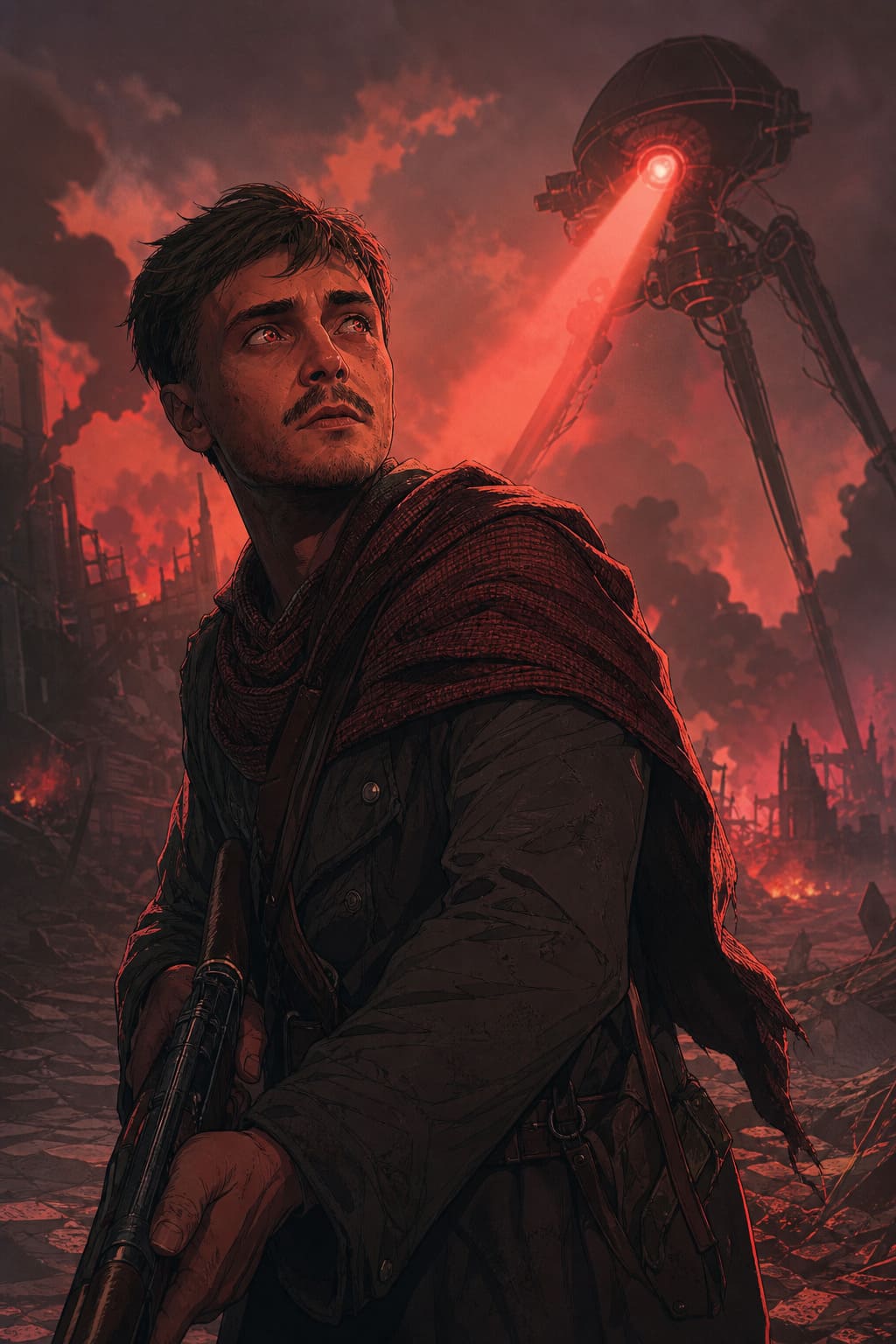
This is probably the most stressful tactic I’ve ever used in a game. Tripods have a blind zone directly beneath them. The first time I realized this, I honestly thought it was a bug. It isn’t.
If you position yourself correctly, their main weapon cannot angle downward, their scanning systems lose precision at close proximity, and audio tracking becomes inconsistent due to mechanical noise.
In this zone, you can plant explosives, sabotage components, or slip through patrol gaps unnoticed. But the risk is extreme. One mistake and it’s over instantly. This is not a beginner strategy, but once mastered, it completely changes how you approach encounters.
6. Survival Loadout – What Actually Works
After a lot of experimentation, I stopped chasing “perfect builds” and focused on consistency. Reliability matters more than creativity when survival is on the line.
| Item | Purpose |
|---|---|
| White camouflage | Blends into snow environments |
| Quiet boots | Reduces movement noise |
| Thermal dampeners | Reduces heat signature |
| Smoke tools | Emergency disengagement |
| Light melee weapon | Silent takedowns |
I used to overthink gear. Now I focus on reliability. If something works most of the time, it’s better than something flashy that only works in perfect conditions.
7. What Changed My Entire Playstyle
The biggest shift for me wasn’t a weapon or item. It was mindset. At first, I treated War of the Worlds: Siberia like a combat game. Then I started treating it like a survival simulation where combat is the last possible option.
I stopped rushing objectives, started observing patrol patterns, and learned to retreat early instead of finishing fights. Ironically, this made me survive longer and progress faster at the same time.
Final Thoughts
If I had to summarize everything I’ve learned in one sentence, it would be this: in Siberia, survival isn’t about fighting harder – it’s about being harder to find than to kill.
The Martians are powerful, but they’re not unbeatable. They rely on systems, patterns, and assumptions. Once you start breaking those assumptions, the entire game opens up in a completely different way.
The Ghost in the Snow playstyle isn’t just effective – it makes the game feel like a different genre entirely. Less shooter, more predator-prey simulation where you are the thing they never fully detect until it’s too late.
And honestly, that’s where War of the Worlds: Siberia becomes truly unforgettable.