Tiny Delivery Map Mastery: Speedrunning Routes, Secret Paths & Every Region Explained
If there’s one thing I didn’t expect from Tiny Delivery, it was how quickly a “cozy delivery game” turned into something I genuinely got lost in for hours. On the surface, it looks simple: pick up packages, drive carefully, deliver on time.
But the more you explore, the more you realize the world is packed with hidden routes, small environmental stories, and optional objectives that slowly pull you into its rhythm.
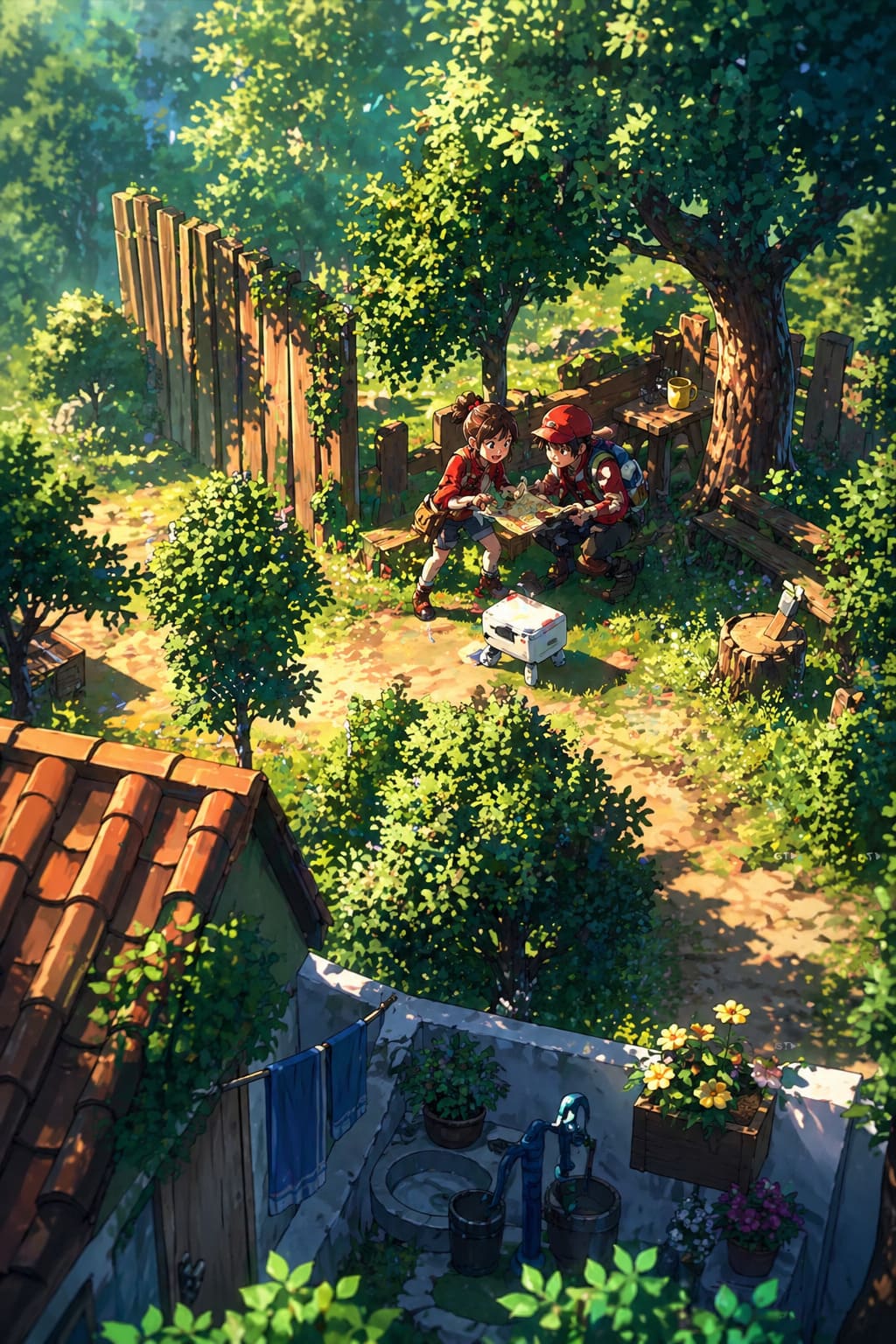
This guide isn’t just a dry map breakdown. It’s more like a fellow player sharing what actually matters after spending too much time driving a tiny overloaded robot through mountains, snowstorms, and lakeside towns.
The World of Tiny Delivery Feels Small… Until It Isn’t
At first, Tiny Delivery feels like a compact map with a few cozy zones. But the game cleverly expands your understanding of its world over time. You don’t just unlock areas—you start noticing connections between them.
The map is generally split into four major regions:
- Mountain Town
- Snowy Peaks
- Fishing Town
- Factory District
Each area has its own personality, gameplay pacing, and even driving logic. What works in one zone will absolutely get you stuck in another if you’re not careful.
Mountain Town – Where Everything Starts (and Tricks You Into Staying Too Long)
Mountain Town is where most players begin, and honestly, it’s deceptive. It looks easy, but the narrow streets and vertical design can mess with your route planning.
The first time I played, I thought I had mastered it in 20 minutes. Two hours later, I was still finding new shortcuts between buildings.
Key locations include the Central Depot, your main hub for early deliveries, the Pawn Shop where cosmetic upgrades slowly hook you into customization, Eston & Weston twin residential zones connected by tight tunnels, and Upton, an elevated area that teaches vertical navigation early.
What makes Mountain Town interesting is how it trains you without telling you. You start learning how weight affects turns, how speed matters more than precision sometimes, and why stopping “just for a second” usually ends in chaos.
Snowy Peaks – The Game Stops Being Friendly Here
This is where Tiny Delivery shifts tone slightly. Not into difficulty overload, but into something more survival-focused. Snowy Peaks feels like the game asking, “Are you actually paying attention?”
Visibility drops, roads narrow, and suddenly your driving habits matter a lot more.
Key locations include Snowy Peaks Pawn Shop with winter cosmetics and essential upgrades, the four Radio Towers tied to a major progression chain, and Lopton Small House, a frequent delivery hotspot.
One of the most important mechanics here is environmental interaction. Tools like the lighter become essential for clearing blocked paths or maintaining progress through obstacles. It’s not decorative—it’s functional progression gating.
What stands out most is how the region forces planning. You can’t just drive fast and hope anymore.
Fishing Town – Slow, Calm… and Slightly Misleading
Fishing Town is where the game pretends to relax again. Visually, it absolutely delivers on that promise. But underneath, it becomes more about routing efficiency and timing.
Instead of tight navigation, you deal with open terrain that still punishes mistakes in subtle ways.
Key locations include the Lakeside Bar, an important NPC interaction point, Fishing Huts scattered across the lake requiring careful delivery tools, and frozen lake routes that can serve as risky but faster shortcuts.
This is also where the game introduces more character-driven storytelling without forcing it. If you pay attention, you’ll notice how much narrative is hidden in small interactions rather than cutscenes.
Factory District – Where Everything Connects
The Factory District feels like the late-game truth of the map. Everything you’ve learned starts coming together here—routing, upgrades, exploration habits.
It’s not just deliveries anymore; it feels like system optimization.
You’ll notice longer delivery chains, higher-value packages, more interconnected routes, and hidden progression triggers that quietly shape your endgame path.
Hidden Secrets You’ll Probably Miss
This is where Tiny Delivery really shines. The world is packed with optional content that doesn’t scream for attention.
- Bunkers (5 total): Hidden across biomes, adding lore depth and mystery.
- Snowcats: Small collectible statues hidden in tricky corners for completionists.
- Tiny Island: A barely visible map point in the southwest region that unlocks a secret achievement.
- Mysterious Chair: One of the strangest interactable objects in the game.
Quick Region Comparison
| Region | Difficulty | Main Focus | Hidden Content |
|---|---|---|---|
| Mountain Town | Easy–Medium | Learning mechanics | Moderate |
| Snowy Peaks | Medium–Hard | Survival & tools | High |
| Fishing Town | Easy | Story + routing | Medium |
| Factory District | Hard | Optimization | Very High |
Pro Tips That Actually Matter
After spending too long optimizing routes, a few things consistently improved performance more than anything else.
- Don’t rush upgrades early because some cosmetics unlock utility indirectly.
- Group deliveries mentally before accepting them to avoid unnecessary backtracking.
- Use environmental shortcuts instead of relying on speed alone.
- Pay attention to terrain memory rather than UI markers.
- Learn delivery rotation patterns for efficiency gains.
One underrated truth is that the game rewards pattern recognition more than raw driving skill.
Tiny Delivery Speedrunning in 2026: Early Route Theory, Movement Ideas, and What Players Should Prepare For
If you’re anything like me, you probably saw Tiny Delivery for the first time and immediately thought: “Okay… but how fast can I break this?” That’s just how my brain works with games like this. The upcoming indie title from Sinica already looks like one of those deceptively cozy experiences that slowly turns into a playground for chaos, optimization, and ridiculous speedrunning routes.
The game isn’t even out yet (currently aimed for Q3–Q4 2026), but the early trailers and mechanics already scream one thing: this is going to be a speedrunner’s sandbox.
So instead of waiting passively, I’ve been mentally mapping what a real optimized run might look like. Not as a theorycraft expert, but as someone who’s played enough weird indie games to know where the community is going to break things wide open.
The Core Idea: Tiny Delivery Isn’t Just About Delivering Packages
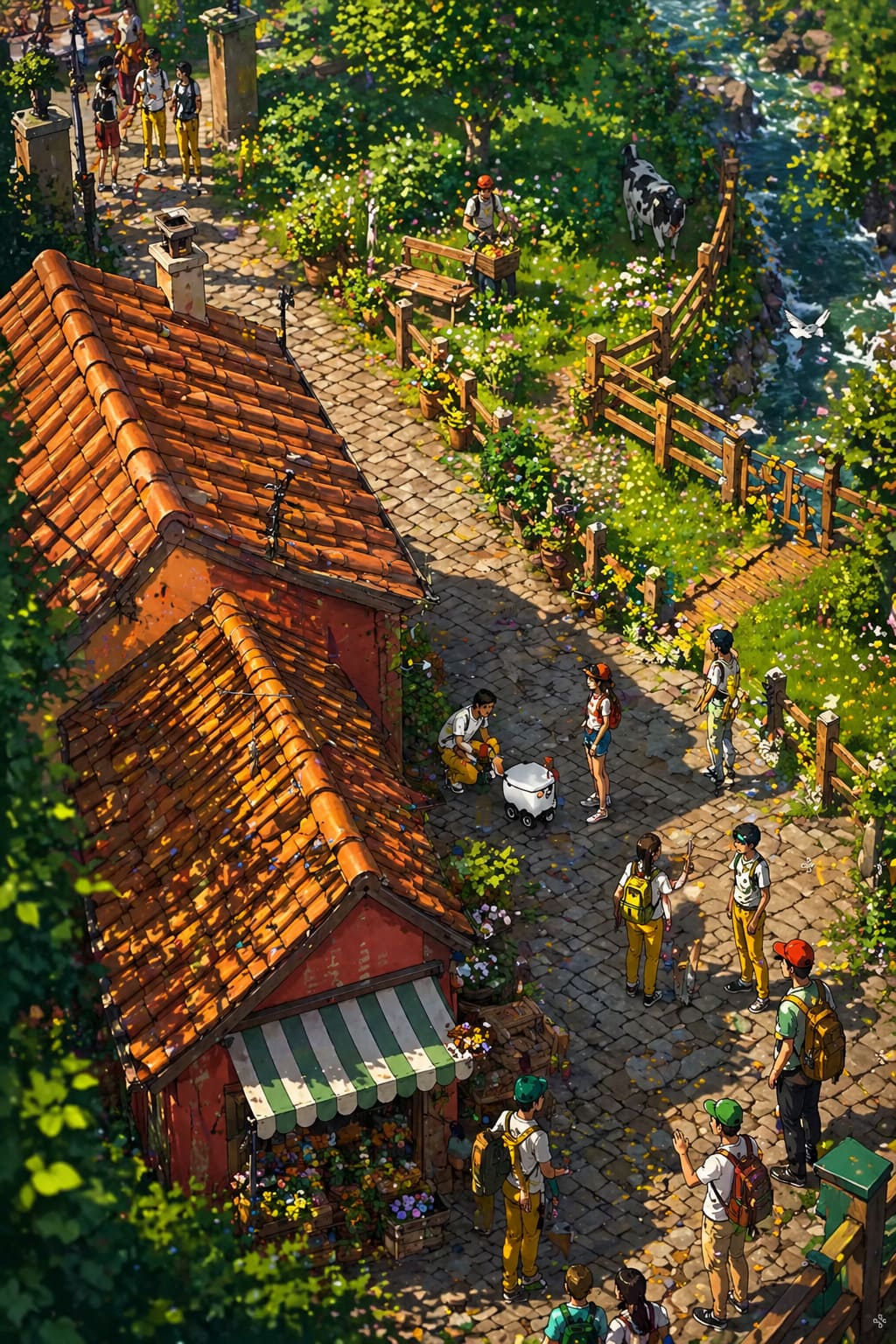
On the surface, Tiny Delivery is simple: you are a small robot delivering packages through a lively neighborhood. But if you look closely at the hints from trailers and previews, the game is much more than that.
There’s environmental interaction where you can “borrow” or “steal” objects, NPC reactions that can disrupt movement, semi-open neighborhood layouts, random or spontaneous events, and light narrative elements with dialogue.
And that combination is exactly what speedrunners dream about, because when a game gives you systems instead of straight lines, players don’t follow routes—they invent shortcuts that the developers probably never intended.
Early Speedrunning Theory: What Will Matter Most
Even without a full release, we can already predict the core pillars of any future Any% or All Quests category.
1. Movement Is Everything
In almost every delivery or physics-based game, movement tech becomes the foundation of speedrunning. Expect players to test diagonal movement optimization, sprint-cancel mechanics if they exist, collision abuse on curbs and fences, robot physics momentum stacking, and possible jump or boost interactions even if unintended.
If there’s even a hint of movement tech, the community will find it and optimize it aggressively. A likely early discovery could be something like clipping through backyard fences using crate weight and slope physics.
2. Route Planning Will Be More Like Puzzle Solving
Routes won’t just be about shortest distance—they’ll be about interaction abuse. Early routing will likely focus on avoiding NPC-heavy zones, identifying usable objects for shortcuts, mapping low-interruption delivery paths, and separating safe versus risky routes.
A simple early structure might look like planning a start zone with fast mobility items, a mid-route focused on backyard shortcuts, and a delivery phase minimizing dialogue triggers. Once glitches appear, this structure will evolve rapidly.
3. RNG Will Be the Silent Enemy
Spontaneous events introduce randomness that can disrupt even perfect routes. NPCs may block paths, events may spawn unpredictably, and item or object placement may vary slightly.
This forces speedrunners into a decision loop: reset early for optimal RNG or adapt mid-run and recover time. Most high-level strategies will likely include backup routes designed specifically for bad RNG scenarios.
4. Dialogue and Narrative Skipping Will Be Huge
If Tiny Delivery leans into narrative elements, dialogue will become a major time sink. Any% runs will focus heavily on fast text skipping, avoiding optional conversations, triggering sequence breaks, and forcing dialogue cutoffs through movement.
In speedrunning terms, dialogue is never just story—it’s always time loss waiting to be optimized away.
Reset Strategy: The Hidden Backbone of Fast Runs
One of the most important aspects of speedrunning is knowing when to reset. In delivery-style games, resets often reposition the player, change NPC states, or alter item placement.
Possible strategies may include checkpoint resets for repositioning, controlled failures to manipulate game state, and reload techniques to skip traversal sections. These mechanics often define the difference between casual runs and top-tier optimized runs.
My Personal Expectation as a Player
Personally, I expect Tiny Delivery to evolve from a cozy exploration game into a chaotic optimization puzzle once the community gets involved. The typical cycle will likely be calm exploration at launch, followed by movement tech discoveries, then glitch-based routing, and eventually highly optimized speedrun categories that look nothing like the intended experience.
There’s something fascinating about watching a game transform into a completely different sport once players stop following the rules and start analyzing systems instead.
What You Should Do If You Want to Compete Early
If you want to get into early speedrunning for Tiny Delivery, focus on studying trailers for movement hints, learning routing fundamentals, joining early community hubs, and being ready to discard initial assumptions about “intended gameplay.”
The most important rule is simple: your first route will be wrong. And that’s exactly how it should be.
Final Thoughts
Even before release, Tiny Delivery already feels like it has the right ingredients for a strong speedrunning community. Movement systems, interactive environments, and unpredictable events create the perfect conditions for creative routing and discovery.
The most exciting part won’t be the final optimized route—it will be the chaotic early phase where players collectively break the game, experiment with mechanics, and slowly turn it into something entirely different from what was intended.
If everything lines up, Tiny Delivery won’t just be a game about delivering packages. It will be a game about how fast you can completely dismantle its systems.