Conan Exiles: Age of Heroes Guide — Crafting the Keystone and Escaping the UE5 Exiled Lands
If you’ve spent enough time in Conan Exiles, you eventually realize the game isn’t just about surviving sandstorms, building massive fortresses, or collecting the strongest thralls.
There is a real, deliberate “end” hidden behind some of the hardest PvE content in the game. And unlike most survival games, this ending doesn’t just give you a trophy—it wipes everything you’ve built and forces you to start over.
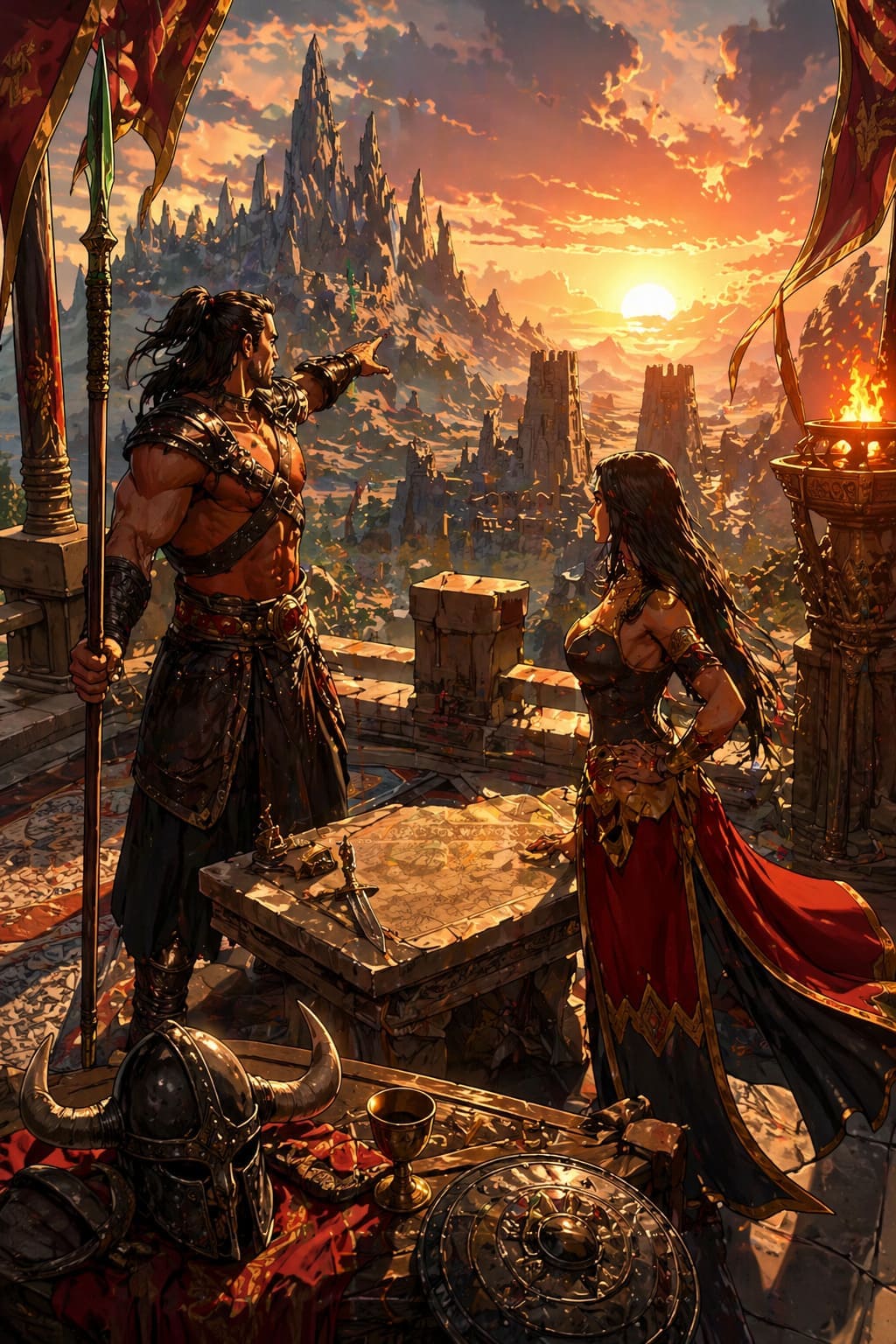
This guide is a complete, player-style breakdown of how the hidden ending actually works, how to gather every required artifact, and what really happens when you decide to leave the Exiled Lands for good.
Black Flag Resynced: Tailing Missions Fix & Original vs Remaster Comparison
The Real Endgame: Escaping the Exiled Lands
At the center of the game’s hidden finale is one simple mechanic: your slave bracelet. As long as it’s on your wrist, you are trapped inside the Exiled Lands. Trying to cross the green curse barrier (often called the “Ghost Wall”) without removing it results in instant death. There is no workaround, no secret glitch, no climbing your way out.
To escape, you must craft a powerful endgame item called the Keystone, then use it to remove the bracelet at the final location. The process is long, dangerous, and intentionally designed to feel like a proper “end of journey.”
But here’s the catch that surprises many players: using the Keystone permanently deletes your character and all progress. This isn’t a symbolic ending. It’s a full reset.
All Keystone Artifacts: What You Need to Collect
The Keystone isn’t crafted from common materials. It requires six legendary artifacts dropped from some of the hardest bosses and dungeons in the game.
Below is a simplified breakdown to keep things clear and practical.
Key Artifact Overview
| Artifact | Location | Boss / Challenge |
|---|---|---|
| Scourgestone (3 pieces combined) | Desert / Shipwreck / Passage | Crocodile, Captain, Hive Queen |
| Tears of Two Races | Black Keep (Frozen North) | Kinscourge (Tyros the Deathbringer) |
| Star of the Champion | The Sinkhole | Undead Dragon |
| Mask of the Witch Queen | Palace of the Witch Queen | Witch Queen + Guardians |
| Diadem of the Giant-Kings | The Barrow King Cave | King Beneath |
| Shining Trapezohedron | Well of Skelos (Volcano) | The Degenerate |
1. Scourgestone: The Fragment Hunt
This is the most “quest-like” part of the entire process. You don’t get one item—you assemble it. You’ll need three fragments: a Jagged Piece dropped by a giant crocodile boss in a swamp tomb, a Shattered Piece found after defeating a captain in Buccaneer Bay, and a Broken Piece earned from the Hive Queen in The Passage.
Once collected, you bring them to Petruso the Sandstorm Maniac to assemble the Scourgestone. This section already feels like a mini-adventure chain and sets the tone for everything else.
2. Tears of Two Races: Black Keep Nightmare
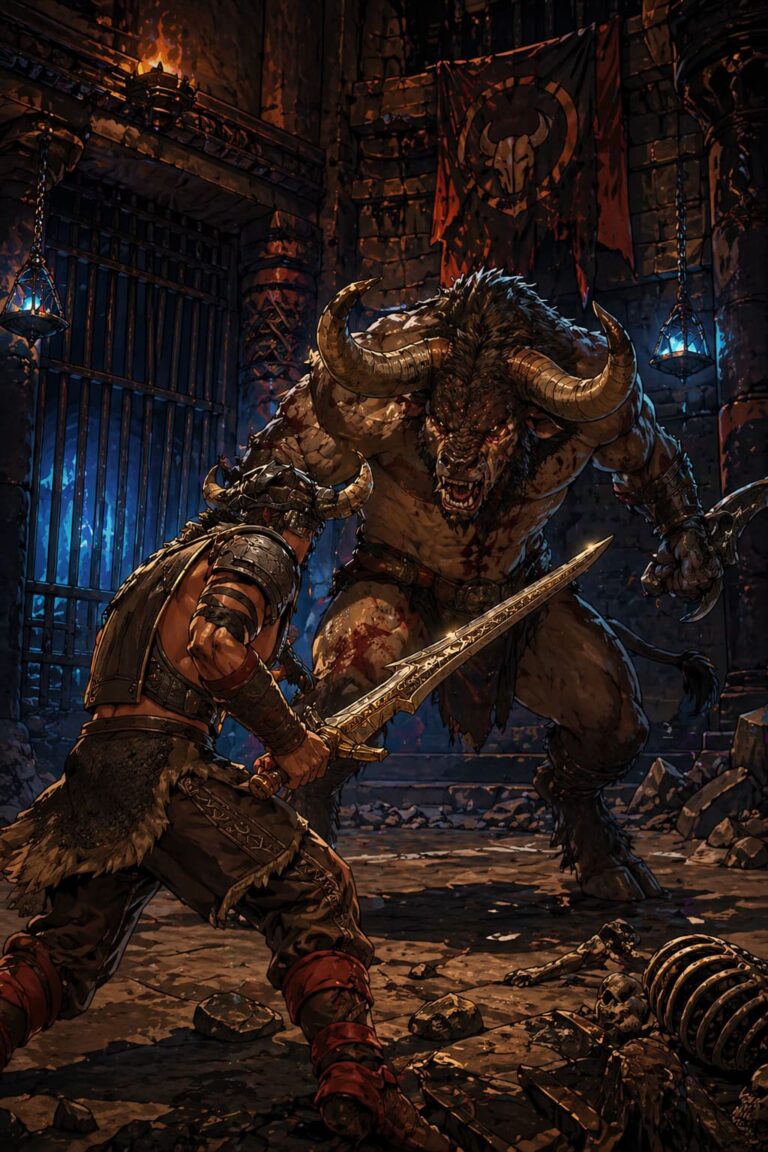
The Black Keep dungeon is where many players hit their first real difficulty wall. Inside, you face narrow corridors, undead enemies, and eventually the boss Tyros the Deathbringer.
The key detail most players miss is that you must harvest his body with a cleaver or knife to obtain the item. No harvesting means no progression.
3. Star of the Champion: Sinkhole Arena Fight
This is one of the most intense boss fights in the game. The Undead Dragon in the Sinkhole has massive HP and punishing AoE attacks.
Experienced players usually recommend bringing ranged damage for safe positioning, high-tier thralls as distractions, and avoiding greed since the fight punishes overcommitting. It’s less about raw damage and more about survival discipline.
4. Mask of the Witch Queen
Deep in the jungle lies the Palace of the Witch Queen, a visually stunning but deadly dungeon. You’ll face stone guardians with heavy armor, poison-based environmental hazards, and the Witch Queen herself.
Once defeated, the mask is looted from her remains. This is one of the more cinematic encounters in the game and feels like a classic Conan-style boss battle.
5. Diadem of the Giant-Kings
This artifact is hidden in the far western cave system of the Barrow King. You must carry Demon Blood to even enter the location, which already makes it more restrictive than most dungeons.
Inside, you face the King Beneath, a powerful undead entity tied to ancient lore. This dungeon is more about endurance than speed, with slow heavy fights and tight spaces that punish mistakes.
6. Shining Trapezohedron: Volcano’s Final Test
The final artifact comes from the most dangerous biome in the game: the Volcano. Inside the Well of Skelos, you encounter The Degenerate, the final boss guarding the item.
This area introduces extreme heat damage, complex movement hazards, and high-damage magical attacks. Without proper preparation, this zone alone can end your entire run.
Crafting the Keystone at Chaosmouth
Once all six artifacts are collected, your journey leads you to Chaosmouth, located on the massive aqueduct structure between regions. This is where everything comes together.
To craft the Keystone, climb to the altar, open the crafting interface, insert all six artifacts, and activate the ritual. The altar consumes everything and produces the Keystone, a single-use item tied directly to your character’s fate.
The Final Decision: Leave or Stay
Using the Keystone is not just a gameplay mechanic—it’s a psychological moment for most players. When activated, your character walks toward the edge of the world, removes the slave bracelet, and steps into the green barrier.
What you gain is a complete narrative conclusion, a cinematic ending sequence, and a sense of “beating” the game. What you lose is your base, thralls, gear, and character level. Everything resets to zero.
Should You Actually Escape?
This is where players usually split into two groups. Some leave after finishing a long solo journey or for roleplay reasons, while others stay because they are invested in PvP, building, or long-term progression.
Most players delay this decision indefinitely because rebuilding from scratch is a huge commitment.
Preparation Tips Before Attempting the Ending
If you’re seriously planning to go for the Keystone ending, don’t rush it. Upgrade weapons to legendary tier, bring backup gear for Volcano and Black Keep, use strong thralls for boss tanking, and stock healing items and buffs. Most importantly, treat it as a full endgame marathon, not a casual quest.
Conan Exiles: Age of Heroes 2026 – The Brutal World Reforged in Unreal Engine 5
If you’ve been anywhere near survival games over the last decade, you probably already know that Conan Exiles is one of those titles that refuses to die quietly.
It evolves, it mutates, and in 2026 it feels less like a “game update cycle” and more like a full-scale rebirth. With the arrival of Conan Exiles Enhanced and the ongoing Age of Heroes expansion, Funcom is clearly not just polishing an old classic—they’re rebuilding Hyboria into something far more ambitious, chaotic, and alive.
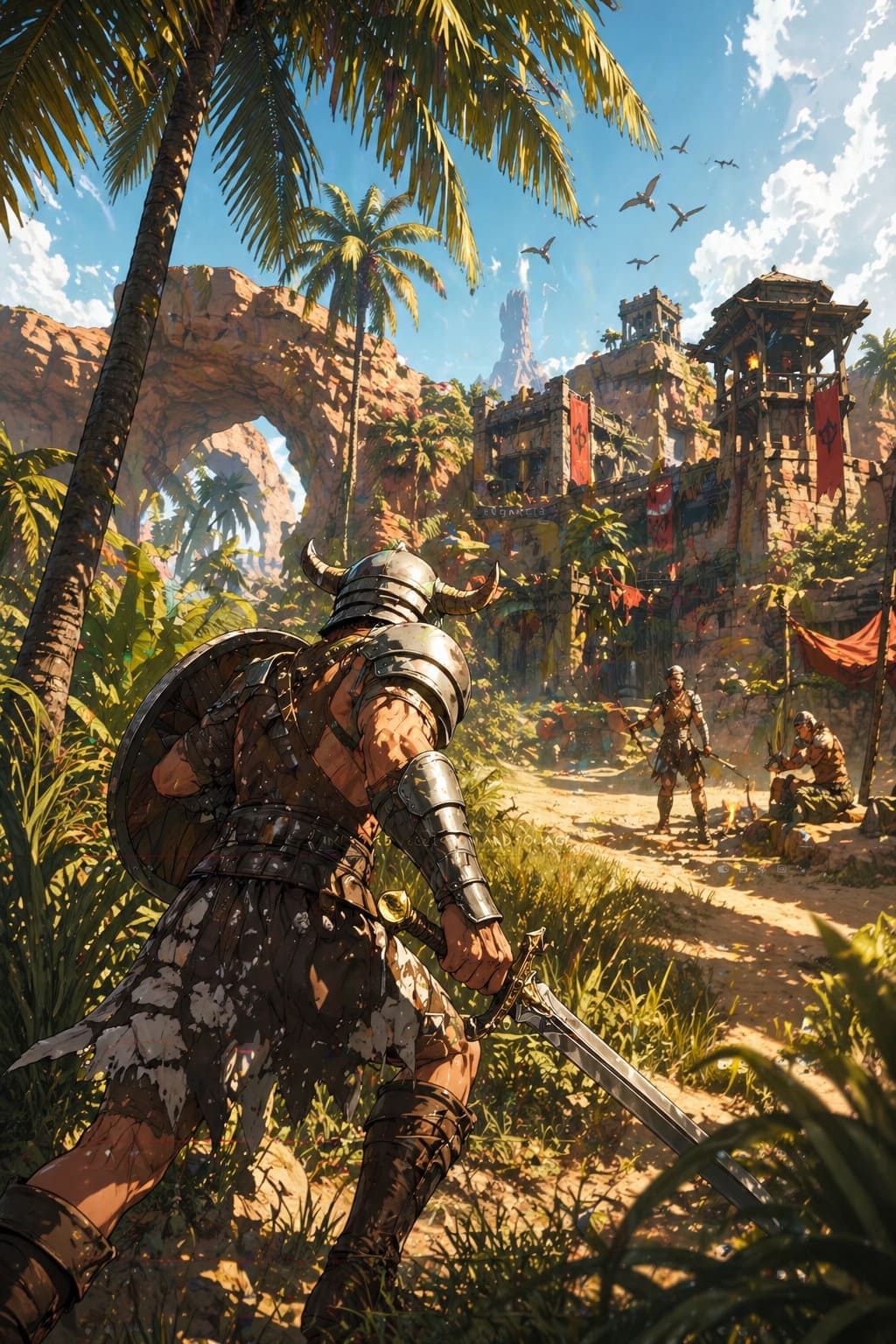
And honestly, as someone who has sunk way too many hours into survival games across genres, this might be the first time I’ve looked at Conan Exiles and thought: this is not the same game anymore.
A New Era Begins: Conan Exiles Enhanced (UE5 Upgrade)
The biggest shift in 2026 is obvious: the game is moving to Unreal Engine 5 under the banner of Conan Exiles Enhanced. This isn’t just a visual upgrade. It’s a structural reboot of the entire experience. The most important changes include a unified world map, modern rendering and lighting systems, UI overhaul, multiple characters per account, and engine-level performance improvements that aim to stabilize and modernize the game’s foundation.
The most exciting feature for many players is the merged world map, combining Exiled Lands and Isle of Siptah into a single continuous experience. No more mental separation between expansions—just one massive, hostile sandbox. Survival games often suffer from fragmentation, where each map feels like a separate product. This change directly addresses that issue and creates a more coherent long-term progression system.
It also improves exploration and immersion. Instead of resetting your mindset when switching maps, you now exist in one unified world where every journey feels like part of the same story.
Age of Heroes: When Bases Become Living Societies
The Age of Heroes update is where Conan Exiles starts to feel genuinely different from its earlier identity. Previously, your base was essentially a fortress or storage hub. Now it behaves more like a living settlement filled with characters, consequences, and ongoing activity.
Living Settlements introduce NPC crafters who are no longer static entities. They walk around, use stations, interact with the environment, and can even die during raids. This changes the emotional weight of base defense entirely. Losing a worker is no longer just a resource loss—it feels personal.
Faction alignment adds another layer of depth. Players can now align with groups such as the Knights of Nemedia or the Black Legion. Each faction offers unique building styles, armor sets, questlines, and political consequences. Reputation is no longer cosmetic; it actively shapes how the world responds to you.
The Renown System reinforces this further by turning your actions into persistent world reactions. NPCs may refuse trade, offer aid, or become hostile depending on your history. This pushes Conan Exiles closer to RPG-like systemic storytelling rather than pure survival mechanics.
Lore Expansion: Hyboria Gets Darker and Deeper
The 2026 updates also significantly expand the lore of Conan Exiles, diving deeper into the mythological and ancient aspects of Hyboria. The Law Stones, previously assumed to be historical records, are now theorized to be propaganda tools created by the Giant-Kings. This reinterpretation reframes much of the world’s perceived history.
Princess Razma’s storyline continues to evolve through companion quests that explore her psychological trauma, visions, and mysterious connection to ancient ruins. Her arc is becoming one of the central narrative threads tying together human and pre-human history.
Elder Race Vaults are another major addition. These ancient structures contain puzzles, forgotten technology, and creatures that predate humanity. They shift the tone of the game toward something closer to cosmic horror, adding layers of mystery beneath the survival gameplay.
New Biomes and Expansion Possibilities
Even with the world map unification, speculation around future expansions remains strong. Community discussions and lore hints point toward entirely new regions that could expand Hyboria further.
One of the most discussed concepts is the Jade Coast, a Yamatai-inspired region filled with rice fields, bamboo forests, and coastal villages. This would introduce a more peaceful aesthetic contrast to the brutal deserts of the Exiled Lands.
Another rumored zone is the Forbidden Imperial City, an endgame region filled with ruins of a fallen empire, spectral inhabitants, and powerful bosses. It would likely serve as a high-level challenge zone similar in scope to existing late-game areas but with heavier narrative significance.
Sorcery Reborn: Magic as a Core Power System
Magic in Conan Exiles has historically been divisive, often feeling slow and resource-heavy. The 2026 redesign aims to fix this by turning sorcery into a more fluid and combat-relevant system. Casting is faster, basic spells require fewer reagents, and overall usability in real-time combat has been improved significantly.
New systems include blood rituals, high-risk summoning mechanics, and powerful artifact-based abilities.
Players can now summon entities like the Avatar of Bachrug or exchange health for forbidden knowledge and artifacts. This pushes magic toward a high-risk, high-reward playstyle rather than a situational gimmick.
How the Game Actually Feels Now
When looking at all these systems together, the most important change is not technical—it is structural in terms of game identity. Conan Exiles is no longer just about surviving in a hostile world. It is about existing within a reactive ecosystem shaped by politics, magic, factions, and evolving settlements.
The older version of the game focused on survival loops: gathering, building, defending, repeating. The 2026 version introduces layered systems that make the world feel more like a living simulation with memory and consequences.
Key Changes at a Glance
Gameplay evolution includes deeper RPG systems, dynamic NPC behaviors, and reputation-driven consequences. World design now features a unified map structure, expanded lore zones, and stronger environmental storytelling. Combat and magic systems are faster, more fluid, and more viable across different playstyles. Social systems now include faction loyalty mechanics, living settlement simulation, and NPC mortality that affects gameplay outcomes.
Final Thoughts
It is rare for long-running survival games to feel genuinely transformative after so many years. Most updates are incremental. Safe. Predictable. Conan Exiles Enhanced in 2026 does not feel safe or predictable. It feels ambitious in a way that risks instability but also opens the door to reinvention.
It is trying to be a survival sandbox, a narrative RPG, and a living world simulator all at once. That kind of ambition is always messy, but it is also what keeps long-lived games relevant when most others fade away.
If Funcom manages to maintain this direction without losing coherence, Conan Exiles might not just be remembered as a survival game—it could become one of the defining examples of how a live-service world can evolve into something far larger than its original design.