Soulmask 1.0 Tribesmen Salary & Management Guide: Master the 2026 Tribal Economy
When I first jumped back into Soulmask 1.0, I expected the usual survival grind: gather wood, build walls, craft weapons, survive another night. What I didn’t expect was that the real challenge would become managing people.
And honestly? I love it.
With the full release and the arrival of the Shifting Sands DLC, Soulmask has evolved into something much smarter than a standard survival game. It’s no longer just about your character and your mask powers. Your tribe now matters more than ever. If your workers are unhappy, underfed, badly equipped, or poorly organized, your entire base can collapse faster than a sand hut in a storm.
This guide is my personal take on how to dominate the new tribal economy, keep tribesmen productive, and avoid the mistakes that ruin many mid-game bases.
Why Soulmask 1.0 Feels Different
In older versions, tribesmen often felt like moving storage boxes with tools. Useful, yes—but not memorable.
Now they feel like actual members of a growing settlement.
They consume resources, react to living conditions, lose motivation, and demand better support as your tribe expands. Some players complain about it, but I think it’s one of the best changes the developers made.
Why?
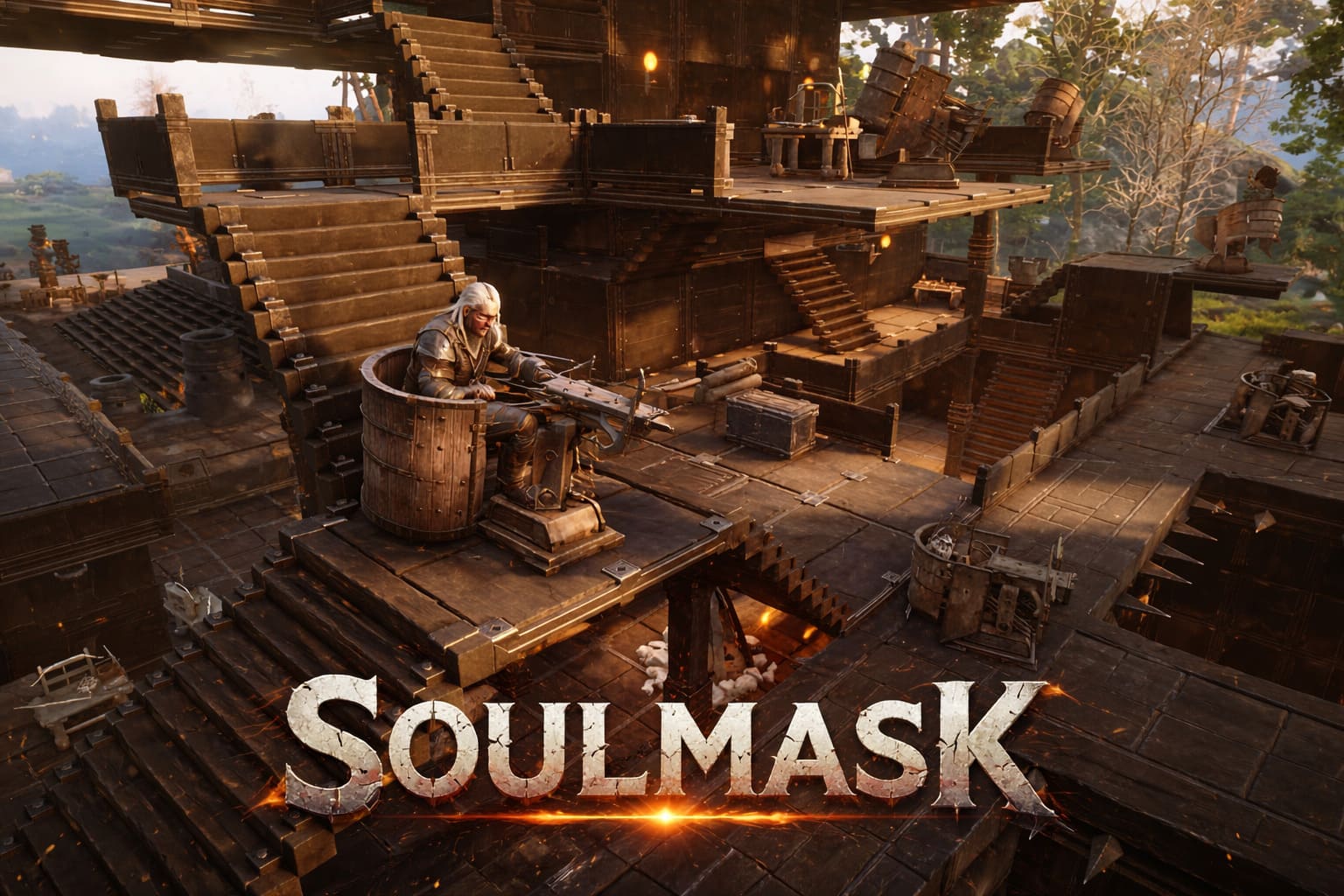
Because now success feels earned.
A powerful base is no longer built by stacking walls and benches. It’s built through planning, logistics, and leadership.
The “Salary” System Explained (Without Gold Coins)
Soulmask doesn’t literally hand out wages, but the game clearly uses a salary-style system through maintenance needs.
Your tribesmen expect:
- Better food as progression increases
- Comfortable sleeping areas
- Working tools and replacements
- Access to shared tribe resources
- Safe and efficient workspaces
Ignore these needs, and morale crashes.
Soulmask Airship Customization Guide (2026): Build Your Flying Fortress
When morale drops, bad things happen:
| Problem | Result |
|---|---|
| Low Mood | Slower work speed |
| Poor Food Supply | Reduced efficiency |
| Broken Tools | Work stoppages |
| Terrible Housing | Loyalty decline |
| Long Travel Routes | Wasted time |
This is where many players fail. They keep recruiting workers but never upgrade infrastructure.
My rule: Never expand population faster than your economy can support.
My Best Strategy: Build a Small Elite Tribe First
A lot of players dream of having 40+ tribesmen running everywhere.
I tried it.
It was chaos.
Food vanished instantly, tools broke nonstop, and nobody seemed productive. Since then, I focus on a lean tribe of specialists first.
Ideal Early-Mid Game Setup:
- 2 Gatherers
- 1 Farmer
- 1 Smelter
- 1 Crafter
- 2 Warriors
- 1 Flexible Utility Worker
That smaller team is easier to feed, easier to equip, and much more efficient than a giant hungry crowd.
Once automation improves, then expand.
High Skill Workers Are Worth Everything
One of the smartest things you can do in Soulmask 1.0 is prioritize high proficiency tribesmen.
Especially:
- Blacksmiths
- Smelters
- Armor Crafters
- Potion Makers
- Elite Defenders
A master crafter can save insane amounts of materials over time.
Think of it this way:
Would you rather feed three average workers… or one elite specialist who does triple the value?
For me, the answer is obvious.
Food Is the Real Currency
Many new players obsess over ore, weapons, or rare loot.
But after dozens of hours, I can confidently say:
Food runs the tribe.
Without food:
- Workers slow down
- Mood falls
- Expansion stops
- Combat readiness drops
I always recommend creating a food surplus before any military project.
My Personal Priority Order:
- Stable food production
- Tool crafting chain
- Defense walls
- Advanced weapons
- Luxury upgrades
People love rushing weapons. I prefer feeding the machine first.
Smart Base Layout = Hidden Power
This is one thing many guides ignore.
Your base can have perfect workers and full storage—but still perform badly because of terrible layout.
If tribesmen need to walk across the whole base for food, tools, or beds, you lose massive efficiency.
My Layout Formula:
| Zone | What Goes There |
|---|---|
| Center | Storage + Food |
| Near Mines | Smelting |
| Near Forest Exit | Lumber Tools |
| Safe Rear Area | Beds |
| Outer Ring | Defenses |
| Side Section | Animal / Farming |
Keep daily routes short. The time saved becomes extra production every hour.
Automation Changed Everything
The newer work assignment systems made Soulmask way more enjoyable for long sessions.
Once I set priorities properly, the game transformed.
Examples:
- If wood is low → gatherers focus forest
- If tools missing → crafter switches queue
- If walls damaged → repair priority rises
- If food low → farming takes top priority
This lets me go exploring while my settlement actually functions.
That’s where Soulmask becomes addictive.
You stop babysitting and start ruling.

Shifting Sands DLC: Why Desert Survival Hits Hard
The desert region looks amazing, but it adds brutal management pressure.
Now workers need:
- Water access
- Cooling gear
- Better route planning
- Heat-safe schedules
- More support production
This means your economy must evolve.
Suddenly cloth production matters more.
Water hauling matters more.
Even worker placement matters more.
I personally loved this because it forced me to redesign old habits.
Instead of one giant base, I began using regional support outposts.
That made desert progression much smoother.
My Burn Rate Method (Super Important)
If you don’t track consumption, your tribe will silently collapse.
I use this simple model:
Every Hour Ask:
- Are we gaining food or losing it?
- Are tools lasting long enough?
- Are repairs increasing?
- Is storage growing or shrinking?
My Resource Split:
| Category | Share |
|---|---|
| Infrastructure | 30% |
| Military | 40% |
| Reserve / Worker Needs | 30% |
It’s not perfect science—but it works surprisingly well.
Biggest Mistakes I See Players Make
1. Recruiting Everyone
More tribesmen does not mean more power.
It often means more mouths, more broken tools, more chaos.
2. Ignoring Morale
Unhappy workers are expensive workers.
3. No Specialist Roles
If everyone does everything, nobody excels.
4. Ugly Base Design
Travel time kills productivity.
5. Hoarding Instead of Upgrading
Use resources to improve systems, not just stack chests.
My Favorite Mid-Game Tribe Setup
Once stable, I usually run:
- 3 Gatherers
- 2 Farmers
- 2 Crafters
- 1 Smelter
- 1 Alchemist
- 4 Warriors
- 1 Scout / Flex Worker
This gives enough strength for raids while keeping production healthy.
Why Soulmask 1.0 Stands Out in Survival Genre
A lot of survival games promise “tribe management,” but workers often feel fake.
Soulmask finally makes management meaningful.
Your tribe can succeed because of your planning.
Or fail because of your laziness.
That’s rare.
Every upgrade matters. Every recruit matters. Every storage chest placement matters.
It turns base building into strategy.
And for players like me who enjoy systems, optimization, and progression loops—it’s fantastic.
Final Verdict: Lead Smart or Lose Everything
If you still play Soulmask like a solo survival game with extra NPCs, you’re missing the best part.
Treat your tribe like a living machine:
- Feed it
- Organize it
- Protect it
- Upgrade it
- Respect efficiency
Do that, and Soulmask becomes one of the most rewarding survival experiences available right now.
My honest opinion as someone who loves management-heavy games?
Soulmask 1.0 is at its best when you stop being a survivor… and start becoming a ruler.