Dead Weight Ancient Gods Lore and Strategy Guide: The Steampunk Cult RPG Explored
Some games are fun for a weekend. Others stay in your head long after you close them.
Dead Weight is definitely the second kind.
I originally expected another tactical roguelite with decent combat and some interesting progression. Instead, I found myself completely absorbed by a world that constantly made me wonder what had happened before my journey even started. Every abandoned island, every strange ruin, every whispered conversation between cultists felt like another missing page from a much larger story.
That’s probably the biggest reason why Dead Weight stands out. It isn’t just about winning battles. It’s about surviving inside a dying civilization where every decision slowly pushes the world toward something terrifying.
If you’re wondering whether the lore is worth paying attention to—or if you can safely ignore it while chasing stronger builds—my answer is simple:
Don’t skip it. The world-building is one of the game’s greatest strengths.
A World That Feels Like It’s Already Lost
One thing I immediately appreciated is that Dead Weight never treats its setting like simple background decoration.
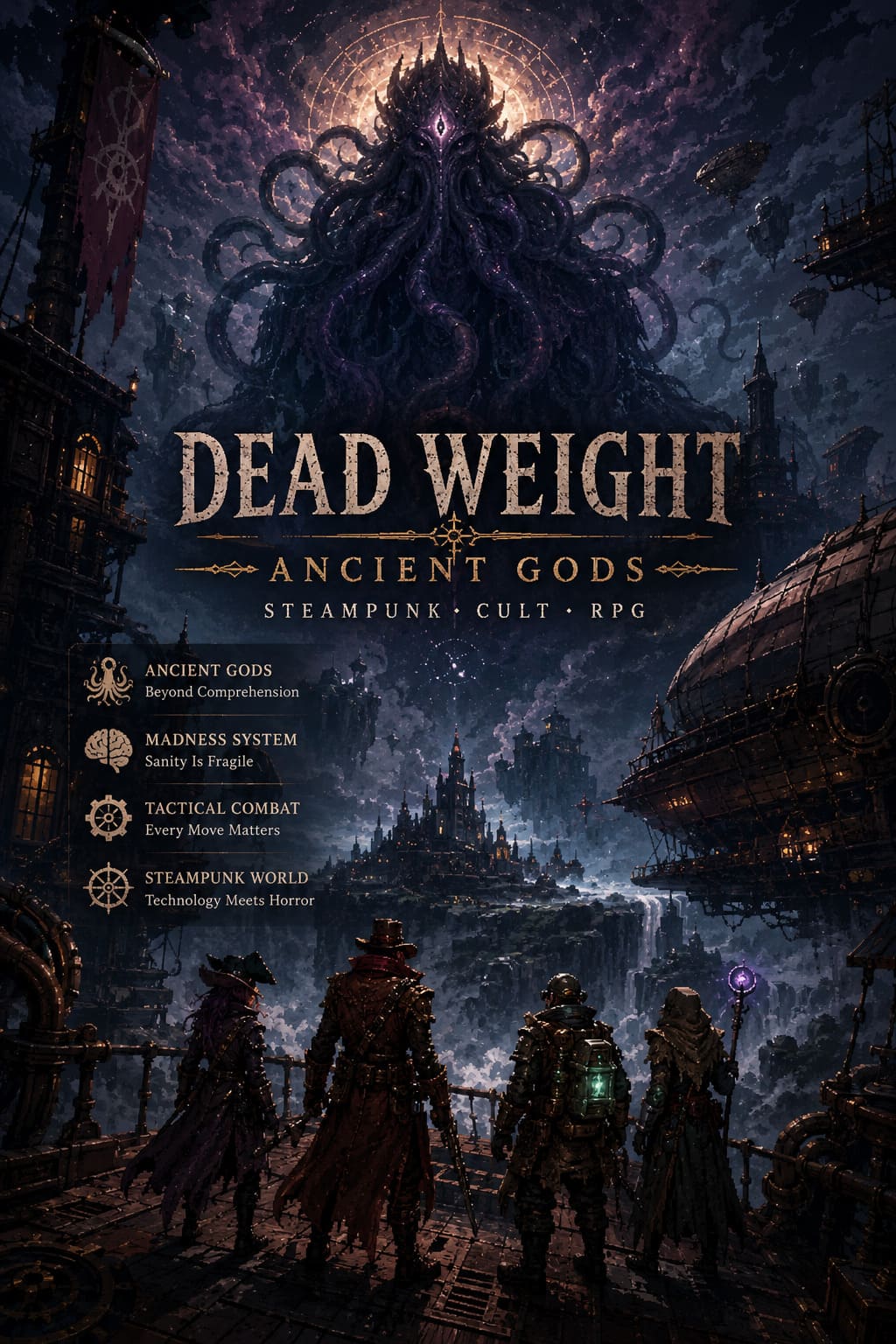
Humanity doesn’t live on continents anymore. Those days are gone.
Instead, civilization clings to scattered floating islands drifting above an endless darkness known as the Abyss. The world feels broken long before your adventure begins, and everything—from the architecture to the technology—reflects centuries of adaptation rather than progress.
Steam-powered machinery keeps settlements alive.
Airships replace roads.
Fuel becomes as valuable as food.
That survival-first mentality is visible everywhere you travel.
Rather than presenting a traditional fantasy kingdom, the developers created a setting where every island feels temporary. Nothing appears permanent. Even locations you’ve already visited can disappear from future runs, reinforcing the feeling that the world itself is slowly collapsing.
As someone who enjoys environmental storytelling, I found this approach far more interesting than lengthy exposition.
The Ancient Gods Are More Than Typical Final Bosses
Most RPGs introduce powerful enemies simply because every game needs a final challenge.
Dead Weight does something smarter.
The Ancient Gods aren’t just giant monsters waiting at the end of the campaign.
They’re the reason the entire world feels uneasy.
Long before players arrive, these incomprehensible cosmic beings changed civilization forever. Whether they’re sleeping, imprisoned, or simply waiting is intentionally left vague, and that uncertainty makes them even more unsettling.
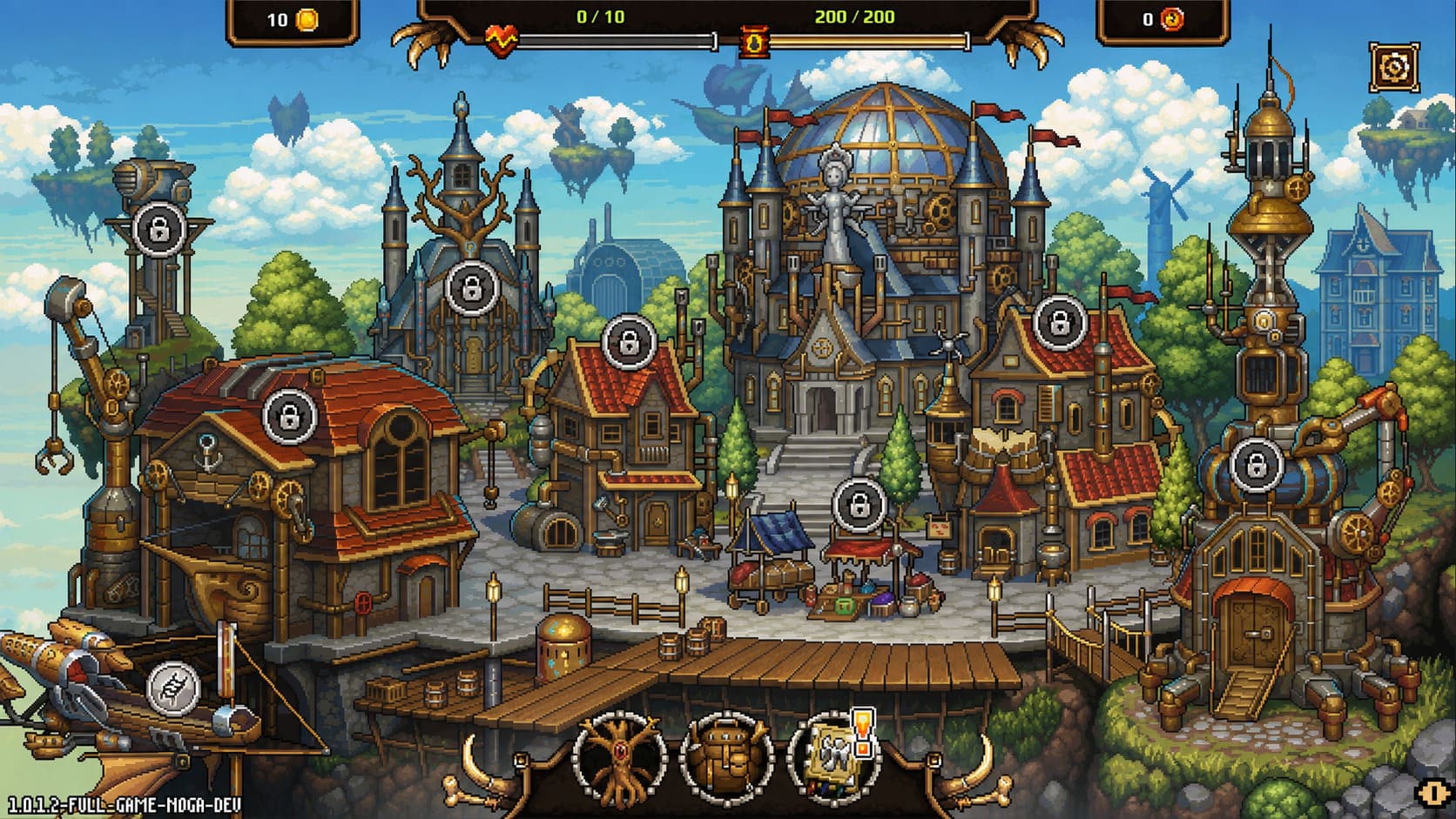
Instead of explaining everything outright, the game feeds players fragments of history through exploration, ruins, encounters, and mysterious story events.
That slow reveal reminded me why Lovecraft-inspired storytelling works so well.
Sometimes the unknown is much scarier than a detailed explanation.
Fighting the Gods… or Learning From Them?
One of my favorite narrative ideas is that Dead Weight refuses to present obvious heroes and villains.
Eventually you’re forced to make a choice.
Do you resist the Ancient Gods… or embrace their power?
Neither option feels entirely right.
Choosing to oppose them means protecting what’s left of humanity, but you’ll miss access to some incredibly powerful abilities.
Following forbidden knowledge unlocks devastating supernatural skills, yet every new gift pushes both your crew and the entire world closer to madness.
That risk-versus-reward philosophy isn’t just attached to gameplay.
It’s woven directly into the story.
The strongest abilities always come with consequences.
The Madness System Makes Every Victory Feel Fragile
I’ve played plenty of tactical RPGs where resource management boils down to healing potions and inventory space.
Dead Weight goes much further.
Your crew isn’t simply managing health.
They’re managing their sanity.
The longer you stay exposed to cosmic horrors, dangerous anomalies, and eldritch artifacts, the more unstable everyone becomes.
That’s where the game surprised me most.
Madness isn’t represented as another generic debuff.
Instead, it changes behavior in ways that constantly keep you nervous during combat.
- Ignore commands.
- Move into dangerous positions.
- Attack allies.
- Develop permanent psychological traits.
Those moments create genuine tension because your strongest character can suddenly become your biggest liability.
Very few roguelites manage psychological pressure this well.
Every Battlefield Feels Like a Puzzle
If you’ve played games focused on positioning, you’ll probably feel comfortable after the first few fights.
Then Dead Weight reminds you that gravity exists.
The battlefields are intentionally tiny.
That design choice isn’t simply about difficulty.
It perfectly matches the world’s lore.
Land is incredibly scarce, so most encounters happen on cramped islands or narrow airship decks where every tile matters.
Instead of chasing maximum damage numbers, I often found myself looking for opportunities to throw enemies into the Abyss.
Sometimes eliminating an elite opponent only required one well-timed push.
Of course…
The AI understands this too.
Watching a valuable character nearly fall into the void because I misplaced them by one tile created some unforgettable moments.
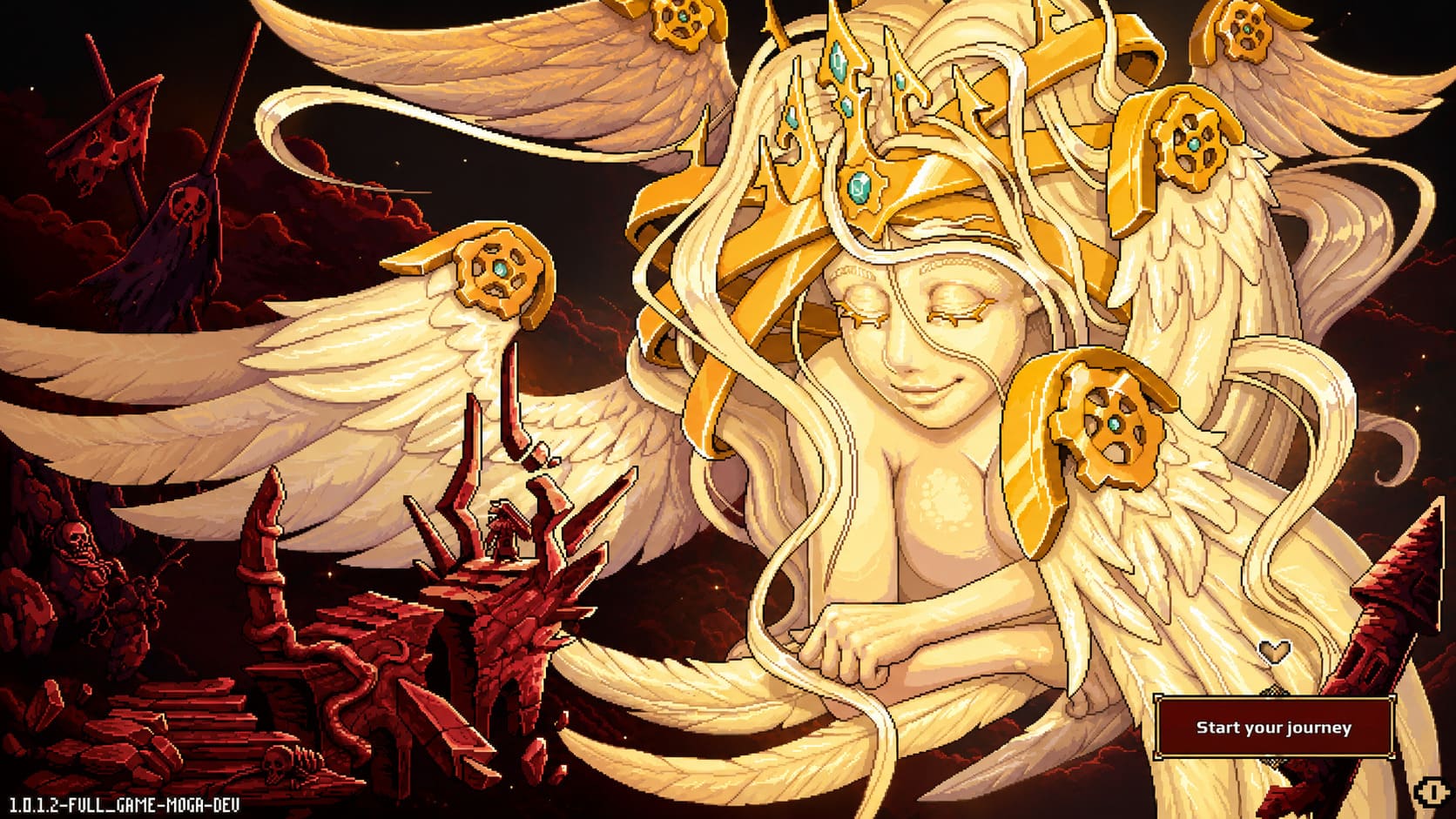
The Factions Actually Feel Different
Another area where Dead Weight impressed me is faction design.
Rather than painting everyone with the same brush, each group has believable motivations.
| Faction | Goals | My Impression |
|---|---|---|
| Sky Pirates | Wealth and survival | Constant pressure throughout exploration. |
| Goblin Raiders | Resources and territory | Surprisingly dangerous despite weaker units. |
| Cult Followers | Awaken the Ancient Gods | Some of the most atmospheric encounters. |
| The Synthetic Domain | Replace humanity with machinery | Probably the most fascinating faction in the game. |
The Synthetic Domain especially caught my attention.
Instead of worshipping cosmic beings, they simply conclude that humanity itself is the problem.
Their solution?
Remove humanity from humanity.
It’s a cold, logical philosophy that feels surprisingly believable inside this universe.
Character Builds Stay Interesting Much Longer Than Expected
One thing that keeps every run fresh is the progression system.
You begin with familiar fantasy-inspired classes, but eventually everything becomes far less predictable.
Mixing multiple classes together opens countless possibilities.
Then the eldritch abilities enter the picture.
Suddenly your frontline fighter isn’t simply swinging an axe anymore.
They’re teleporting across battlefields, summoning horrifying creatures from the Abyss, and manipulating enemy positioning using supernatural powers.
The important part is that stronger builds aren’t automatically safer.
Every powerful upgrade increases psychological pressure.
That’s excellent design because the game constantly asks:
“Is this extra power really worth the cost?”
Sometimes the answer is yes.
Sometimes it absolutely isn’t.
Resource Management Is Constantly Stressful (In a Good Way)
Another reason Dead Weight kept my attention is that exploration never becomes routine.
Every trip across the skies forces difficult decisions.
- Should you spend precious fuel investigating an unknown island?
- Should you search abandoned ruins despite the corruption?
- Should your exhausted crew continue traveling one more day?
There are no universally correct answers.
Almost every decision sacrifices something.
That uncertainty makes successful expeditions feel genuinely earned instead of scripted.
Why The Atmosphere Works So Well
Several elements combine to create Dead Weight’s unique identity.
- Pixel art that balances beauty with decay.
- Steampunk machinery that feels functional rather than decorative.
- Cosmic horror without relying on cheap jump scares.
- Environmental storytelling through exploration.
- Meaningful tactical combat connected directly to the narrative.
Instead of overwhelming players with endless dialogue, the game trusts them to piece together its history naturally.
Personally, I prefer this style of storytelling.
Finding clues yourself always feels more rewarding than having every mystery explained.
Community Reaction Feels Well Deserved
Since launch, it’s been fun watching more players discover Dead Weight.
The comparisons make sense.
You’ll probably hear people mention titles like:
- Darkest Dungeon
- Into the Breach
- FTL
- Final Fantasy Tactics
- Slay the Spire
Personally, I think Dead Weight borrows ideas without ever feeling like a copy.
It combines tactical positioning, roguelite progression, resource management, and cosmic horror into something that develops its own identity surprisingly quickly.
That’s becoming increasingly rare in today’s indie market.
Moss The Forgotten Relic Low FPS, Lag, and Stuttering: PC Optimization Guide
Final Thoughts
After spending time with Dead Weight, I came away impressed by far more than its combat system.
The tactical gameplay is excellent.
The progression is rewarding.
The art direction is memorable.
But the real star of the experience is the world itself.
Every floating island tells a story.
Every encounter hints at forgotten history.
Every decision feels like another small step toward either saving civilization—or helping destroy it.
That’s the kind of atmosphere that keeps me starting “just one more run.”
If you’re looking for an indie tactical RPG with genuine personality instead of another formulaic roguelite, Dead Weight deserves your attention. It rewards curiosity as much as strategy, and its blend of steampunk survival, psychological horror, and meaningful player choice creates an experience that feels surprisingly fresh.
For me, that’s what makes it one of the most interesting indie tactical releases of the year—and a game I’ll happily recommend to anyone who enjoys challenging strategy titles with rich lore hidden beneath every cloud.