The Walking Trade Guide: Mastering Shelf Management & Shop Efficiency (2026 Edition)
When The Walking Trade dropped in March 2026, most of us thought we were getting a quirky zombie shop sim. What we actually got was a brutally honest retail survival game where gravity is your worst enemy and a single NPC shoulder-check can erase ten minutes of careful shelf work.
After dozens of in-game days, multiple “shelf explosions,” and more batteries than I care to count, here’s my fan-written, battle-tested guide to keeping your store standing and profitable.
Why Shelf Management Is the Real Endgame
Forget zombies for a second — shelves are the true boss fight. This game doesn’t fake physics. Every can, medkit, and ammo box has real weight and collision, which means sloppy stocking turns your shop into a domino simulator. The difference between profit and chaos is how you place things, not how many.
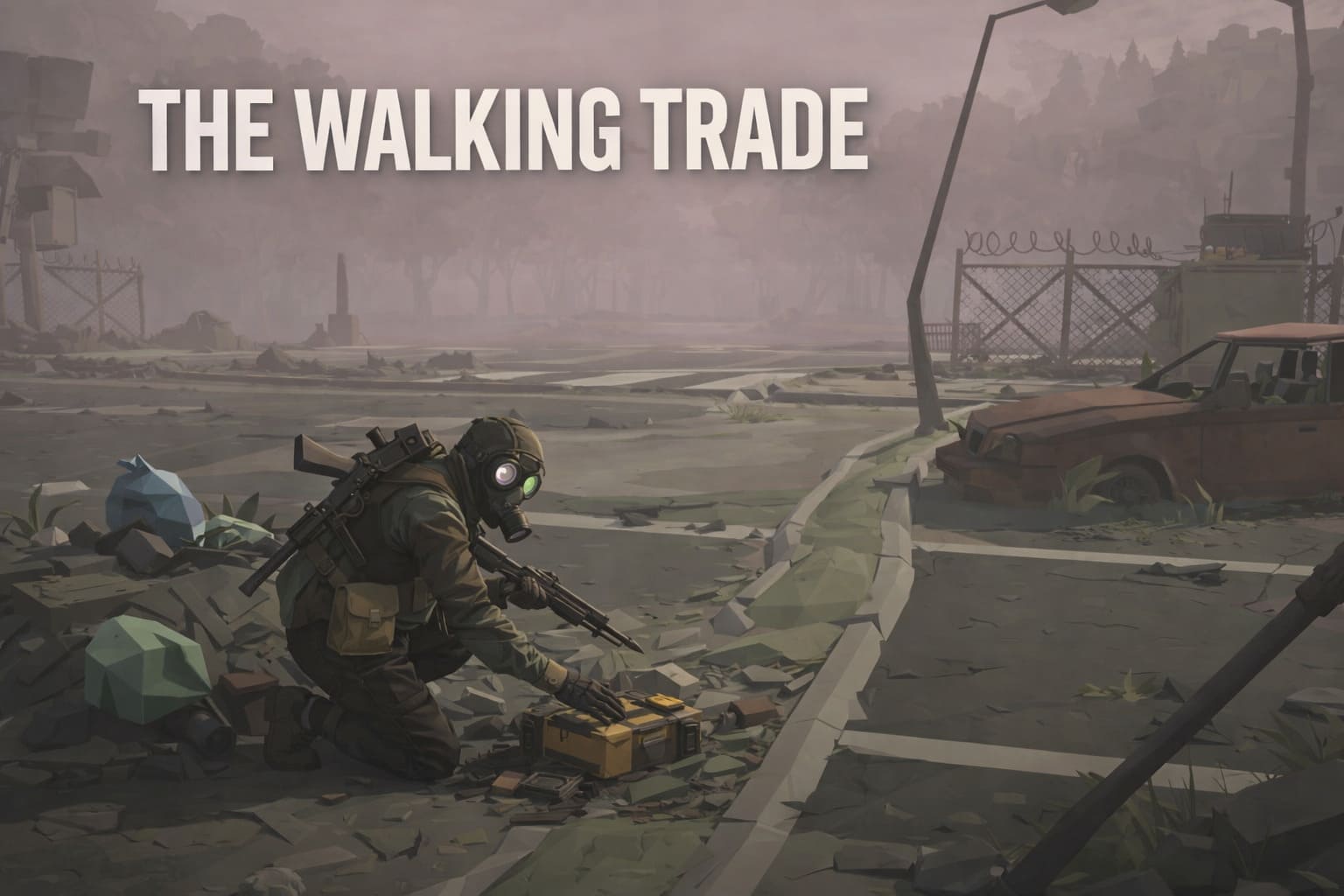
Stocking Shelves Without Losing Your Mind
Shelf work is slow, awkward, and absolutely intentional.
- Clean first, always – dirty tiles block placement and cause weird clipping bugs later
- Build shelves deliberately – craft only what you need; more shelves does not mean a better store
- Aim, wait, micro-adjust – the placement highlight is picky, especially for top racks
- Save your cardboard boxes – customers using boxes equals higher-value bulk purchases
Pro fan tip: If placement feels “broken,” it usually isn’t. Rotate slightly, pause, and let the physics system catch up.
The Walking Trade Reputation System Explained and Hero or Profit?
Understanding (and Surviving) Shelf Explosions
Yes, they’re real. Yes, they’re awful.
What causes them?
- NPCs clipping shelf corners
- Over-stacked edges
- Heavy items placed on upper levels
How I reduced explosions by about 80 percent:
- Leave empty space near aisle edges
- Put heavy items on bottom shelves
- Never max-fill a shelf just because it fits
Physics punishes greed. Minimalism wins.
Staff Choices That Actually Matter
You don’t need everyone early, but the right people change everything.
- Scavengers – your lifeline to new stock
- Service Workers – level them early, they pay for themselves
- Cleaners – helpful but risky, they will delete misaligned items
- Guards – optional early, mandatory later
Raising salaries slightly is the fastest way to trigger staff experience gains, and it is worth every battery.
The Walking Trade: Ultimate Staff Management & Shop Efficiency Guide 2026
Early-Game Battery Farming That Still Works
Money is dead. Batteries are king.
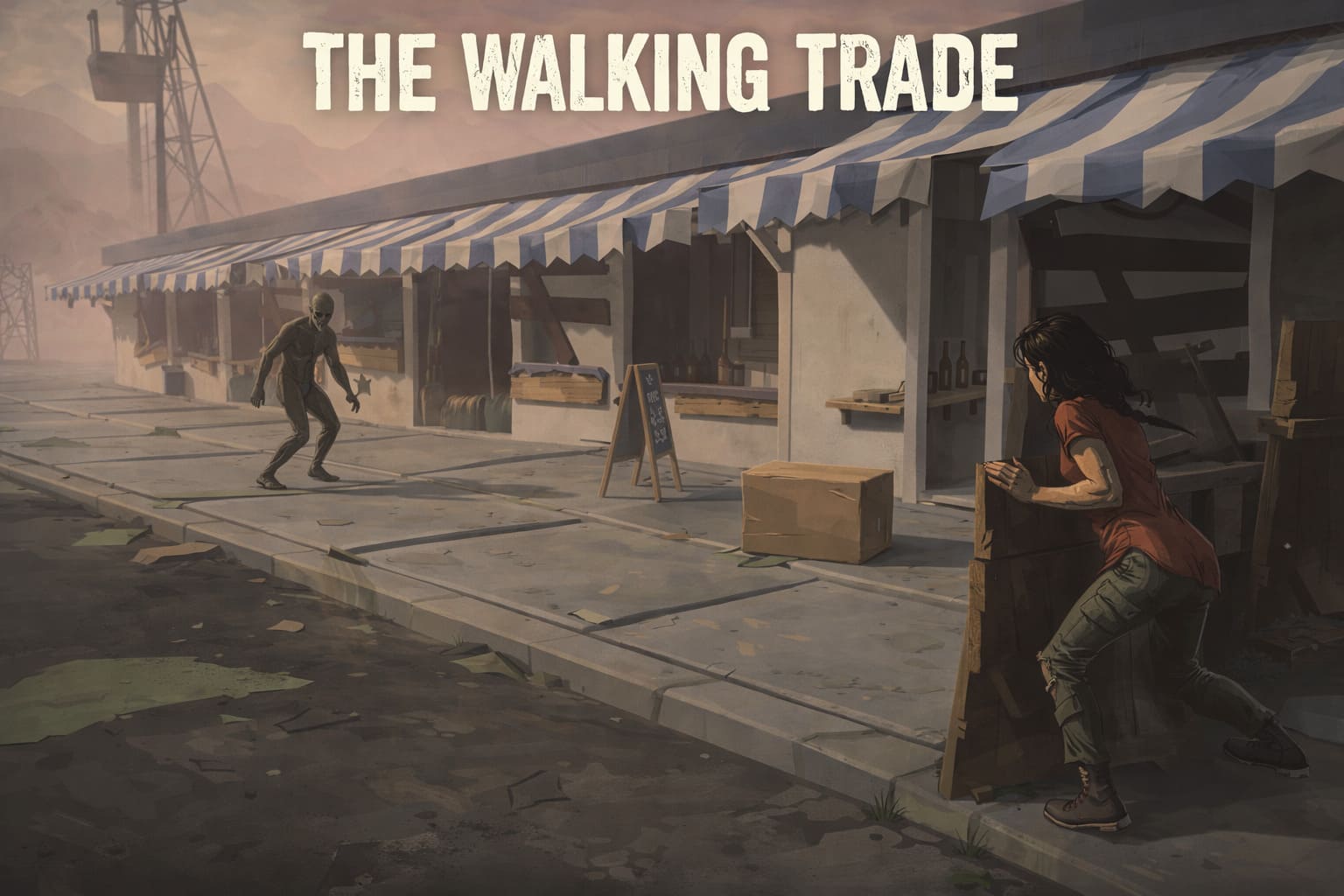
- Craft bandages from cloth and beer
- Sell them for 25 batteries each
- Gain fast crafting experience and reliable demand
Food sales also shine early. Survivors don’t haggle when they’re starving.
Storage Meta: Less Is More
Experienced players were right on this one. Instead of lining your walls with shelves, use medium storage containers, store one item type per bin, and dramatically reduce physics interactions.
It’s not pretty, but it’s stable, and stability is profit.
Quick Survival Checklist
| Action | Why It Saves You |
|---|---|
| Clean Floors | Prevents placement bugs |
| Don’t Overfill | Reduces physics chaos |
| Craft Bandages | Best early battery return |
| Pay Staff More | Faster leveling |
| Close Doors | Zombies don’t shop politely |
Profit Over Pulse: A Survivor’s Guide to Winning the Economy in The Walking Trade (2026)
I’ve sunk an embarrassing number of hours into The Walking Trade (2026), and if there’s one thing the game makes brutally clear, it’s this: the apocalypse doesn’t reward kindness — it rewards smart pricing.
This isn’t a sterile “optimal build” guide. This is the kind of advice you’d read at 2 a.m. on Reddit from someone who’s already lost three shops to zombie breaches and learned the hard way. If you want to survive and get rich in the 2026 meta, here’s how seasoned players are really running their stores.
Early Game: Sell Your Pride, Not Your Life
Forget role-playing a friendly merchant on day one. Early game is about cash flow, not reputation.
What actually works:
- Sell your starting food immediately at a 15–20% markup
- Liquid cash is more valuable than emergency rations
- Buy only what accelerates growth: shelves and basic crafting
Rule I live by: If it’s not protecting you or multiplying your money, it’s already dead weight.
Crafting Is King (And Bandages Are the Crown)
The current 2026 meta is crystal clear: raw materials are for amateurs.
Why bandages dominate:
- Cheap and common inputs like cloth and beer
- Flat resale value that never disappoints
- Ridiculously consistent demand
Crafting skills quietly boost profits by reducing waste, which means you earn more without raising prices — the cleanest form of optimization in the game.
Batteries deserve special mention. Stockpile them early, wait for horde warnings, and then sell aggressively. If timed right, 50%+ margins are not just possible, they’re expected.
Price Like a Villain, Think Like a Psychologist
This game doesn’t punish greed — it punishes dumb greed.
- Low prices attract Survivor NPCs and unlock better quests later
- Emergency price spikes generate fast money but long-term risk
- Psychological pricing still works: 9 coins sells better than 10, even during the apocalypse
You’re not just managing numbers — you’re managing behavior.
Store Layout Is an Economic Weapon
Most players obsess over pricing and forget the physical store. That’s a costly mistake.
High-impact optimizations:
- Assign survivors to Serving to eliminate long queues
- Dedicated storage prevents AI slowdown and lost sales
- Defenses protect profits, not just lives
One zombie breach can erase days of clean trading in seconds.
2026 Meta Snapshot
| Strategy Area | Smart Move | Why It Works |
|---|---|---|
| Early Game | Sell food fast | Enables rapid expansion |
| Crafting | Bandages over raw materials | Highest ROI in the game |
| Pricing | Dynamic and reactive | Controls NPC behavior |
| Inventory | Focus on staples | Demand never drops |
| Defense | Invest early | Protects all assets |
Final Thoughts from the Wasteland
The Walking Trade isn’t about building the biggest store, it’s about building the most stable one. Treat your shelves like fragile weapons, respect the physics engine, and remember that if something can fall over, it absolutely will.
If you’ve ever worked retail, this game hits way too close to home, just with more undead.
What I love about The Walking Trade is that it doesn’t pretend morality survives the end of the world. Efficiency does. Adaptation does. Profit does.
Play smart, price smarter, and remember: you’re not running a charity — you’re running the last economy on Earth.