The Left Behind Survival Guide: How to Survive Increasingly Challenging Nights (Tips, Tricks & Co-Op Strategy)
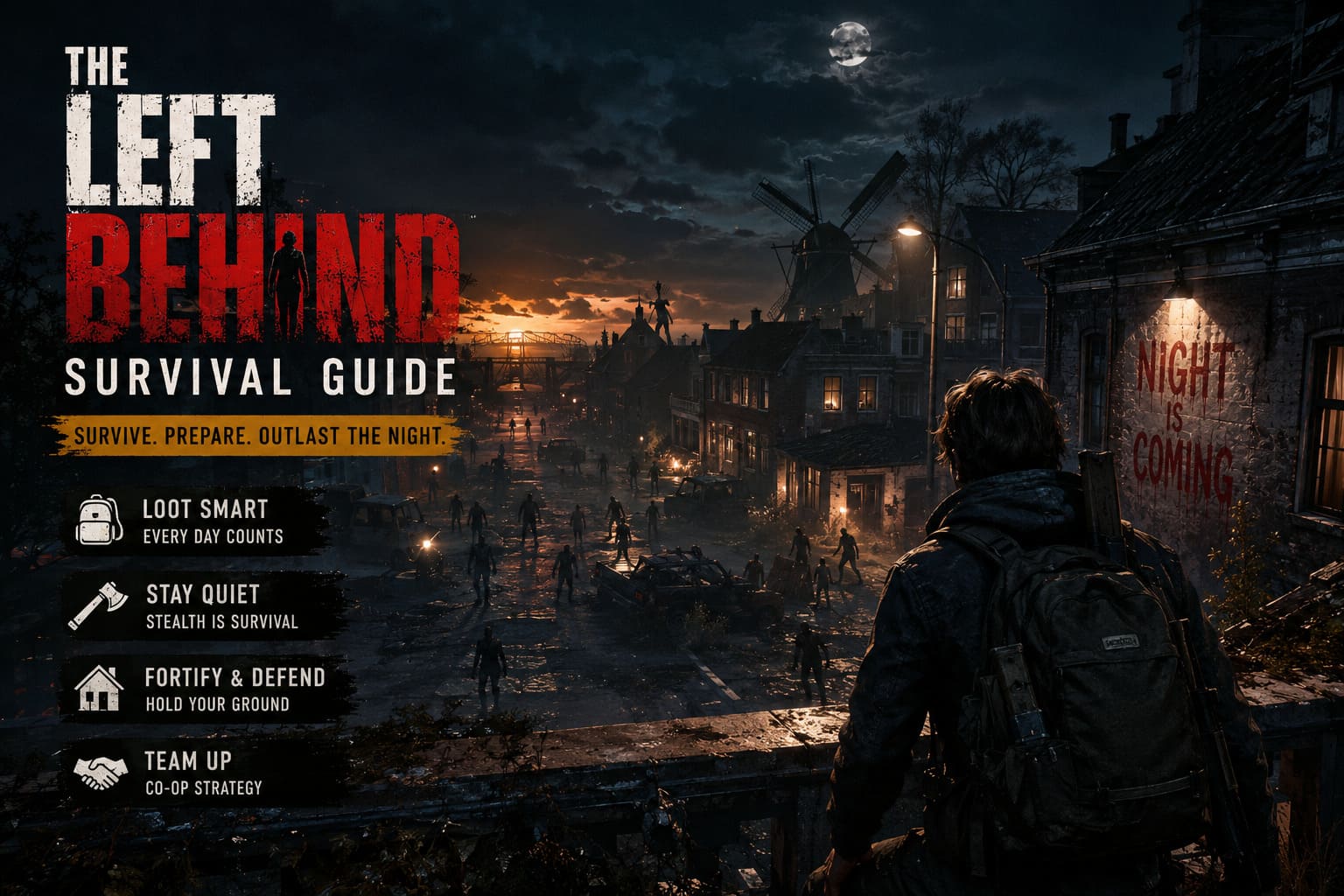
When I first launched The Left Behind, I expected another survival horror game where the biggest challenge would be finding enough supplies to stay alive. After a few hours, I realized I couldn’t have been more wrong.
The daytime feels almost relaxing. You wander through abandoned Dutch neighborhoods, break into houses, fill your backpack with anything useful, and start believing you’ve figured everything out.
Then the sun goes down.
That’s when The Left Behind reminds you who’s actually in control.
I’ve lost runs because I got greedy. I’ve died because I stayed five minutes too long inside a supermarket. I’ve wasted precious ammunition on enemies I should have ignored. Every failure taught me something, and honestly, that’s what makes this game so addictive.
If you’re struggling to survive past the early nights—or simply want to prepare for the brutal difficulty spikes—these are the strategies that made the biggest difference for me.
Why Every Day Matters More Than Every Night
One mistake I kept making early was treating daytime as downtime.
It isn’t.
The daytime is actually where your survival is decided. Night simply tests whether your preparation was good enough.
Every minute should have a purpose.
Instead of wandering without direction, I started giving myself small objectives before leaving my shelter:
- Find water.
- Search for medical supplies.
- Look for better melee weapons.
- Memorize escape routes.
- Return before sunset.
That simple routine dramatically increased my survival rate.
One thing I genuinely appreciate about The Left Behind is that almost every building feels worth checking. Whether it’s a tiny countryside home or a large public facility, there’s usually something valuable hidden inside.
Of course, you can’t loot everything.
Learning when to leave is one of the hardest lessons in the game.
The Biggest Rookie Mistake: Staying Out Too Long
If there’s one piece of advice I’d give every new player, it’s this:
Never chase “one more building.”
I can’t count how many runs ended because I thought I had enough time for one last house.
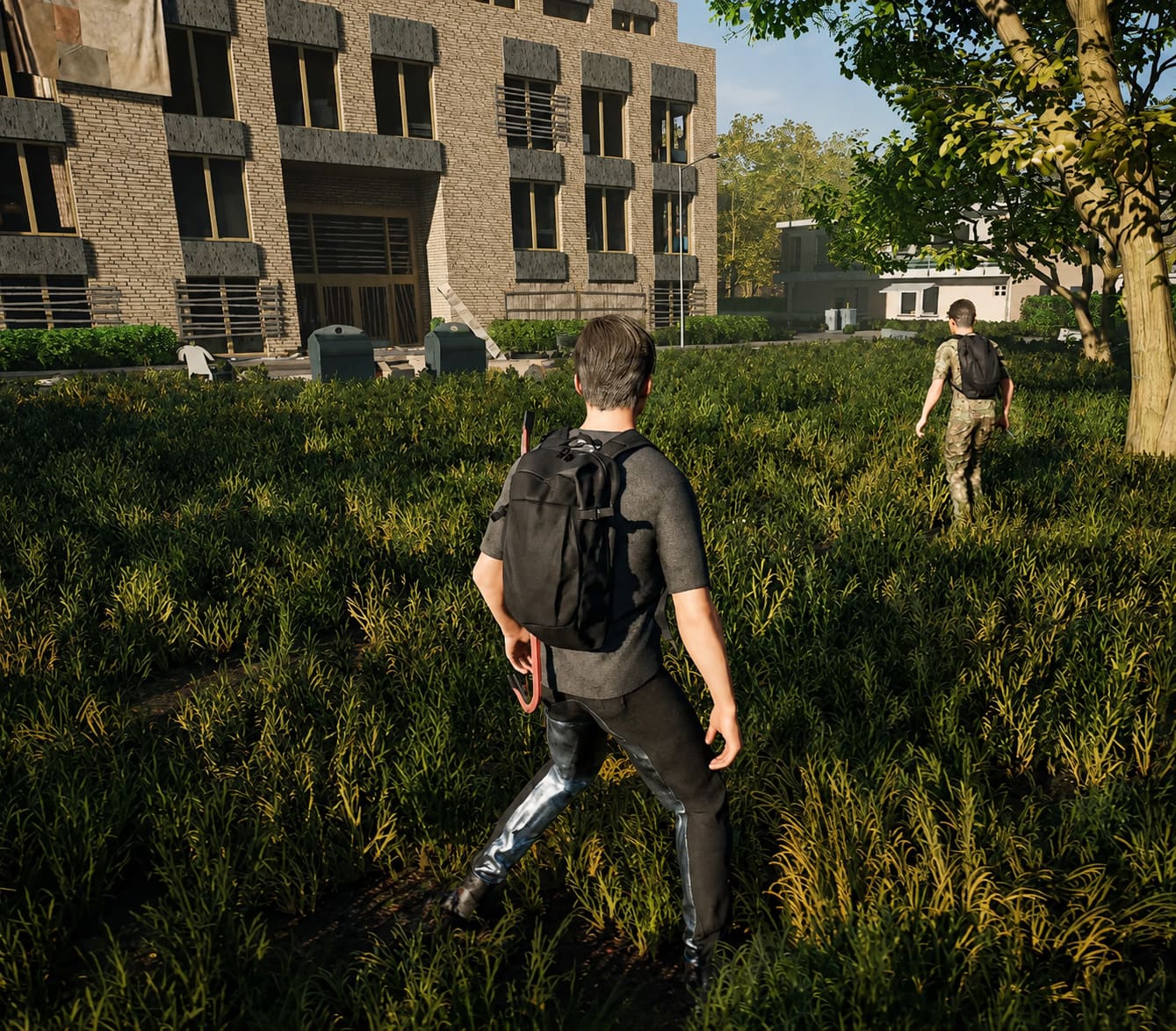
Spoiler: I didn’t.
The game changes frighteningly fast after sunset. Enemies become more aggressive, patrol routes change, and suddenly you’re trapped several streets away from anything remotely defensible.
Returning early may feel boring.
Respawning after permadeath feels much worse.
Managing Resources Without Becoming a Hoarder
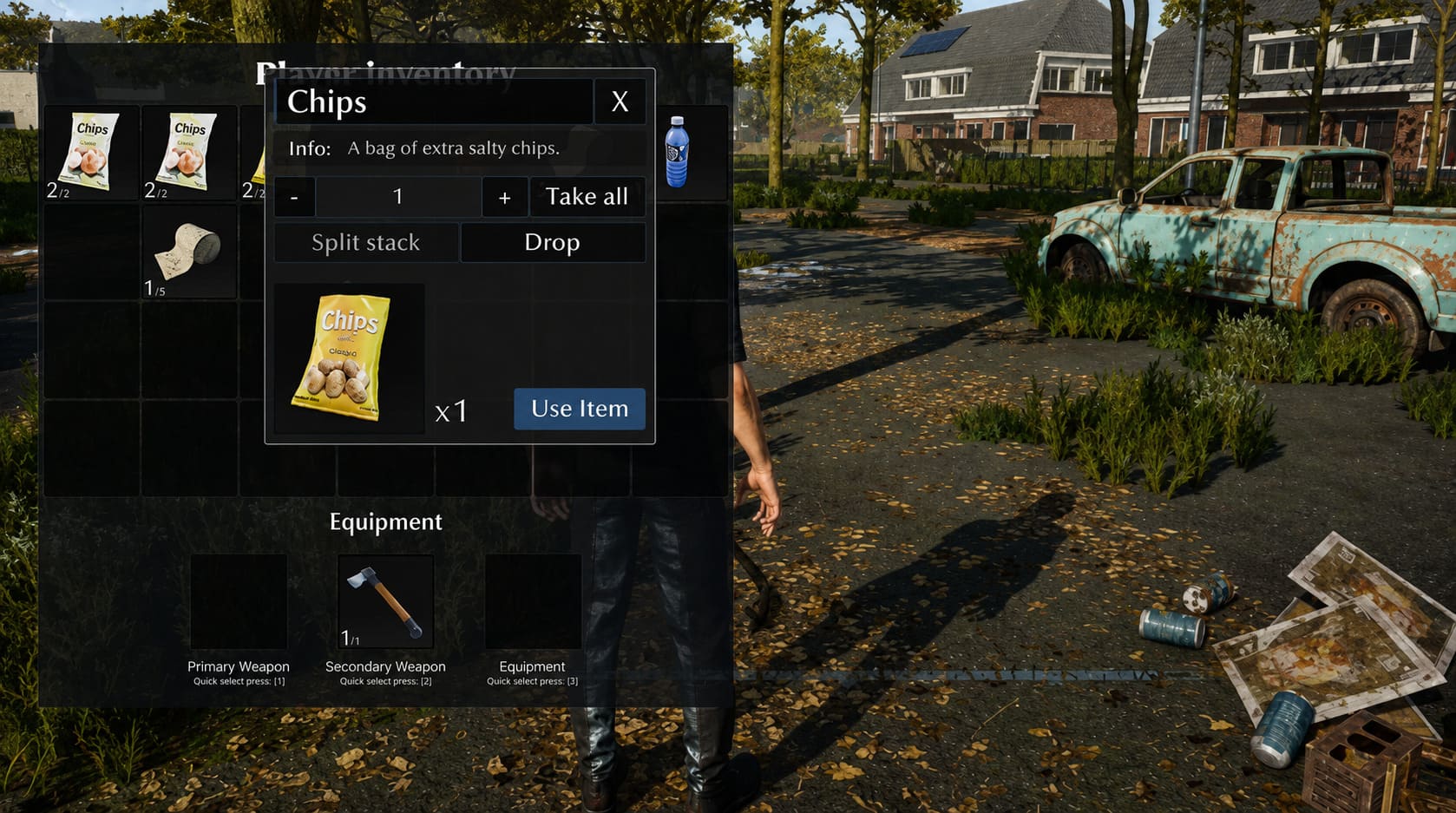
Inventory space is surprisingly limited, which forces difficult decisions almost immediately.
Eventually I stopped picking up everything and started following a priority system.
| Priority | Why It Matters |
|---|---|
| Clean Water | Hydration drops faster than expected, making water your highest priority during scavenging runs. |
| Medical Supplies | Bandages and medkits can completely save a run after one bad encounter. |
| Reliable Weapons | Durability becomes increasingly important during longer nights. |
| Food | Necessary for survival, but generally easier to replace than medicine. |
| Crafting Materials | Worth collecting only if they contribute to immediate upgrades. |
Something else I learned is that using supplies too early is almost as bad as never using them.
I used to heal every scratch.
Now I wait until it’s actually necessary.
Likewise, I don’t constantly eat just because my hunger meter isn’t full. Conserving supplies pays off once the game reaches the later nights.
Why Melee Weapons Stay Useful Longer Than You Think
Most players rush toward firearms.
I understand why.
Shotguns feel amazing.
Automatic rifles make you feel unstoppable.
The problem? Noise.
Loud weapons create problems almost as quickly as they solve them.
For the first several nights I relied heavily on axes, crowbars, and machetes whenever possible.
Quiet kills prevent unnecessary attention, save ammunition, and let you clear smaller areas efficiently.
Eventually firearms become unavoidable.
When larger hordes begin appearing, you’ll absolutely need them.
The trick is deciding when to switch—not replacing melee combat altogether.
The Buildings I Started Trusting
Not every structure makes a good shelter.
Some are practically death traps.
After enough failed attempts, I noticed that buildings with limited entrances consistently gave me the highest survival rate.
- Two-story villas.
- School classrooms.
- Buildings with narrow staircases.
- Hallways that naturally funnel enemies.
The goal isn’t building a fortress.
It’s forcing monsters to approach from predictable directions.
If enemies can surround you, you’re already losing.
Stealth Is More Powerful Than Combat
One of my favorite mechanics in The Left Behind is that avoiding combat often feels smarter than winning it.
I’ve hidden in dark rooms while entire groups passed outside.
I’ve crouched behind furniture waiting for monsters to lose interest.
I’ve turned off my flashlight and simply listened.
Those moments are honestly more intense than most fights.
Noise matters.
Light matters.
Sometimes standing perfectly still is the smartest decision you can make.
That’s something many survival games promise but don’t actually deliver.
This one does.
Always Have a Backup Escape Plan
Here’s another lesson learned the hard way.
Never defend a room with only one exit.
Eventually something stronger appears.
Maybe it’s an elite enemy.
Maybe the horde becomes overwhelming.
Maybe you simply miss a shotgun blast.
Whatever happens, you’ll want another option.
Whenever I choose a defensive location now, I immediately ask myself:
“If this room becomes impossible to hold, where do I go next?”
Windows.
Balconies.
Roof access.
Back doors.
Anything that gives you another chance.
Unlocking Better Equipment Changes Everything
The progression system deserves more credit than it’s getting.
Exploration doesn’t just reward curiosity—it genuinely improves your chances of survival.
Different districts contain noticeably different loot pools.
Military areas often contain stronger firearms.
Residential neighborhoods provide consistent food supplies.
Police stations frequently become excellent locations for ammunition and equipment upgrades.
Instead of repeatedly farming one familiar location, I found it much more effective to slowly expand my exploration range every successful day.
It keeps progression feeling rewarding instead of repetitive.
My Favorite Co-Op Strategy
Playing solo is terrifying.
Playing with friends somehow becomes even more stressful.
The game scales difficulty surprisingly well, so simply having extra players doesn’t automatically make things easier.
Communication becomes everything.
The system that worked best for my group looked something like this:
| Player | Primary Role |
|---|---|
| Player One | Food and Water Collection |
| Player Two | Medical Supplies |
| Player Three | Weapons and Ammunition |
| Player Four | Route Exploration and Unlocks |
Once night arrived, responsibilities shifted.
Someone watched the rear entrance.
Someone focused entirely on crowd control.
Someone called out incoming elites.
Someone stayed ready to revive or cover teammates.
The biggest mistake groups make is everyone trying to do everything.
Specialization makes a huge difference.
Small Habits That Quietly Increase Survival
Some improvements don’t seem important until dozens of hours later.
- Reload before moving to another room.
- Keep at least one healing item in quick access.
- Avoid fighting when retreating is safer.
- Don’t waste ammunition on isolated enemies.
- Memorize shortcuts during daylight.
- Keep your inventory organized.
None of these feel game-changing individually.
Together, they absolutely are.
The Left Behind Survival Game 2026: PC Requirements, Gameplay Review, and Community Verdict
What Makes The Left Behind Stand Out
There are plenty of survival horror games releasing every year.
Very few manage to create genuine tension after you’ve already learned their mechanics.
The Left Behind somehow keeps doing it.
Part of that comes from the increasing nightly difficulty.
Another part comes from the uncertainty.
You rarely feel completely safe.
Even when everything appears under control, the game constantly encourages you to take one unnecessary risk.
Sometimes you survive.
Sometimes you immediately regret that decision.
That unpredictability keeps every run memorable.
Final Thoughts
After spending dozens of in-game nights trying different approaches, I’ve stopped thinking of The Left Behind as a zombie game.
To me, it’s a game about decision-making.
Every resource has value.
Every shortcut matters.
Every delayed retreat can become your last.
The players who survive the longest aren’t necessarily the best shooters. They’re the ones who know when to fight, when to hide, and when to walk away before greed gets the better of them.
If you’re just starting out, don’t worry too much about setting high-score records immediately. Focus on learning the map, understanding how the world changes after sunset, and building good habits. The impressive survival runs will come naturally afterward.
And if there’s one lesson I’ll keep repeating after far too many failed attempts, it’s this:
Respect the night. It only gets harder from there.