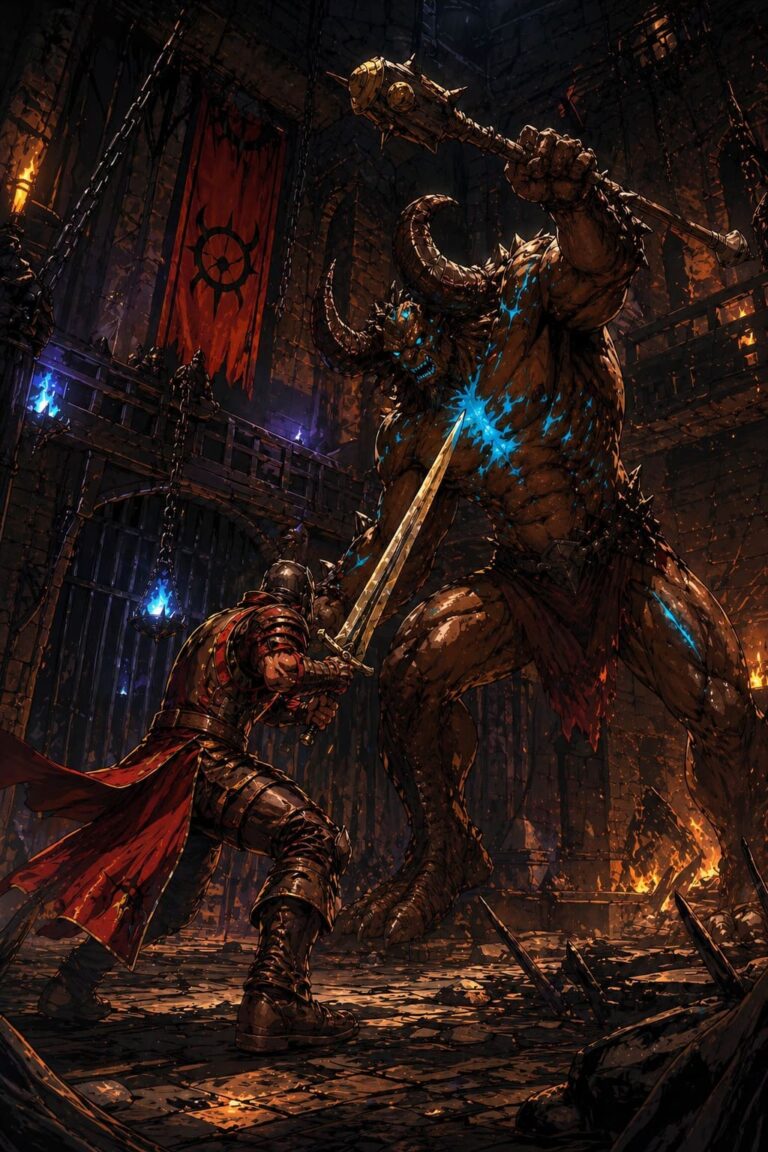
SoulQuest Secret Areas & Hardcore Guide: Surviving the “Alys Must Die” Mode
If you’ve spent even a couple of hours in SoulQuest, you already know this isn’t just another flashy pixel-action game. It’s the kind of game that quietly challenges you to pay attention — to walls, to movement, to the spaces between obvious paths.

And honestly, that’s what makes hunting secrets here so addictive.
I’ve gone deep into the current build, chasing every suspicious crack and weird map marker, and this guide is a mix of practical walkthrough and personal experience — the kind of stuff you’d tell a friend who’s trying to squeeze out that sweet 100% completion.
Is Samson Open World? Full Review, Map Size, and Gameplay Guide (2026)
Why SoulQuest Secrets Feel So Rewarding
What I love about SoulQuest is that secrets aren’t just random collectibles thrown into corners. They feel deliberately designed — almost like mini-puzzles that test your curiosity.
You’re not just exploring — you’re questioning everything: why that wall is slightly discolored, why there is space below a platform, or why a waterfall looks suspicious. More often than not, the game rewards that curiosity.
Core Tips Before You Start Hunting
Before diving into specific locations, there are a few lessons I learned the hard way. First, cracked walls are your best friends and enemies at the same time. Most hidden rooms are behind faint yellow cracks, and you should always hit suspicious surfaces at least three times because some don’t break instantly.
Second, think vertically. If your map shows a question mark but nothing is there, chances are it’s above you on a hidden ledge or below you in a drop zone. Third, interact with everything weird — braziers, spinning traps, and random tiles often hide secrets.
Chapter 1: The Outskirts — Where It All Begins
This is where the game quietly teaches you how secrets work. It starts simple, but it is already training your eyes to notice patterns most players ignore.
One of the first secrets is the Merchant’s Hidden Stash. You’ll find it early near a waterfall, just before the first major combat encounter. By jumping onto stacked crates and performing a dash-jump, you can reach a hidden ledge behind the water. The reward is an early boost of currency and a health shard.
Another early discovery is the Ruined Watchtower secret. Instead of following the obvious path, you break a cracked wall on the far left during the vertical climb. Inside, you’ll find a lore entry and a mana upgrade. This is the moment the game quietly tells you: exploration matters.
Chapter 2: The Sunken City — Precision Required
This area ramps things up with tighter platforming and more demanding timing. Secrets here are not just hidden — they actively test your movement skills.
The Coral Altar is located deep within flooded corridors. You must wait for a spinning blade trap to pass, then break a glass panel on the right wall. Inside, you fight elite enemies before claiming the reward, which makes it feel more like a mini-boss room than a secret.
Under the Production Line is another clever hidden area. In the final factory section, you can slide under conveyor belts using crouch plus dash to reach a hidden space beneath the machinery. The reward includes high-tier weapon upgrade materials, making it very worth the effort.
Chapter 3: The Forgotten Woods — Subtle and Missable
This region is where secrets become much more subtle and easy to miss. The design becomes more deceptive, relying on distraction and visual misdirection.
The Under-Bridge Cache is found by standing on a bridge and looking downward. There is a collectible suspended in midair below you. You can retrieve it using a ranged attack or a precise drop-dash. It is extremely easy to overlook.
The Unexpected Reunion Cave is another hidden spot located near a main quest objective. Before interacting with the quest trigger, you should head left into a dark foliage-covered alcove. Inside, you will find a rare accessory that boosts soul energy gain.
Special Secrets and Easter Eggs
Beyond standard hidden rooms, SoulQuest includes several Easter egg style secrets that add personality to the world.
The Fallen Swordsman appears at the far eastern edge of the map near a lone tree. Triggering this encounter leads to a duel with a recurring enemy. Defeating him rewards the Genji Glove, which allows double basic attacks and significantly changes combat flow.
The Ghostly Shopkeeper is a smaller but memorable secret. Occasionally, a soul peeks from behind scrolls in the shop. Clicking on it unlocks a hidden achievement titled “I’m A Weirdo,” which feels intentionally playful.
The Alys Must Die challenge is unlocked by achieving perfect S-ranks in demo quests. It opens a hidden combat arena designed for advanced players, pushing mechanics to their limit.
100% Completion Tips From Experience
If you are aiming for full completion, use your pulse ability constantly. It highlights interaction points nearby and saves a lot of backtracking frustration.
After defeating major bosses, always revisit previous areas. Once enemies are gone or reduced, exploration becomes significantly easier and previously hidden paths become more visible.
Also, treat waterfalls as suspicious by default. Not all of them hide secrets, but enough do that checking them becomes a habit that pays off consistently.
Surviving “Alys Must Die” in SoulQuest: A Hardcore Player’s Guide to Beating the Game’s Toughest Bosses
If you’ve stepped into SoulQuest’s highest difficulty—“Alys Must Die”—you already know this isn’t just a harder mode. It’s practically a different game. Bosses aren’t just tankier; they’re smarter, faster, and brutally unforgiving. One mistimed dodge or greedy combo, and you’re back at the checkpoint wondering what just happened.
As someone who enjoys punishing action RPGs and has spent way too many hours learning boss patterns the hard way, I can say this mode feels closer to a dance than a fight. You don’t brute-force your way through—it’s all about rhythm, patience, and precision.
Core Survival Mindset (This Matters More Than Gear)
Before even talking about bosses, you need to fix your habits. Most players fail here not because of bad builds—but because of bad instincts.
The 3-Hit Rule
One of the biggest traps in Alys Must Die is overcommitting. Bosses trigger a Burst state (that gold flash) after a certain damage threshold. If you’re mid-combo when it happens, you’re getting punished. Stick to short, controlled combos (3–4 hits max). Think of it like this: you’re not dealing damage—you’re negotiating for it.
Parry > Dodge
Dodging feels safer—but in this difficulty, it’s actually more expensive and less rewarding. Dodging costs high stamina and only resets position, while parrying costs less stamina, restores Soul Meter, and enables Breaker abilities. Once you get comfortable parrying, the entire combat system opens up.

Animation Canceling
Heavy attacks feel great—until they get you killed. Use secondary weapons like bow or daggers to cancel recovery frames after heavy attacks. Without this, many boss counters become unavoidable.
Boss Breakdown: DiangXon (The Storm Herald)
This fight is where most players realize they’re not ready. His attacks don’t just hit harder—they track smarter, especially in this mode.
Phase 1: Raining Blades
Four swords fall from the sky with aggressive tracking. Most players panic and run, but the correct approach is to dash into the attack at the last second. This triggers a Perfect Dodge, slowing time briefly. Use that window for a Heavy Launcher and reset positioning immediately.
Hidden trick: the final blue-glowing sword can be parried. If you do it successfully, it reflects back and deals massive posture damage, often shortening the fight.
Phase 2: Electric Cage
DiangXon teleports to the center and creates an expanding electric ring. The correct strategy is to stay airborne the entire time. Alternate light attacks and air dashes, and avoid touching the ground until the effect ends. Ground contact here is almost always fatal.
Boss: Forest Guardian (Blighted Form)
This fight is less about speed and more about awareness. The Guardian guards access to secret content, and its patterns punish hesitation.
Vine Trap Mechanic
When the Guardian’s shoulders glow purple, vines erupt beneath your feet. You must jump immediately—waiting even half a second can be fatal due to the Slow debuff. If you have Fire Enchantment, burning vines creates smoke cover that breaks line of sight and opens backstab opportunities.
Berserk Phase (30% HP)
The Guardian performs a full 360-degree log swing. Do not attempt to parry. Instead, use your Ultimate or Soul Art. Its invincibility frames negate the damage while allowing you to safely finish the fight.
Boss: Alys (Shadow Doppelgänger)
This is the true test of mastery. Alys reacts directly to your inputs, making aggression dangerous and predictable behavior lethal.
Mirroring Mechanic
If you spam light attacks, she will parry every time. The correct approach is patience. Wait for her Shadow Dash, then react instead of initiating.
Winning Loop
Wait for Shadow Dash, then perform a back-parry as she reappears behind you. Follow with two light hits and one heavy slam, then immediately dash away to avoid her guaranteed explosion counter. This loop is slow but consistent and safe.
Essential Gear Setup
Your gear determines how forgiving the fights will be. Even perfect execution benefits from proper setup.
Genji Glove
Boosts damage during short openings and supports the 3-hit playstyle. Ideal for all boss encounters.
Mana Shard IV
Allows two heals per fight, dramatically increasing survivability during longer encounters.
Wind Cloak
Increases dash distance, which is essential for avoiding AoE-heavy attacks like DiangXon’s electric ring.
Final Thoughts
Alys Must Die isn’t unfair—it’s demanding. Once you stop over-attacking, panic dodging, and ignoring mechanics, the game shifts from chaos to rhythm. Every boss becomes a pattern to learn rather than a wall to break. And when you finally win, it feels earned in a way few games manage to deliver.