How to Beat the Chained Wheels Desert Biome: Best SUV Upgrades for Success
If you’ve ever played Chained Wheels, you know it’s not just another off-road driving simulator. Cara Games has crafted a physically challenging cooperative game where your driving skills are only half the battle.
Coordinating with a partner while your vehicles are connected by a chain adds an entirely new level of difficulty. Nowhere is this more evident than in the Desert Biome, the infamous “first obstacle” for newcomers.
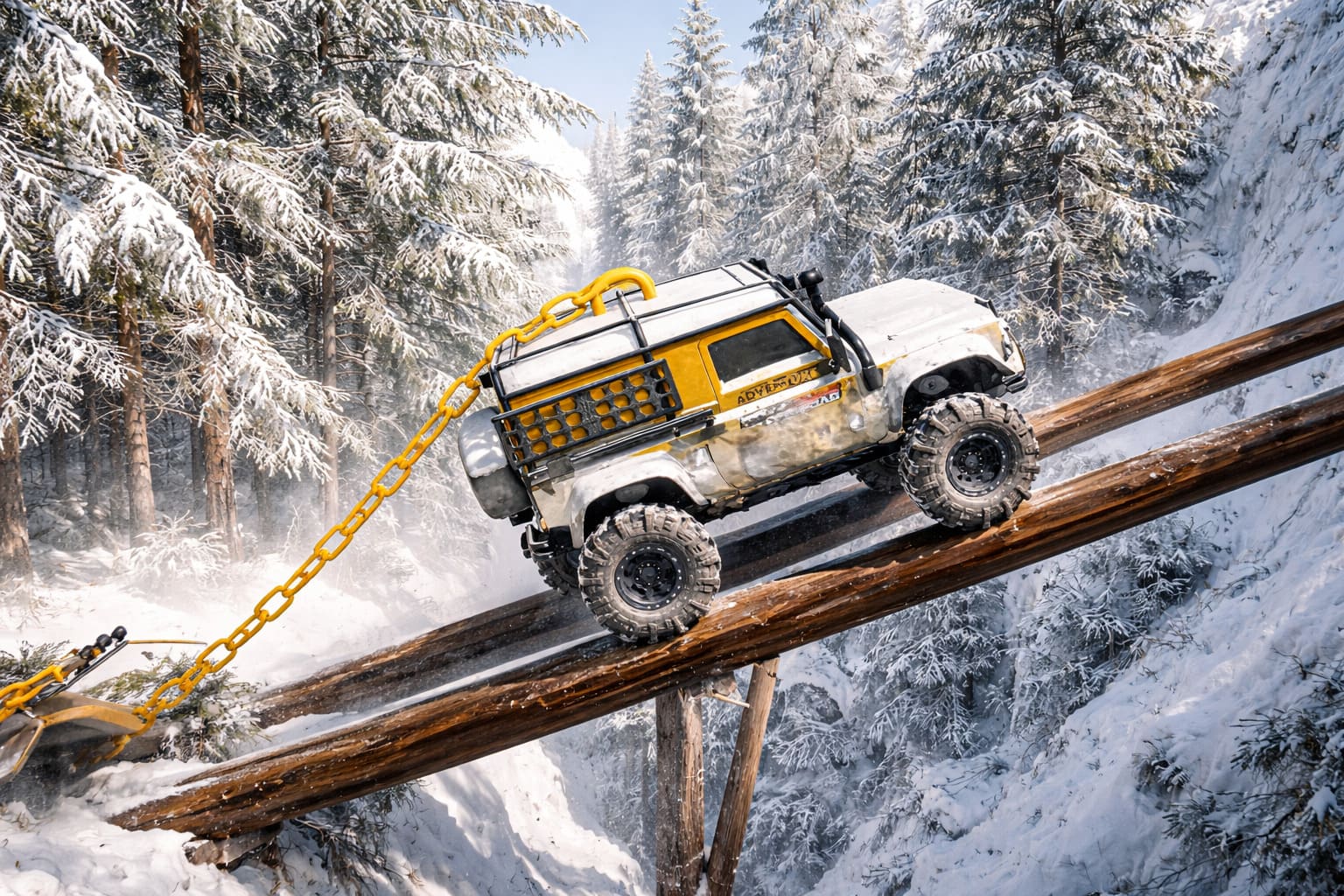
After hours of flipping buggies, getting stuck in SUVs in sand traps, and narrowly avoiding tornadoes, I’ve compiled a hands-on guide to help you dominate the dunes without losing patience—or breaking the chain.
Mastering Drawbridge Mechanics in Going Medieval: Defense Guide (2026 Edition)
Understanding the Desert Biome Mechanics
In Chained Wheels, you don’t just control a vehicle; you control a team of two cars. Each car is connected by a rigid chain and has a unique role:
| Vehicle | Role | Strengths | Tips for Desert |
|---|---|---|---|
| Scout (Buggy) | Front vehicle | Agile, lightweight, excellent for scouting | Wider tires help prevent sinking in quicksand. Stay near the Lead during tornadoes. |
| Lead (SUV/Truck) | Rear vehicle | Heavy, high torque, provides pulling power | Prioritize torque-heavy tires to drag the Scout through soft sand. Anchor against tornadoes. |
The desert is not just a test of driving skill, but also of anticipating dynamic hazards such as shifting sand traps, sudden tornadoes, and uneven dunes that can flip your vehicles or tangle the chain in seconds.
Top Strategies for Surviving the Desert Biome
After countless attempts (and failures), I’ve identified five key strategies that actually work in the desert.
1. Master the “Tether Tension”
The chain between your vehicles isn’t decoration—it’s your lifeline. Keep a steady pace: sudden jerks can flip the Scout or throw the SUV off course. Synchronized braking: on steep dunes, braking simultaneously prevents chain breakage. Control momentum: sometimes a gentle push beats a sharp tug; in the desert, skill matters more than brute force. Chain as a rope: too loose and it swings, too tight and it snaps. Balance is the key to success.
2. Pick the Right Tires
The desert doesn’t forgive mistakes, and tire choice can determine your fate. Scout: wider tires improve weight distribution and reduce the risk of sinking in soft sand. Lead: choose torque-focused tires—the standard ones get bogged down quickly. Tip: forget what works on ice; in the desert, friction matters more than grip.
3. Navigate Quicksand and Tornadoes
These hazards are active, sneaky, and can punish you instantly. Tornadoes: lightweight buggies lift off and flip easily. Lead must stand firm to resist the tornado. Keep Scout close to Lead’s shadow for protection. Sand traps: Scout acts as an early warning system—if it sinks, Lead must quickly back off or use the winch. Stay calm and act fast. Proper winch use can save your entire mission.
4. Communication is Everything
If you think you can handle this without talking to your partner, forget it. Desert hazards move fast. Clear roles: typically, Scout reports obstacles while Lead controls speed and power. Winch coordination: the chain isn’t just a connector; it’s a tool. Use it to pull a stuck vehicle. Brevity and precision: there’s no time for long explanations when avoiding sand traps. Nothing beats the moment when both vehicles crest a dune in perfect synchrony.
5. Upgrade Wisely
Early resource allocation is crucial. Focus on torque for Lead to handle the load. High-travel suspension prevents flips and excessive bouncing of the buggy. Don’t waste upgrades on aesthetics—the desert is harsh enough already.
FAQs from a Fellow Player
Can I play solo? Technically yes, but controlling two vehicles alone is a nightmare. The physics engine is built for co-op. Prepare for headaches.
Which vehicle is better for the desert? Neither is “better”—it’s all about the combination. A light Scout and a powerful Lead form the ideal pair for dune exploration with both power and safety.
How do I unlock the next biome? Complete all main “Desert Gate” objectives. Usually, this means reaching the end of the biome with both vehicles intact and within the target time.
Dominating Desert Dunes in Chained Wheels: Lead SUV Upgrades That Actually Work
If you’ve ever tried towing your Scout through the Desert Biome in Chained Wheels, you know the struggle is real. One moment, you’re confidently barreling across the dunes; the next, both vehicles are buried in soft sand, looking like they’ve given up on life.
The secret to success isn’t flashy paint jobs or speed boosts—it’s torque, traction, and stability. And it all starts with the Lead SUV.
I’ve spent countless hours tweaking my rigs in-game, testing different combinations of upgrades, and learning the hard way which ones matter when the sand gets heavy. Here’s my personal guide to transforming your Lead SUV into a desert-destroying powerhouse that keeps your Scout safely chained behind.
Why the Lead SUV is Everything
The Lead SUV isn’t just your front vehicle; it’s the engine that drags your whole operation forward. Think of it like a heavyweight champion pulling a tag-team partner through mud—without enough torque, you’re not going anywhere. The key takeaway here: maximize low-end power. Forget about top speed; in soft sand, torque and traction win every time.
Powertrain & Engine Upgrades: The Heart of the Beast
Your SUV’s engine is like a puzzle—every part has to work together. If the engine isn’t tuned for torque, no amount of tire grip or differential upgrades will save you. Based on my experience, here’s what you should prioritize:
1. ECU Performance Tuning
I’ve noticed a dramatic difference in low-speed torque after tuning my ECU. Pedal Commander’s tuning options are particularly effective at making the engine more responsive in sticky sand. You feel the difference immediately: the vehicle moves with authority instead of wobbling in place.
2. Forced Induction (Turbo/Supercharger)
Installing a turbo or supercharger is like giving your SUV a shot of adrenaline. More air into the engine means more power output—essential when the sand starts acting like molasses. Even if your vehicle is already beefy, a forced induction system gives it that extra oomph to conquer dunes without strain.
3. Performance Exhaust & Headers
I was skeptical at first, but swapping to custom headers and a performance exhaust noticeably improved torque across all gears. Efficient cylinder ventilation means the engine breathes better and delivers smoother power—especially critical when you’re towing a fully loaded Scout.
Drivetrain & Traction: Power Without Slip Is Worth Everything
Even the strongest engine is useless if the power can’t reach the sand. If your tires just spin in place, your Lead SUV is a glorified sand sculpture. Here’s what worked for me:
| Upgrade | Why It Matters | My Tip |
|---|---|---|
| Sand-Specific Tires (AT/MT) | Deep treads + tough sidewalls = better grip | Mud-terrain for soft dunes, all-terrain if you want versatility |
| Locking Differentials | Prevents power from wasting on one spinning wheel | Combine with low gearing for maximum traction |
| Lower Gearing Ratios | Delivers more torque at low speeds | Essential for towing without overheating |
Pro Tip: Even the best tires fail if the differential isn’t optimized. Power distribution is everything.
Stability & Clearance: Don’t Let the Sand Flip You
The Desert Biome isn’t flat—it’s a nightmare of uneven dunes that will punish any SUV with a low underbody. Here’s how I avoid flipping or losing momentum:
Suspension Lift Kits
A 2–3 inch lift can feel like magic. It gives your SUV enough clearance to glide over dune crests without bottoming out while keeping handling manageable. Go higher than 3 inches, and you risk instability, especially while towing.
Heavy-Duty Shock Absorbers
With the Scout bouncing behind, stock shocks are like trying to stand on jelly. Off-road shocks stabilize your SUV, reducing the pendulum effect that causes nasty flips. My personal setup made towing across the toughest dunes feel almost relaxing.
Bonus Tips for Desert Domination
- Momentum is Your Friend – In soft sand, slow and steady wins. Don’t punch the accelerator; let the torque do the work.
- Check Tire Pressure – Lowering pressure increases the contact patch for better traction. I usually drop mine by 10–15% in soft sand.
- Plan Your Route – Avoid steep dune faces unless your vehicle is heavily upgraded. Even maxed-out torque can fail on extreme inclines.
- Chain Management – Keep the chain taut but not rigid. A swinging chain can destabilize both vehicles and lead to disaster.
Putting It All Together
After testing dozens of configurations, my desert-ready Lead SUV setup looks like this:
- Engine: Turbo + ECU tuning + performance headers
- Tires: MT tires for maximum sand grip
- Drivetrain: Locked differentials + lower gear ratios
- Suspension: 2.5-inch lift + heavy-duty shocks
This combination strikes a balance between raw power, stability, and traction, allowing me to tackle dunes that would bury most unprepared teams.
Final Thoughts
Conquering the Desert Biome in Chained Wheels isn’t about shortcuts; it’s about understanding how power, traction, and clearance work together. Your Lead SUV isn’t just a vehicle—it’s a partner that needs the right upgrades to perform at its peak. Follow these guidelines, and instead of getting stuck, you’ll glide across dunes like a pro, with the Scout trailing safely behind.
So, gear up, tune that engine, lock those differentials, and embrace the sand. Your Lead SUV can be more than a towing machine—it can be a desert-dominating legend.