Rise of Piracy 2026: Faction Relations & Diplomacy Guide, Crew Specialization
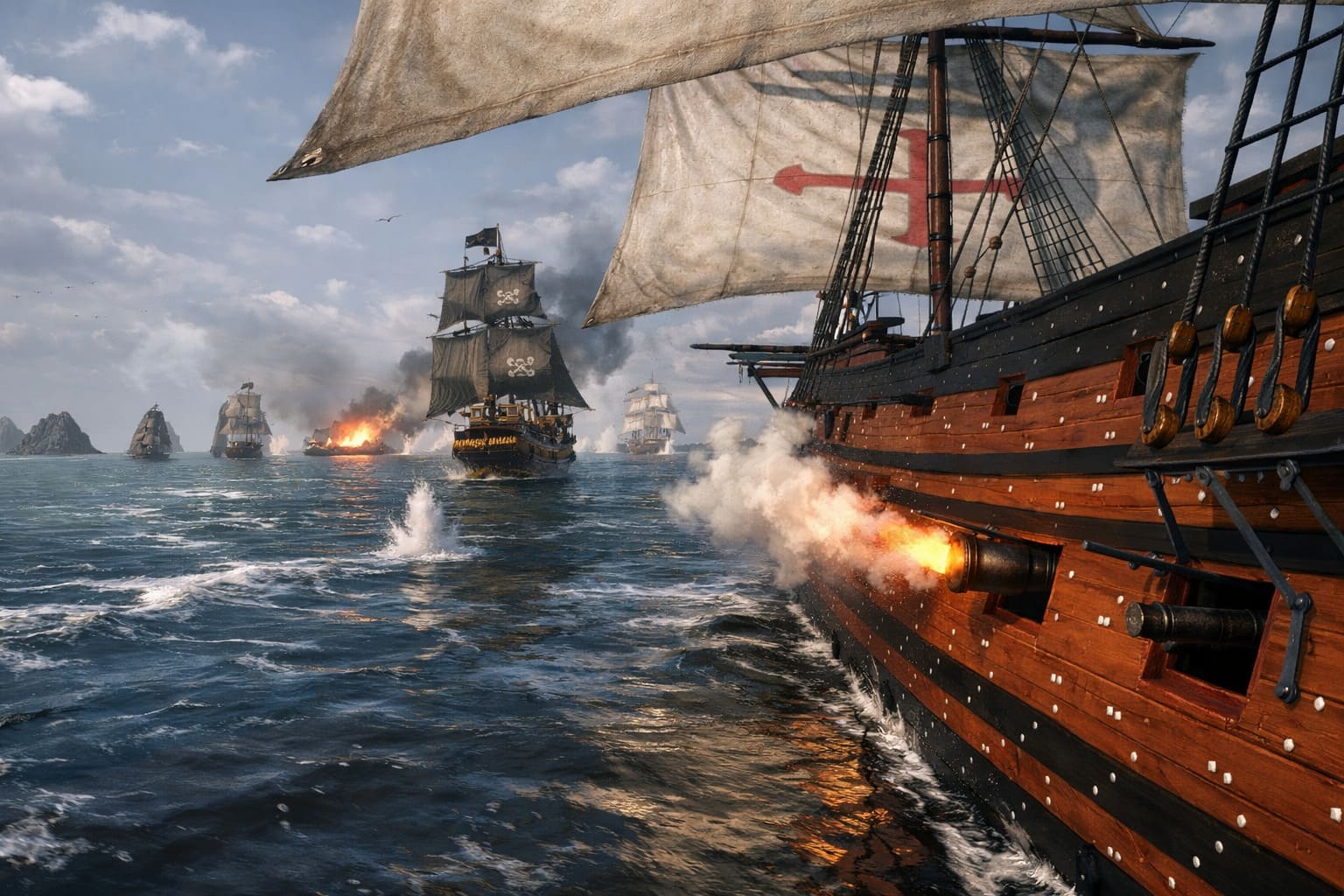
If you’ve spent more than a few hours in Rise of Piracy (2026), you already know the cannons aren’t the most dangerous weapon in the Caribbean — reputation is.
As someone who loves open-world naval sandboxes and has sunk unhealthy hours into faction-driven games, I can confidently say: diplomacy in Rise of Piracy isn’t just a background mechanic. It’s the core meta.
Nine factions. Shifting alliances. Colonial fleets that can erase you from existence. Let’s break down how to actually control the political game instead of being crushed by it.
Why Faction Reputation Actually Matters
You can absolutely try to play the “enemy of everyone” pirate fantasy.

You will not survive long.
High-tier ships, military ports, reduced tariffs, safe docking zones — all of that sits behind reputation tiers. The difference between Neutral and Friendly isn’t cosmetic. It’s economic survival.
Here’s how I personally approach faction management.
1. Commit Early — Don’t Try to Please Everyone
One of the biggest mistakes new captains make is staying neutral across the board. It feels safe. It isn’t.
If you focus on one faction early, you unlock meaningful rewards faster:
- Access to better shipyards
- Reduced customs tolls
- Priority missions
- Military-grade crew types
This strategy works in other faction-heavy games, and it works even better here. Once you hit higher tiers, that faction becomes your safe harbor — literally.
Pro mindset: Secure one strong ally before expanding politically.
Rise of Piracy Strategy Guide: How to Dominate the 2026 Merchant Class
2. Missions: The Cleanest Reputation Engine
The mission system is more than gold farming.
When you visit ports, talk to mayors and fleet captains. Their contracts provide steady reputation gain, often stack with trade bonuses, and build long-term faction trust.
It’s not flashy, but it’s reliable. Think of missions as compounding interest for diplomacy.
And yes — stacking faction tasks is far more efficient than random bounty chasing.
3. Trade Like a Politician, Not a Smuggler
Trade in Rise of Piracy is underrated as a diplomatic weapon.
With 200+ commodities in circulation, consistent trade along faction-controlled routes gradually shifts their stance toward you. It’s subtle, but over time you’ll notice improved docking interactions, less harassment from patrol fleets, and access to restricted goods.
If you’re playing long-term strategy, economic diplomacy is safer than combat diplomacy.
4. Choose Your Enemies Carefully
The “enemy of my enemy” principle absolutely applies here.
If you attack ships belonging to a faction’s rival, your standing improves with their enemies, you build indirect alliances, and you shape regional power dynamics.
But here’s the nuance: Total destruction hurts more than calculated aggression.
If you’re raiding but trying not to nuke your reputation, capture ships instead of sinking them when possible. The game penalizes outright annihilation more harshly.
This small mechanical detail separates reckless pirates from strategic ones.
5. Watch the Political Map Like It’s a Weather Forecast
Factions go to war without your permission.
If your ally declares war on someone you’re neutral with, you may be forced into an uncomfortable choice: protect your investment or diversify your alliances.
This dynamic political system keeps the 2026 meta fresh. It also means your strategy from one campaign may not work in the next.
Always monitor active wars, trade disruptions, and shifts in naval patrol strength.
Diplomacy isn’t static — and neither is survival.
Faction Relation Tiers Breakdown
| Tier | Relation Score | Gameplay Impact |
|---|---|---|
| Cooperative | 75+ | Elite warships, military markets, top-tier crew access |
| Friendly | 50–74 | Reduced tolls, easier docking, safer ports |
| Neutral | -9 to 9 | Standard trading, no bonuses or penalties |
| Hostile | -50 to -74 | Faction fleets attack on sight |
| Vengeful | -75 or lower | High-level hunters actively pursue you |
The jump from Friendly to Cooperative is massive. That’s where endgame naval power really unlocks.
The 2026 Meta Strategy (From One Addict to Another)
If you want my honest advice?
- Build one powerful ally first
- Use trade as diplomacy
- Farm missions intentionally
- Fight selectively
- Avoid multi-front wars
Being “Suspicious” with everyone might feel edgy, but being Cooperative with one dominant faction feels powerful.
And since the game is still in Early Access, diplomacy weights shift with updates. The developer actively adjusts systems based on player feedback, so staying plugged into the community is smart if you’re playing competitively.
Boarding Like a Legend: My Personal Crew Strategy Guide for Rise of Piracy (2026)
If you’re still blowing ships out of the water in Rise of Piracy (2026), you’re playing it wrong.
Sinking ships feels good. Capturing them builds empires.
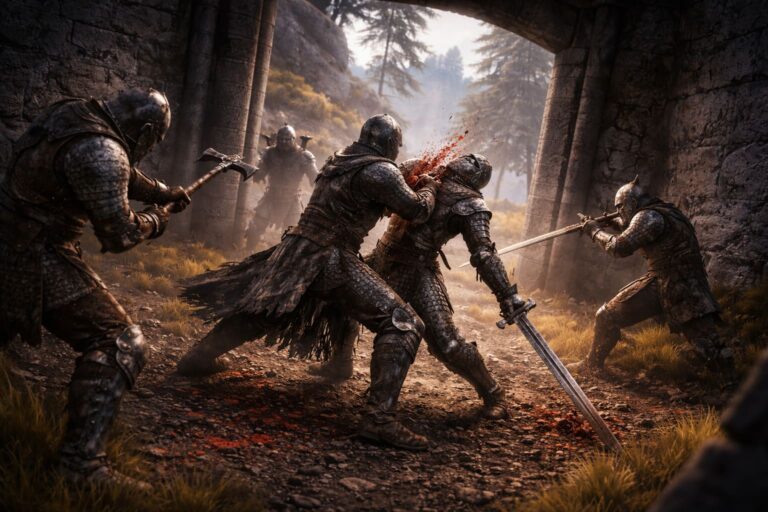
After dozens of campaigns, failed assaults, and a few painfully lost veteran crews, I’ve learned one thing: boarding is the real endgame mechanic. But it’s brutal. One bad push and your elite squad gets wiped by ten panicked defenders with muskets.
Here’s my personal, battle-tested approach to crew specialization, boarding tactics, and long-term survival.
Rise of Piracy Campaign Map Guide 2026: Best Starting Locations & Fleet Strategies
Why Boarding Wins Wars
Cannons win battles. Boarding wins campaigns.
When you capture:
- You gain the ship
- You keep the cargo
- You can recruit the crew
- You deny reinforcements to rivals
But boarding unprepared? That’s how you lose level 5 Marines to a merchant schooner.
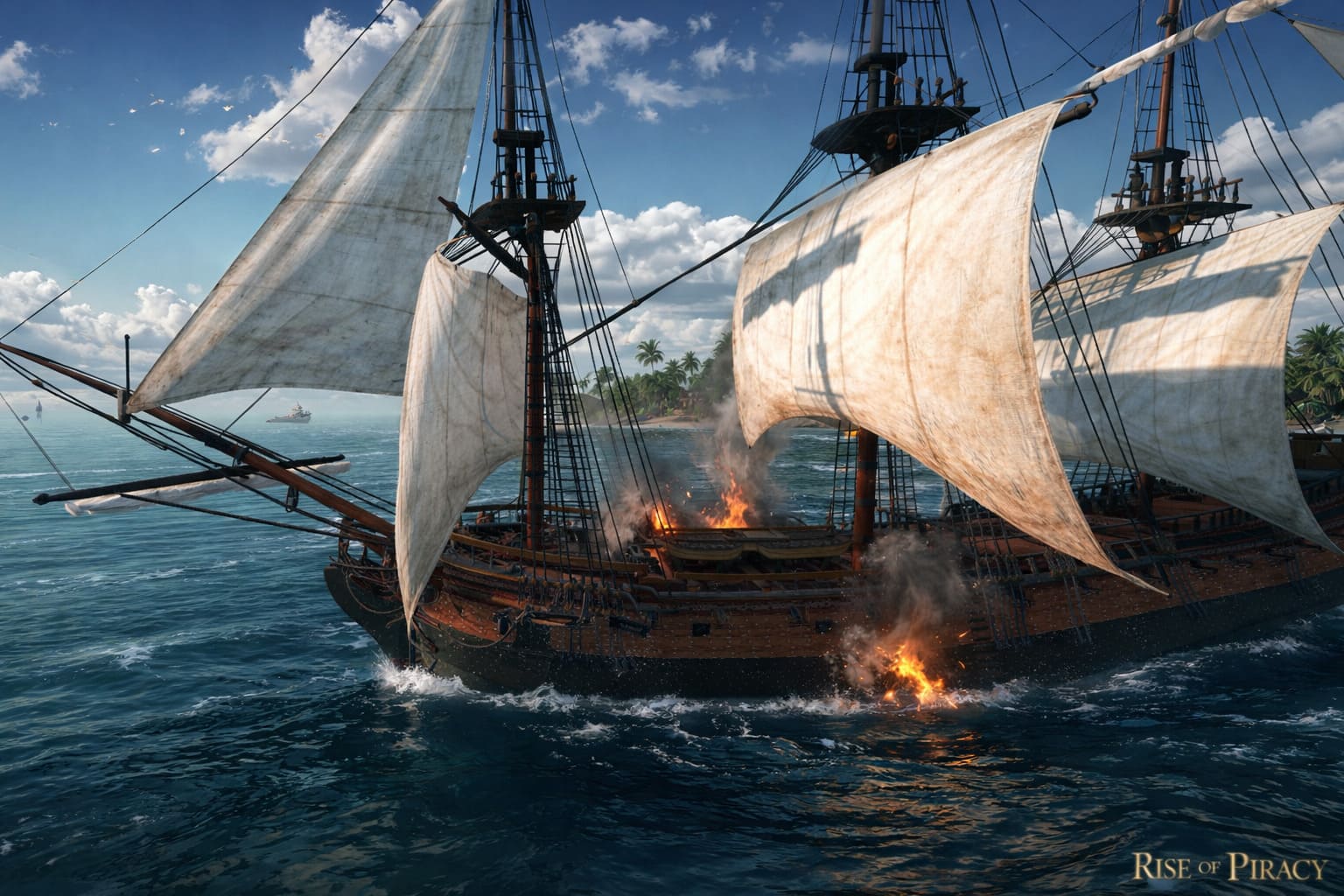
The Three Boarding Stats You Should Actually Care About
When upgrading crew at Taverns or Military Outposts, I ignore fluff stats and focus on three core attributes:
| Stat | Why It Matters | My Personal Priority |
|---|---|---|
| Melee Proficiency | Determines raw clash damage | Highest |
| Morale (Willpower) | Prevents retreat during prolonged fights | Critical |
| Agility | Faster boarding transition and fewer gap casualties | Very Important |
My Take:
- Melee wins fast fights.
- Morale wins long fights.
- Agility prevents stupid deaths before combat even starts.
Most players underestimate morale. Big mistake. When morale collapses, your crew runs — and nothing feels worse than watching your veterans retreat while defenders counter-board.
The Only Crew Roles I Trust in Real Boarding
You can’t send deckhands into a firefight and expect miracles. Specialization is everything.
Here’s how I structure my assault party:
Grenadiers – The Morale Breakers
These guys are absolute monsters.
Before ships even lock together, they throw explosives that thin out front lines, shatter enemy morale, and create instant chaos.
If you want early momentum, always bring Grenadiers.
Officers – The Hidden Multiplier
Never board without at least one Officer.
Their Command Aura buffs nearby units’ melee performance. It’s basically a silent damage amplifier across your whole squad.
One Officer can turn average Marines into elite killers.
Marines – The Damage Sponges
Marines go first. Always.
They have higher armor, absorb initial musket volleys, and hold the line during chaos.
Standard sailors die fast. Marines survive long enough for your Grenadiers and Officers to do their work.
Equipment That Actually Changes Outcomes
Training is half the equation. Gear wins fights.
Here’s what I prioritize every single campaign:
| Upgrade | Why It’s Mandatory |
|---|---|
| Boarding Axes | Strong against Defender units and fortifications |
| Pistol Volleys | Instant burst damage on contact |
| Advanced Grappling Hooks | Faster lock-in and fewer swivel casualties |
My Experience:
Pistol Volleys are insanely powerful. A point-blank volley at the start can end smaller engagements in under five seconds.
Advanced Grappling Hooks are underrated. The faster you connect, the less time the enemy has to shred your crossing crew with swivel guns.
Speed equals survival.
The “Softening” Strategy (Never Board a Fresh Ship)
This is something I learned from watching high-level players and testing it myself: never board a full-strength ship.
Instead:
- Switch to Grapeshot to reduce enemy crew numbers
- Target sails to immobilize the ship
- Look for opportunities to snipe the enemy captain
If you eliminate the enemy captain before boarding, the assault speed increases dramatically because their morale plummets.
It feels unfair. I love it.
Managing Casualties Like a Smart Pirate
Boarding is attrition warfare. Even when you win, you lose people.
Here’s how I keep my elite units alive long-term:
Press-Gang — Use Carefully
You can force captured crew into service, but loyalty is low and morale issues are common.
I use them as secondary boarding waves or expendable units during risky engagements.
Never mix them into your veteran core.
Always Install a Medical Bay
A Sick Bay on your flagship is non-negotiable.
Wounded specialized units recover instead of dying permanently, return to active duty, and preserve your long-term strength.
Without medical upgrades, boarding becomes unsustainable.
My Ideal Boarding Composition (Mid-Game)
- 40% Marines
- 30% Grenadiers
- 20% Standard Sailors
- 10% Officer Support
Balanced, durable, and morale-focused.
Final Thoughts: Boarding Is a System, Not a Button
Rise of Piracy isn’t just about broadsides and boarding actions. It’s about political positioning.
The captains who dominate the Caribbean in 2026 aren’t the loudest — they’re the most strategic.
Control the map. Control your alliances. And most importantly… never give every faction a reason to hate you at the same time.
Rise of Piracy rewards players who think like commanders, not cannon addicts.
The best fleets aren’t the ones with the biggest guns. They’re the ones with specialized boarding crews, proper morale management, smart pre-boarding tactics, and sustainable casualty recovery.
If you master crew specialization, you don’t just win fights — you snowball into dominance.
And honestly? There’s nothing more satisfying than turning an enemy flagship into your own without sinking it.