Pao Pao Game Multiplayer Guide: Ultimate Co-Op Strategy, Tips, and Kitchen Management
There are plenty of co-op games where playing with friends simply means having another pair of hands. Pao Pao feels a little different. On paper, it looks like a cute cooking and life-sim adventure starring adorable furry characters, but once four players are running around the same restaurant, gathering ingredients, chasing quests, and trying to keep customers happy, it can become surprisingly chaotic.
After playing a lot of co-op games over the years, I’ve learned that the best multiplayer experiences aren’t necessarily the ones with the most complicated mechanics. They are the games where everyone naturally finds a job to do, where communication actually matters, and where something going completely wrong can be just as memorable as a perfect run. That’s exactly where Pao Pao has a lot of potential.
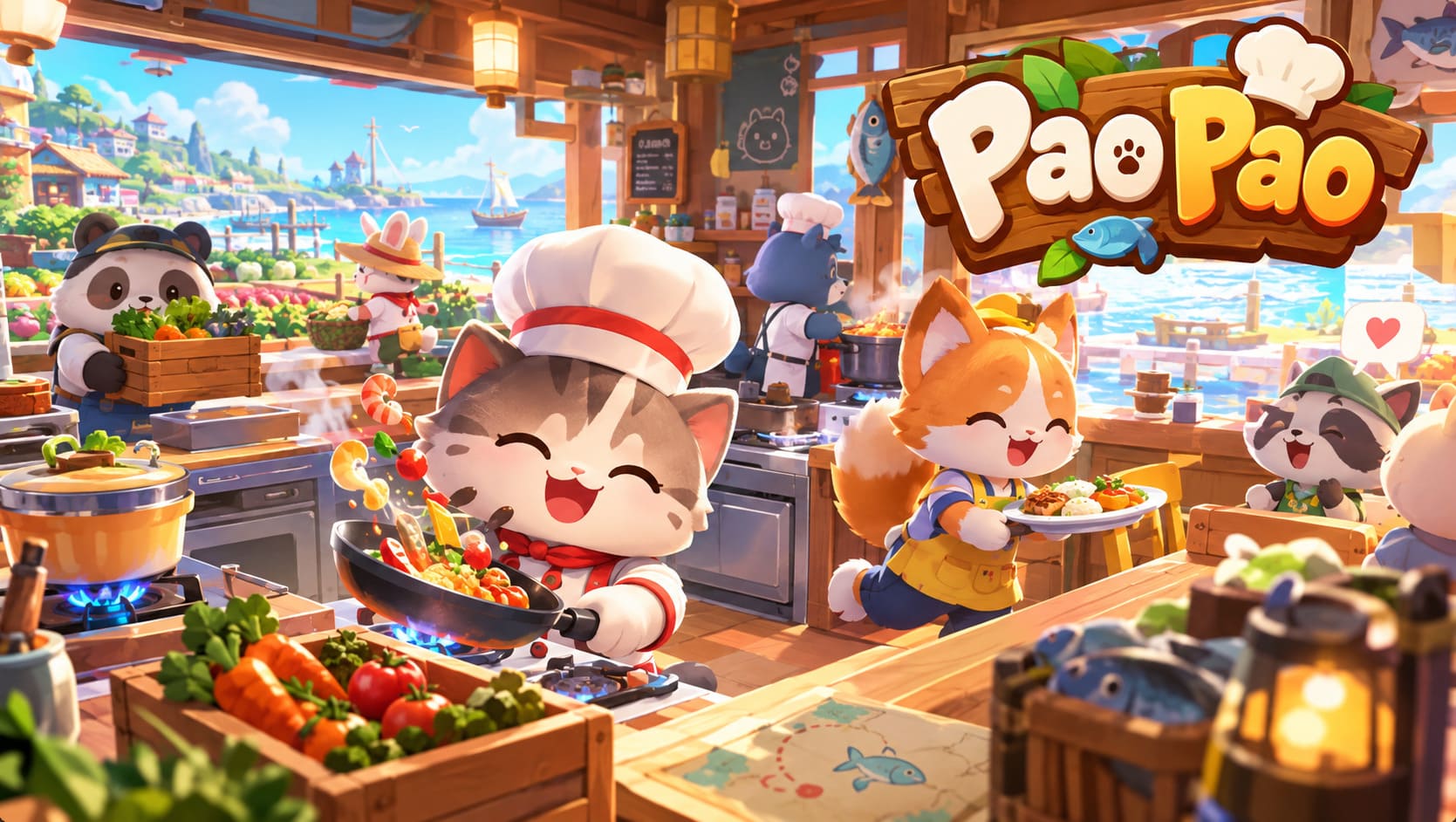
The game combines restaurant management, farming, fishing, foraging, exploration, customization, and multiplayer mini-games in a colorful seaside world. You can play alone, but with up to four players sharing the same adventure, the experience changes dramatically. One person can concentrate on cooking while another handles customers, while the rest keep the restaurant supplied with ingredients.
If you’re jumping into Pao Pao with friends, this multiplayer guide covers the strategies I’d recommend using from the beginning, including role distribution, kitchen organization, resource gathering, progression, and how to avoid turning your restaurant into complete disaster.
Far Cry 6 Amigos Guide: How to Get Chorizo and Unlock All Guapo Abilities
Pao Pao Multiplayer: How Co-Op Works
Pao Pao supports online co-op for up to four players, with one player serving as the host. Setting up a session is straightforward: create a lobby from the co-op menu, configure who can join, and then invite your friends through the appropriate platform.
Once everyone arrives, each player can customize their furry character. Cats, foxes, raccoons, and other charming designs help give every member of the group their own identity, while outfits and decorations make the shared world feel much more personal.
What I particularly like about this kind of setup is that multiplayer isn’t treated as a separate arcade mode. The whole world is designed around cooperation. Your restaurant, resources, upgrades, quests, and general progression become something the group works toward together.
That also means your friends can either make the game incredibly efficient or completely destroy your carefully planned workflow. Usually, it’s a little bit of both.
The Most Important Rule: Give Everyone a Job
The kitchen is where Pao Pao can quickly go from relaxing to ridiculous. Once customers begin arriving and orders start stacking up, having four players running around randomly isn’t necessarily better than having two organized players.
In my experience with co-op management games, clear roles are more valuable than having everyone do everything. You don’t need strict rules every second, but having a basic structure makes busy restaurant shifts much easier.
| Role | Main Responsibilities | Best During |
|---|---|---|
| Head Chef | Cooking, monitoring orders, managing the stove | Restaurant Rush |
| Prep & Service | Chopping, delivering ingredients, serving customers, cleaning | Restaurant Rush |
| Supplier | Gathering ingredients, checking storage, restocking | Morning/Daytime |
| Explorer | Quests, fishing, foraging, special resources | Between Shifts |
The Head Chef
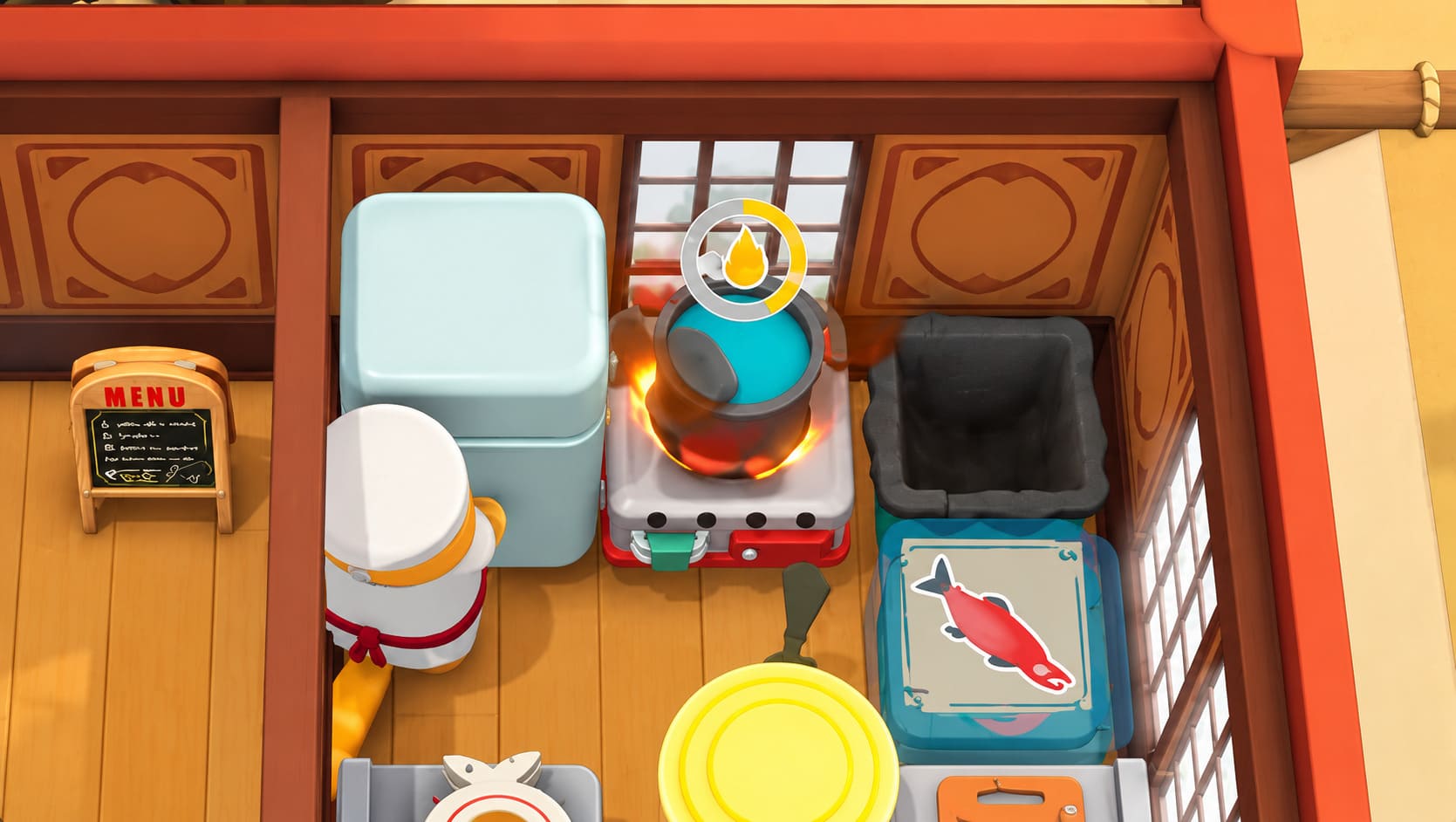
The Head Chef should stay focused on the cooking line whenever possible. This player watches order timers, prepares dishes in the correct sequence, and makes sure nothing gets forgotten while everyone else is moving around.
The biggest mistake here is trying to leave the kitchen every thirty seconds to collect something. If you’re responsible for cooking, let someone else bring the ingredients to you.
Prep Cook and Server
This is arguably the busiest role. The prep player handles chopping and other ingredient preparation while also transporting food and dealing with customers.
They should also keep an eye on dirty dishes and table space. There is nothing more frustrating than having a perfectly cooked meal ready while the restaurant can’t function because nobody bothered to clean up.
Supplier and Explorer
Someone needs to think beyond the restaurant. Farming, fishing, shopping, and foraging all feed directly into the kitchen, so the supplier should constantly think about what the restaurant will need later rather than only what it needs right now.
This role can feel less exciting during the first few minutes, but trust me: a well-stocked kitchen makes the later restaurant rush dramatically easier.
Farming and Greenhouses: Build a Reliable Supply Chain
One of the things that separates Pao Pao from a basic cooking game is the way ingredients are connected to the wider world.
Your team isn’t simply selecting ingredients from an infinite menu. You have to actually acquire many of them, which means farming becomes an important part of long-term restaurant management.
Once greenhouses become available, try to organize crops according to their purpose rather than planting everything randomly. Keep frequently used vegetables and herbs easy to harvest, and make sure someone checks the growing areas regularly.
Multiplayer makes this much easier because one person can handle planting and watering while another deals with harvesting. It may not sound particularly exciting, but having a steady agricultural routine means fewer emergencies later.
Don’t wait until you’re completely out of ingredients before farming. That’s the kind of mistake that turns a smooth restaurant session into an unnecessary resource hunt.
Fishing Is Better With Friends
Fishing is another area where multiplayer can make a normally simple activity much more entertaining.
Pao Pao allows players to fish from the shoreline and venture out onto the water by boat. With multiple players, boat fishing becomes a small cooperative expedition: one player can take care of navigation while others concentrate on catching fish.
The interactive fishing mechanics also mean that simply having more players doesn’t automatically guarantee success. Everyone still needs to pay attention and hit the relevant timing indicators correctly.
Personally, this is the kind of activity I’d use as a break between restaurant shifts. You’re still collecting something useful, but it doesn’t feel like you’re spending every minute optimizing a spreadsheet.
Don’t Ignore the Forest
The forest is another important source of materials. Depending on your progression, you’ll need various wild ingredients, wood, and other resources for cooking and upgrades.
A good routine is to send one player out exploring during quieter periods while the rest prepare the restaurant. This keeps the supply chain moving without sacrificing too much valuable restaurant time.
If everyone leaves the restaurant at once, however, don’t be surprised when the next customer wave turns into a disaster.
Kitchen Layout Matters More Than You Think
This is one of the first things I’d recommend experimenting with after getting comfortable with the basics.
A badly designed kitchen creates wasted movement. Even if every player understands their role, constantly walking across the room to reach a stove, storage box, preparation table, or serving area will slow everyone down.
Try arranging equipment according to workflow:
Storage → Preparation → Cooking → Serving
The exact layout will depend on your restaurant and unlocked equipment, but the basic principle is simple: reduce unnecessary walking.
Keep commonly used ingredients close to preparation areas, place cooking equipment where the chef can access it quickly, and avoid blocking the routes used by servers.
This is one of those things that doesn’t seem important during a relaxed shift. Then the restaurant gets busy, and suddenly those extra few steps feel like an eternity.
Use the Day-Night Cycle Properly
Time management is another major part of Pao Pao. The game isn’t just about surviving individual restaurant shifts; you’re also managing what happens before and after them.
Morning and Daytime
Morning is an excellent opportunity to prepare for the day ahead. Check shops, gather resources, work on quests, harvest crops, and make sure your storage is properly stocked.
Once the restaurant opens, the priority should change. Stop wandering around and focus on customers.
If something isn’t urgently needed, it can usually wait.
Nighttime
Night is where I would do most of the long-term planning.
Use the quieter hours to rearrange furniture, upgrade equipment, sort storage, explore the town, and prepare resources for the next day.
Don’t think of nighttime as downtime. Think of it as your preparation phase.
A few minutes spent organizing everything at night can save a surprising amount of chaos during the next restaurant rush.
Multiplayer Isn’t Just About Work
One of the reasons Pao Pao looks appealing as a co-op game is that it doesn’t force you to spend the entire session working.
There are plenty of activities outside the restaurant, including arcade-style mini-games, basketball challenges, boat races, water-gun battles, and even food fights.
And honestly, this is important for a multiplayer game like this.
If every session becomes nothing but ingredient optimization and customer management, eventually someone is going to get bored. Having activities where the group can simply mess around gives the game a more social personality.
Sometimes the most memorable moment isn’t completing a difficult restaurant shift. It’s four friends abandoning their responsibilities to have a ridiculous water-gun fight.
Quests and VIP Customers
As your restaurant grows, special quests and VIP events add another layer of pressure.
These situations can require specific recipes, rare ingredients, better restaurant presentation, or other preparation before an important guest arrives. Unlike normal orders, these objectives can encourage the entire team to work toward a single short-term goal.
This is where communication becomes especially useful.
Before starting a major VIP objective, decide who is gathering ingredients, who is handling upgrades, who is cooking, and who is responsible for the restaurant itself.
Don’t wait until the event begins to figure out the plan.
Preparation is usually much easier than trying to recover from a mistake halfway through an important quest.
My Biggest Pao Pao Multiplayer Tips
If I were starting a new four-player save with friends, these are the rules I’d keep in mind:
- Assign basic roles before the restaurant gets busy. Everyone doesn’t need a permanent job, but someone should always know what they’re responsible for.
- Call out urgent orders. If an order is about to expire, communicate it immediately instead of assuming another player noticed.
- Keep storage organized. Separate fish, crops, processed ingredients, and other important materials whenever possible.
- Don’t overcrowd the kitchen. Four players standing around the same workstation isn’t efficient.
- Restock before you’re desperate. A nearly empty storage room is a problem waiting to happen.
- Use quiet periods for exploration. Save your busiest restaurant hours for actually running the restaurant.
- Prepare for VIP events early. Rare ingredients and upgrades shouldn’t be left until the last minute.
- Use nighttime. Sort your equipment, organize the restaurant, and prepare resources for tomorrow.
- Let people switch roles. Playing the same job every session can become repetitive, so rotate responsibilities occasionally.
- Don’t take the chaos too seriously. If your friends accidentally burn the entire evening’s workflow, laugh about it and try again.
Final Thoughts on Pao Pao Multiplayer
Pao Pao looks cute and relaxing, but its multiplayer systems have more depth than the colorful presentation initially suggests. The combination of restaurant management, resource gathering, farming, fishing, exploration, customization, and mini-games gives every player something different to do.
For me, the biggest appeal is that Pao Pao doesn’t require perfect cooperation to be fun. A coordinated group can build an efficient restaurant and optimize its progression, while a less organized group can spend half the evening running around, arguing about who forgot the fish, and somehow still have a great time.
That’s exactly what I want from a co-op game.
If you enjoy games where teamwork matters but don’t want something relentlessly competitive, Pao Pao could be a surprisingly entertaining choice. Get your kitchen organized, give everyone a role, keep the storage stocked, and remember that the best multiplayer sessions are often the ones where the plan inevitably falls apart.