Mina the Hollower Seed Codes Guide: Hidden Inputs, Mods, and Community Secrets
I’ve been following Yacht Club Games since the days of Shovel Knight, so anything they touch immediately gets my attention.
When Mina the Hollower started circulating in gaming discussions, it already felt like a guaranteed deep dive for me. But what really pulled me in wasn’t just the retro gothic style or tight gameplay loop—it was the talk about so-called “seed codes,” those mysterious name-entry strings that supposedly reshape the entire experience.
Whether fully real or partially community-driven myth, these inputs have become a kind of parallel game inside the game. And honestly, that’s exactly the kind of thing I love as a long-time gamer.
What Seed Codes Mean in Practice
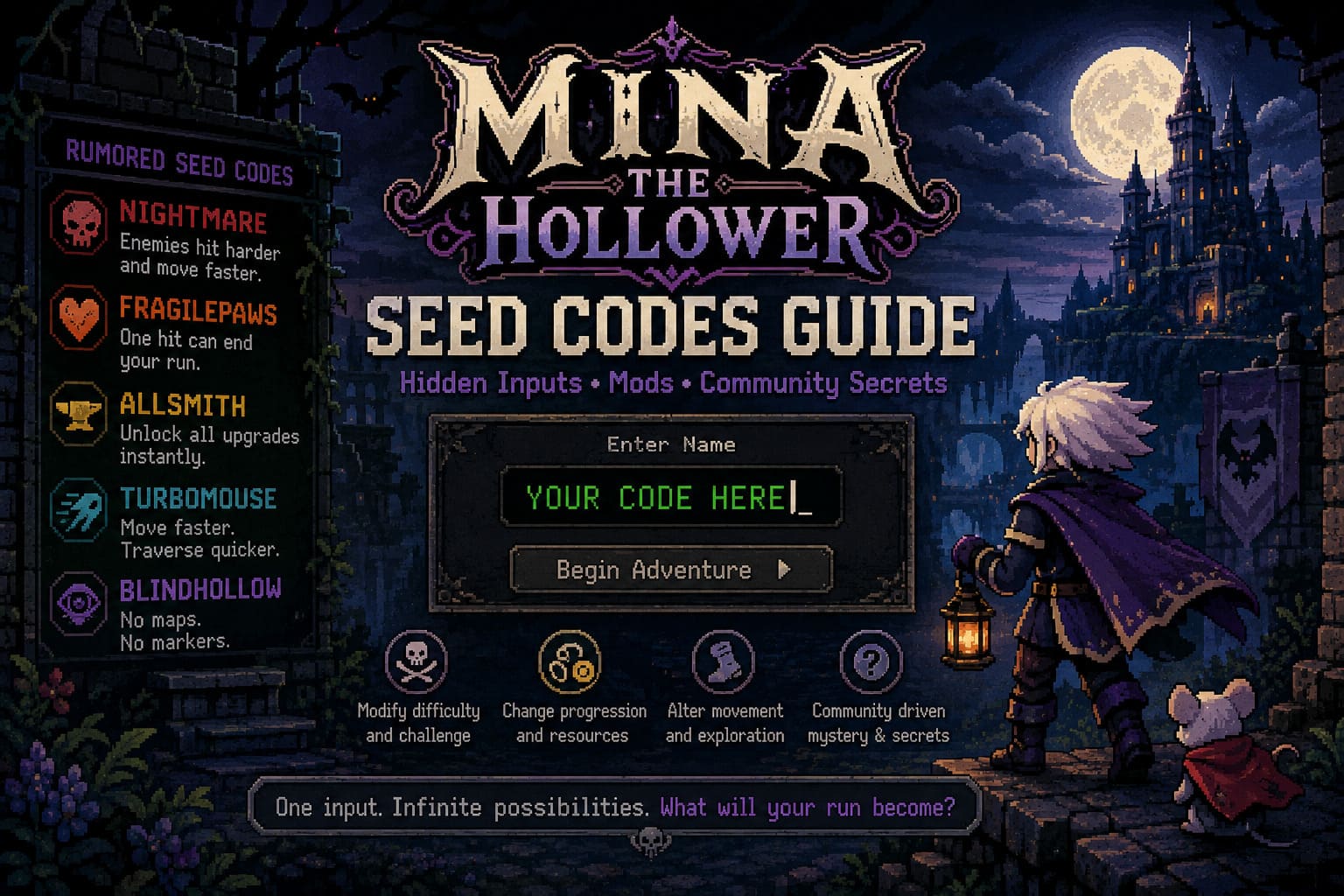
From a player’s perspective, seed codes are simple on the surface but powerful in concept. Instead of entering a normal save file name, you input a special string. The game then reacts by altering mechanics, difficulty, or progression systems in unpredictable ways.
Mina the Hollower Physical Release Guide: What Collectors Should Expect
There are no modern UI overlays or cheat menus—just you, the input field, and whatever consequence follows. That simplicity is what makes it interesting. It feels closer to classic cartridge-era secrets than modern DLC toggles.
Even if some of these effects are exaggerated by the community, the idea itself is what keeps players experimenting endlessly.
How Players Claim Seed Codes Work
The commonly shared activation method looks like this:
Basic Activation Steps
1. Start a new game from the main menu
2. Select an empty save slot
3. Enter a special alphanumeric string instead of a character name
4. Confirm the entry and begin the run
Some players report audio or visual confirmation cues when a valid string is accepted, while others claim nothing obvious happens at all. That uncertainty is part of the appeal.
Mina the Hollower Difficulty Settings Guide
Community Seed Code Categories
Over time, players have grouped rumored seed codes into distinct categories based on their perceived effects. These are not officially confirmed mechanics, but they reflect how the community experiences them.
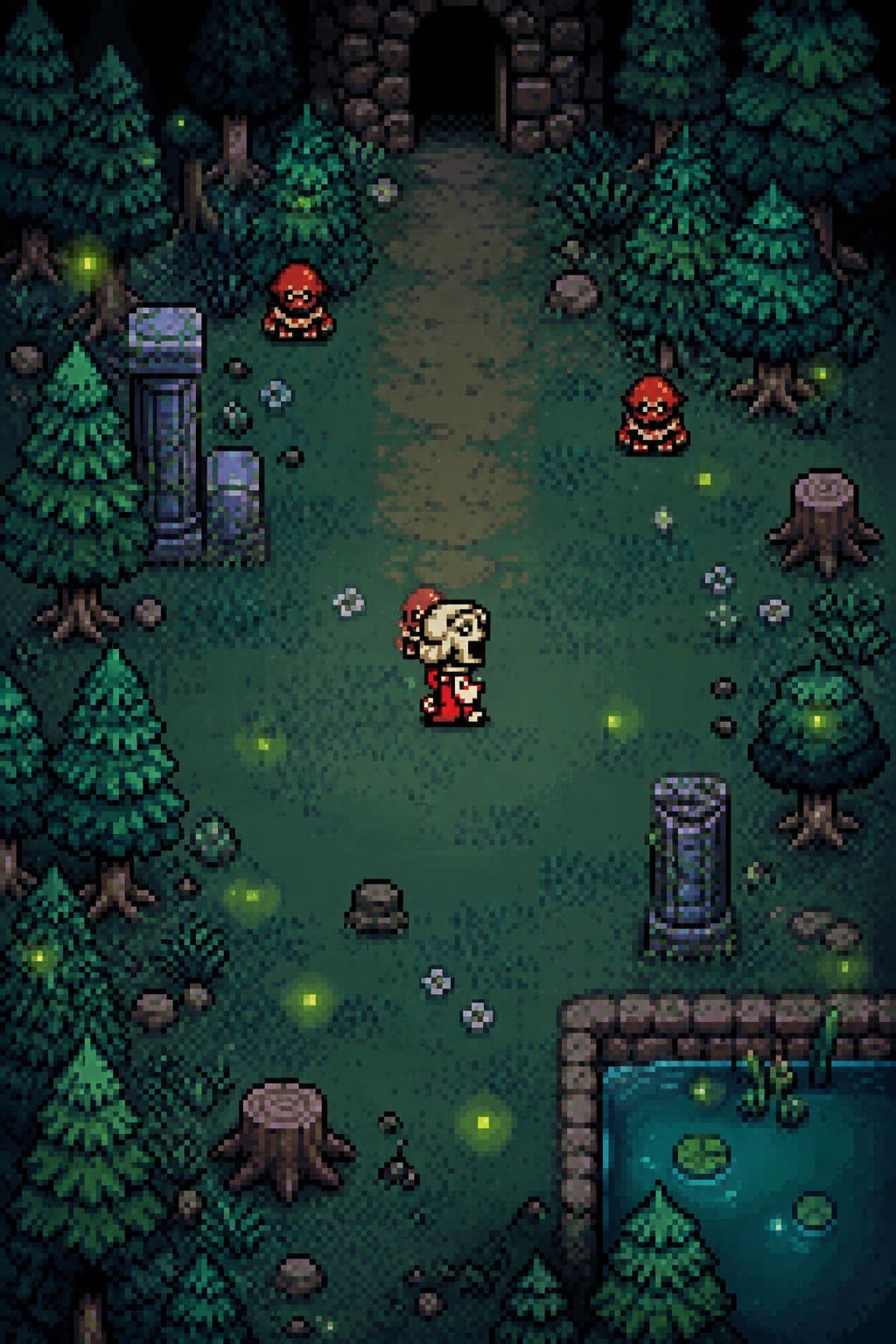
High Difficulty Challenge Seeds
These are designed for players who think standard gameplay is too forgiving.
NIGHTMARE – Increases enemy aggression, speed, and damage output significantly.
FRAGILEPAWS – Limits survivability to extreme levels, often interpreted as one-hit death gameplay.
SPARKLIMIT – Restricts utility usage and forces reliance on basic combat mechanics.
HOLLOWSOULS – Removes recovery of dropped resources after death.
Progression and Resource Seeds
These focus on changing how quickly players grow in power or acquire items.
PLASMARUSH – Increases currency or resource gain rate from enemies and exploration.
ALLSMITH – Unlocks weapon upgrade tiers immediately without standard requirements.
GEARTAB – Grants early access to multiple starting weapons.
Movement and Exploration Modifiers
These affect how the world is traversed and how the character interacts with terrain.
TURBOMOUSE – Dramatically increases movement and traversal speed.
BLINDHOLLOW – Removes navigation assistance and UI markers for a more immersive experience.
DEEPBURROW – Extends underground movement duration for alternative pathing.
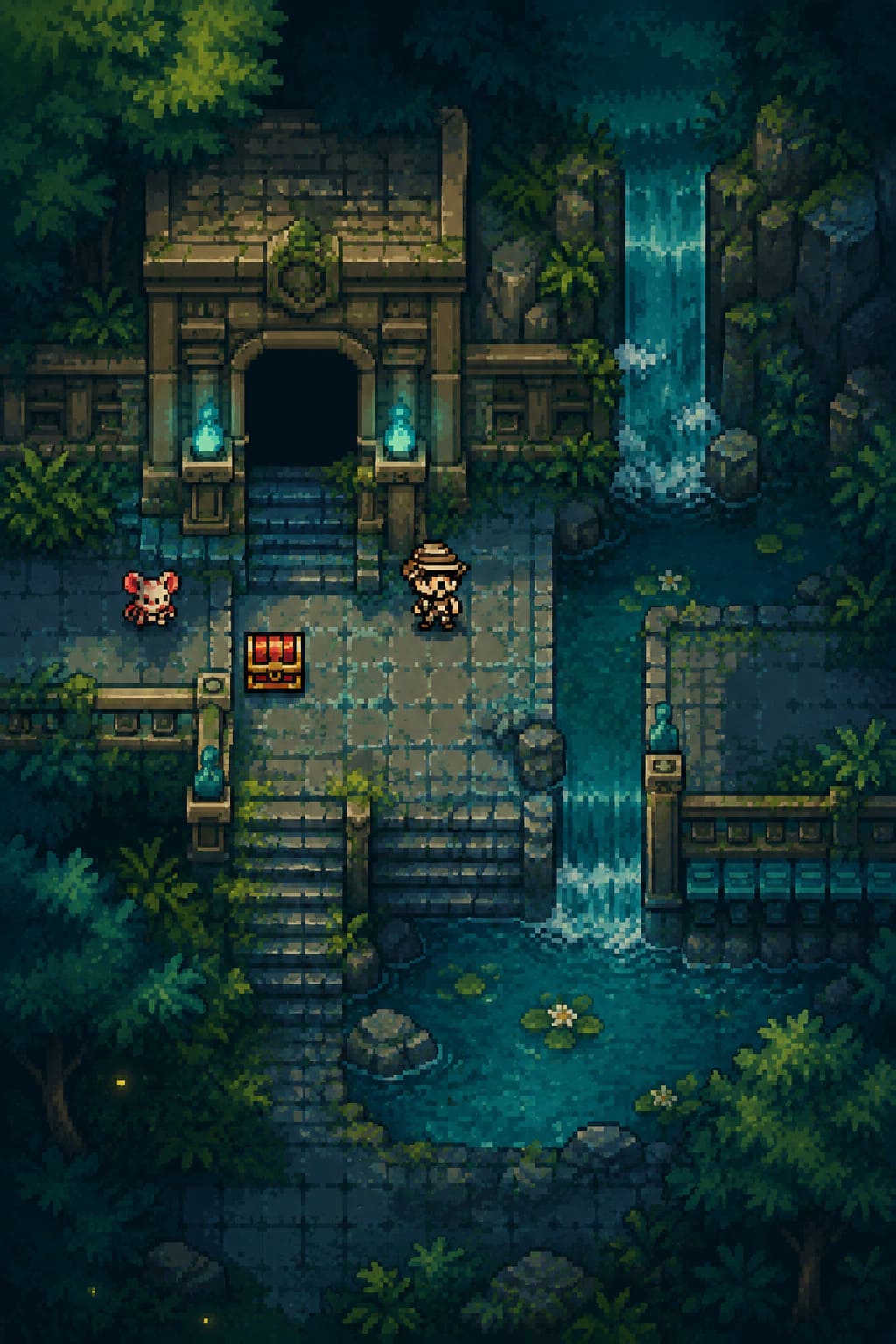
Player Perspective: Which Seeds Actually Matter
Not all modifiers feel equally meaningful in practice. Some are novelty challenges, while others genuinely change how the game flows. From my own perspective as a player who enjoys testing systems, a few stand out more than others.
The most interesting ones are those that alter pacing rather than just increasing difficulty. Speed changes, early gear access, or navigation restrictions tend to reshape the entire experience instead of just punishing the player.
Personal Ranking Overview
Here’s a simplified breakdown of how these seeds feel in actual gameplay terms:
| Seed Code | Type | Effect Summary | Player Impact |
|---|---|---|---|
| NIGHTMARE | Difficulty | Enemy aggression and damage increase | High challenge, balanced for veterans |
| FRAGILEPAWS | Challenge | Extreme survivability reduction | Hardcore survival experience |
| ALLSMITH | Progression | Instant upgrade access | Breaks early-game balance |
| TURBOMOUSE | Movement | Increased speed and mobility | Fun but unpredictable control |
| BLINDHOLLOW | Exploration | No UI navigation support | Immersive but disorienting |
Why Players Are Drawn to Seed Systems
The appeal of seed codes isn’t just mechanical—it’s cultural. Modern players want systems they can bend, break, and reinterpret. Seed-based modifiers create exactly that kind of space.
They turn a linear adventure into something closer to a sandbox of experimentation. Instead of simply “playing through” a game, players start asking what happens if rules are rewritten at the very start of a save file.
That curiosity drives community discussion more than any official guide ever could.
Reality Check: Myth vs Gameplay Truth
It’s important to acknowledge that not every rumored seed code may actually exist in the final game or function exactly as described. Gaming communities often blur the line between discovery and speculation.
Some entries may be developer jokes, early test strings, or simply misinformation that evolved over time. However, even myths like these become part of the game’s identity, shaping how players approach experimentation.
Final Thoughts
Whether every seed code is real or not, the system itself represents something bigger than just hidden modifiers. It reflects a design philosophy that encourages curiosity, replayability, and community-driven discovery.
As a player, that’s what keeps me coming back. Not just the combat or exploration, but the idea that there might always be one more hidden interaction waiting to be found in a new save file.
And if history with games like this tells us anything, it’s that players will keep testing random strings long after release—just in case one of them unlocks something nobody expected.