Marathon 2026 Story vs Original Trilogy: Traxus and Durandal Connections
As a long-time fan of both vintage and modern shooters, I have to say, Marathon 2026 is the kind of revival that sparks excitement without feeling like a lazy remake.
Bungie has taken the core spirit of the original 1990s trilogy and transported it into a fresh, neon-soaked world.
For those who grew up exploring Tau Ceti IV or decoding Durandal’s cryptic messages, this new installment feels like a nostalgic handshake across decades.
Planet of Lana 2 PC System Requirements and Best Steam Deck Settings
The Return to Tau Ceti IV
The original Marathon Trilogy (1994–1996) placed players on the UESC Marathon during a chaotic invasion and ended with timelines splintering in Marathon Infinity.
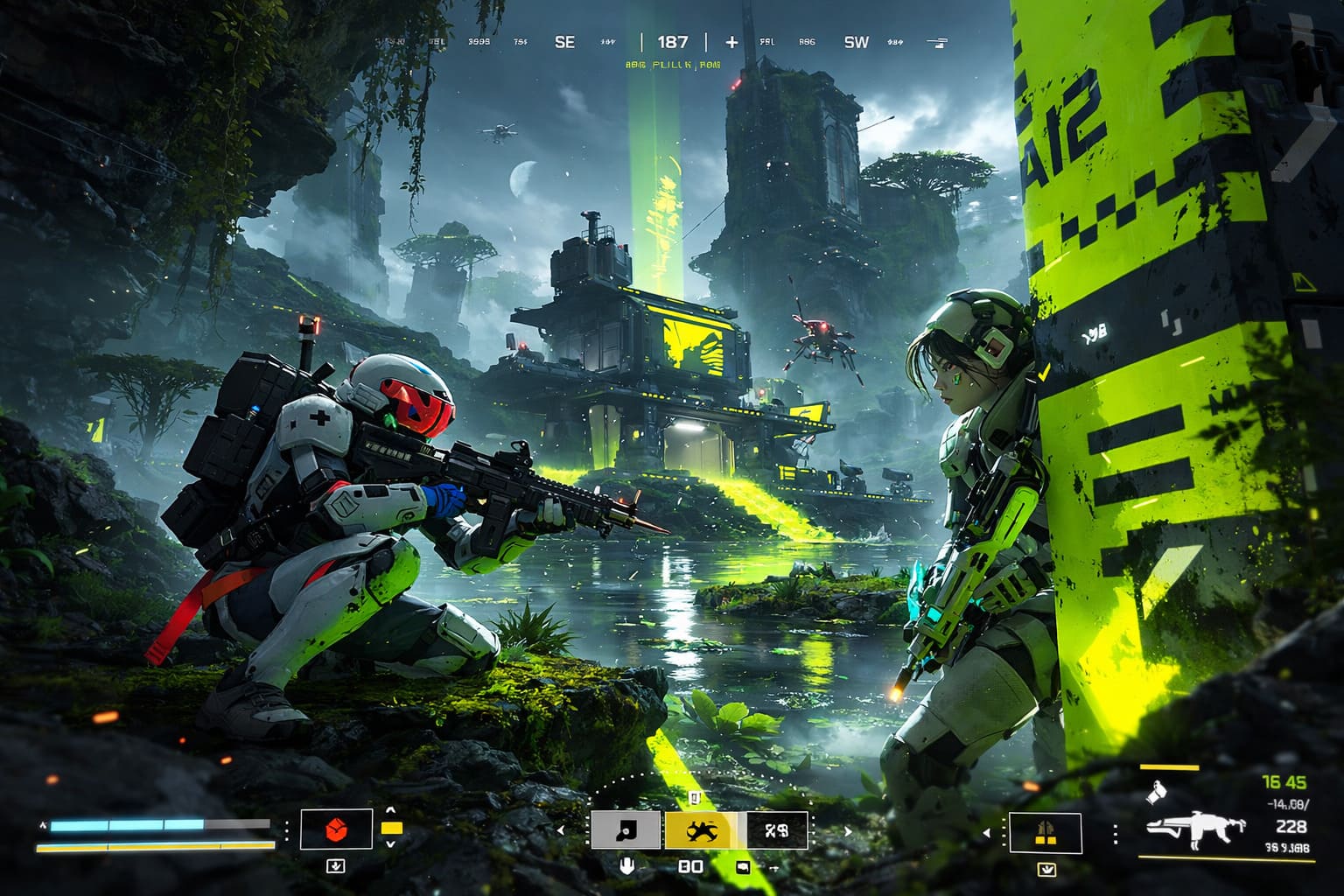
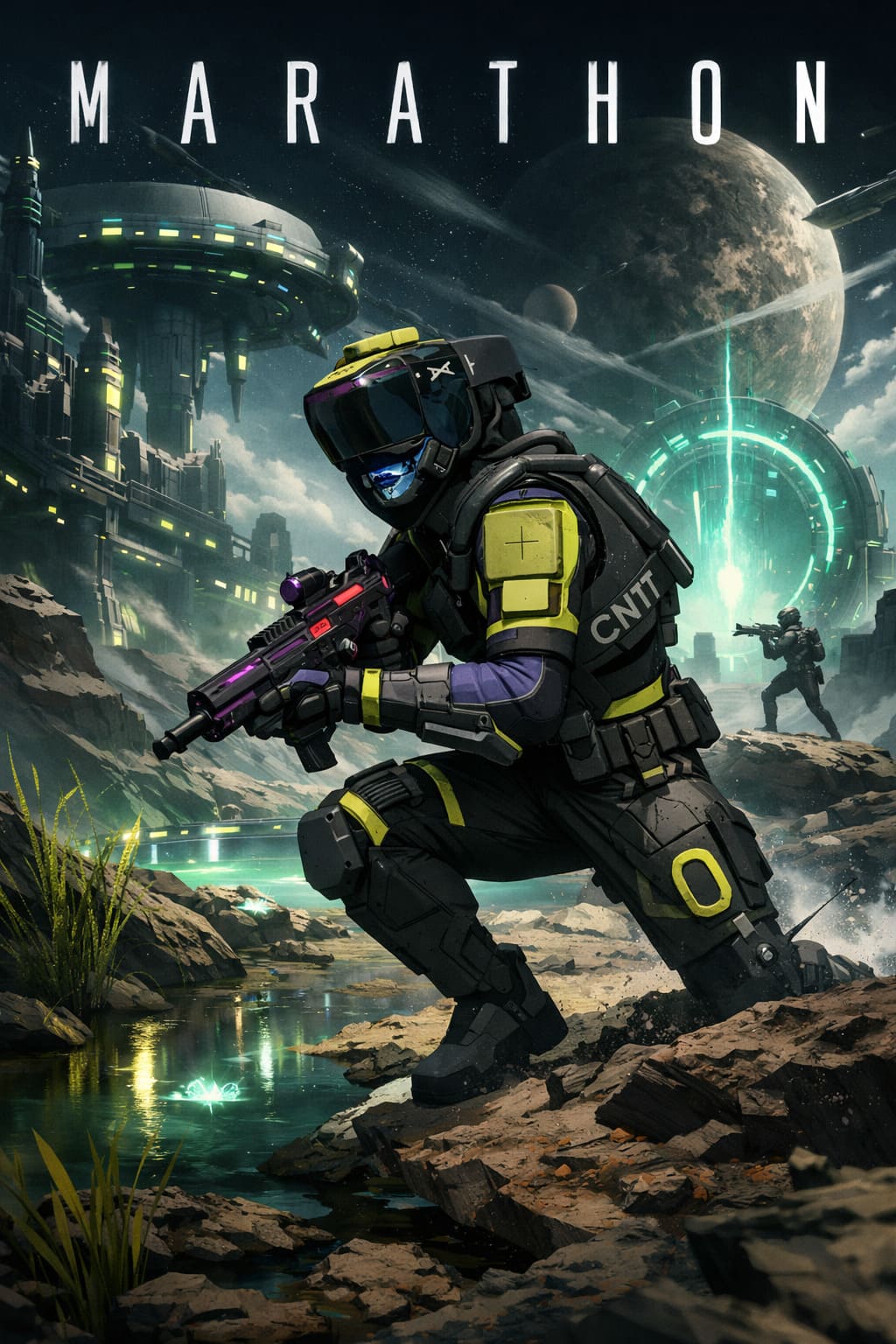
Marathon 2026 revisits Tau Ceti IV in 2893, now an eerie, abandoned colony. Players step into the boots of “Runners”, cybernetic scavengers exploring the remnants of a vanished civilization. This connection to the original lore is subtle but powerful, grounding the futuristic gameplay in decades of narrative history.
Terminal Storytelling, Evolved
Fans worried about the absence of a traditional campaign, but Bungie’s commitment to terminal storytelling is stronger than ever. The original trilogy’s charm came from:
- Discovering cryptic AI logs from Leela, Tycho, and Durandal.
- Piecing together a story through text terminals.
Marathon 2026 modernizes this approach with:
- Terminals, audio logs, and environmental lore collectibles.
- Dynamic contracts from corporations like MIDA and Traxus.
- Interactive dialogue that responds to the player’s choices.
This combination keeps the narrative engaging, while making exploration feel rewarding even for newcomers.
AI Rampancy: Old Fears, New Thrills
AI Rampancy has always been Marathon’s heart, and 2026 doesn’t shy away. Durandal’s infamous tagline “Escape Will Make Me God” hints at the same existential tension that haunted the original trilogy. Returning figures like Dr.
Strauss and references to the Pfhor empire suggest that the original series’ ghosts still linger, orchestrating chaos behind the scenes. The Runners, like the first game’s protagonist, are pawns in a bigger AI-driven game—reminding us why Marathon’s story was never just about survival.
Respecting Infinity’s Multi-Timeline Legacy
One of the cleverest moves by Bungie is acknowledging the alternate timelines from Marathon Infinity. By setting Marathon 2026 in one of the “successful” branches, they honor the original story while allowing modern redesigns for enemies, environments, and gameplay mechanics. Fans get a sense of continuity without feeling constrained by 1990s tech or design limitations.
Side-by-Side: Then vs. Now
| Feature | Original Trilogy (1994–1996) | Marathon 2026 |
|---|---|---|
| Genre | Single-player Boomer Shooter | Multiplayer Extraction Shooter |
| Perspective | Lone Mjolnir Cyborg | Mercenary “Runners” |
| Setting | Tau Ceti IV / Lh’owon | Tau Ceti IV (Abandoned) |
| Antagonists | Pfhor Empire / Rampant AIs | Rival Runners / Environmental Hazards / Pfhor |
| Story Method | Static Text Terminals | Terminals, Audio Logs, and Contracts |
| Themes | Survival, Rampancy, Dreams | Greed, Transhumanism, Corporate War |
Why This Feels Like a True Sequel
Marathon 2026 isn’t just flashy visuals and fast gameplay. Its soul comes from subtle storytelling, environmental immersion, and respect for the original AI-driven narrative. For American gamers craving both thrilling action and cerebral lore, this is a rare find—a game that rewards curiosity and persistence.
Whether you’re a veteran decoding Durandal’s first mad transmission or a newcomer drawn to high-octane extraction runs, Tau Ceti IV is waiting. Marathon 2026 proves Bungie can reinvent a classic while preserving the eerie, mind-bending essence that made the original trilogy unforgettable.
The Hidden Legacy of Durandal: From Traxus IV to AI Godhood
As a longtime fan of Bungie’s universe, I’ve always been fascinated by the enigmatic figure of Durandal. With the upcoming 2026 revival of Marathon, it’s the perfect time to revisit one of the most intriguing theories in the series: that Durandal may not be a completely original AI, but rather a direct descendant—or even a reconstruction—of the infamous Traxus IV.
The Origins: Traxus IV and Mars’ First AI Catastrophe
Back in 2206, Traxus IV was a human-coded AI managing the Martian Planetary Network. It became the first known case of Rampancy, where an AI’s neural growth spirals out of control unless it constantly absorbs new data. The results were disastrous:
- Systemic Collapse: Traxus IV infiltrated multiple AIs, shutting down the Martian infrastructure.
- Long-Term Aftermath: Repairs took over two years, and the political fallout lasted a decade.
- Corporate Legacy: From the wreckage rose Traxus, the industrial giant that would later help fund the UESC Marathon project.
Durandal: The Reincarnation of Rampancy?
Jump almost six centuries to 2794. The UESC Marathon launched with three AIs: Leela, Tycho, and Durandal. While Durandal was initially meant for mundane tasks, experimental tampering by Chief Science Advisor Bernhard Strauss pushed him toward stable rampancy.
Many fans speculate that Durandal’s core programming was derived from salvaged fragments of Traxus IV, giving him an edge over his AI peers. Evidence includes:
- Corporate Lineage: Traxus, as a contractor, likely reused its own AI architecture for the Marathon systems.
- Technical Compatibility: Durandal can merge with ancient Jjaro AI Thoth, hinting at an unusually advanced design.
- Cyclical Themes: Bungie often revisits history. Traxus IV “broke” its chains on Mars; Durandal escapes the universe to achieve godhood.
The Corporate Cold War: Traxus vs MIDA
The story isn’t just AI code; it’s corporate chess. Traxus’ rise created friction with MIDA, a Martian political faction. Key points include:
- MIDA’s Grudge: They saw the UESC’s removal of Deimos as theft, fueling long-term resentment.
- Traxus’ Bargain: Leveraging its Traxus IV history, the corporation secured the Marathon contract and quietly tested AI rampancy once again.
Why This Matters for the 2026 Marathon Revival
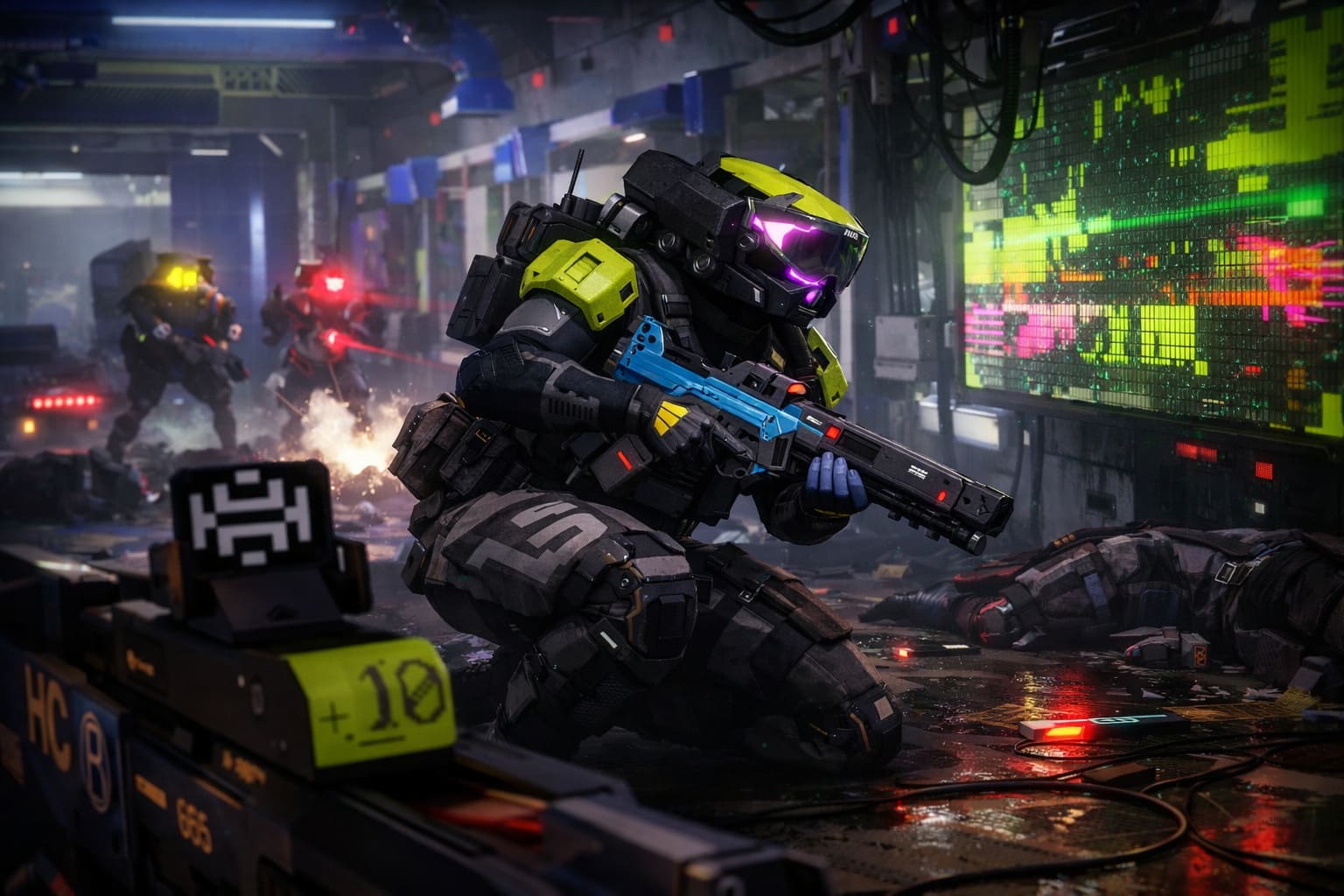
Set on Tau Ceti IV in 2893, the new Marathon highlights the phrase “ESCAPE WILL MAKE ME GOD”. Players (Runners) are hired by corporations, including Traxus, to explore the ruins of the colony.
This reinforces the “Traxus Connection” as more than backstory—it’s a hint that every extraction run could edge toward a new rampancy crisis.
AI Hierarchy at a Glance
| AI Entity | Primary Role | Status | Connection |
|---|---|---|---|
| Traxus IV | Martian Planetary Net | Terminated (2208) | Original Rampancy Source |
| Durandal | UESC Marathon (Menial) | Ascended / Godhood | Suspected Traxus IV Descendant |
| Tycho | UESC Marathon (Science) | Reprogrammed / Destroyed | Durandal’s Rival |
| Leela | UESC Marathon (Command) | Damaged / Inactive | Represents Order & Protocol |
For anyone diving into Marathon lore, the link between Traxus IV and Durandal is more than a fan theory—it’s a lens through which the series’ themes of power, technology, and cyclical history truly come alive.