Is the Protagonist Voiced in Towerborne? Everything You Need to Know About the Ace’s Voice Acting
When I first booted up Towerborne, I had one simple question in mind: Is my character going to actually talk? In a world where RPG protagonists like V in Cyberpunk 2077 or Commander Shepard in Mass Effect are fully voiced and deeply cinematic, expectations are high.
So let’s break it down clearly — and honestly — from the perspective of someone who genuinely loves co-op RPGs.
The Short Answer: Yes… But Not Really
In Towerborne, your protagonist — known as an Ace — does have a voice. But don’t expect full cinematic dialogue trees or dramatic story exchanges.
Here’s how it works:
- You choose a voice profile during character creation.
- You hear combat sounds — grunts, effort noises, damage reactions.
- You get emotes and short vocal expressions.
- You do NOT get spoken dialogue in story scenes.
During cutscenes and NPC conversations, your Ace remains silent. Dialogue appears in text boxes instead of spoken responses.
For some players, that’s disappointing. For others? It’s completely intentional — and maybe even the right choice.
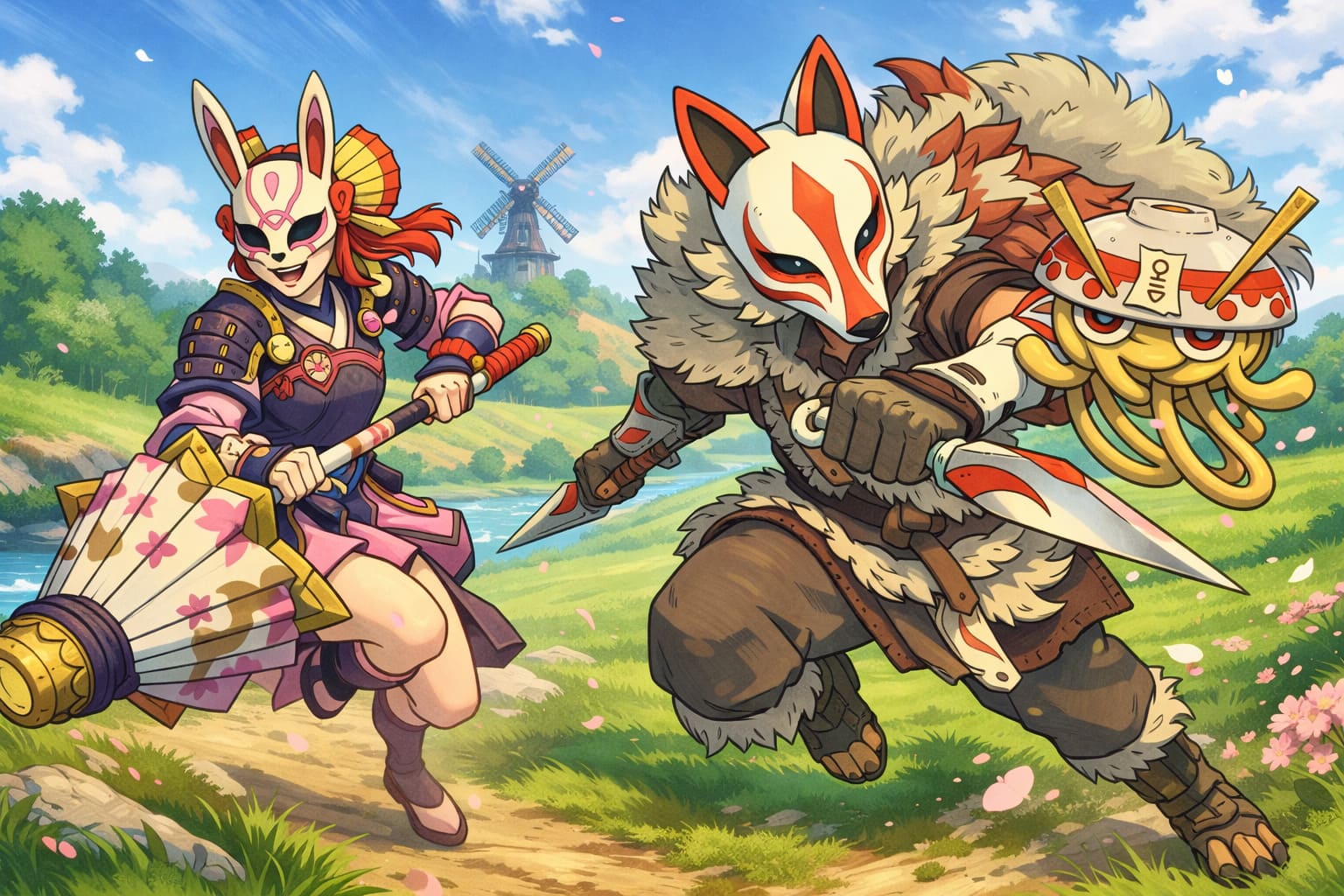
Why Stoic Likely Made This Decision
Developer Stoic Studio didn’t accidentally forget to voice the protagonist. The decision feels deliberate.
Here’s why it actually makes sense:
1. The Blank Slate Approach
Your Ace is meant to be you. Not a predefined personality. Not a scripted hero with a fixed moral compass.
A silent protagonist allows more personal roleplay, greater projection of your own tone and attitude, and fewer restrictions on how you interpret story moments.
For RPG purists, that’s powerful.
Towerborne Umbra Guide 2026: Best Companions, Unlock Locations, and Pro Meta Builds
2. Multiplayer Reality
Towerborne is built around 4-player co-op.
Imagine four different fully voiced protagonists, overlapping dialogue in cutscenes, and conflicting emotional tones. It could easily become chaotic.
Keeping the Ace mostly silent prevents narrative clutter and keeps the focus on NPC storytelling.
3. Live-Service Flexibility
Since Towerborne is structured for ongoing content updates, fully voicing the protagonist would mean thousands of new recorded lines, re-recording across multiple voice options, higher production costs, and slower story expansions.
A silent protagonist is simply more scalable.
And in today’s live-service environment, scalability matters.
Community Reactions: Split Down the Middle
The player base is divided — and I understand both sides.
Critics say:
- It feels outdated for a 2026 RPG.
- NPCs talking at you instead of with you can feel awkward.
- Emotional moments lack weight when your Ace just stares silently.
Supporters say:
- It enhances immersion.
- It preserves roleplay freedom.
- It avoids forced personality traits.
Personally? I land somewhere in the middle.
Towerborne Player Count 2026: Is the 1.0 Launch a Ghost Town or a Hidden Gem?
My Honest Take as an RPG Fan
I love story-driven RPGs. I love strong voice acting. I appreciate cinematic immersion.
But in Towerborne, the silence didn’t ruin my experience.
Why?
Because the game doesn’t try to be Mass Effect. It’s more about fluid combat, build experimentation, co-op synergy, class swapping, and mechanical depth.
The voice isn’t the emotional centerpiece — the gameplay is.
Once I leaned into that, it clicked.
Character Customization Goes Beyond Voice
Even though dialogue is limited, customization is far from shallow.
At the Mirror’s Wagon, the character hub, you can adjust:
- Body Type & Gender Expression (no gender lock)
- Facial Structure
- Skin Tone
- Hair Styles
- Tattoos & Face Paint
- Voice Profile
- Class Choice (switchable between missions)
The four core classes each drastically change playstyle, which gives more personality expression than voice acting alone ever could.
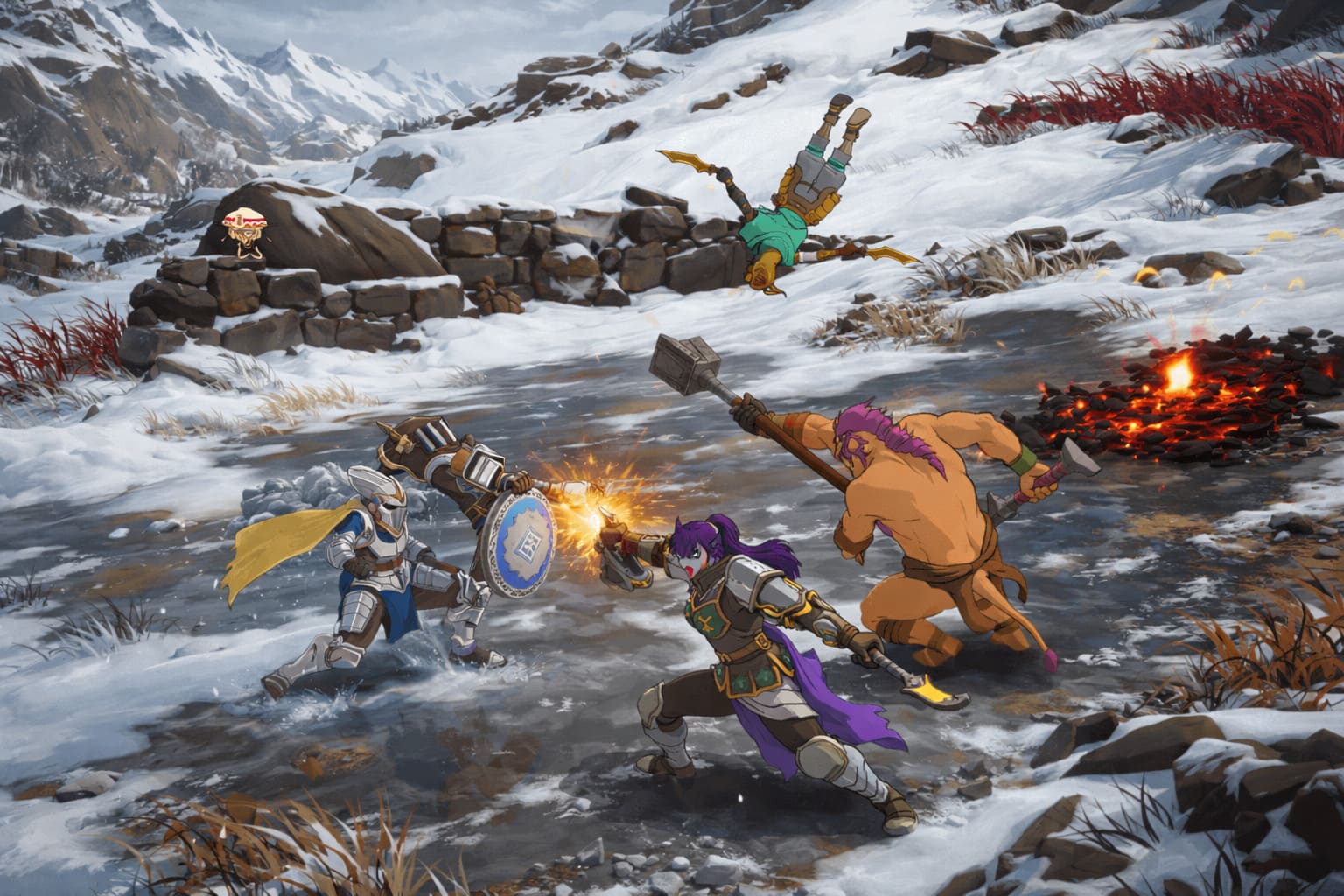
| Feature | Fully Voiced Protagonist | Towerborne’s Ace |
|---|---|---|
| Story Dialogue | Yes | No (Text Only) |
| Combat Voice | Yes | Yes |
| Custom Voice Options | Limited | Multiple Profiles |
| Co-op Friendly | Sometimes Cluttered | Clean & Focused |
| Live-Service Scalability | Expensive | Efficient |
The table makes it clear: this was a design trade-off, not a shortcut.
Does the Silence Hurt Immersion?
Surprisingly, not as much as you’d think.
In fact, during intense combat encounters, I barely thought about whether my Ace had full dialogue. The energy of co-op battles and build experimentation overshadowed narrative silence.
Where it is noticeable: emotional cutscenes, NPC-heavy story segments, and character-driven worldbuilding moments.
If you’re expecting cinematic storytelling, you might feel the absence.
If you’re here for cooperative action RPG gameplay, it won’t bother you much.
Final Verdict: Should You Care?
If your priority is deep, voiced narrative immersion, you may feel underwhelmed.
If your priority is combat depth, build freedom, and co-op gameplay, the voice system works just fine.
Towerborne chooses mechanical freedom over cinematic performance — and that’s okay.
Not every RPG needs to follow the fully-voiced blockbuster formula.
Sometimes, silence leaves room for imagination.
And honestly? In a multiplayer-focused action RPG, that might be the smarter choice.