Iron Nest Heavy Turret Simulator Steam Next Fest Demo: Why This Brutal Dieselpunk Military Sim Is Quietly Becoming A Cult Classic
There are moments in gaming when something completely unexpected breaks through the usual noise of releases, marketing hype, and algorithm-driven popularity. IRON NEST: Heavy Turret Simulator is one of those rare cases. At first glance, it looks almost intentionally unappealing for a modern audience: slow, mechanical, heavy, and unapologetically complex. But as someone who has spent years bouncing between shooters, strategy games, and hardcore sims, I can say this demo hits differently in a way that most mainstream titles don’t even attempt anymore.
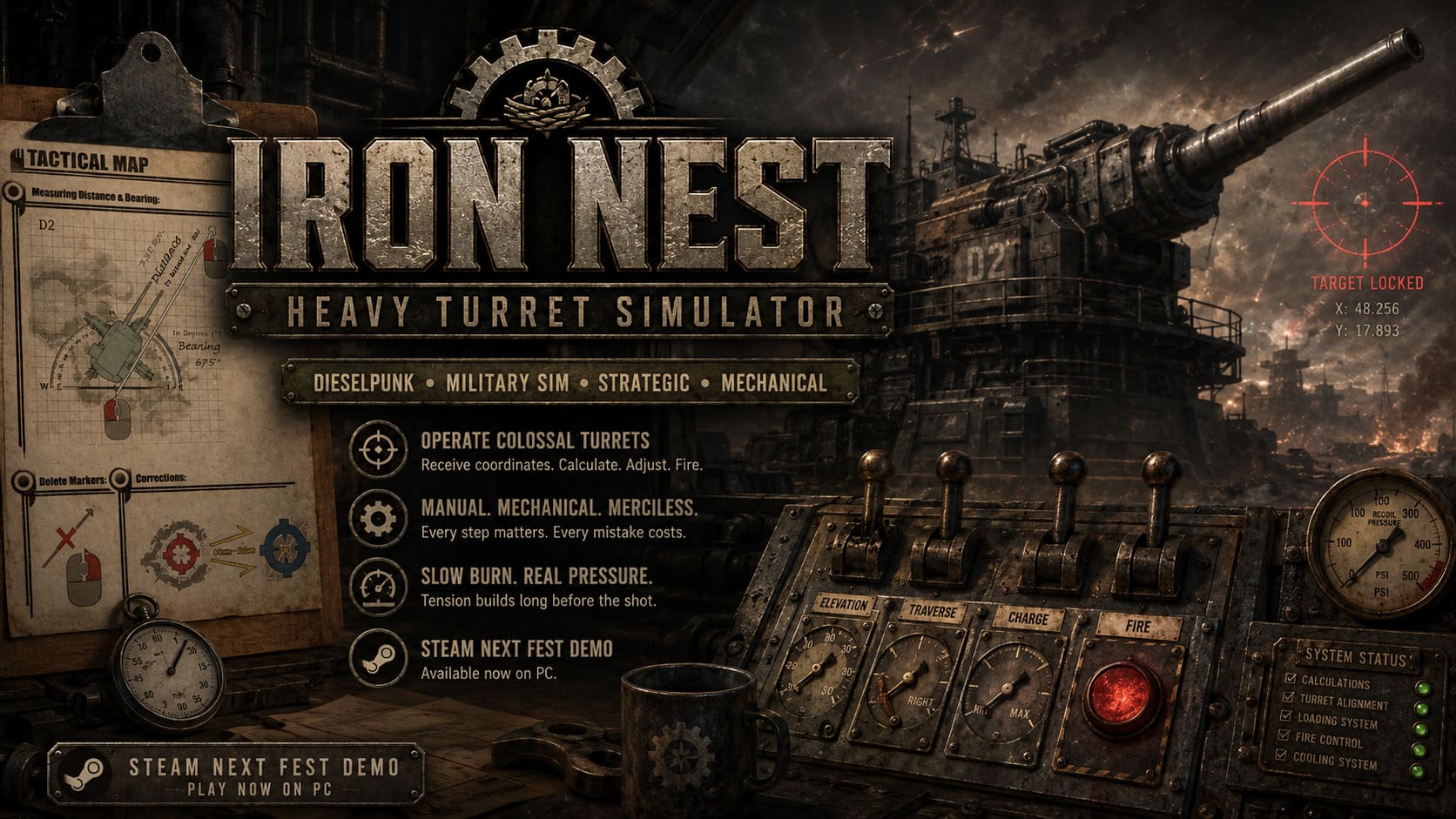
The current PC gaming landscape is dominated by fast engagement loops. Battle royales, hero shooters, extraction shooters—everything is built around speed, reaction time, and instant reward systems. Against that backdrop, IRON NEST feels like a deliberate rejection of modern design philosophy. It asks you to slow down, think, calculate, and physically work for every single shot you fire. And strangely enough, that’s exactly why it’s gaining attention during Steam Next Fest.
Iron Nest Dieselpunk Game Full Version Price: Release Date, Steam Demo, and Latest Rumors
The Mechanical Fantasy Of Operating A War Machine
At its core, the game puts you inside a massive dieselpunk artillery bunker, where you operate a colossal turret designed to defend against distant threats. You are not a hero running across battlefields; you are a stationary operator buried deep inside steel and machinery. The entire experience revolves around managing systems, interpreting mechanical data, and executing precise multi-step firing procedures.
What surprised me most is how structured and methodical everything is. Nothing in IRON NEST is automated in a way modern gamers are used to. Even the simplest firing sequence becomes a ritual of calculations, mechanical interaction, and timing. It’s not about reflexes—it’s about discipline.
Main Gameplay Loop Breakdown
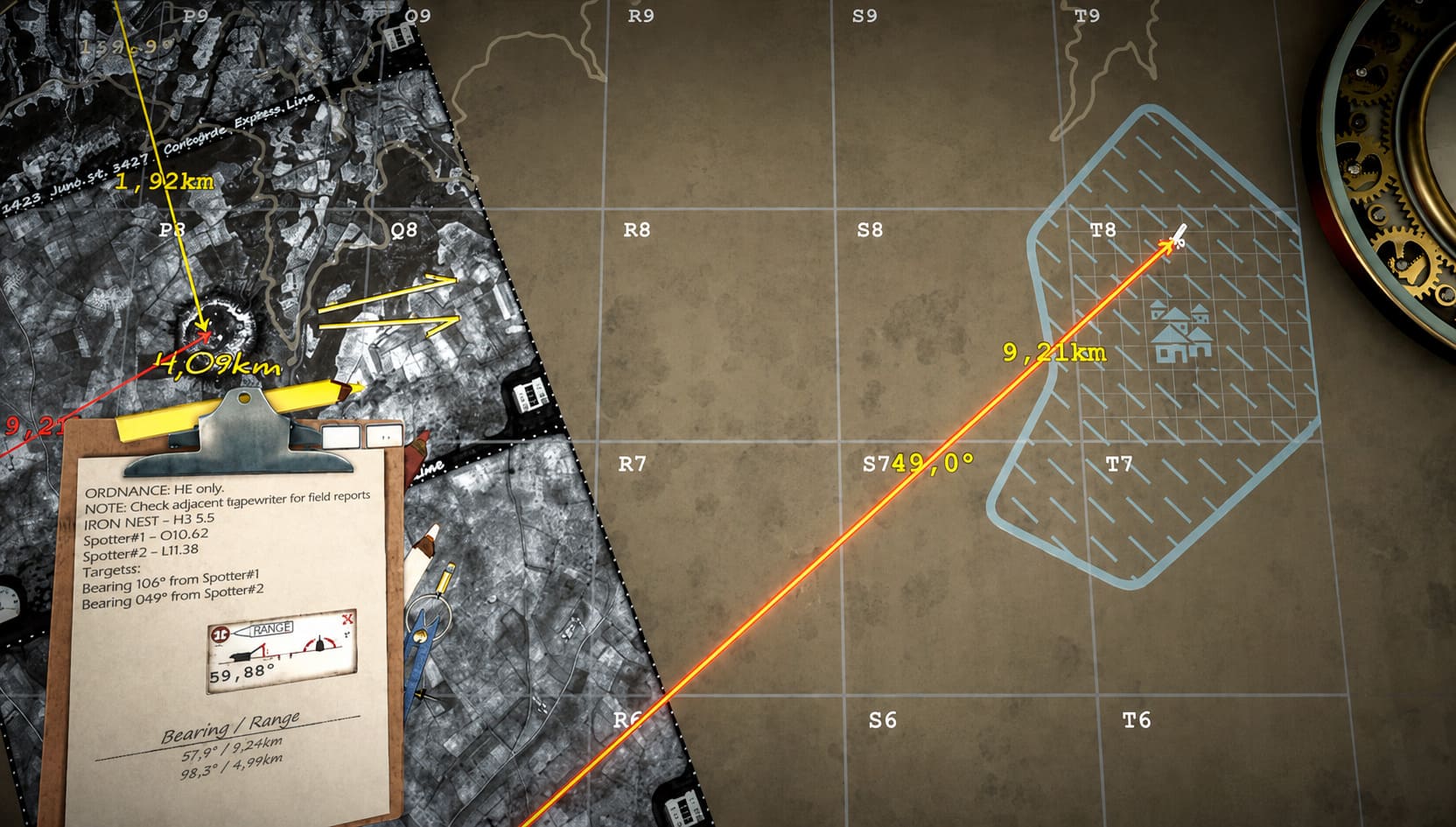
- Receiving target coordinates via mechanical systems
- Manual calculation of trajectory and elevation
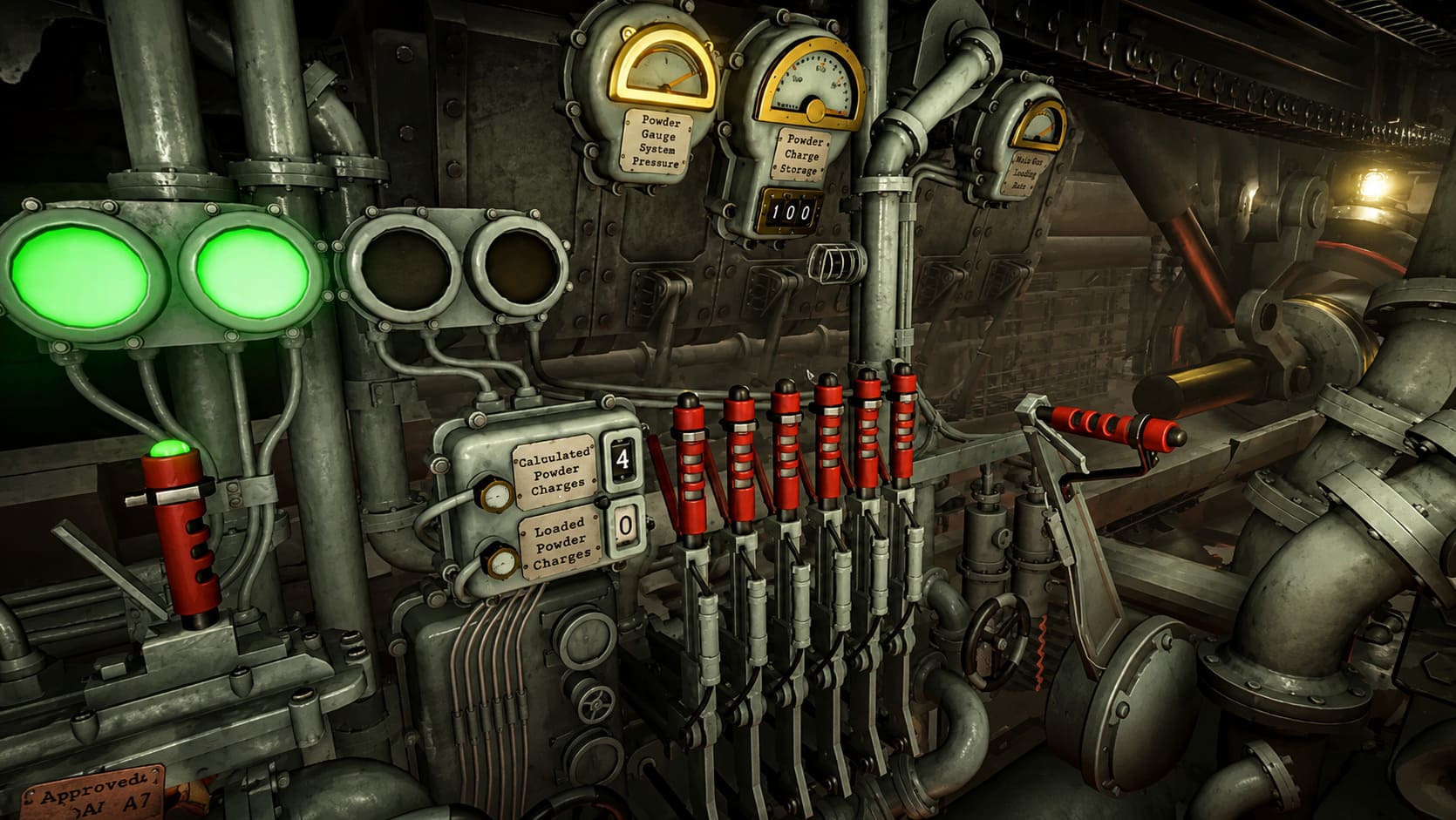
- Physical turret adjustment using heavy machinery
- Shell preparation and loading process
- Final firing sequence and recoil management
This structure might sound exhausting on paper, and honestly, it is exhausting—but in a strangely satisfying way. The game transforms labor into tension, and tension into reward.
Why The Slow Gameplay Works So Well
The most interesting part of the game’s popularity is how it contradicts expectations. You would assume that modern players would bounce off a simulator that can take 20–30 minutes just to complete a single firing cycle. Instead, communities on Reddit and YouTube are treating it like a revelation.
The satisfaction doesn’t come from action—it comes from execution. When everything aligns perfectly, the payoff is enormous. A successful shot feels earned in a way that most modern shooters never achieve because they rely on constant output rather than buildup.
Players describe the experience as somewhere between a puzzle, a job simulation, and a stress test. That combination creates a unique emotional rhythm: long periods of calm planning followed by moments of intense anticipation and release.
Core Systems Overview
The game’s structure is built around tightly interconnected mechanical systems. Each one contributes to the sense of operating a real industrial war machine rather than a simplified game interface.
| System | Function | Player Impact |
|---|---|---|
| Target Calculation | Manual coordinate interpretation | Requires focus and precision |
| Turret Control | Mechanical aiming adjustments | Slow but highly tactile |
| Loading System | Shell and propellant handling | High risk, high responsibility |
| Fire Control | Final execution of shot | Moment of payoff |
| Maintenance Loop | System resets and checks | Adds realism and pacing |
A Different Kind Of Gaming Stress
One of the most fascinating aspects of IRON NEST is how it redefines “stress” in gameplay. It’s not the fast-paced stress of competitive shooters where milliseconds matter. Instead, it’s a slow-building pressure that comes from responsibility and complexity.
You are constantly aware that a mistake earlier in the process can ruin everything later. That awareness changes how you approach each task. Even simple actions, like setting a charge or adjusting elevation, feel meaningful because they feed into a larger system of precision.
In a strange way, the game feels closer to operating real machinery than playing a traditional video game. And that’s exactly what makes it compelling for simulation enthusiasts.
Community Reaction And Cultural Shift
Looking at discussions online, especially in simulation-focused communities, there is a clear appreciation for what this game is trying to do. It’s not trying to be accessible to everyone. Instead, it embraces a niche audience that values depth, realism, and mechanical authenticity.
Many players describe it as a “slow horror experience without monsters,” because the tension comes from systems and responsibility rather than enemies. Others compare it to operating a nuclear control room or managing industrial infrastructure under pressure.
This reflects a broader trend in gaming: a growing fatigue with oversimplified systems and constant dopamine loops. Players are increasingly drawn to experiences that demand attention, patience, and cognitive investment.
Development And Future Expectations
The fact that this is only a Steam Next Fest demo makes it even more impressive. The developers, a very small two-person team, are actively refining systems based on community feedback. That alone gives the project a sense of direction and authenticity that larger studios often lose.
The planned full release is expected to expand on system depth, UI refinement, and possibly additional artillery types or operational scenarios. However, the core identity of the game is clearly not going to change—and that’s a good thing. Over-simplifying it would destroy what makes it special.
Final Thoughts
As a gamer, I don’t think IRON NEST is for everyone, and it doesn’t try to be. It’s slow, demanding, and intentionally structured around patience rather than instant gratification. But for players who miss the feeling of truly operating something inside a game instead of just controlling it, this is one of the most refreshing demos in years.
It turns mechanical complexity into gameplay, and gameplay into immersion. And in a market flooded with fast content, that alone makes it stand out.
If the final release maintains this level of depth without sacrificing clarity, IRON NEST could easily become a cult classic among simulation fans and hardcore PC players alike.