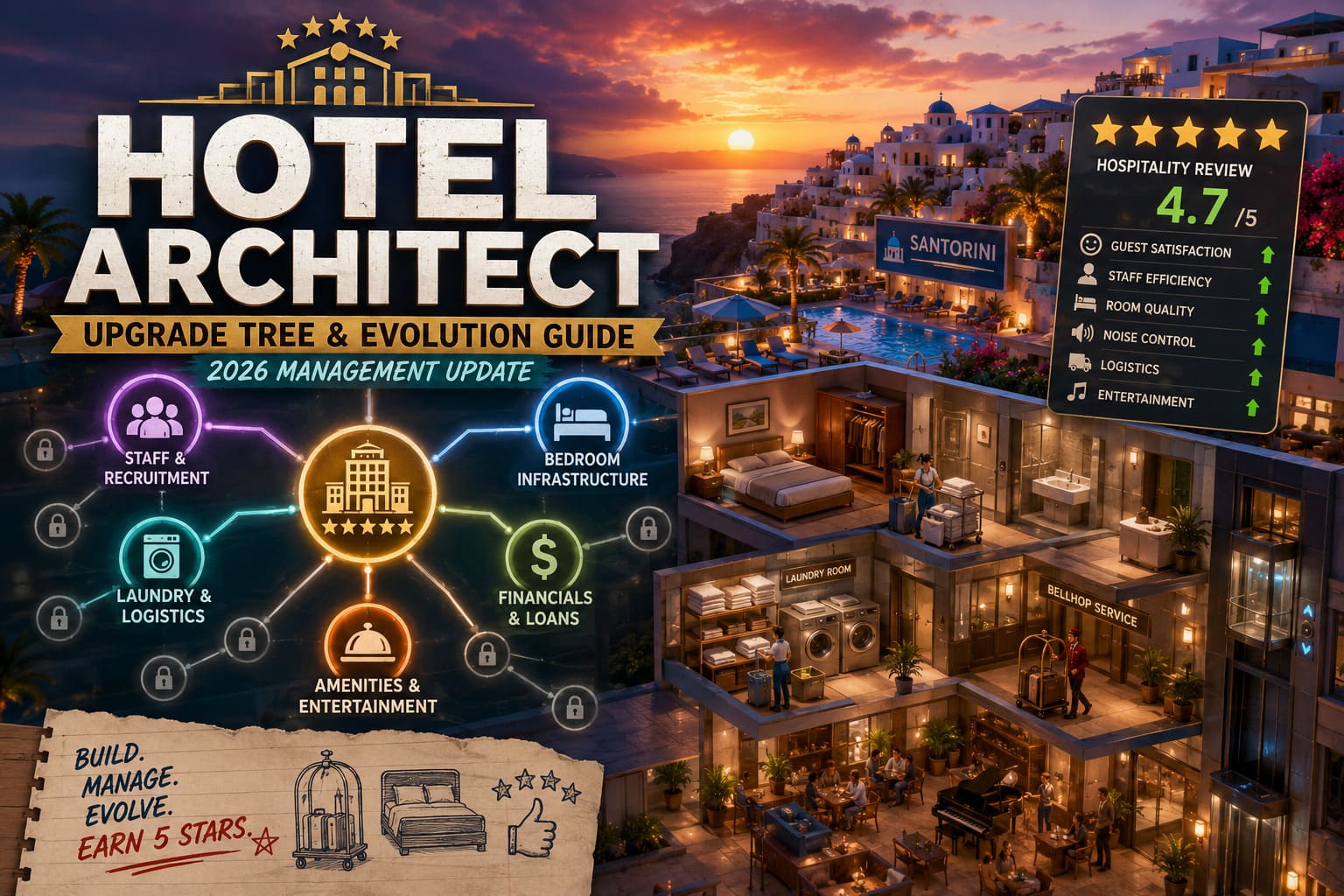
Hotel Architect Upgrade Tree & Evolution Guide (2026 Management Update)
When I first started playing Hotel Architect, I expected a pretty standard tycoon experience. Build rooms, hire staff, place decorations, collect money — the usual cycle every management sim eventually falls into.
Instead, the game quietly turns into a brutal logistics simulator where one missing towel rack can destroy your hotel reputation faster than a bad Steam review.
That’s honestly why I’ve become obsessed with it lately.
Since the massive 2026 management overhaul, the entire progression system feels much more strategic. You’re no longer just expanding a hotel — you’re evolving an interconnected machine where staffing, infrastructure, entertainment, finances, and guest psychology all feed into each other. And at the center of everything sits the Upgrade Tree.
A lot of new players make the mistake of unlocking upgrades randomly because something “looks useful.” I did the exact same thing during my first Gothenburg run and nearly soft-locked my campaign by wasting points on luxury systems before fixing my staff infrastructure.
After dozens of hours, community testing, Reddit discussions, and watching far too many optimization videos at 2 AM, I realized something important:
The Upgrade Tree in Hotel Architect is less about unlocking content and more about controlling chaos.
Here’s the progression path that consistently works.
Why Upgrade Points Matter More Than Money
One of the smartest things Hotel Architect does is separating cash flow from progression.
You can be making decent money and still fall behind badly if critics hate your hotel.
Upgrade Points only come from hospitality reviews, and that changes the entire pacing of the game. Instead of rushing expansion, you’re constantly balancing:
- Guest satisfaction
- Staff efficiency
- Room quality
- Noise control
- Logistics
- Entertainment access
The better your review scores become, the faster your empire evolves.
And honestly, this creates one of the most satisfying gameplay loops I’ve seen in a management sim recently.
A five-star review genuinely feels earned.
The Upgrade Branches That Actually Matter
Not every branch has equal value early on. Some upgrades completely transform your hotel while others are situational and can safely wait.
Here’s how I’d rank the major progression paths after the 2026 update.
| Upgrade Branch | Early Importance | Late-Game Importance | Notes |
|---|---|---|---|
| Staff & Recruitment | Very High | Very High | Probably the strongest overall branch |
| Bedroom Infrastructure | High | Essential | Required for elite guests |
| Laundry & Logistics | Medium | Critical | Becomes mandatory in large hotels |
| Financials & Loans | Medium | High | Great safety net for expansions |
| Amenities & Entertainment | High | Essential | Required for map progression |
Staff Management Is Secretly the Real Endgame
At first glance, staff upgrades seem boring compared to flashy luxury furniture or casino unlocks.
That’s a trap.
The recruitment tree is arguably the most important branch in the game because employee traits now matter enormously after the management update.
Some workers are incredible multitaskers.
Others move like they’re carrying invisible refrigerators.
Expanding your hiring pool lets you filter out terrible candidates and build specialized teams much earlier. Once you reach Paris and New York, bad staffing decisions become devastating because distance management starts destroying efficiency.
One exhausted cleaner on the wrong floor can create a chain reaction of dirty rooms, delayed laundry, angry guests, and collapsing review scores.
That’s the moment when Hotel Architect stops feeling cozy and starts feeling terrifying.
And I love it for that.
The Bedroom Trap Most Beginners Fall Into
I see new players wasting money on giant luxury suites immediately.
Don’t.
In the early game, compact efficiency beats visual perfection every single time.
The community meta still revolves around small backpacker rooms during the Gothenburg phase because occupancy matters more than aesthetics initially. Tiny rooms with just:
- Single bed
- Wardrobe
- Case stand
…can carry your economy surprisingly far.
It looks ugly. It feels wrong. But it works.
Once critic points begin flowing consistently, then you pivot into luxury infrastructure.
The transition point usually starts when better guest classes appear. Wealthier visitors become much harsher about furniture quality, bathroom setups, and overall comfort.
At that stage, upgrades like:
- Double beds
- Premium wardrobes
- Luxury sinks
- Decorative lighting
…stop being optional.
They become survival requirements.
Laundry Logistics Will Destroy Your Hotel If You Ignore Them
This is the mechanic that catches almost everyone off guard.
Early hotels can survive with messy logistics because distances are short. But once your property expands vertically or horizontally, the entire operation starts collapsing under laundry inefficiency.
Dirty sheets pile up.
Used towels never get replaced.
Guests start leaving negative reviews for problems you barely notice happening.
The first time this happened to me, I thought the game was bugged.
It wasn’t.
My cleaners simply couldn’t physically keep up with the workload anymore.
The Laundry Room branch becomes unbelievably important in mid-to-late game progression because it unlocks the systems that stabilize large-scale hotels. Bellhop services especially become essential once you’re operating multi-floor resorts.
Without them, staff waste absurd amounts of time moving luggage instead of handling critical tasks.
Santorini Is the First Real Skill Check
Gothenburg teaches mechanics.
Santorini tests whether you actually understand them.
The heat system completely changes hotel management priorities, and this is usually where weaker runs start falling apart.
Air conditioning suddenly becomes mandatory, despite feeling almost useless everywhere else.
That’s what makes the map interesting.
You’re forced into adapting your upgrade path around environmental conditions instead of pure profit optimization.
The “Brat” guest category also creates serious pressure because these guests expect high standards immediately. Low-tier setups simply won’t cut it anymore.
One important mistake I keep seeing:
Players delete the default outdoor furniture to create more build space.
Bad idea.
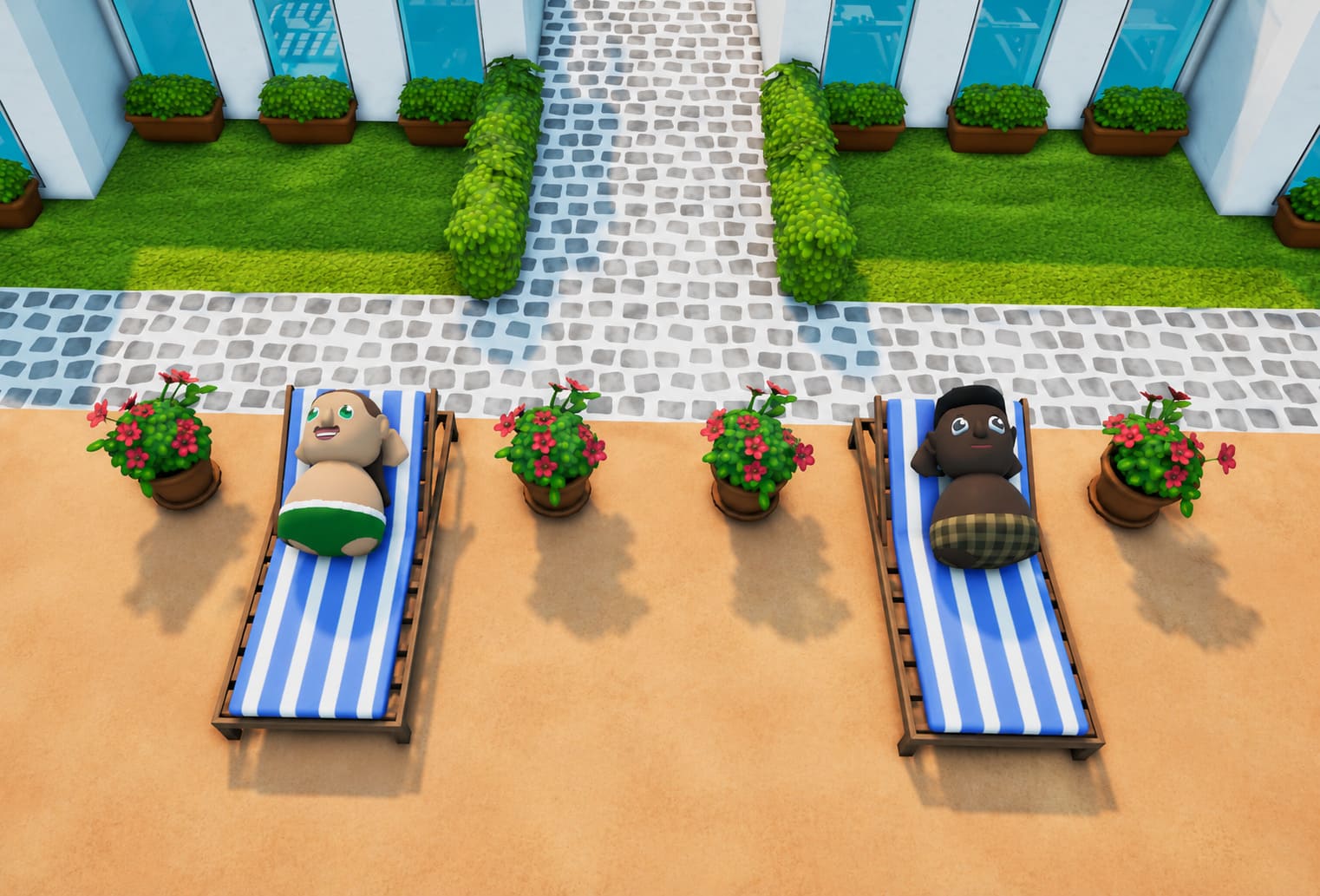
The existing sunbeds help satisfy progression requirements early and save a surprising amount of money during the transition phase.
Hotel Architect Sandbox Mode Guide: Expert Tips, Tricks, and Building Strategies (2026 Full Release)
New York Turns the Game Into a Vertical Logistics Nightmare
By the time you reach New York, Hotel Architect evolves into something completely different from the cozy early hours.
This map is pure operational stress.
The biggest challenge isn’t money anymore.
It’s distance.
Every extra floor adds inefficiency to your entire workforce, which means elevator placement, staff rooms, and department distribution suddenly matter more than decoration.
This is where specialized employees become invaluable.
I strongly recommend prioritizing upgrades that allow staff skill expansion because high-level workers become dramatically more efficient at handling large-scale operations.
Otherwise, your hotel slowly turns into a skyscraper-sized disaster zone.
Las Vegas Finally Lets You Go Full Sandbox Mode
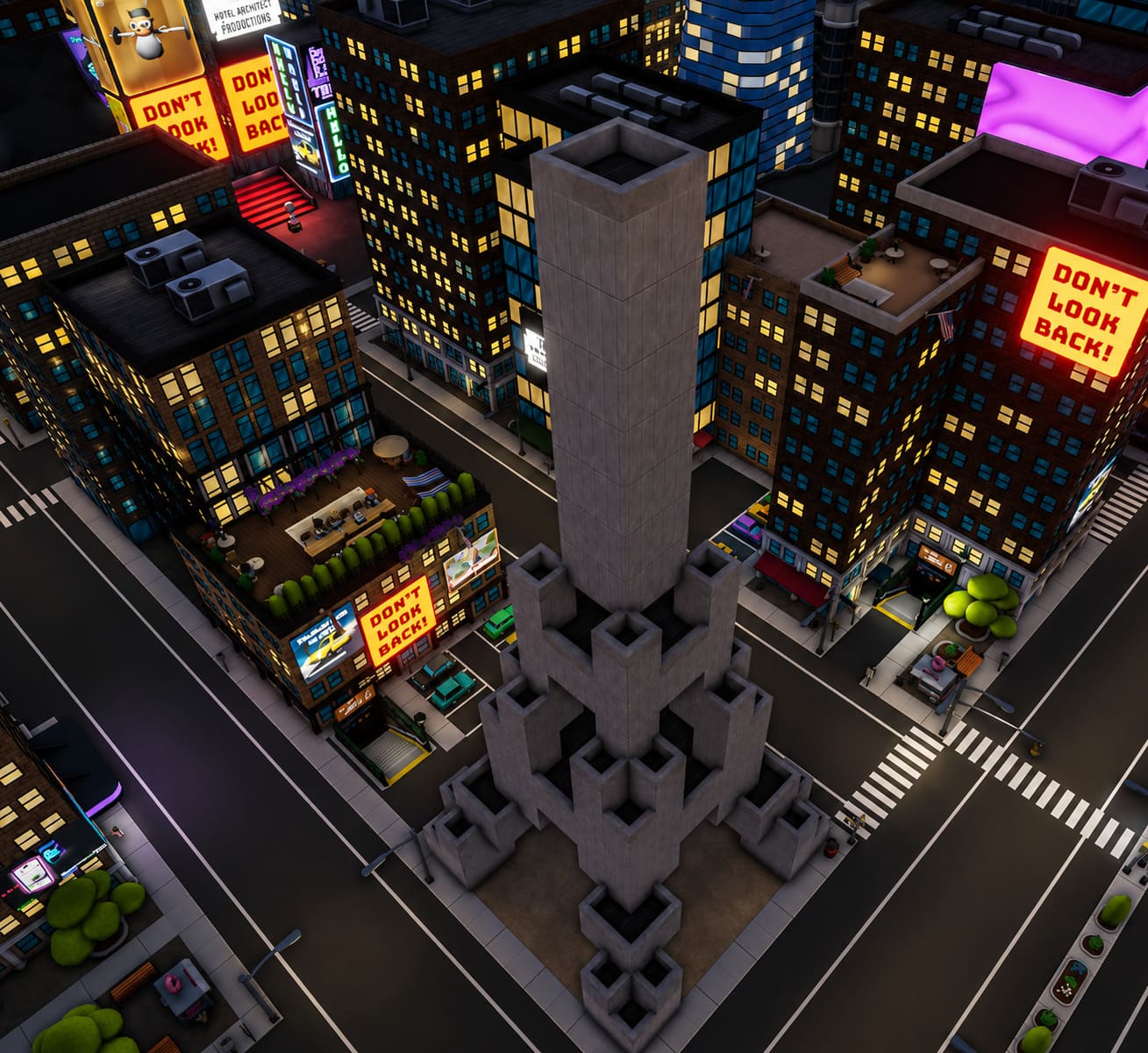
Las Vegas feels like the reward for surviving everything before it.
You finally get massive creative freedom, huge expansion potential, and access to casino mechanics that can generate ridiculous income streams if managed correctly.
This is the stage where financial upgrades truly shine.
Large loan capacity becomes useful because mega-expansions are extremely expensive, especially if you’re pushing for simultaneous satisfaction across all guest types.
And honestly?
This is where the game becomes dangerously addictive.
Once you start building giant casino resorts with luxury entertainment wings and premium suites, it becomes very hard to stop optimizing “just one more thing.”
Suddenly it’s 4 AM.
Your cleaners are unionizing.
And you’re redesigning bathroom layouts for the third time because critics hate your towel placement.
Classic tycoon game behavior.
Small Details That Save Entire Runs
Some mechanics in Hotel Architect are surprisingly unforgiving, and knowing these early helps a lot.
Bathrooms Must Connect Properly
The game requires direct room linkage between bedrooms and bathrooms. If the pathing feels disconnected, guests may act as if the bathroom doesn’t exist at all.
Construction Timing Matters
Late-night renovations are catastrophic for hotel ratings. Avoid heavy construction after evening hours unless you enjoy watching guest satisfaction implode.
Couples Consume Resources Faster
Double occupancy rooms burn through towels much quicker than expected. Always upgrade towel capacity early for luxury rooms.
Learn the Blueprint Cancel Trick
There’s no traditional undo button. Using CTRL while dragging over planned structures can save enormous amounts of money and frustration.
Final Thoughts
What makes Hotel Architect stand out from most tycoon simulators is how interconnected everything feels.
Every decision creates consequences somewhere else.
Better rooms increase workload.
More guests stress logistics.
Expansions pressure staff.
Luxury demands infrastructure.
And somehow, beneath all the chaos, the game remains incredibly satisfying once your systems finally click together.
The Upgrade Tree isn’t just a progression mechanic.
It’s basically the DNA of your entire hotel empire.
And once you understand how each branch supports the others, the game transforms from a messy management sim into one of the smartest strategy experiences released in recent years.