Gothic 1 Remake Magic Guide: Runes vs Spell Scrolls Explained
When I first stepped back into the Valley of Mines in the Gothic 1 Remake, one thing immediately stood out: magic feels dangerous again. Modern RPGs often hand powerful spells to players within the first hour, but Gothic has always done things differently. You earn every magical ability through hard choices, faction commitments, and careful character development.
As someone who spent countless hours with the original Gothic and has now explored the remake extensively, I found myself constantly comparing the two main magical paths available in the game: Spell Scrolls and Magic Runes.
At first glance they seem similar. Both allow you to cast powerful spells, both consume Mana, and both can turn difficult encounters into easy victories. But after dozens of hours experimenting with different builds, I’ve come to believe that understanding the strengths and weaknesses of each system is one of the most important parts of creating a successful character.
If you’re wondering whether to become a dedicated mage or simply use magic as a support tool, this guide should help you make the right decision.
Magic in Gothic 1 Remake Feels Different
One reason I enjoy Gothic’s magic system more than many modern RPGs is that it never feels like an afterthought. Every spell cast has weight behind it.

The remake enhances this feeling through improved visual effects, new casting animations, and more tactical combat encounters. Casting a powerful spell is no longer just pressing a button. Positioning, timing, and resource management all matter.
This makes the choice between runes and scrolls far more important than many players initially realize.
Spell Scrolls: The Ultimate Survival Tool
If you’re new to Gothic, scrolls will probably become your best friends during the early chapters.
A spell scroll is a consumable item that grants access to a spell without requiring formal magical training. Use it once, and it’s gone forever.
That sounds expensive at first, but the advantages are enormous.
The biggest benefit is flexibility. You can be a sword-focused warrior, a bow specialist, or a pure strength build and still cast powerful magic whenever the situation becomes desperate.
During my first remake playthrough, I relied heavily on scrolls while exploring dangerous regions long before my character was actually strong enough to survive there. A well-timed transformation scroll or crowd-control spell often meant the difference between success and a reload screen.
Why Scrolls Are So Valuable
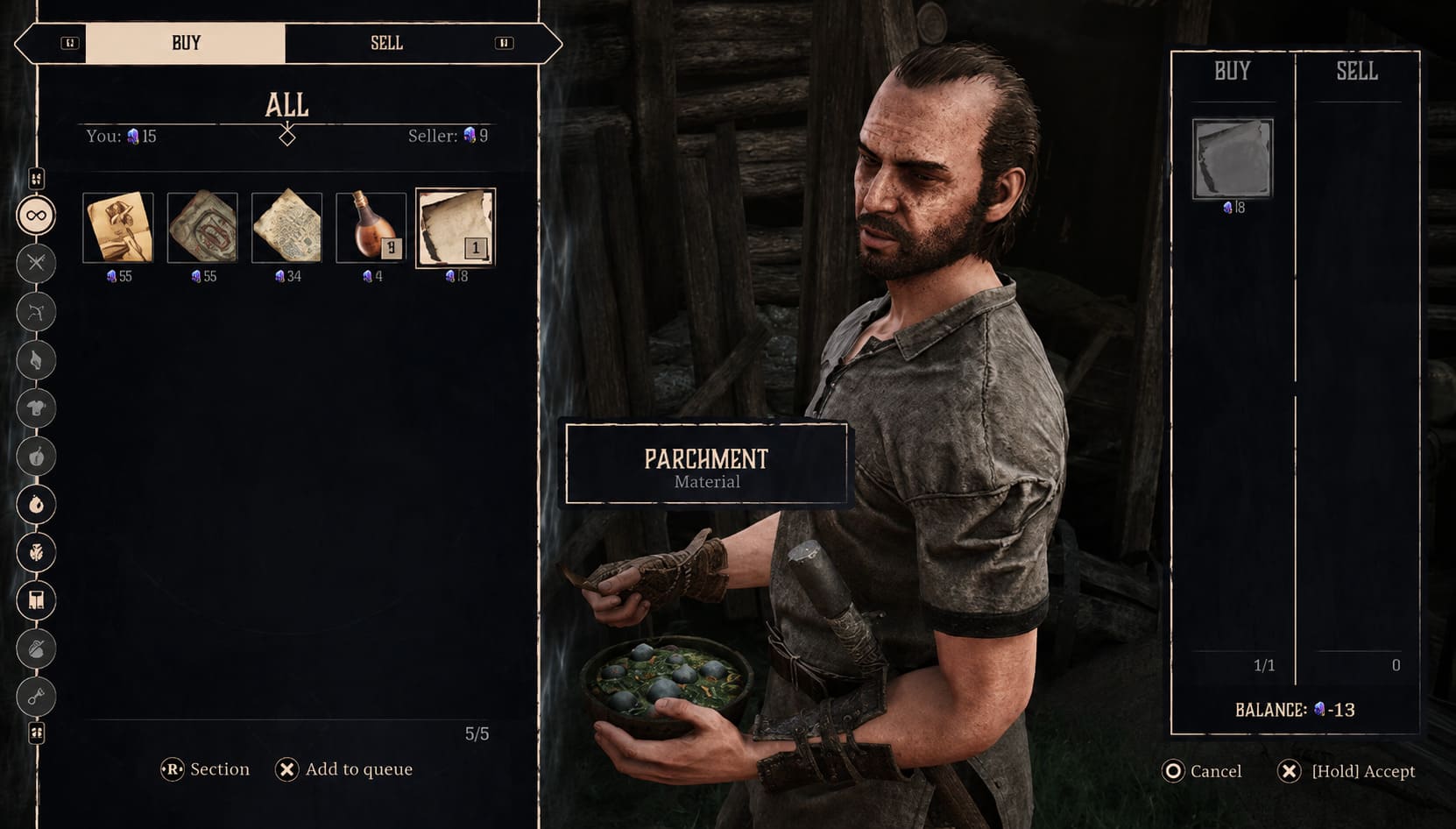
- Immediate power access – You don’t need magical training. If your Mana pool is sufficient, you can cast the spell.
- Perfect for hybrid builds – Warriors and archers can benefit tremendously from occasional magical utility.
- Great emergency tools – Sleep, Ice Block, and transformation spells can completely change a losing battle.
- No Learning Point investment – Every LP can be invested into Strength, Dexterity, or weapon skills.
For many players, especially newcomers, scrolls provide exactly the right amount of magic without forcing a full commitment to the mage lifestyle.
Magic Runes: The True Mage Experience
Runes are where Gothic’s magic system truly shines.
Unlike scrolls, runes are permanent magical tools that can be used endlessly. As long as you have enough Mana available, the spell can be cast repeatedly.
Of course, such power comes with restrictions.
To use runes effectively, you must invest heavily into the Circles of Magic, join the appropriate factions, and dedicate a significant portion of your character progression toward magical mastery.
This is not a casual investment.
However, once the build comes online, the payoff is incredible.
I still remember reaching the middle chapters and realizing that my rune-based mage could eliminate entire groups of enemies before they even reached melee range. At that point, combat almost felt like playing a different game.
Runes vs Scrolls Comparison
| Feature | Spell Scrolls | Magic Runes |
|---|---|---|
| Usage | Single-use | Unlimited use |
| Training Required | None | Required |
| Learning Point Cost | None | High |
| Best For | Warriors, hybrids, early game | Dedicated mages |
| Long-Term Value | Moderate | Extremely high |
| Accessibility | Immediate | Locked behind progression |
Looking at the table, the choice seems obvious, but in reality both systems complement each other surprisingly well.
Even dedicated mages should carry useful scrolls, while physical fighters can occasionally benefit from high-tier magical effects.
Choosing Your Magical Faction
One aspect I appreciate about Gothic 1 Remake is that your faction choice genuinely matters.
Unlike many RPGs where different guilds mostly change cosmetic details, Gothic ties your magical progression directly to the world itself.

Fire Mages
The Fire Mages offer what many players consider the classic mage experience.
Their arsenal focuses heavily on destructive offensive spells and devastating fire-based attacks.
If your goal is to throw fireballs across the battlefield and eventually rain destruction upon groups of enemies, this path is difficult to beat.
I personally think Fire Mage progression feels the smoothest for players who want to focus on magic from the beginning.
Water Mages
Water Mages require more patience.
Their strongest content arrives later, but they reward players with powerful control abilities and excellent area damage options.
Freezing enemies in place before destroying them never gets old.
The delayed progression may frustrate some players, but the payoff is absolutely worth it.
Brotherhood Magic
The Swamp Camp offers a unique alternative.
Its magical abilities feel strange, mysterious, and sometimes downright bizarre compared to traditional elemental spells.
Many of these abilities emphasize utility, manipulation, and crowd control rather than raw destruction.
While this path has progression limitations, it remains one of the most interesting roleplaying choices in the game.
Why I Think Many Players Underestimate Scrolls
Whenever discussions about Gothic magic appear online, players usually focus on powerful late-game runes.
I understand why.
Watching a high-level mage wipe out enemies with devastating spells is impressive.
But I think scrolls deserve more credit.
Some of my most memorable moments came from using a single carefully chosen scroll at exactly the right time.
A transformation spell allowed me to clear dangerous monster territory far earlier than intended.
A Sleep scroll helped me complete quests without engaging in impossible fights.
An Ice spell bought enough time to escape situations that should have ended in death.
These moments remind me why Gothic remains special after all these years. The game constantly encourages creative solutions instead of straightforward stat checks.
The Real Cost of Becoming a Mage
Many players see unlimited spellcasting and immediately decide to pursue the mage route.
What they sometimes forget is the enormous investment required.
Learning Points are among the most valuable resources in the game.
Every point spent on magical circles is a point not spent on:
- Strength
- Dexterity
- Weapon mastery
- Survival skills
- Secondary attributes
A full mage build demands commitment.
Half-measures usually result in weaker characters that struggle in both melee combat and magical combat.
That’s why I often recommend that new players either fully commit to magic or treat it as a supplemental tool through scrolls.
Trying to do everything at once can become frustrating.
My Personal Recommendation
After experimenting with multiple character builds, my preferred approach is surprisingly simple.
During the early game, I use scrolls extensively.
They solve problems efficiently, require no major investment, and provide incredible flexibility.
Once I decide which faction path I truly want, I begin investing into runes and magical circles.
This creates a natural progression curve that feels rewarding and immersive.
The character starts as a desperate survivor using whatever tools are available and gradually evolves into a true master of magic.
That journey captures the spirit of Gothic perfectly.
Gothic 1 Remake Raw Steel Chunks Location Guide: How to Get Infinite Steel for Blacksmithing
Final Thoughts
The beauty of the Gothic 1 Remake magic system is that there isn’t a universally correct answer.
Scrolls offer immediate utility, flexibility, and accessibility. Runes offer unmatched long-term power and transform your character into one of the strongest forces in the Valley of Mines.
For players focused on melee combat, scrolls may be all you’ll ever need.
For players who dream of becoming a legendary spellcaster capable of leveling entire groups of enemies, runes are the ultimate destination.
Personally, I believe the most enjoyable experience comes from embracing both systems. Use scrolls to survive the harsh early game, then gradually unlock the incredible potential of runes as your journey unfolds.
That’s when Gothic feels at its absolute best—when every new spell learned genuinely feels earned, and every victory reminds you just how far the Nameless Hero has come.