Galactic League Origins: Darius Pax and Racing Lore Explained
If you’ve spent any time around Star Wars games—or honestly, just love high-speed arcade racers—you’ve probably noticed something: the galaxy isn’t just about Jedi and politics. There’s a whole other layer beneath it all. Dirty, loud, dangerous… and way more interesting than it has any right to be.
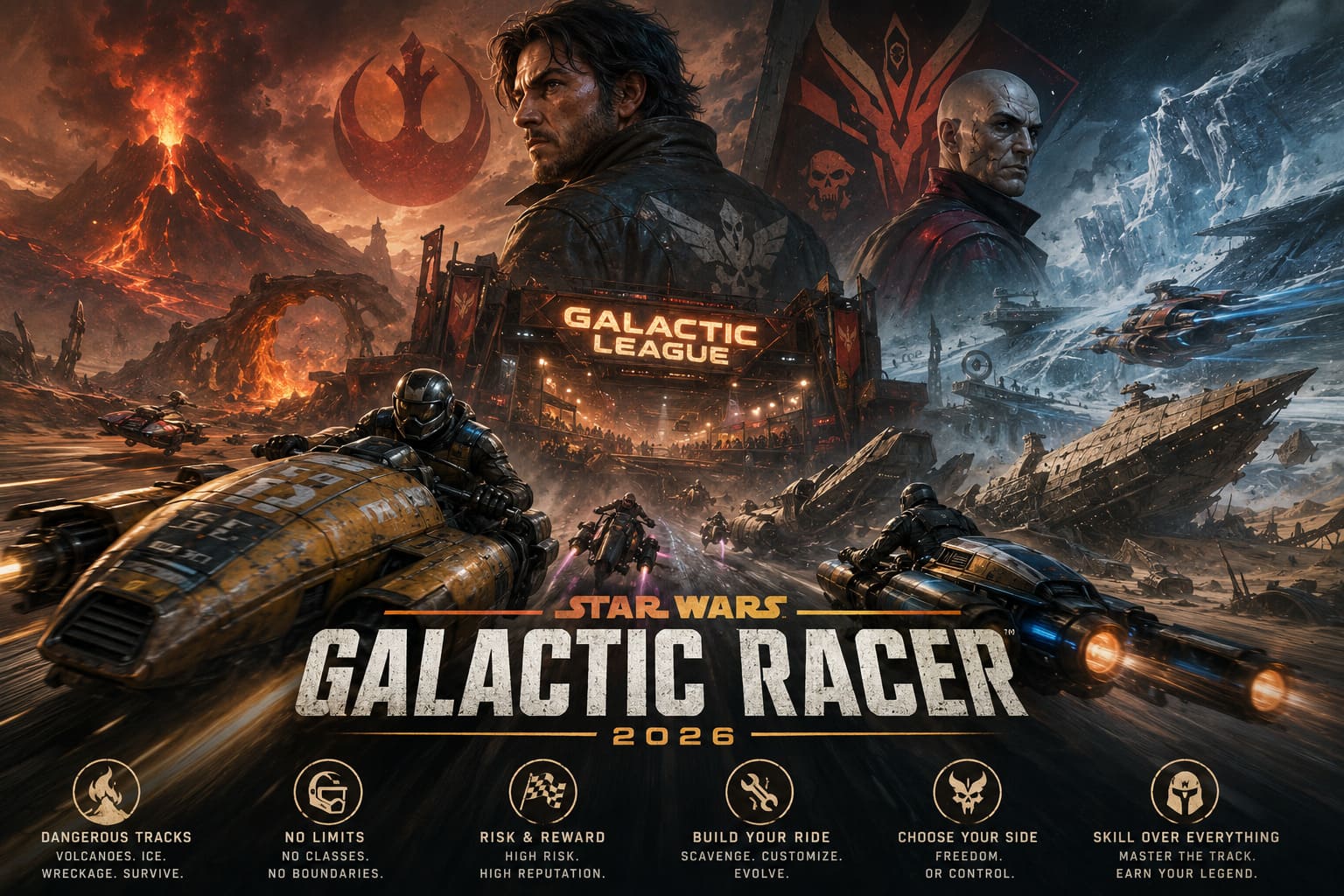
That’s exactly where the Galactic League comes in—and why Darius Pax is such a fascinating character. After diving into the lore and thinking about it from a gamer’s perspective, I genuinely believe this underground racing scene might be one of the coolest directions Star Wars has taken in years.
Darius Pax: Not a Hero, Not a Villain—Just Real
Let’s get one thing straight: Darius Pax isn’t your typical Star Wars figure. He’s not a Force user, not a politician, and not a war hero. He’s something much more grounded—and honestly, that’s what makes him stand out.
Pax feels like the kind of character you’d actually meet in a gritty open-world game. A guy who built something from nothing, not because he was chosen, but because he saw an opportunity and went all-in.
That’s the vibe: a hustler turned visionary.
After the fall of the Empire, while everyone else was busy rebuilding governments, Pax was building something way more chaotic—and arguably more honest: a racing league where skill actually matters.
And that’s what makes him compelling. He doesn’t feel written as a legend. He feels written as someone who accidentally became important.
From Chaos to Culture: How the Galactic League Was Born
The Outer Rim has always been messy. No rules, no real authority—just survival. Instead of trying to fix that, Pax leaned into it.
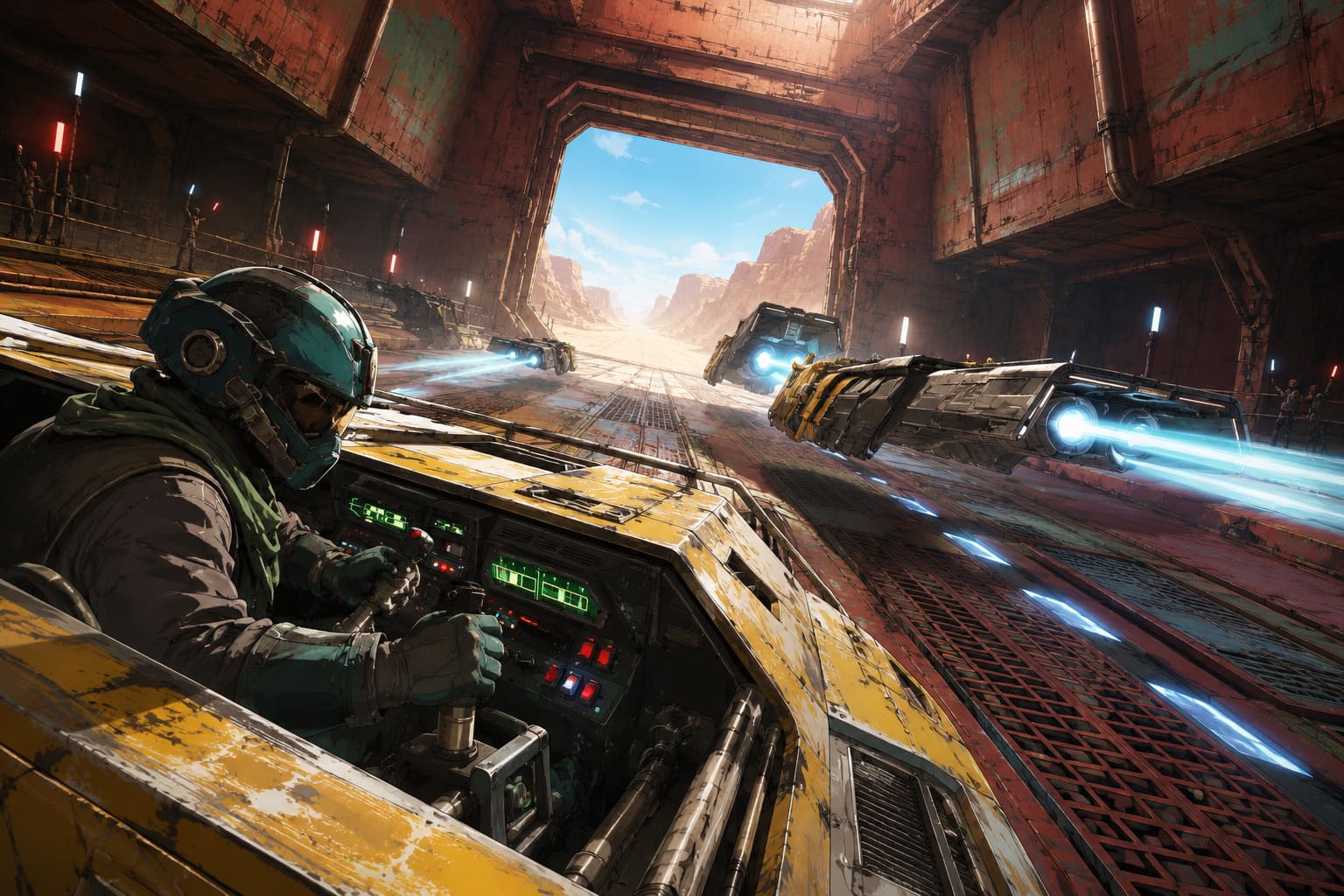
The Galactic League didn’t start as a grand idea. It grew out of local street races, illegal betting circuits, and old-school podracing culture. What Pax did differently was structure chaos without destroying it.
He didn’t sanitize it. He didn’t turn it into a corporate sport. He just gave it enough shape to grow into something bigger.
The result is a system where reputation matters more than money, and where every race feels like it could change your entire life.
What Makes the Galactic League Different
The League stands out because it refuses to follow traditional sports logic. Instead of rigid rules and controlled environments, it thrives on instability and risk.
Key elements include:
- No strict vehicle limitations
- Minimal rules that can still be bent or broken
- High-risk, high-reward competition structure
- Reputation-based progression instead of standard ranking systems
This creates something closer to a living ecosystem than a structured league. Every racer has to adapt constantly, and every decision matters.
The Shift: When Things Got Ugly
Every underground system eventually attracts the wrong kind of attention. In this case, that force comes in the form of Kestar Bool and his family.
This is where the Galactic League stops being just a racing story and becomes something closer to a crime-driven power struggle.
Kestar Bool doesn’t just want to win races. He wants control.
He uses intimidation, sabotage, and influence to reshape the League into something profitable and tightly controlled. That creates a direct ideological conflict with Darius Pax.
Is Star Wars Galactic Racer Deluxe Edition Worth It? Honest Gamer Breakdown, Price Analysis & Review
Pax vs Bool: A Core Conflict
The tension between Pax and Bool defines the modern identity of the Galactic League.
| Aspect | Darius Pax | Kestar Bool |
|---|---|---|
| Motivation | Passion for racing | Power and control |
| Leadership Style | Mentor and builder | Manipulator and enforcer |
| Vision | Merit-based competition | Monopoly-driven system |
| Methods | Fair risk and opportunity | Sabotage and intimidation |
This contrast is what elevates the setting beyond simple racing fiction. It turns it into a layered conflict about freedom versus control.
The Tracks: Where Everything Comes Alive
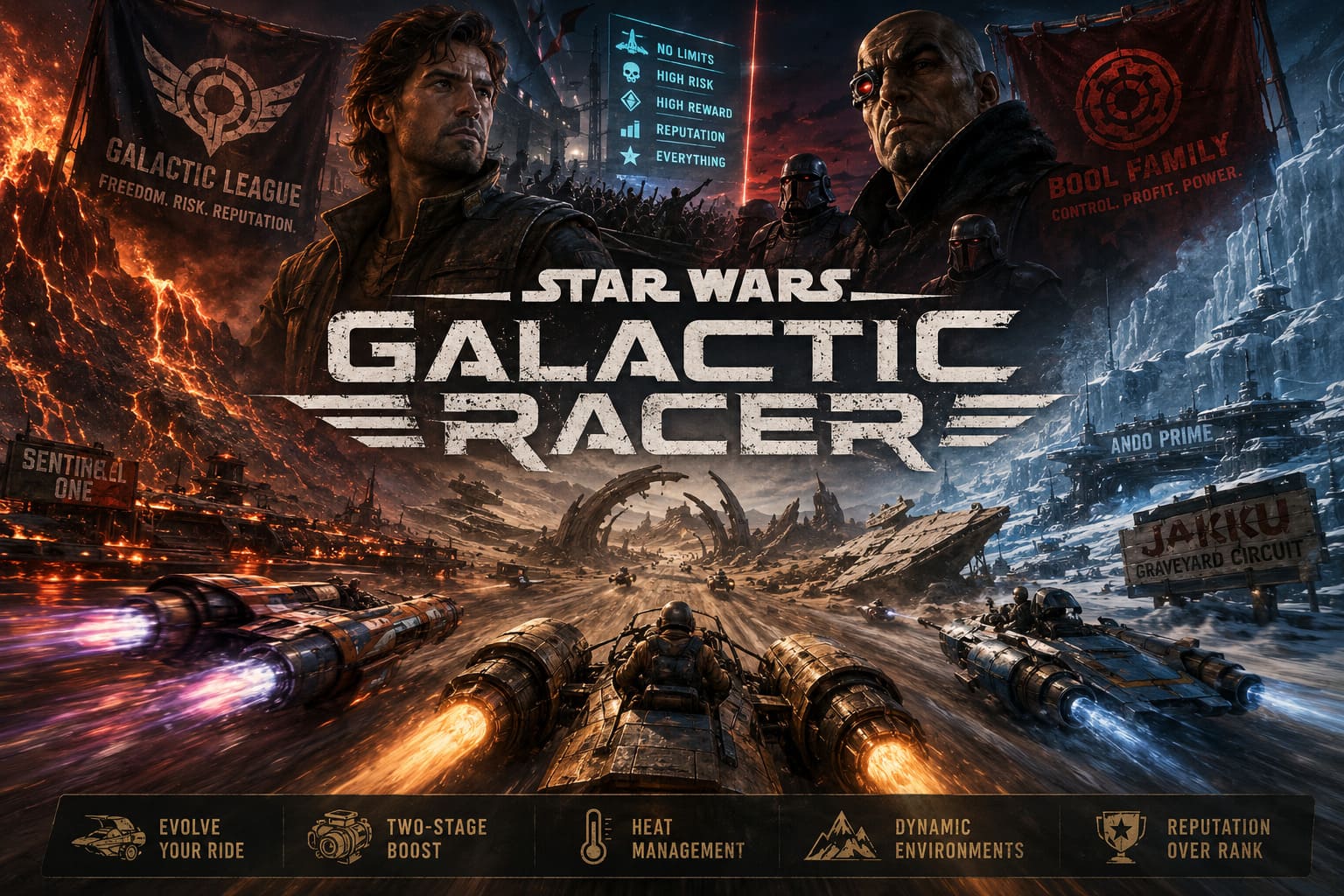
The Galactic League is defined by its environments. These are not safe, polished stadium circuits. They are dangerous worlds that actively try to kill you while you race.
Each track forces players to adapt not just their speed, but their strategy.
Sentinel One: Volcanic Pressure
Sentinel One is a volcanic nightmare where heat management becomes as important as acceleration. Lava flows and unstable terrain create constant pressure on both pilot and machine.
Ando Prime: Frozen Precision
Ando Prime is the opposite. Ice, wind, and low traction make control the primary challenge. Speed alone is not enough here—you need discipline and timing.
Jakku: The Graveyard Circuit
Jakku stands out as the most atmospheric location. Racing through massive wreckage fields of fallen Star Destroyers creates a sense of scale and history that few tracks can match.
Vehicles: Evolution Beyond Podracing
While Podracing is the foundation of the Galactic League, the system has evolved far beyond it.
Players can expect:
- Swoop bikes designed for precision racing
- Heavy hybrid builds focused on raw power
- Experimental craft assembled from scavenged components
This flexibility encourages creativity. Instead of forcing players into fixed classes, the League rewards experimentation.
Gameplay Philosophy: Skill Over Everything
At its core, the Galactic League emphasizes mastery over repetition.
This is not a “hold boost to win” experience. Instead, it focuses on systems like:
- Two-stage boost mechanics
- Heat and cooling management systems
- Environmental interaction between terrain and performance
- Track memorization and adaptation
The result is a racing system that feels closer to a skill-based arcade simulator than a casual speed game.
Why the Galactic League Matters
What makes this concept interesting is not just the racing—it’s what it represents within the Star Wars universe.
Instead of focusing on Jedi or galactic wars, the Galactic League explores everyday survival in the Outer Rim. It shows how people build identity, community, and power without relying on traditional heroic frameworks.
It’s a reminder that the galaxy is not just shaped by wars and governments, but also by underground systems built from ambition and necessity.
My Perspective: Why This Works So Well
From a gaming perspective, the Galactic League feels like a return to something more raw and experimental. It blends arcade racing energy with narrative depth in a way that feels natural rather than forced.
Darius Pax works as a character because he is not trying to be a legend. He is simply trying to protect what he built. That makes him more relatable than many larger-than-life figures in the franchise.
The League itself feels like a living system: part sport, part economy, part survival structure.
Conclusion: More Than Just Racing
The Galactic League is more than a backdrop for speed. It is a complete ecosystem built around risk, reputation, and resilience.
It explores themes of freedom versus control, passion versus exploitation, and individuality versus systems of power.
At the center of it all is Darius Pax—a man who didn’t set out to become important, but ended up shaping an entire underground culture simply by believing in it enough to build it.
Not a chosen one. Not a myth. Just someone who turned chaos into something worth racing for.