Crystalfall Endgame Progression Explained: Top Builds for Knights, Rogues, and Technomancers
Crystalfall is one of those rare Action RPGs that instantly grabs my attention—not just because of its steampunk aesthetic, but because it clearly isn’t afraid to play in the same arena as titans like Path of Exile and Diablo.
If you’ve ever felt that modern ARPGs sometimes hold your hand a little too much, Crystalfall might be the refreshing jolt your hardcore gaming soul needs.
Developed by CRG Studio, it merges deep, intricate mechanics with an endless endgame system that promises both challenge and creativity for years to come.
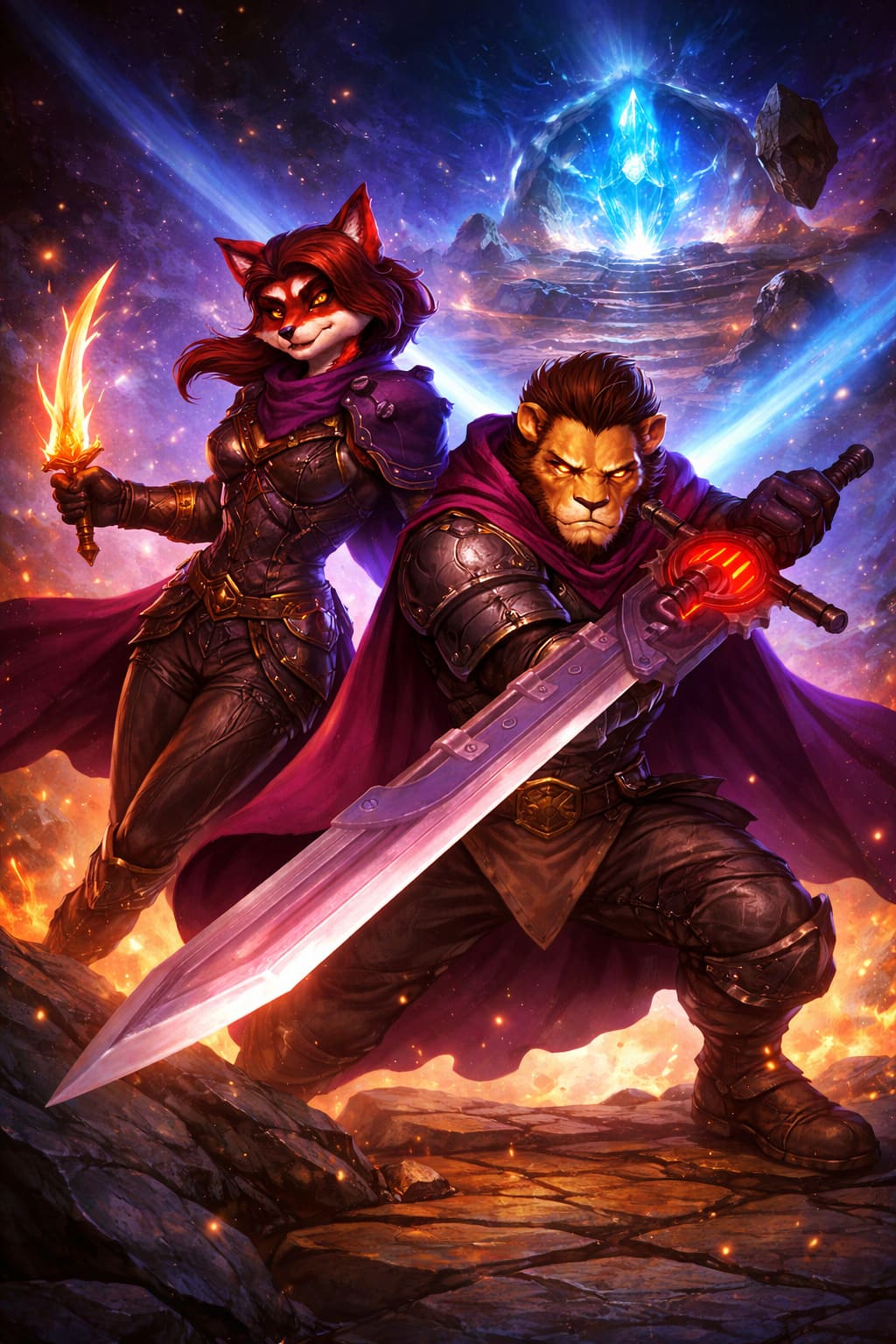
After spending some time diving into its mechanics, I wanted to share a detailed look at what makes this game tick, and how to transition from the campaign into its truly infinite endgame. If you’re a fan of loot, skill experimentation, and mind-bending theorycrafting, buckle up.
Conquering Chronos in Hades 2: A Gamer’s Ultimate Guide to the Titan of Time
Why Crystalfall Stands Out
What immediately struck me about Crystalfall is that it doesn’t just borrow ARPG conventions—it reinvents them. Unlike typical games where your abilities are static, skills in Crystalfall are lootable. Every combat encounter has the potential to reshape your playstyle entirely. Here’s why that matters:
- Lootable Skills with Procedural Trees: Every skill comes with a randomized skill tree, meaning that even if two players pick the same ability, their progression and node customization will likely differ. I love that feeling of hunting for the “God Roll” skill—it’s the kind of addictive loop hardcore ARPG players dream about.
- Global Talent Tree: Beyond individual skills, the game offers a sprawling talent tree with specialization in areas like elemental synergies, accuracy, and defensive stats. This allows you to fine-tune your character in ways most ARPGs simply don’t allow.
- Alpha & Omega Affixes: High-tier gear comes with Alpha and Omega affixes, modifying base stats in ways that let characters scale infinitely. This system makes max-level content genuinely challenging instead of a grind-for-numbers slog.
Simply put, Crystalfall isn’t about hitting the level cap and calling it a day—it’s about crafting your own progression narrative.
From Campaign to Endgame: Navigating the Transition
The early part of Crystalfall plays like a tight, narrative-driven tutorial stretched across five acts. In my experience, this serves as an excellent primer for the endgame while still feeling rewarding.
- Level Milestones: Expect to hit the initial level cap around 45-50. This is the first major checkpoint that signals it’s time to start thinking beyond basic combat.
- Sub-Class Awakening: Upon reaching level 45, players unlock the ability to “awaken” their sub-class. This is more than just flavor—it’s essential for accessing the advanced nodes on your global talent tree.
- Maps Over Acts: Once you leave the campaign, progression revolves around maps. These are procedural zones with escalating difficulty, rewarding exploration and strategic planning. Personally, I love this part: it transforms the game from a story-focused adventure into a sandbox of strategic combat experimentation.
This smooth transition keeps players engaged without overwhelming them, which is a design challenge most ARPGs stumble over.
Gear Crafting: The Heart of Theorycrafting
For anyone who enjoys number-crunching and optimization, Crystalfall’s gear system is a playground. It’s a mix of strategy, planning, and the thrill of randomness.
| Gear Component | Function | Tips |
|---|---|---|
| Void Gear & Accessories | Core foundation for endgame builds | Start crafting at level 45-50; these are your “must-have” items for scaling. |
| Skill Customization | Upgrade rarity, reshuffle nodes, or reroll affixes | Salvage unwanted skills for Skill Keys to craft stronger alternatives. |
| Skill Crests | Socketable enhancements | Adds depth to your lootable abilities and allows for unique combos. |
The crafting loop is engaging without being punishing. Unlike other ARPGs where min-maxing can feel like a chore, here it feels organic and rewarding, especially when you finally see your build click into place. I spent hours experimenting with skill rerolls and crests—there’s a true sense of ownership over your character.
Endless Endgame: Where Crystalfall Shines
Once you stabilize your build, the focus shifts to what the developers call the “endless endgame loop.” Here, the game reveals its real depth:
- Abyssal Purgatory: A high-level farming zone for class-specific gear. Starting around level 55, this becomes the playground for refining your ultimate build. I found it satisfying to see incremental gains on gear that had already felt strong.
- Valley Engraving: Specific zones let you farm Ultra Engravings to transform Void Gear into Gold Piece (Legendary) items. The system rewards persistence and strategic farming rather than random luck alone.
- Seasons & Leaderboards: Competitive elements and seasonal resets keep the gameplay fresh. Leaderboards aren’t just vanity metrics—they give a clear goal for optimizing builds and pushing the envelope of difficulty.
Unlike some free-to-play titles that feel “designed to drain wallets,” Crystalfall’s endgame loop genuinely focuses on player skill, preparation, and creativity.
Monetization and Fair Play
As a gamer, I always worry about F2P titles tilting into pay-to-win territory. CRG Studio seems aware of this and has taken steps to keep monetization ethical:
- Supporter Packs & Cosmetics: The primary revenue comes from skins, stash tabs, and additional inventory space. Nothing essential for progression is locked behind a paywall.
- Trading System: Standard in-game trading is available, with an optional blockchain system for secure secondary market transactions. For most players, the game is fully accessible without ever touching blockchain elements.
In my opinion, this is exactly how free-to-play ARPGs should operate: reward dedication and skill, not wallets.
Personal Impressions: Why This Feels Different
Playing Crystalfall feels like discovering a hidden gem in the ARPG landscape. Here’s what stands out to me as a player who’s bounced between dozens of loot-driven games:
- Skill Variety Is Addictive: Lootable skills with procedural trees create a constant itch to experiment. It’s not just “find the best sword,” it’s “find the build that feels right for you.”
- Endgame Isn’t a Grind—It’s a Puzzle: The map and crafting systems make each loop feel like solving a puzzle rather than grinding mobs. Every choice in gear, skill nodes, or talent points matters.
- Aesthetic and Setting: The steampunk world is consistently charming without feeling gimmicky. It provides a backdrop that makes the high-level grind visually rewarding.
- Community and Competition: Seasons and leaderboards foster a sense of camaraderie and rivalry. Even casual players can enjoy the loop, while hardcore players can obsess over perfection.
In short, Crystalfall doesn’t just copy formulas from other ARPGs—it respects the player’s intelligence and creativity.
Tips for New Endgame Players
If you’re diving into Crystalfall and want a head start in the endless endgame, here are a few practical tips from my experience:
- Focus on building one “core” skill first, then expand. Don’t scatter your resources too early.
- Always salvage skills that don’t fit. Skill Keys are rare and invaluable for experimentation.
- Prioritize crafting Void Gear before chasing cosmetic upgrades—it’s the foundation for everything.
- Take advantage of map modifiers. Some zones have synergistic effects that can amplify your build dramatically.
- Watch seasonal resets. They’re an excellent opportunity to try radically different builds without permanent loss.
Whether you’re chasing “God Roll” skills, crafting the perfect Void Gear, or climbing the seasonal leaderboards, Crystalfall has something for everyone who loves depth, challenge, and strategy. It’s a game where mastery isn’t about reaching a level cap—it’s about continuously refining, adapting, and evolving your character in a world that never stops testing you.
Crystalfall Endgame Meta: Top Builds for Knights, Rogues, and Technomancers
If you’ve been diving into Crystalfall, you already know that this post-apocalyptic steampunk world is a playground for experimentation.
The classless system gives you freedom to hybridize, but when it comes to meta power in early access, three archetypes—Knight, Rogue, and Technomancer—consistently rise above the rest.
Each of these builds emphasizes a different attribute and combat style, creating opportunities for diverse strategies. After sinking dozens of hours into testing, here’s my take on the most effective endgame setups for these powerhouses.
1. The Knight: “Titanic Sunder” – Crushing Physical AOE
If you love the idea of standing in the thick of battle and smashing everything in sight, the Knight is your go-to. With sheer survivability and devastating area-of-effect attacks, this build lets you feel like an unstoppable force of nature.
Core Attribute: Strength
The Knight thrives on raw physical power. For endgame viability, aim for 75+ Strength, which dramatically scales your damage output. Strength is also vital for passives like Godly Physique and Weapons of Great Heft, which turn your attacks into literal wrecking balls.
Primary Skills:
- Quake – Sweeps the battlefield, perfect for clearing mobs.
- Ground Slam – Massive AOE damage that pairs well with heavy weapons.
Skill Tree Focus:
Look for “Gold Roll” skill variants that boost Physical Damage per Weapon Weight. Don’t underestimate defensive nodes: Shieldbearer and Confidence can triple your shield damage while reducing incoming hits by up to 15%, making you both tanky and deadly.
Playstyle Tips:
- Stay front-line and control enemy positioning.
- Use heavy weapons to maximize the Godly Physique passive.
- Focus on AOE rotations to shred enemy groups while your defenses mitigate punishment.
Who It’s Best For:
Players who enjoy a slow, deliberate, “tanky” playstyle. If your ideal gaming moment is smashing five enemies at once while shrugging off their attacks, the Knight is pure satisfaction.
| Attribute | Recommended Value | Key Skills | Defensive Nodes |
|---|---|---|---|
| Strength | 75+ | Quake, Ground Slam | Shieldbearer, Confidence |
2. The Rogue: “”Venomous Shadow”” – High Mobility Crit & Poison
For those who prefer a faster, high-risk-high-reward approach, the Rogue is an absolute blast. With agility, critical strikes, and damage-over-time effects, Rogues thrive on precision and timing.
Core Attribute: Agility
Agility governs hit chance and critical strike frequency. Maxing this stat is essential for landing Backstab and other high-damage combos against endgame bosses.
Primary Skills:
- Thrust – Quick, piercing attacks that pair well with poison.
- Barrage – A flurry of hits that can apply bleeding effects across multiple targets.
Synergy Mechanics:
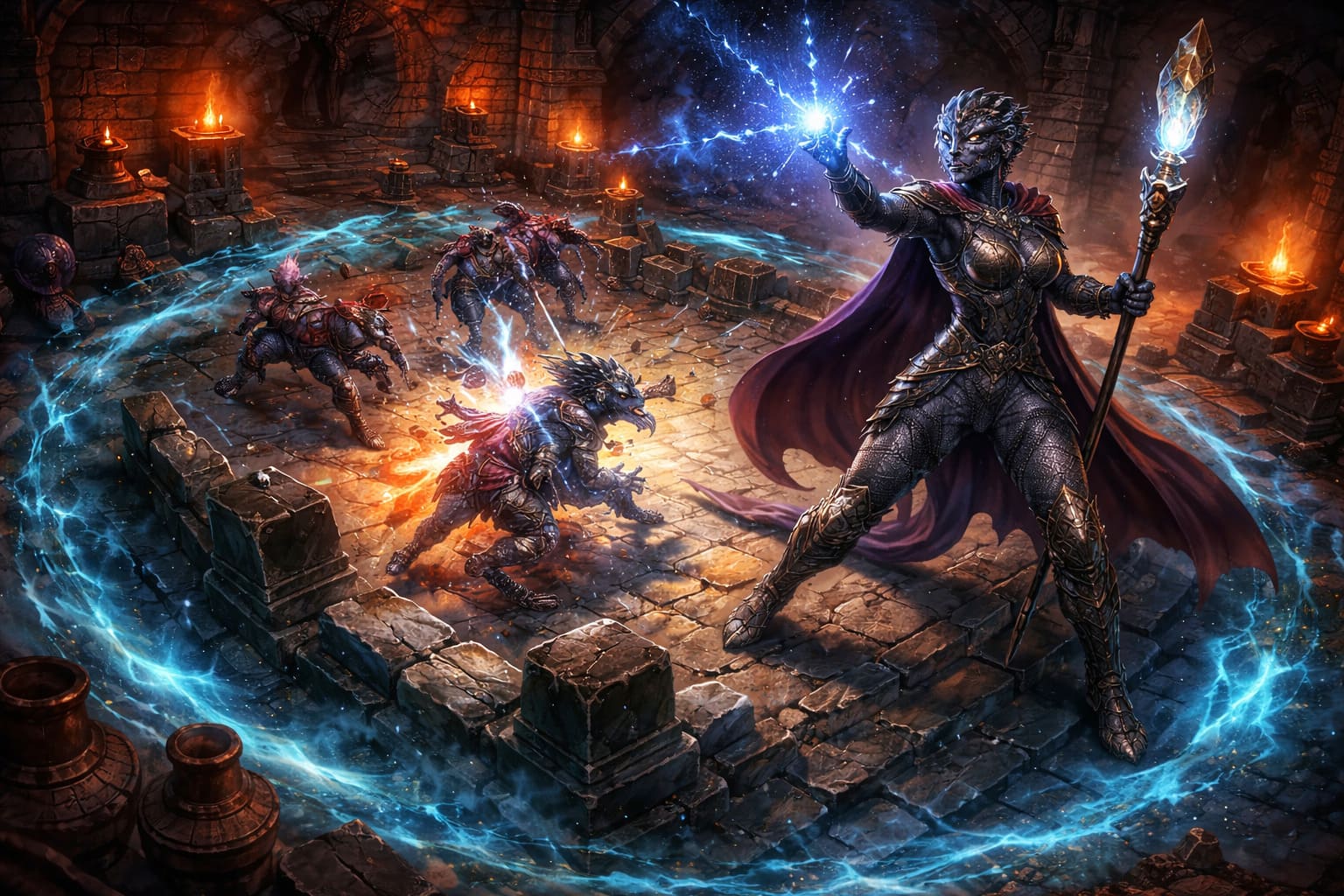
One of my favorite tricks is combining Electric Weapon upgrades with your attacks. Stun enemies briefly, then dash behind for Backstab bonuses—often adding up to a 20% damage increase. Timing and positioning are everything here.
Playstyle Tips:
- Constant dodging and parrying keep you alive.
- Focus on single-target burst and enemy debuffs.
- Maintain mobility; never stay in one spot too long.
Who It’s Best For:
Players who thrive on chaos, speed, and precision. Rogues shine in frantic encounters where evasion is your best defense and poison/crit damage is your main weapon.
| Attribute | Recommended Value | Key Skills | Bonus Mechanic |
|---|---|---|---|
| Agility | High | Thrust, Barrage | Electric Weapon + Backstab |
3. The Technomancer: “”Aether Storm”” – God-Tier Electric AP
If you want a high-visual-impact, magical powerhouse capable of obliterating entire screens, the Technomancer is unmatched. This archetype blends intelligence, Willpower, and magitech for maximum area-of-effect devastation.
Core Attribute: Willpower/Intelligence
Willpower drives your energy regeneration and ultimate damage potential. For serious endgame play, invest heavily to ensure you can spam your top-tier abilities without downtime.
Primary Skills:
- Lightning Quake – Chain lightning that smashes groups and bosses alike.
- Electric Storm – Overwhelms large mobs with visually spectacular AP damage.
Skill Tree Focus:
Prioritize the middle section of the talent tree, unlocking Fluid Stocks to maintain constant energy supply. Combine high Willpower with the right talent nodes to ensure your Technomancer never runs out of power mid-fight.
Playstyle Tips:
- Use crowd-control abilities to manage enemies from a distance.
- Pair high-damage spells with mobility items for maximum efficiency.
- Focus on resource management to maintain uptime on your most devastating abilities.
Who It’s Best For:
Players who enjoy screen-clearing speed farming, flashy combos, and controlling the battlefield from a distance. Technomancers turn fights into visually spectacular storms of electricity.
| Attribute | Recommended Value | Key Skills | Resource Focus |
|---|---|---|---|
| Willpower | High | Lightning Quake, Electric Storm | Fluid Stocks |
Hybrid Play & Meta Flexibility
One of the unique aspects of Crystalfall is its classless system. While the three archetypes above dominate the early meta, mixing and matching abilities can lead to surprisingly effective hybrids. For example:
- Knight-Rogue Hybrid: A heavy-hitting tank with mobility and poison debuffs.
- Rogue-Technomancer Hybrid: High agility crits combined with electric DoT effects for explosive single-target or small group damage.
- Knight-Technomancer Hybrid: Unstoppable front-line AOE, combining shield durability with screen-clearing magitech spells.
The key to hybridization is balancing your core attribute investment with skill synergies. Overextending in too many stats often dilutes effectiveness, so focus on enhancing your primary archetype while sprinkling in complementary mechanics.
My Personal Take
After grinding through multiple builds, I can say:
- Knight feels like playing a tank in a MOBA but with literal earth-shaking attacks. There’s something satisfying about hitting three enemies at once and watching your shield absorb nearly everything.
- Rogue scratches that “speedrun” itch. It’s chaotic, tense, and deeply rewarding when you time everything perfectly.
- Technomancer is pure spectacle. If you enjoy a flashy, godlike feel, this is your class—spamming abilities and watching the battlefield light up never gets old.
Personally, I love starting with a Knight build to understand the game’s enemy patterns, then experimenting with Rogue or Technomancer hybrids for maximum fun.
Tips for Climbing the Meta
- Focus Your Core Attribute Early: Strength, Agility, or Willpower should be your main priority depending on your chosen archetype.
- Hunt for Gold Roll Skills: They’re rare but exponentially increase damage potential and are essential for meta builds.
- Don’t Ignore Defense: Especially for Knights and Rogues—survivability is just as important as raw damage.
- Experiment with Hybridization: Classless design rewards creativity; some niche combinations can outperform pure archetypes in certain situations.
- Resource Management is Key: For Technomancers, always prioritize energy sustain to maintain constant spell uptime.
Conclusion
Crystalfall offers a rich playground for experimenting with archetypes and builds. Whether you’re smashing foes as a Knight, darting in and out as a Rogue, or raining lightning as a Technomancer, there’s no shortage of exciting strategies.
By focusing on core attributes, synergizing skills, and experimenting with hybrids, you can not only survive but thrive in the early access endgame meta.
Remember: the meta is always evolving, but mastering these builds will give you a strong foundation to dominate whatever challenges the steampunk wasteland throws your way.