Airborne Empire Gameplay Tips 2026: Master Building, Combat, and Survival (1.0 Guide)
When I first booted up Airborne Empire, I expected something close to its predecessor, Airborne Kingdom—relaxed city-building in the skies with some light logistics. What I got instead was a surprisingly demanding hybrid of engineering sim, survival strategy, and aerial combat sandbox.
After dozens of hours (and more crashes than I’d like to admit), I can confidently say this: this game doesn’t reward pretty cities—it rewards smart ones. If you’re struggling to stay airborne or getting shredded by pirates, here’s a grounded, player-tested breakdown of what actually works in 1.0.
Why Most Cities Fail (And How to Fix Yours)
The biggest trap in Airborne Empire is thinking like a traditional city-builder player. Expansion feels good—but here, it kills you.
Every building has consequences. Weight increases, drag creeps in, and suddenly your elegant floating utopia turns into a sinking brick.
The core rule I learned the hard way: Balance > Growth
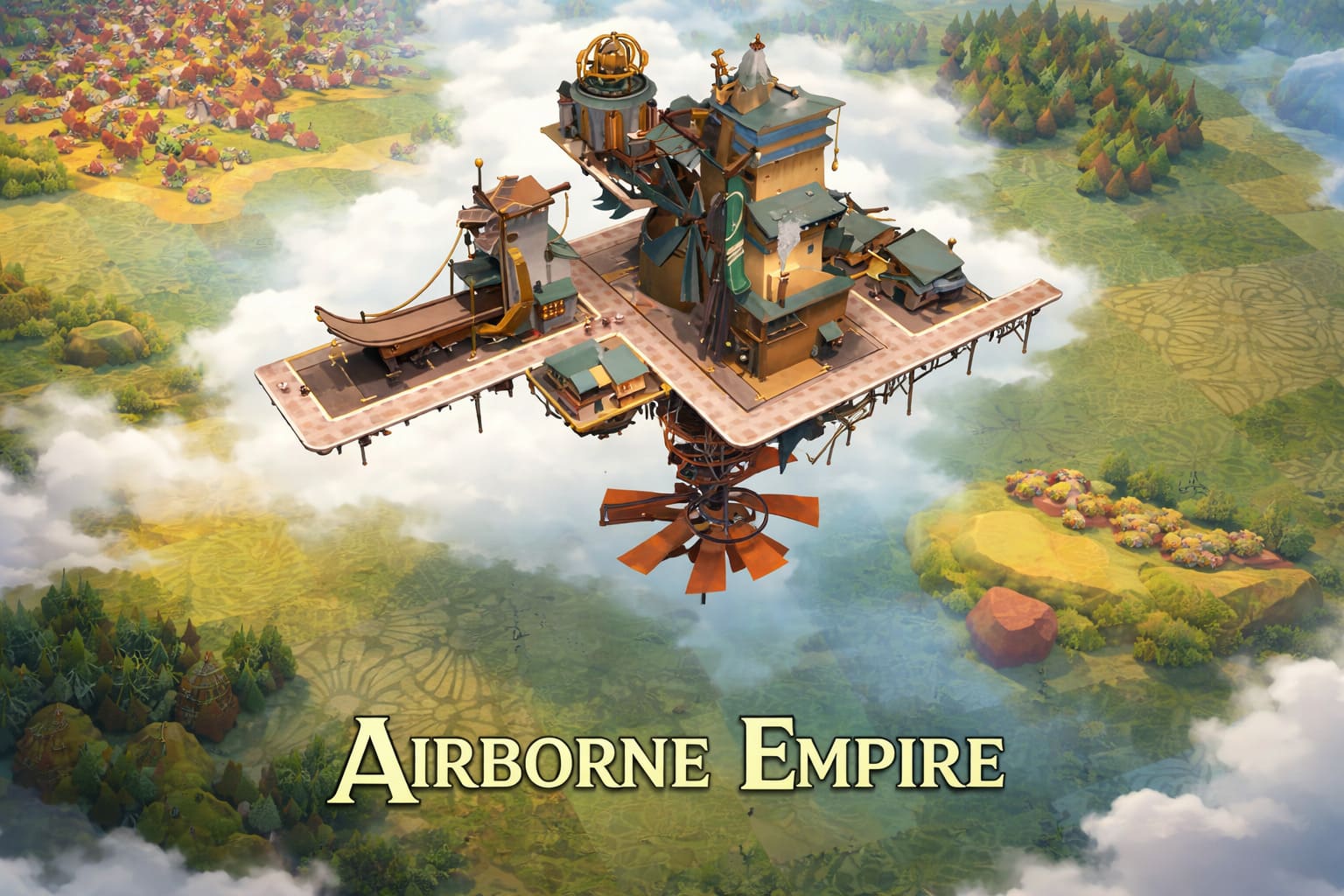
If your city tilts even slightly too much, everything starts falling apart—production slows, workers move like they’re underwater, and your fuel economy tanks.
- Build symmetrically, even if it feels restrictive
- Avoid stacking heavy buildings on one side
- Treat every expansion like a physics problem, not a design choice
Helldivers 2 Toxic Swamps Survival Guide: Best Loadouts and Tactics for the 2026 Update
The Real Meta: Compact, Efficient, and Slightly Ugly
Let’s be honest—most of the best-performing cities in 2026 aren’t pretty. They’re efficient.
The community has mostly converged on a “modular hub” layout, and after trying a bunch of designs myself, I get why.
| Zone | Purpose | Why it matters |
|---|---|---|
| Core | Storage + Hangar | Reduces worker travel time significantly |
| Inner Ring | Housing | Keeps population centralized and efficient |
| Outer Edge | Lift + Defense | Maximizes coverage and balance |
What surprised me most is how much worker travel time matters. If your gliders are flying across your city just to drop off resources, you’re wasting time—and in this game, time equals fuel.
Lift, Drag, and the Silent Killers of Your Run
You’ll notice two things slowly creeping up as your city grows: drag and instability.
Drag is especially brutal because you don’t feel it immediately. You just start burning more coal until suddenly you’re stranded mid-air with nothing left.
My biggest realization: Wide cities are a trap.
- Build vertically when possible
- Keep wings tight and purposeful
- Use aerodynamic upgrades early
Aero-focused upgrades don’t feel exciting, but they’re the difference between smooth exploration and constant resource panic.
Resource Management: The Game Is Brutal If You’re Unprepared
If there’s one system that defines your success, it’s fuel.
Coal isn’t just a resource—it’s your lifeline. No coal means no movement, and no movement means game over.
- Stick near forests whenever possible
- Convert wood into coal regularly, not reactively
- Always keep a minimum buffer before entering risky zones
I made the mistake of exploring a desert biome with barely any запас, and that run ended fast.
Water is another sneaky problem. It doesn’t seem urgent until it suddenly is.
- Build multiple water generators before dry zones
- Upgrade storage capacity
- Carry запас for long journeys
Combat: Surprisingly Deep (And Punishing)
Combat in Airborne Empire is not optional, and it’s not forgiving.
At first, I tried playing defensively. That was a mistake.
The shift that changed everything: Start fighting before enemies reach you.
Long-range engagement is key. If pirates get too close, your city becomes a damage sponge.
- Front-loaded long-range cannons
- Side-mounted anti-swarm defenses
- Centralized repair systems with skilled workers
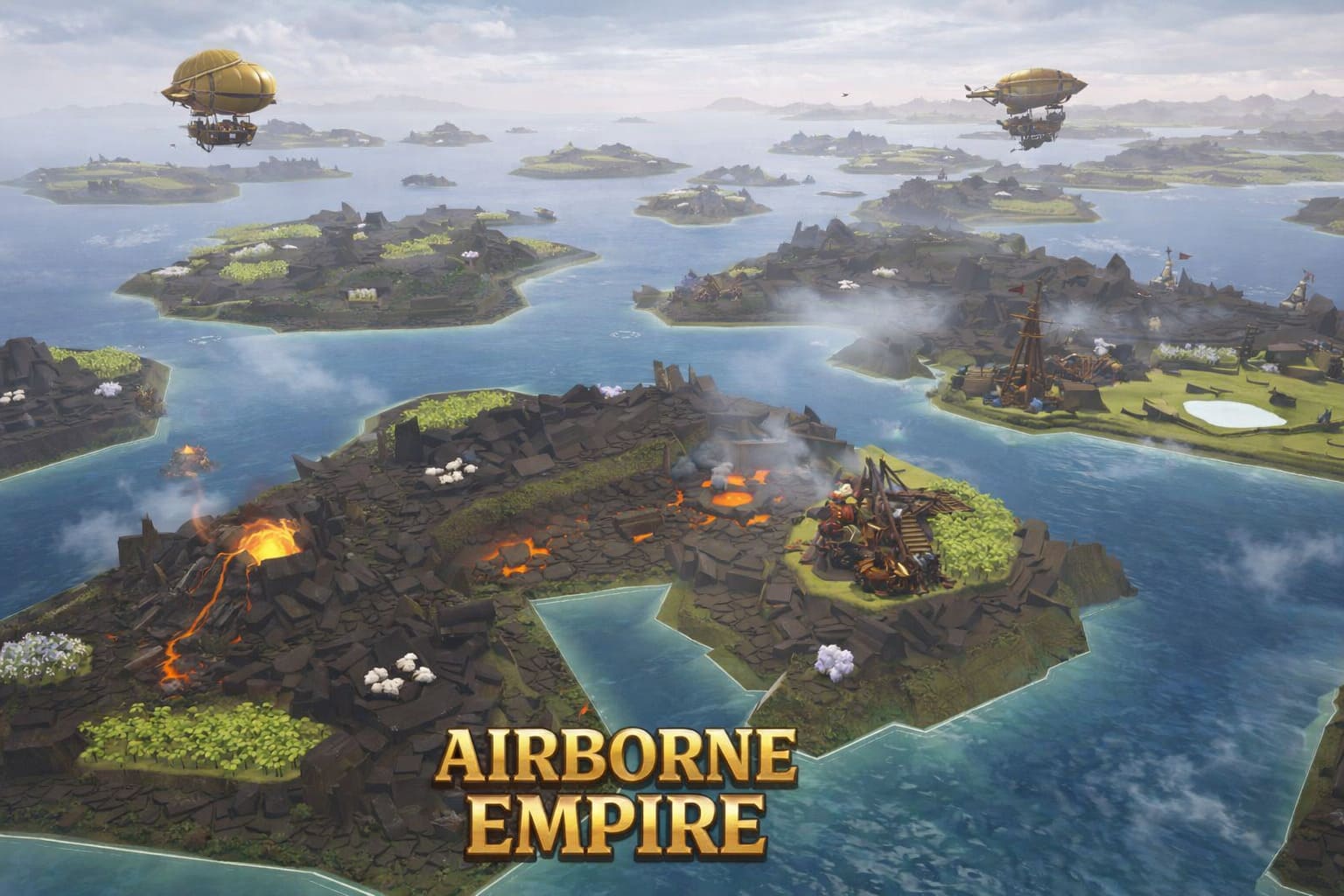
Movement is your biggest advantage. You’re not a turret—you’re a flying fortress. Kiting enemies by moving backward while firing is extremely effective once mastered.
Tech Choices That Actually Matter
The tech tree looks massive, but not everything is equally useful.
- Vertical expansion tools: Grow without increasing drag
- Efficiency upgrades: Reduce long-term pressure
- Advanced propulsion: Keep up with late-game threats
Skipping these upgrades doesn’t just slow you down—it actively makes the game harder.
Biomes: Adapt or Fail
Each region changes the rules slightly, and ignoring that will cost you.
Frozen regions: Engines can stop working entirely, requiring heat management.
Humid zones: Great for water production but damaging for long-term structures.
The key is to treat biomes as temporary opportunities, not permanent homes.
Hidden Rewards That Are Actually Worth It
Exploration pays off, especially when it comes to relics.
Some bonuses are subtle, but others significantly improve your city’s performance.
If you see ruins or strongholds, they are worth exploring—but only if you are prepared for the risk.
Common Mistakes I See (And Made Myself)
- Expanding too fast without increasing lift
- Ignoring trade opportunities
- Poor pathing inside the city
- Unbalanced heavy structures
Pathing is often overlooked. If citizens cannot quickly reach critical systems, everything slows down, including emergency repairs.
Quick Practical Tips
- Check balance every few buildings
- Overprepare for harsh environments
- Keep layouts compact and intentional
- Focus on positioning in combat
Final Thoughts: This Game Rewards Discipline
Airborne Empire constantly challenges your decisions. It asks whether you are managing resources well, building efficiently, and thinking ahead.
If the answer is no, the game makes it obvious—usually by sending your city crashing down.
It can be frustrating, but when everything works together, the experience is incredibly rewarding.
FAQ
How do I stop my city from falling?
Balance your weight and lift. Add lift systems or redistribute heavy structures.
What resource should I prioritize?
Coal. It is the most important resource in the game.
Is exploration worth it?
Yes, but only when your economy is stable.