Deep Rock Galactic Rogue Core Gameplay Guide: Tips, Classes, and Roguelite Strategy
There are very few co-op games that manage to create real chaos without turning into a complete mess. The original Deep Rock Galactic did it almost perfectly. Every mission felt like a drunken mining disaster held together by zip-lines, flamethrowers, and pure dwarf stubbornness.
Now Deep Rock Galactic: Rogue Core takes that formula and throws it into a full roguelite structure — and honestly, it changes the entire mood of the game in the best possible way.
This is not “Deep Rock Galactic with extra modifiers.” It genuinely feels like Ghost Ship Games asked themselves: What if every mission could completely spiral out of control within minutes?
After watching streams, reading community discussions, and digging through Early Access impressions, Rogue Core already looks like one of the most intense co-op shooters currently available for roguelite fans.
Rogue Core Finally Makes Hoxxes Feel Truly Hostile
The original DRG always had danger, but experienced players eventually learned how to dominate missions through optimized builds and overclock combinations. Rogue Core strips most of that comfort away.
You enter each dive weak.
No overpowered endgame loadout.
No carefully crafted “main build.”
No guaranteed safety.
And that changes everything.
The setup itself is surprisingly grim for a dwarven shooter. A mysterious event called The Greyout wipes out deep mining facilities after the discovery of a dangerous resource called Expenite. Entire operations vanish without communication. Your squad — known as the Reclaimers — gets sent into the deepest sectors of Hoxxes IV to investigate whatever nightmare is spreading underground.
The atmosphere immediately feels darker than standard DRG. Less “space miners having fun,” more “elite recovery team entering a dead zone where something went horribly wrong.”
That tone shift actually works incredibly well.

The Roguelite System Completely Reinvents the Gameplay Loop
This is the biggest difference players need to understand before jumping in.
In classic DRG, progression happens outside missions. You level characters, unlock weapons, customize builds, and prepare before deployment.
Rogue Core throws that system into the shredder.
Every run starts from near-zero power, meaning your success depends entirely on:
- random upgrades
- team coordination
- positioning
- adaptability
- decision-making under pressure
And honestly? That unpredictability is what makes the game exciting.
One run might turn your squad into unstoppable bug-killing monsters with absurd elemental synergies. Another run might give your team terrible upgrade rolls and force everyone into survival mode halfway through the dive.
That constant uncertainty creates tension the original game rarely had after hundreds of hours.
What Makes the Roguelite Loop Work So Well
| Feature | Why It Matters |
|---|---|
| Randomized upgrades | Forces players to adapt instead of repeating one build forever |
| Procedural cave layouts | Keeps exploration unpredictable |
| Escalating enemy pressure | Punishes slow, greedy teams |
| Shared team survival | Encourages communication constantly |
| Mid-run build crafting | Creates huge replay value |
The pressure mechanic is especially brutal.
The longer your team remains inside a sector, the more dangerous the Core Spawn become. You constantly have to ask yourself:
“Do we search for more loot, or leave before this turns into a disaster?”
That risk-vs-reward pacing feels fantastic for a co-op game.
The Classes Feel More Flexible Than Traditional DRG Roles
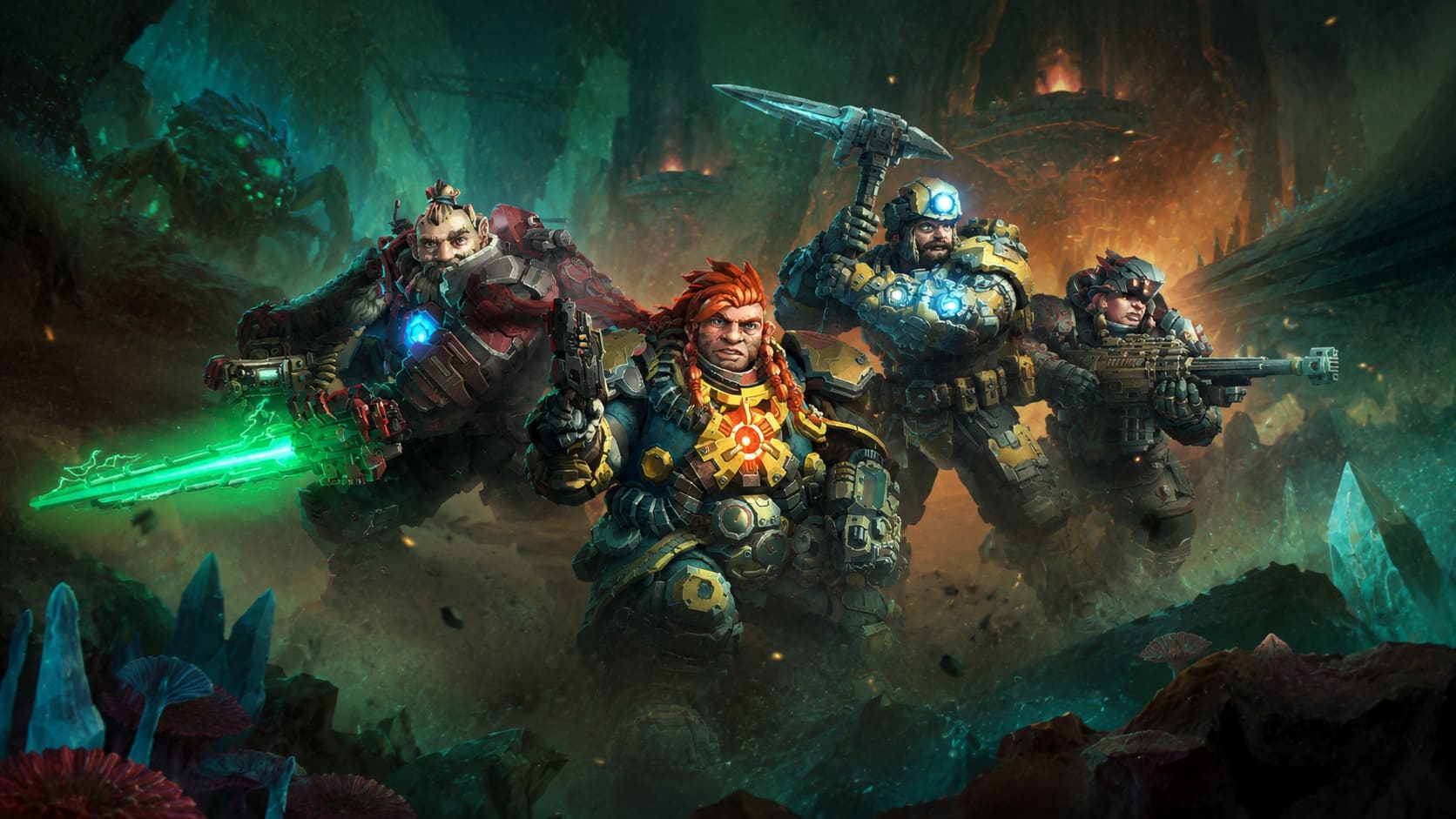
One thing I immediately liked is how Rogue Core avoids making classes feel overly rigid.
The original four-class setup in DRG was iconic, but it also locked players into very specific jobs. Rogue Core seems more interested in giving players adaptable combat identities instead of hard restrictions.
Guardian
The Guardian is basically the frontline survival specialist. Heavy defense, crowd control, shields, and holding choke points are their specialty.
If your squad gets overwhelmed during objective defense, this class becomes the difference between survival and a full wipe.
Recon
Recon focuses on mobility and threat awareness. They excel at identifying dangerous enemies and controlling battlefield flow.
Since movement tools are handled differently compared to the original Scout class, Recon feels more tactical rather than purely traversal-focused.
Tactician
Probably the most interesting class so far.
The Tactician specializes in deployables, area denial, and swarm manipulation. Turrets, slowing effects, and environmental control make this class incredibly valuable during extraction phases.
And because weapons can appear during runs regardless of class, players are encouraged to improvise instead of forcing meta loadouts every match.
That freedom is a massive advantage for replayability.
Forza Horizon 6 Steering Wheel Skittish Behavior Fix: Stop Shaking, Drifting & Spinning Out
The Combat Looks Faster, Harder, and More Aggressive
One thing that stands out immediately in gameplay footage is how much more intense the combat pacing feels.
Enemies push harder.
Movement matters more.
Reload timing becomes critical.
Positioning mistakes get punished instantly.
Even melee combat feels more important now.
A simple stun hit can buy enough time to survive a bad reload situation or stop smaller Core Spawn from collapsing onto your team. It sounds minor, but experienced co-op players know tiny mechanics like that often become high-level survival tools.
And honestly, the gunplay already looks fantastic.
The weapons have more impact compared to standard DRG. Everything feels heavier, louder, and more dangerous.
Some Weapon Builds Already Look Completely Broken
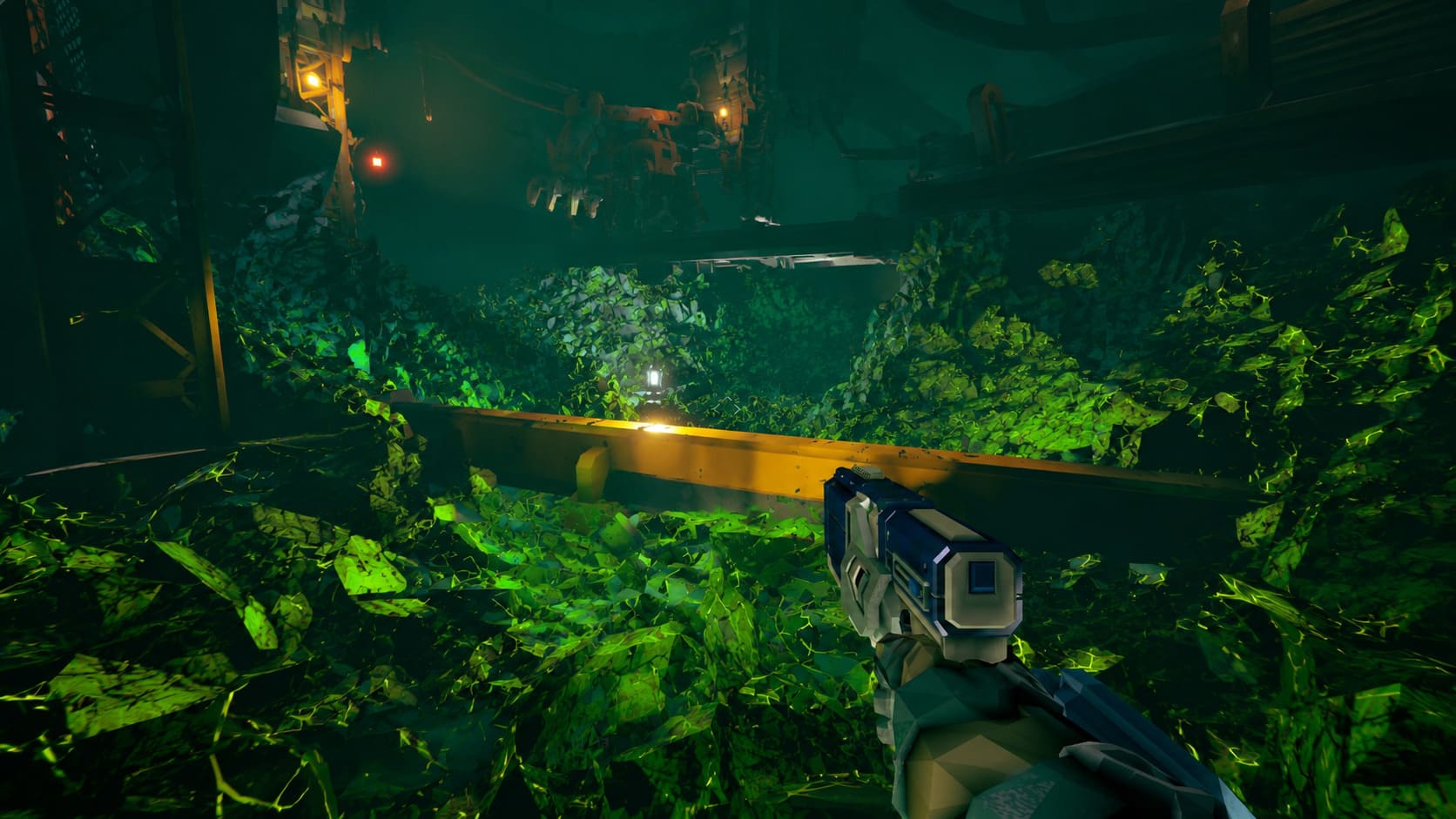
And I mean that in the best way possible.
The community is already discovering ridiculous upgrade combinations during Early Access.
The Hammer Caster
This weapon feels like a mix between a railgun and a portable cannon. Slow firing, devastating impact, massive weak-point potential.
If you stack precision or crit-style upgrades during a run, the Hammer Caster can apparently erase elite enemies almost instantly.
MM4 Charger
This thing looks absurd once players understand how scaling works.
Magazine upgrades increase charge capacity, meaning your sustained beam duration can become ridiculous with the right build path.
People are already creating boss-melting laser setups that look hilariously overpowered.
And that’s exactly what a roguelite should do.
The fun comes from discovering combinations that feel completely unfair.
Early Access Players Are Already Learning Important Survival Rules
Reading community discussions, one thing becomes obvious very quickly:
Rogue Core punishes bad habits hard.
Players trying to approach it exactly like standard Deep Rock Galactic are getting destroyed.
Here are the biggest lessons the community keeps repeating:
1. Never Stop Moving
The vertical cave generation is much more dangerous this time around.
Enemies attack from ceilings, walls, and elevated angles constantly. Tunnel vision will absolutely kill your squad.
2. Greed Gets Teams Wiped
This might become the defining rule of Rogue Core.
Once objectives are finished, staying behind for extra resources often becomes a death sentence because enemy scaling ramps aggressively.
3. Team Builds Matter More Than Individual Builds
A squad with:
- crowd control
- burst damage
- survivability
- utility
…will outperform four selfish DPS players almost every time.
4. Learn the Melee Stun Timing
Small enemies become far less dangerous once you master melee interruption timing.
This mechanic looks simple, but high-level players are already using it constantly.
Rogue Core Feels Like a Smart Evolution Instead of a Cash Grab
That’s probably the most important thing.
A lot of spin-offs feel unnecessary. Rogue Core genuinely feels like Ghost Ship Games experimenting with a new style while respecting what made the original game special.
It does not try to replace Deep Rock Galactic.
It complements it.
The original game still offers relaxed long-term progression and classic co-op mining adventures. Rogue Core instead focuses on tension, improvisation, and high-risk combat runs.
And honestly, that separation is smart.
Trying to force roguelite mechanics into the main game probably would have divided the community. Making it a standalone experience gives both games room to exist without damaging either identity.
Final Thoughts
Right now, Deep Rock Galactic: Rogue Core already looks like one of the most promising co-op roguelites in years.
It keeps the chaotic spirit of Deep Rock Galactic while introducing:
- meaningful run-based progression
- genuinely dangerous combat
- stronger build experimentation
- higher replayability
- more tactical decision-making
Most importantly, it creates those unforgettable co-op moments where a run suddenly transforms from controlled strategy into absolute panic within seconds.
That’s where games like this shine.
If Ghost Ship Games can maintain strong Early Access support, balance the upgrade system carefully, and continue expanding enemy variety and mission structures, Rogue Core could easily become a long-term favorite for co-op FPS fans.
And honestly?
Watching squads desperately fight through collapsing caves while screaming “Rock and Stone” during total chaos still somehow never gets old.