Jackdaw Upgrade Strategy: How to Dominate in Black Flag Resynced
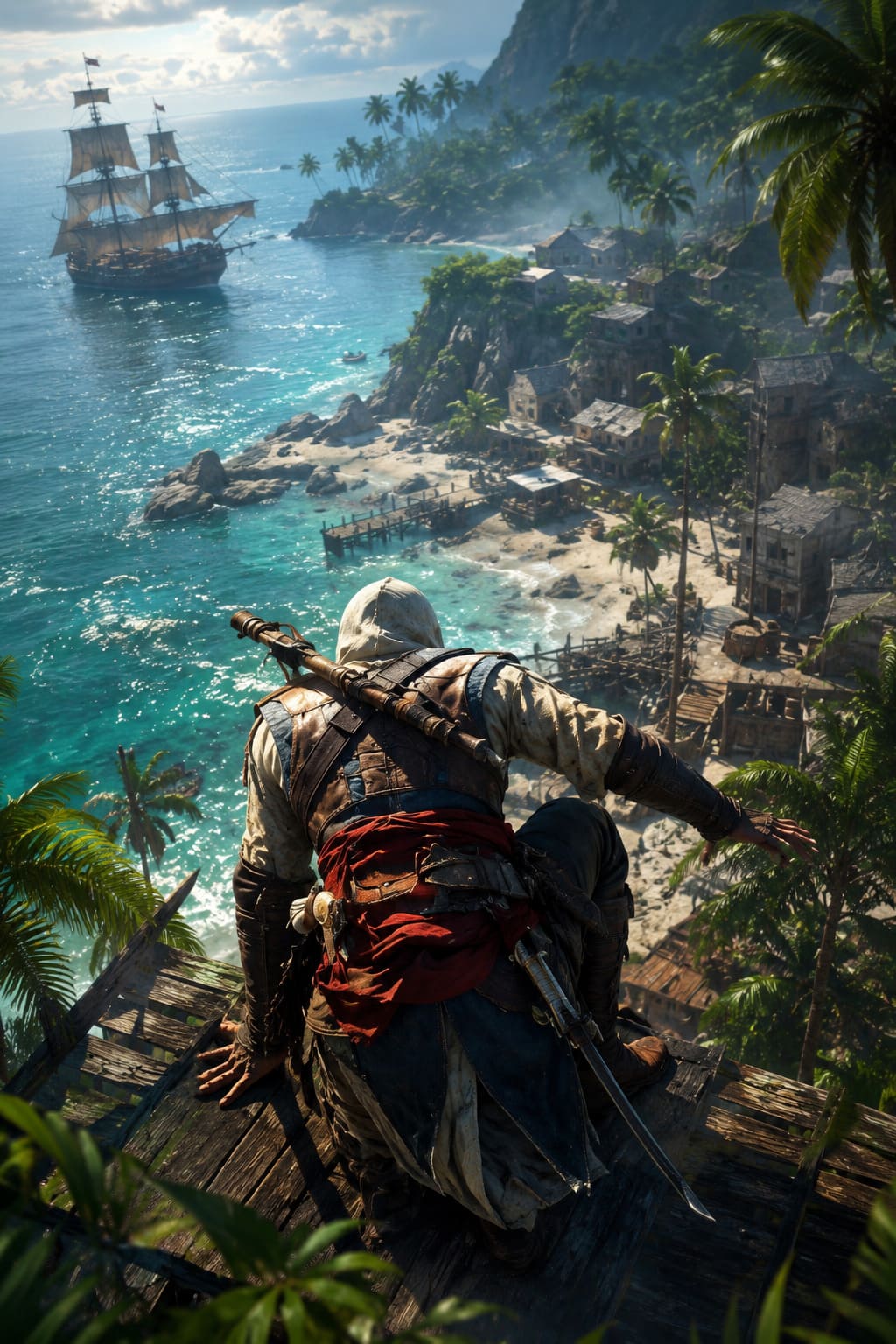
If there’s one thing I keep coming back to in Assassin’s Creed IV: Black Flag, it’s not just Edward Kenway’s story or even the Caribbean itself—it’s the Jackdaw. Every time I replay anything even remotely inspired by the pirate fantasy, the ship becomes the real center of the experience.
In the “Resynced” version (with its upgraded systems, rebalanced naval combat, and expanded progression), that feeling is even stronger.
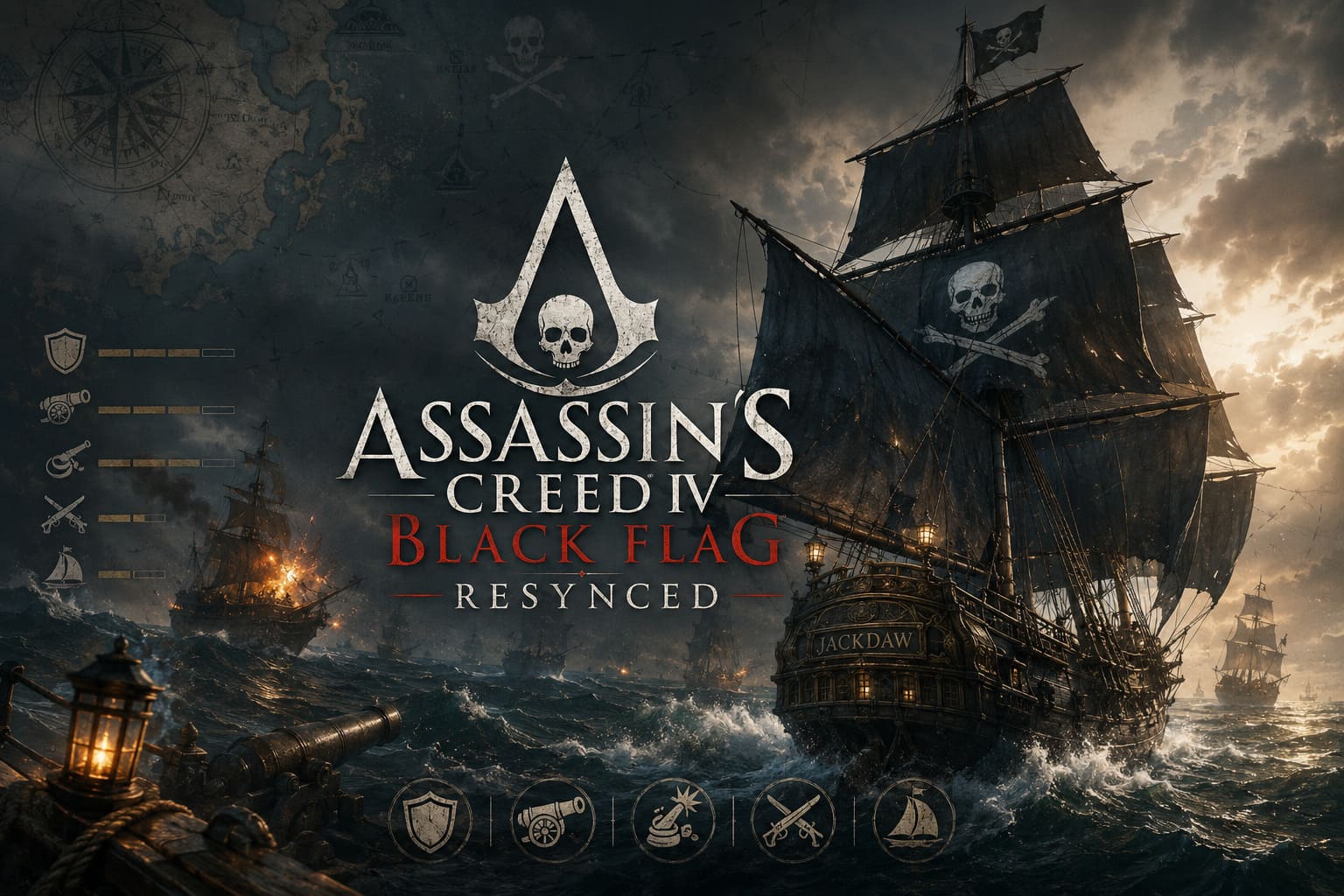
This isn’t just another upgrade checklist. It’s how I personally approach building the Jackdaw into something that genuinely feels like a living weapon of the sea—something that can go toe-to-toe with Legendary Ships and still come out floating.
So instead of a dry breakdown, think of this as a mix of strategy, personal preference, and lessons learned the hard way after sinking more times than I’d like to admit.
LEGO Batman Legacy on Switch 2: Release Window & Performance
The Jackdaw Feels Different in Resynced
The first thing you notice in this version is that the sea itself feels less predictable. Storms are harsher, waves are more aggressive, and ship combat doesn’t feel like a side activity anymore—it feels like the core gameplay loop.
The Jackdaw isn’t just a ship you upgrade. It feels like something you shape over time.
What really changes the experience for me are three things:
- More aggressive naval AI that punishes weak builds early
- Environmental pressure from storms and rough seas
- Expanded officer system with actual gameplay impact
Instead of just throwing upgrades at the ship, you’re forced to think: What kind of captain am I becoming? Heavy artillery? Tanky bruiser? Long-range tactician?
My Upgrade Philosophy: Balance… But Not Too Much
After experimenting with different upgrade paths, I’ve realized something simple: balance is good, but early survival matters more than style.
1. Hull Armor – Your Lifeline
I never skip this. Ever. The moment enemy frigates start hitting harder, you’ll feel it instantly if your hull is weak. It’s the difference between escaping a fight and restarting it.
2. Broadside Cannons – Your Identity
This is where your ship starts to feel powerful. Broadside cannons define your fighting rhythm. The more consistent your firepower, the less you rely on risky maneuvers.
3. Mortars – The “I Control This Fight” Button
Mortars are honestly one of the most satisfying tools in naval combat. There’s something almost unfair about softening up ships before they even reach you.
4. Swivel Guns – Finishing Power
Not flashy, but essential. Especially during boarding sequences when everything turns chaotic.
Upgrade Priority Table
| Priority | Upgrade Type | Why It Matters |
|---|---|---|
| 1 | Hull Armor | Survival under heavy fire |
| 2 | Broadside Cannons | Core damage output |
| 3 | Mortars | Long-range control |
| 4 | Swivel Guns | Boarding efficiency |
| 5 | Sails & Speed | Positioning advantage |
New Additions That Actually Change Gameplay
Shrapnel Barrels
This is one of my favorite additions. Instead of simple explosive barrels, these now shred sails and slow enemy ships. That small change makes positioning way more strategic.
It turns naval combat into something more tactical rather than just “shoot until it sinks.”
Heated Shot
This is where things get a bit brutal. Damage over time effects in naval combat change how you approach fights. You’re no longer just trading blows—you’re applying pressure.
Resource Grinding: What Actually Works
Let’s be real: upgrading everything is expensive. The grind is part of the experience, but there are smarter ways to do it.
- Board ships instead of sinking them – you lose too much loot otherwise
- Focus on Frigates and Man-of-Wars – best resource return
- Sell unnecessary goods immediately – sugar and rum are pure profit
- Use captured ships for fleet income – passive resources add up over time
The biggest mistake I made early on was sinking too many ships. Once I started boarding consistently, upgrades came way faster.
Elite Upgrades: The Real Endgame
This is where things get interesting. Money alone isn’t enough anymore. Elite upgrades require blueprints hidden across the map—shipwrecks, buried chests, underwater areas. It forces exploration, which honestly fits the pirate fantasy perfectly.
The Diving Bell sections especially feel improved in Resynced. Less clunky, more atmospheric, and honestly a lot more enjoyable than I remembered.
LEGO Batman Legacy PC Specs: Can You Run the New Gotham?
Legendary Ships: Don’t Rush It
If there’s one piece of advice I wish I had taken seriously earlier, it’s this: don’t fight Legendary Ships too early.
They are not normal encounters. They are endgame skill checks.
- Massive damage output
- Aggressive AI behavior
- Punishing positioning mistakes
I’d say you should only attempt them when your Jackdaw is nearly fully upgraded—otherwise it’s just frustration disguised as challenge.
Officers Make a Bigger Difference Than You Think
One of the more interesting changes in Resynced is the officer system. Instead of just background crew members, they actually influence gameplay.
Some provide faster reload speeds, better ramming resistance, or improved repair efficiency. It’s subtle, but over long fights it absolutely matters. I didn’t appreciate this system at first, but now I actively build around it.
Cosmetic Upgrades: Still Worth Caring About
Even though cosmetics don’t affect stats, I still find myself spending way too much time customizing the ship.
The lighting and material improvements make everything feel more grounded. Sails, wood textures, and figureheads actually stand out visually in a way the original never fully captured.
And yes… the ship pets are pointless, but I like them. A cat sitting on deck during a storm somehow makes the whole experience feel more alive.
Final Thoughts: Why the Jackdaw Still Works
What makes the Jackdaw so memorable—even in a reworked version like Resynced—is that it grows with you in a way few game systems manage to replicate.
You don’t just upgrade it. You earn it.
You feel every improvement: the first time you survive a bad storm, the first time you outgun a frigate, the first time you board a heavily damaged Man-of-War and win.
By the time you’re ready for Legendary Ships, the Jackdaw doesn’t feel like a tool anymore. It feels like your identity in the game.
And honestly, that’s why I still think Black Flag—in any version—has some of the best naval gameplay ever made.