Vanishing Attack Timing Guide: Sparking Zero Season 3 Meta & Pro Playstyles
If there’s one thing I’ve learned playing competitive fighting games over the years, it’s that mechanics like dodges, teleports, and counters always look simple on the surface… until you actually try to master them. Dragon Ball: Sparking! ZERO is no exception.
The Vanishing Attack system in this game isn’t just a defensive gimmick—it’s the backbone of high-level PvP.
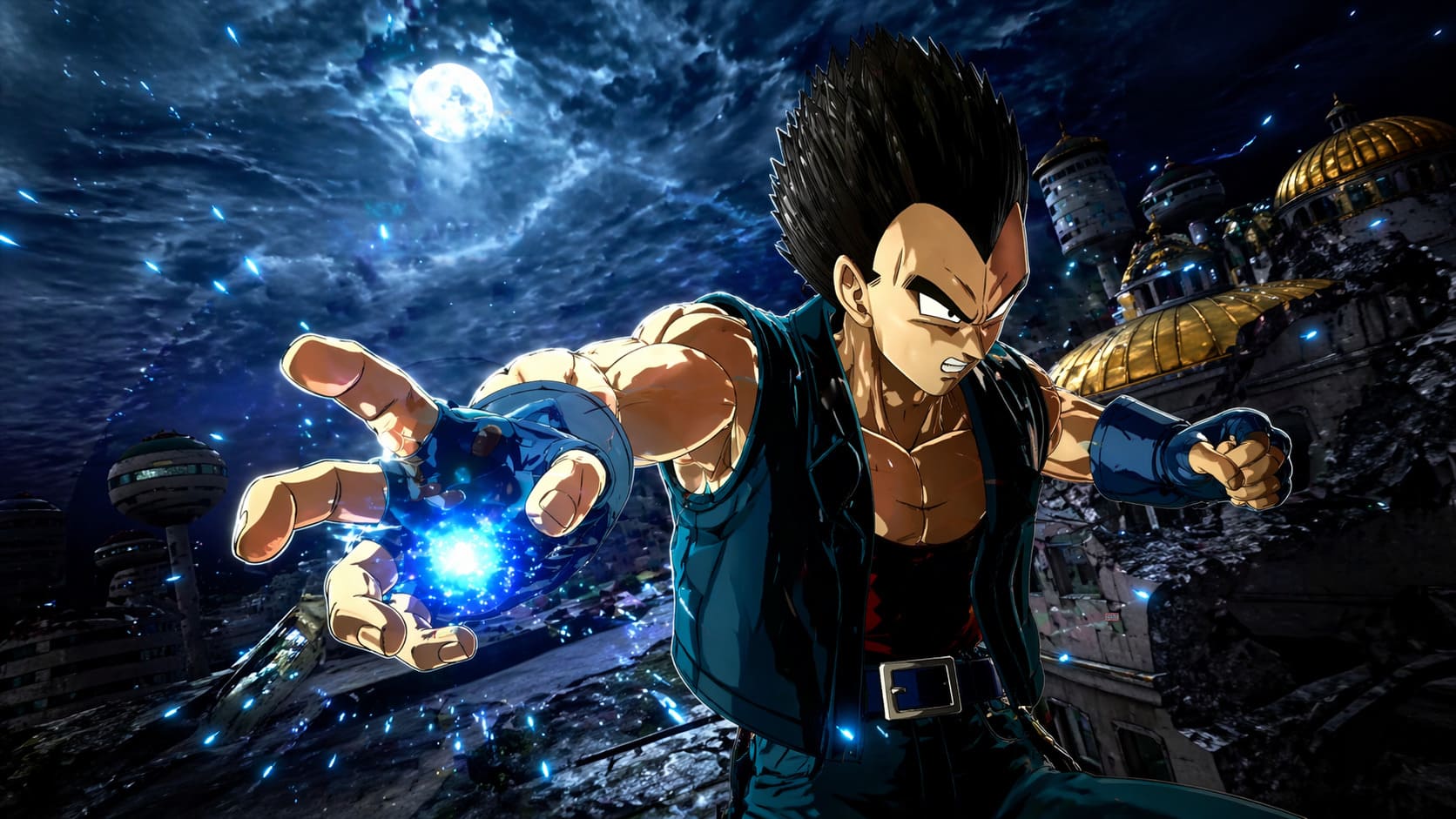
It decides who controls tempo, who gets punished, and who survives those chaotic vanish exchanges where neither player seems to stay in one place for more than a split second.
This isn’t just another “press button to teleport” mechanic. It’s timing, resource control, prediction, and a bit of psychological warfare all rolled into one.
Let’s break it down in a way that actually feels useful when you’re in the middle of a fight and everything is happening at lightning speed.
Red Dead Redemption 2 PS5 Pro 60FPS Patch News 2026: Leak Reveals “Enhanced Edition” Before GTA 6
What Vanishing Actually Is (And Why It Matters So Much)
At its core, a Vanish in Sparking! ZERO is a high-speed repositioning tool that lets you escape incoming attacks and instantly appear somewhere safer—or more dangerous, depending on your read.
You trigger it with a simple input (R1 on PlayStation / RB on Xbox), but calling it “simple” is misleading. Every vanish consumes Ki, which turns it into a limited resource rather than a free escape tool.
And that’s where the real game begins.
You’re not just fighting your opponent—you’re fighting their Ki bar, your Ki bar, and the invisible timer of who runs out of escape options first.
In most matches, I’ve noticed something consistent: beginners vanish too early and waste resources, intermediate players vanish too often and get baited, advanced players barely vanish at all unless it guarantees advantage.
That last group is the one that usually wins.
Timing Is Everything — And I Mean Everything
If there’s one habit you need to fix early, it’s button mashing.
Spam vanishing doesn’t make you safer. It makes you predictable.
Instead, think in terms of visual cues.
Key timing principles include watching the opponent, not yourself, reacting to attack commitment rather than movement, and learning to feel the hit moment instead of guessing it.
A trick that helped me personally is focusing on the opponent’s arms or weapon movement instead of the character model as a whole. Most attacks in Sparking! ZERO have readable wind-ups if you stop panicking and actually observe them.
The vanish window is tight—roughly a few frames before impact—but it becomes intuitive with practice.
You’re aiming for that moment where it already looks too late… but it isn’t.
Different Situations, Different Vanish Rules
Not all attacks are created equal, and treating them the same is a fast way to get deleted in PvP.
Melee Combos: Don’t vanish on the first hit. Watch for combo rhythm breaks and expect follow-ups before committing.
Beam Attacks: Wait until the beam feels unavoidable, not just visible. Timing here is extremely strict.
Ultimate Attacks & Grab Supers: React during animation commitment. Learn character-specific startup cues and avoid panic vanishing early.
Vanishing Wars — The Real PvP Nightmare
If you’ve played even a few ranked matches, you’ve probably experienced this: both players vanish behind each other endlessly until someone misreads a single input and gets comboed into oblivion.
This is what I call a vanish loop collapse, and it usually decides matches.
Key survival rules include tracking Ki first, not positioning, stopping competition when your Ki is lower, and breaking rhythm instead of matching it.
One underrated tactic is delaying your vanish return slightly. Many players expect immediate retaliation, so hesitation often causes them to whiff.
Advanced Defensive Options (Beyond Vanishing)
If vanish is your basic escape tool, then advanced mechanics are your “get out of jail with style” options.
Here’s a breakdown:
| Mechanic | Cost | Purpose |
|---|---|---|
| Z-Counter | None | Perfect timing counter during impact |
| Sonic Sway | None | Evade rush chains with cinematic dodge |
| Revenge Counter | Skill Points | Break combos while being juggled |
The Z-Counter stands out because it rewards precision over panic and does not consume Ki.
A useful mental trick is not reacting to animation but reacting to the impact moment itself.
Reading Opponents: The Hidden Layer of Vanishing
Most defensive mechanics are not about reaction speed—they are about prediction.
Players develop habits: early vanishers always vanish at first pressure, aggressive players always chase, defensive players always reset after one exchange.
Once you recognize patterns, vanish timing becomes less about reflex and more about expectation management.
Sometimes faking hesitation is enough to bait a vanish and punish it instantly.
This is where the system becomes psychological rather than mechanical.
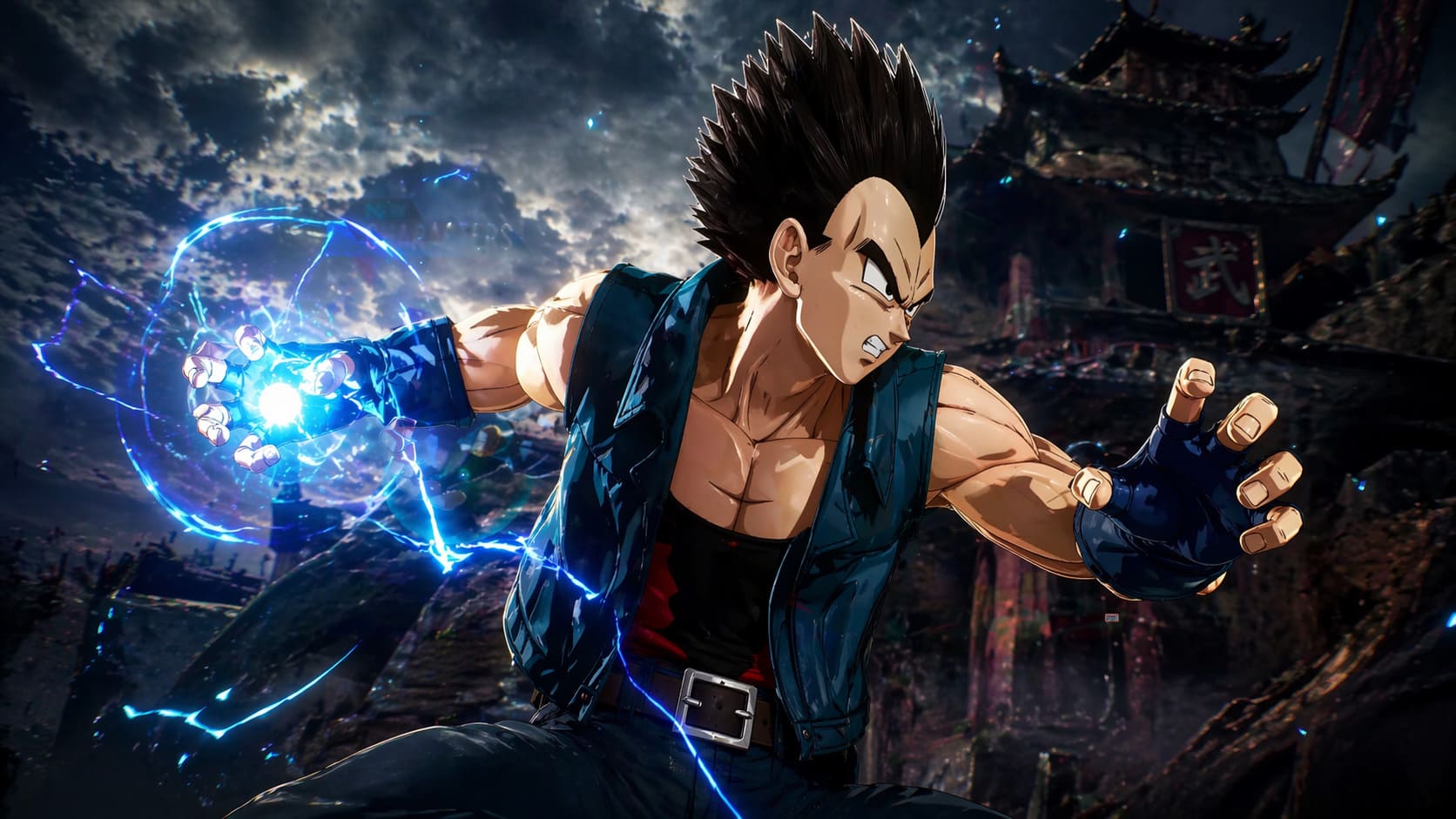
Training Tips That Actually Work
If you want to improve, random ranked matches won’t fix timing. You need structured repetition.
Reaction Training: Focus only on impact timing, not animation reading.
Beam Discipline: Practice delaying vanish until the last possible moment.
Combo Escape Recognition: Learn when vanish is actually available instead of guessing.
Online Play Reality: Lag Changes Everything
Online matches introduce delay, which transforms reaction-based play into prediction-based play.
You often need to input vanish earlier than feels correct, relying on pattern recognition rather than visual confirmation.
This adjustment is essential because what works offline will often fail online without adaptation.
Dragon Ball: Sparking! ZERO Season 3 Meta Breakdown (2026) — Best Teams, Real Playstyles & What Actually Works
Dragon Ball: Sparking! ZERO has reached a really interesting point in its competitive life cycle. Season 3 doesn’t feel like a simple balance update anymore — it feels like a full identity shift for the game. Between the January 2026 patch adjustments and the hype building around the upcoming Super Limit-Breaking NEO expansion, the meta has become less about raw power and more about efficiency, timing, and how well you manage your resources under pressure.
If I had to sum it up from actual ladder experience, it’s this: you don’t win anymore by just picking “strong characters.” You win by building teams that break DP economy rules or force the opponent into uncomfortable decisions every few seconds.
1. Neo-Fusion Power Build (15 DP Core Strategy)
This is still the “default sweaty meta” team. You see it everywhere from mid-high ladder to top Z-rank rooms. The idea is simple but extremely effective: start mid, scale into monsters, and win through transformation spikes.
Core lineup includes Goku (Super) Base [5 DP], Vegeta (Super) Base [5 DP], and Broly (Super) Base [5 DP].
This build revolves around conversion value. You are basically paying for flexibility instead of immediate power.
Early game focuses on farming Ki safely and avoiding unnecessary clashes. Mid game is where transformation timing becomes critical, often flipping momentum instantly. Late game typically ends in overwhelming pressure from fused or fully powered forms.
Goku and Vegeta function as setup units rather than early fighters. Their job is to survive, build resources, and force awkward interactions. Once fusion becomes available, the match often shifts completely.
Broly serves as the insurance option. When opponents overcommit or mismanage resources, he ends games through raw damage and armor pressure.
2. DP Efficiency Swarm (Low Cost, High Pressure Style)
This archetype is less about flashy plays and more about frustrating, constant disruption. It thrives in Season 3 because resource mistakes are more punishable than ever.
Typical lineup includes Yajirobe [2 DP], Master Roshi [2 DP], Kefla Base [6 DP], and Bardock [5 DP].
This team wins by breaking rhythm rather than dealing burst damage.
- Yajirobe acts as survival anchor and tempo disruptor
- Master Roshi provides speed harassment and unpredictable pressure
- Kefla creates constant mobility threats and forces reactions
- Bardock serves as the clean finisher for punished mistakes
The entire strategy revolves around forcing opponents into inefficient responses. You are not trying to outdamage them — you are trying to outlast their patience and resource discipline.
3. High-Skill Z-Rank Specialist Team
This is where the game becomes extremely technical. It is not for casual play or even standard ranked climbing. It requires deep understanding of vanish timing, resource cycling, and mental conditioning.
Core picks include Whis [10 DP], Hercule (Mr. Satan) [1 DP], and Gohan Beast or Orange Piccolo as high DP finishers.
Whis is currently one of the most influential characters in the meta due to his defensive control and sustain mechanics. He punishes over-aggression and forces opponents into passive, resource-heavy decision making.
Hercule functions as a disruption tool rather than a combat unit. He drains Skill Points, resets tempo, and creates psychological pressure through unpredictability.
Gohan Beast and Orange Piccolo act as explosive finishers, converting single openings into major damage swings.
Meta Comparison Overview
| Archetype | Strength | Weakness | Difficulty |
|---|---|---|---|
| Neo-Fusion Power Build | Strong mid-late scaling | Predictable early game | Medium |
| DP Efficiency Swarm | Tempo disruption and control | Low burst damage | Medium-High |
| Z-Rank Specialist | Maximum skill ceiling and control | Very punishing mistakes | Very High |
What Actually Changed in Season 3
Season 3 is less about raw balance changes and more about systemic shifts in how matches flow.
Vanish interactions are now heavily psychological. It is no longer about reaction speed alone but about predicting opponent behavior. Mashing vanish leads to punishment, while over-defensive play creates openings anyway.
Ki management has become more important than raw damage output. Deflecting blasts now contributes meaningfully to resource cycling, which rewards defensive intelligence.
Transformations are no longer win conditions on their own. They are now resource conversion tools that require proper timing and setup.
DLC Impact and Future Meta Direction
Upcoming additions such as Super 17, Demon King Piccolo, and GT Vegeta are expected to shift the meta toward more gimmick-heavy team structures. Historically, this type of content introduces unusual mechanics that challenge established playstyles.
Expected changes include:
- More disruption-based abilities
- Increased matchup-specific mechanics
- Reduced dominance of pure damage builds
- Stronger emphasis on knowledge-based play
Final Thoughts
At its core, Dragon Ball: Sparking! ZERO Season 3 rewards understanding over brute strength. Matches are less about who has the stronger character list and more about who manages resources, timing, and psychological pressure better.
The gap between casual and high-level play is widening, but the gameplay itself feels more expressive and strategic than earlier seasons. Every team archetype now has a clear identity, and success depends on how well you understand that identity — both yours and your opponent’s.
If Season 1 was about raw experimentation and Season 2 was about power spikes, Season 3 is about control.