SoulQuest S-Rank Tutorial: Why Being “Too Strong” Might Ruin Your Combo Score
If you’ve spent any real time in SoulQuest, you already know this isn’t just another hack-and-slash where button mashing carries you to victory.
It looks flashy, sure—but under the hood, it’s a full-on spectacle fighter that quietly demands precision, creativity, and a bit of swagger. And honestly? That’s exactly why I love it.
Getting an S-rank (or pushing into that juicy SSS tier) isn’t about being fast—it’s about being intentional. You need to think like a performer, not just a fighter.
After dozens of runs, failed combos, and a few “why did my rank just drop?!” moments, here’s a grounded, player-to-player breakdown of how to actually dominate the system.
Guide to Environmental Kills in Samson: A Tyndalston Story (2026)
What the Game Really Wants From You
At first glance, the ranking system feels punishing. You’re juggling damage, combos, timing, and style all at once. But once it clicks, you realize the game is rewarding three core behaviors: creativity over repetition, controlled aggression, and efficient resource use.
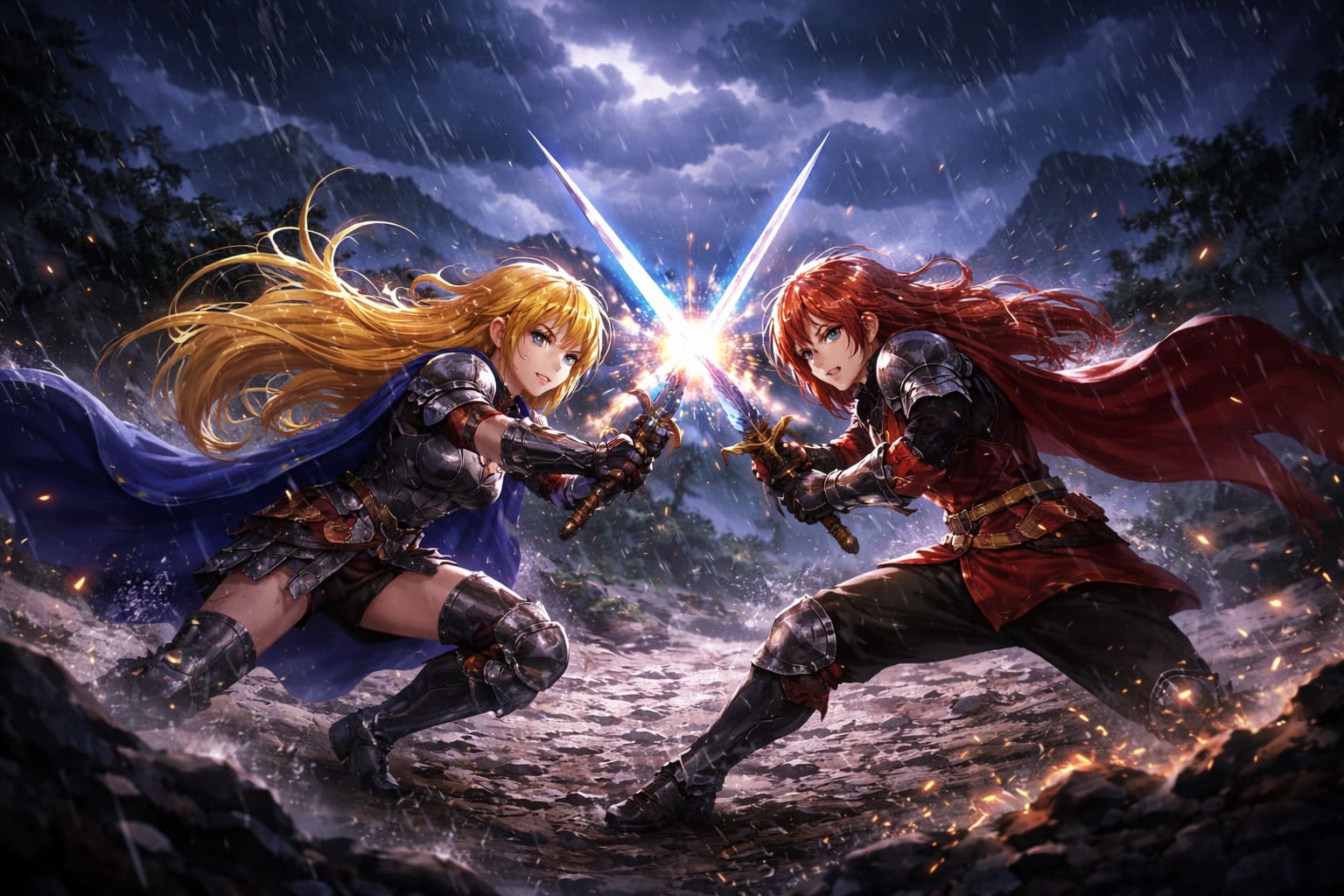
Spam one move? Your rank tanks. Play too safe? You lose momentum. Go reckless? One hit ruins everything. It’s a balancing act—and that’s where the fun begins.
Core Principles for Consistent S-Ranks
Variety isn’t optional—it’s everything. If you remember one thing, make it this: never repeat the same combo chain for too long. The system actively penalizes repetition, which means you need to rotate light attacks, heavy finishers, launchers, aerial moves, and magic abilities. Think of it like building a combo playlist—you don’t want the same song on repeat.
Resource awareness is just as important. Sword Energy fuels your offensive pressure, Magic opens enemies for extended combos, and your Combo Meter is your rank lifeline. Taking damage doesn’t just hurt—it kills your rhythm. Once that flow is gone, rebuilding your rank is way harder than maintaining it.
There’s also a difference between aggression and greed. Pushing pressure is good, but overcommitting is what destroys runs. Perfect executions come from discipline, not desperation.
Your Go-To Combo Structure (That Actually Works)
After experimenting a lot, this structure feels the most reliable for maintaining rank. Start grounded with a 3–4 hit basic combo, then trigger your aerial launcher to shift the fight upward. Once airborne, extend with light and heavy attacks, mixing directional inputs and vertical movement to stay in the air as long as possible.
Finish the sequence with a heavy slam or a special ability to bring the enemy back down. This loop isn’t just effective—it looks good, and style matters more than you think.
Advanced Tricks That Change Everything
Dodge canceling is where things start to feel truly advanced. By dodging mid-combo, you reset timing windows, avoid incoming damage, and instantly re-engage. It basically lets you control the pace of combat on your terms.
Combo reset techniques are equally important. Dodge into a pursuit skill to catch falling enemies, switch targets mid-air, or chain mobility attacks to extend pressure beyond normal limits. Done right, combos stop feeling like fixed sequences and start feeling infinite.
Movement is also part of your style. Directional attacks, lunges, and air repositioning aren’t just survival tools—they are how you maintain flow and prevent interruptions.
Closing Distance Without Losing Rank
One of the most underrated mechanics is gap control. If enemies spread out, your combo meter starts decaying quickly. The solution is simple: use lunge attacks to instantly close distance, chain movement into attacks, and always think one step ahead of enemy positioning.
The goal is simple: never let the game think you’ve stopped fighting.
S-Rank Checklist (Keep This in Mind Every Run)
No damage runs require patience, timing, and pattern recognition. High variety means constantly rotating your moveset instead of relying on one optimal combo. Fast clears demand aggression without hesitation. Stylish kills come from mixing magic, abilities, and finishers instead of basic attacks alone. Hidden bonuses often depend on exploration and completing optional objectives during missions.
Boss Fights: Where Most Runs Fall Apart
Bosses are where the system truly tests you. Instead of rushing in, the smartest approach is to observe patterns first, then punish openings. One of the most reliable positioning tricks is dodging behind bosses instead of rolling away, which often puts you in safer counterattack positions.
Once you stop forcing combos and start reacting intelligently, boss fights become significantly more controlled and satisfying.
My Honest Take After Grinding S-Ranks
What makes SoulQuest stand out is how it respects player growth. You can’t fake your way to S-rank—you have to earn it through understanding and adaptation. At first, everything feels chaotic, but over time you stop mashing, start planning, and your combos become deliberate instead of reactive.
That’s when the game clicks. You stop just playing and start performing.
Why Playing “Too Strong” Ruins Your S-Rank in SoulQuest (And What to Do Instead)
If you’ve spent any time chasing S-ranks in SoulQuest, you’ve probably run into a frustrating paradox: the better your gear and damage get, the worse your rankings sometimes become. It feels counterintuitive—after all, shouldn’t stronger attacks mean better performance?
Not in this game.
From experience (and a lot of trial-and-error runs that ended in annoying A-ranks), SoulQuest isn’t about how fast you kill enemies—it’s about how stylishly you control the fight. Once you understand that, everything about your upgrade path changes.
Let’s break it down in a practical, player-first way so you can start consistently landing those S and even SSS ranks.
The Core Problem: Damage vs Style
Here’s the reality most players learn too late: killing enemies too quickly can destroy your combo potential.
If enemies die before you build your style meter, you lose combo chains early, miss aerial extensions, and waste opportunities for multi-target finishers. In other words, raw damage is actually a trap in early and mid progression.
Instead, you want a character that stays mobile, extends combos indefinitely, and controls pacing instead of rushing kills.
1. Mobility Is Your Real DPS
Mobility isn’t just about movement—it’s your combo lifeline. If you can’t reach the next enemy fast enough, your style meter drops. And once it drops, your entire run suffers.
Top priority mobility upgrades:
- Double Jump / Air Dash — essential for staying airborne and continuing aerial combos where most high-score chains happen.
- Gap closers (like Soul Pursuit) — allow instant repositioning to keep combo momentum without downtime.
- Air control improvements — anything that increases hang time or directional precision mid-air.
Once you unlock smooth aerial mobility, the game starts to feel less like combat and more like rhythm-based flow.
2. Combo Extensions Matter More Than Damage
If mobility keeps your combo alive, combo-extending skills make it grow. This is where high ranks are actually built.
Key combo tools include enhanced launchers, multi-hit light chains, and dodge cancel mechanics.
- Enhanced launchers — increase air time, creating longer scoring windows.
- Multi-hit light chains — accelerate style meter buildup and stabilize combos.
- Dodge cancel — arguably the most important upgrade, allowing animation interruption without breaking combo flow.
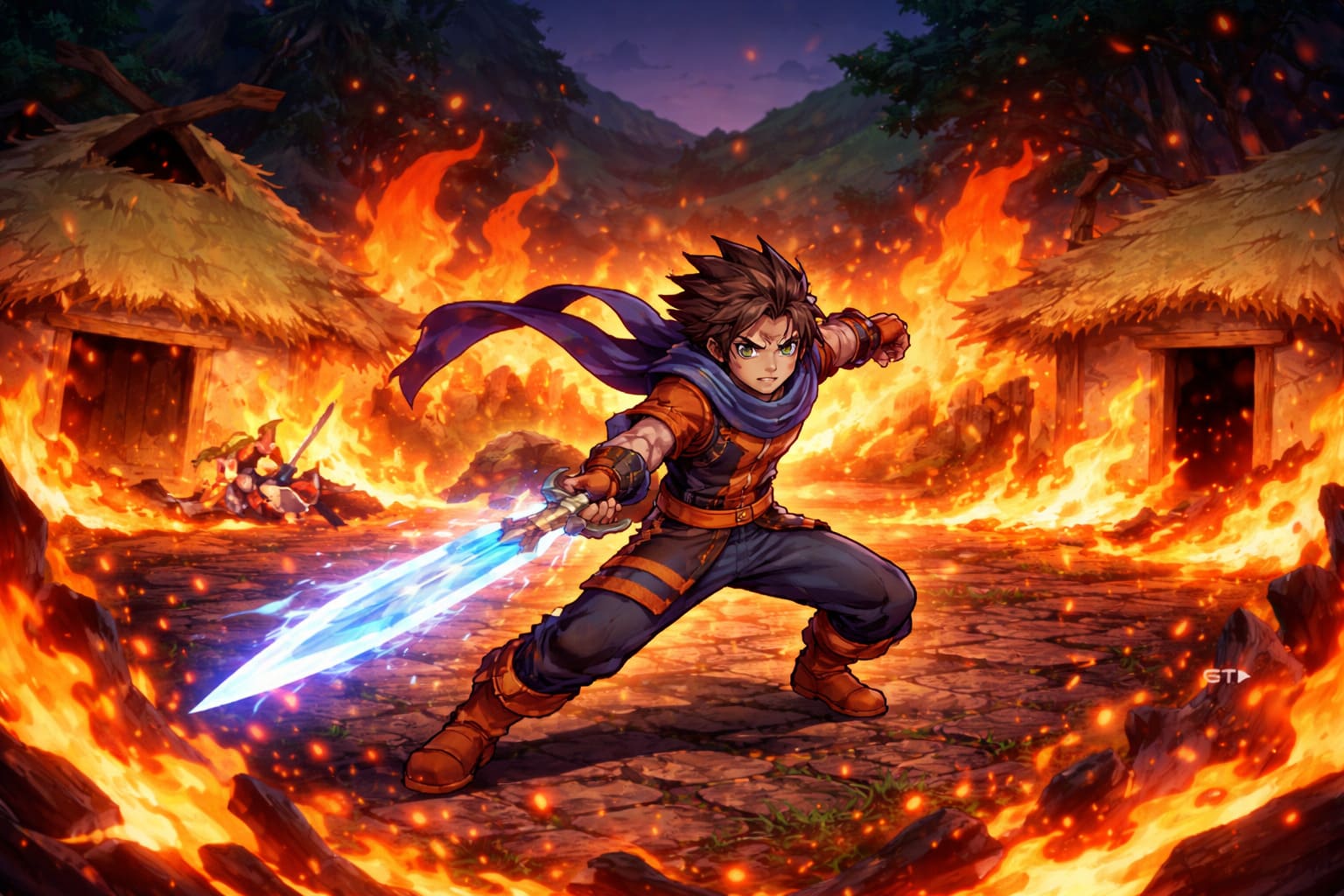
Dodge cancel in particular changes everything. It protects your combo under pressure and preserves “No Damage” bonuses, which are critical for S-rank consistency.
3. Magic Is Your Combo Insurance
Melee builds the style meter, but magic protects it. Many players underestimate this system, but it becomes essential in higher difficulty runs.
Magic slows decay, adds crowd control, and opens safe extension opportunities. Stamina or spirit capacity upgrades also increase your ability to maintain long chains without resource starvation.
Stun and lift effects are especially powerful against elite enemies. Keeping them airborne is one of the fastest ways to maximize style gain.
4. Ultimates Are Your Rank Boost Button
Ultimates are not just finishers—they are rank accelerators when used correctly. Timing is far more important than raw damage.
AoE ultimates are particularly strong because they hit multiple enemies, trigger variety bonuses, and create massive style spikes that can instantly push you up multiple ranks.
The key rule: use ultimates when enemies are grouped or when your combo is already at a high multiplier. Do not waste them on isolated targets unless they extend a larger chain.
Recommended Upgrade Path (Simple and Effective)
A clean progression order that works reliably across most builds:
- Spirit / stamina capacity
- Basic combo extensions
- Mobility upgrades (air dash, gap closers)
- Dodge cancel
- Magic enhancements (stun / lift)
- Ultimate ability
Quick Comparison: Bad vs Good Build Philosophy
| Approach | Result |
|---|---|
| High damage early | Enemies die too fast, low combo potential |
| Low mobility | Combo breaks between fights, rank decay |
| No dodge cancel | Frequent hits, lost bonuses |
| Balanced mobility + combo focus | Consistent S-ranks |
| Magic + AoE ultimate timing | Fast rank spikes and SSS potential |
How It Feels When You Get It Right
There’s a moment in SoulQuest where everything clicks. You start launching enemies into the air, chaining hits without touching the ground, dashing between targets seamlessly, and dropping ultimates into tightly packed groups.
And then your rank jumps: D → B → S → SSS.
That’s when it becomes clear: this game isn’t about winning fights—it’s about performing them.
Final Thoughts: Play Stylish, Not Strong
Stop trying to kill enemies efficiently. Start trying to fight them beautifully.
Prioritize movement over damage, control over speed, and flow over brute force. Once you shift your mindset, S-ranks stop feeling random and start becoming repeatable.