Intravenous 3 Beginner’s Tactical Guide: Sean vs. Steve, Weapon Stats & Stealth Mastery
If you’ve ever been drawn to games that don’t hold your hand, Intravenous 3 is one of those rare experiences that feels both punishing and incredibly rewarding. As someone who enjoys everything from slow-burn stealth games to chaotic shooters, I found this game sitting right in that sweet spot—where patience meets panic, and planning meets improvisation.
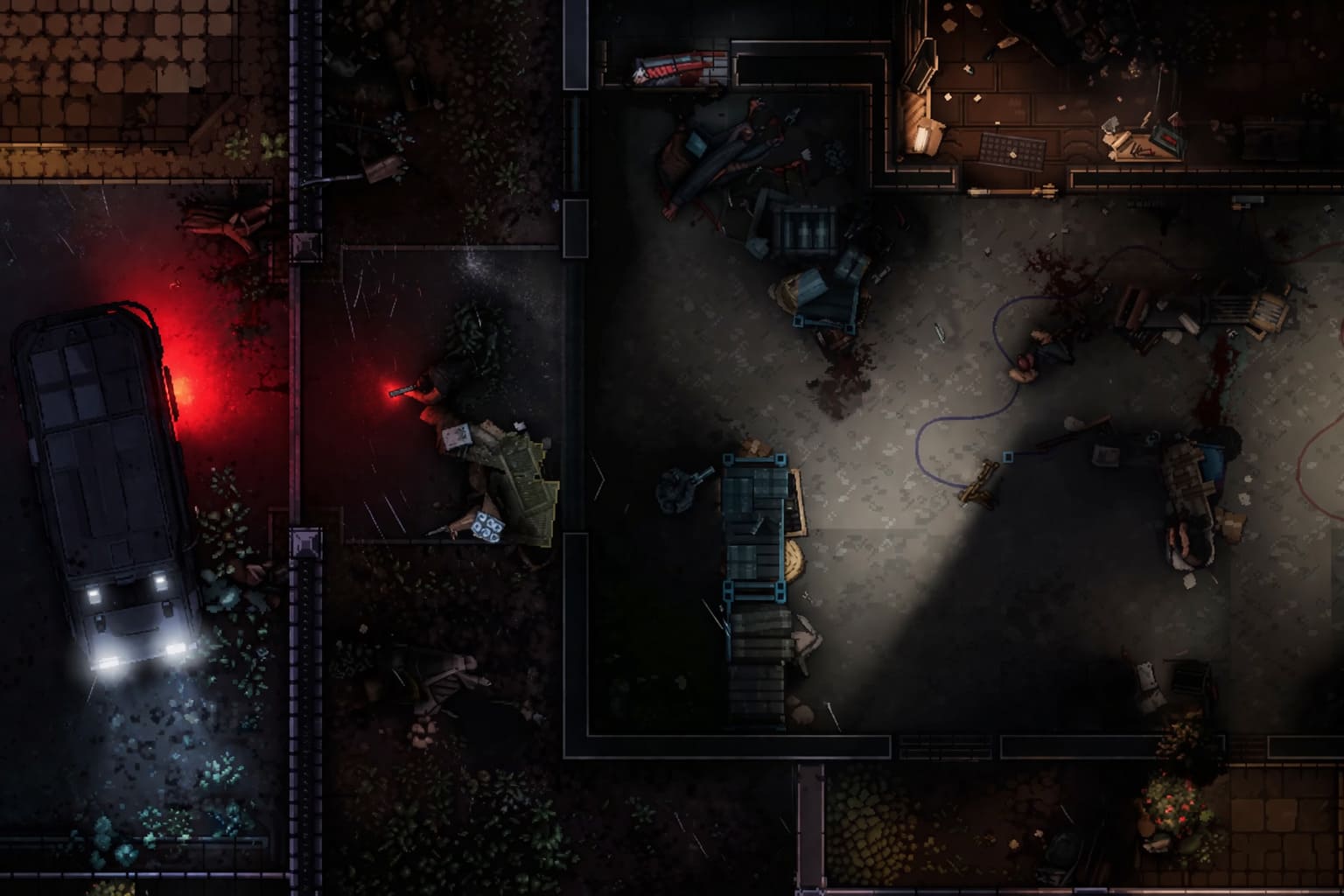
This isn’t just another top-down shooter. It’s a game that forces you to think, adapt, and sometimes accept failure as part of the learning curve. After spending hours experimenting, failing missions, and slowly improving, I’ve put together a practical, human-style guide to help you get into the rhythm of the game without feeling overwhelmed.
Xenonauts 2 Full Release 1.0 Gameplay Review & Strategy Guide (2026)
Why Intravenous 3 Feels Different
What struck me almost immediately is how alive the world feels. Guards aren’t just moving targets—they react, communicate, and adapt. Every mistake you make has consequences, and that’s what makes the game so intense.
Instead of rushing in, you start asking yourself questions like: “Where’s the nearest shadow?”, “What happens if I take this guy out?”, “Can I escape if everything goes wrong?” That mindset shift is the key to enjoying the game.
Mastering Stealth: It’s All About Control
Stealth in this game isn’t just crouching behind walls—it’s about controlling the environment and your presence within it.
What Actually Matters in Stealth
- Light is everything – Bright areas are basically death traps. I learned pretty quickly to hug the shadows and avoid lit corridors whenever possible. Turning off lights helps—but it can also raise suspicion.
- Sound will betray you – Walking too fast? Enemies hear it. Running on metal? Even worse. The ability to control movement speed is something I didn’t appreciate at first—but now I use it constantly.
- Weather can save you – Rain became my best friend. During storms, I could move much faster without worrying about noise. It’s one of those small details that makes a huge difference.
Quick Stealth Tips
- Stay in darkness as much as possible
- Move slower than you think you need to
- Avoid leaving obvious signs (like bodies in plain sight)
When Things Go Loud: Combat That Actually Feels Dangerous
Let’s be honest—stealth doesn’t always go as planned. And when it fails, the game turns into something completely different. Combat here is fast, deadly, and unforgiving. You don’t feel like a superhero—you feel like someone trying to survive.
Two Playstyles, Two Experiences
| Character | Strength | Playstyle |
|---|---|---|
| Sean | Manual slow-motion | Great for aggressive, precise combat |
| Steve | Automatic reflex boost | Better for reactive survival |
Personally, I preferred Sean because I like having control over when things slow down. It saved me countless times during messy encounters.
Combat Lessons I Learned the Hard Way
- Ammo is precious – You can’t just spray and pray. Every bullet matters.
- Suppressors aren’t magic – Even “silent” shots can be heard from a distance. I got caught more than once because I assumed I was safe.
- Less gear = more mobility – Carrying lighter loadouts actually made stealth easier and gave me better escape options.
The AI: Smart, Relentless, and Honestly Impressive
This is where the game really shines—and sometimes frustrates. Enemies don’t just forget about you. They communicate with each other, investigate missing teammates, and sweep areas strategically.
What Makes the AI So Challenging
- Radio checks – If a guard doesn’t report back, others notice. This creates a chain reaction that can escalate quickly.
- No “it was nothing” moments – Unlike many games, enemies don’t just shrug off suspicious events. If they see something wrong, they commit to finding you.
- Body discovery matters – Leaving enemies out in the open is basically asking for trouble.
How I Adapted
- Always hide bodies—even if it takes extra time
- Avoid disrupting patrol patterns too obviously
- Plan exits before taking action
Beginner-Friendly Strategies That Actually Work
After several failed missions (and a few rage moments), I found a few approaches that consistently improved my performance.
1. Play Slowly—Seriously
This isn’t a game you rush. Treat every room like a puzzle.
2. Explore Everything
You’ll find new weapons, blueprints, and alternate routes. Exploration is rewarded, and sometimes it’s the difference between success and failure.
3. Try Non-Lethal Options
At first, I ignored tools like tasers and gas grenades—but they’re incredibly useful. Why they’re underrated: no blood trails, less suspicion, easier cleanup.
4. Save Smart, Not Often
Depending on your difficulty, saves are limited. Best times to save: after clearing a tough area, before entering unknown territory, after completing key objectives.
My Personal Take: What Makes This Game Worth It
What I love most about Intravenous 3 is how it respects the player. It doesn’t simplify systems or make things easy—it gives you tools and expects you to learn. It reminded me why I enjoy challenging games: every success feels earned, every mistake teaches something, every mission feels unique. It’s not always relaxing, but it’s always engaging.
Intravenous 3 Beginner’s Tactical Guide: Sean vs Steve, Weapon Stats & Stealth Mastery
If you enjoy games that reward patience, precision, and smart decision-making, then Intravenous 3 is exactly your kind of challenge. This isn’t a run-and-gun shooter—every sound, every movement, and every shot matters. After exploring the protagonists and the arsenal, it’s clear: success depends on understanding your character and weapon mechanics. This guide explains how to survive the hardest missions effectively.
Sean vs Steve: Two Completely Different Playstyles
At first glance, Sean and Steve might seem like simple character choices, but they define the entire gameplay experience.
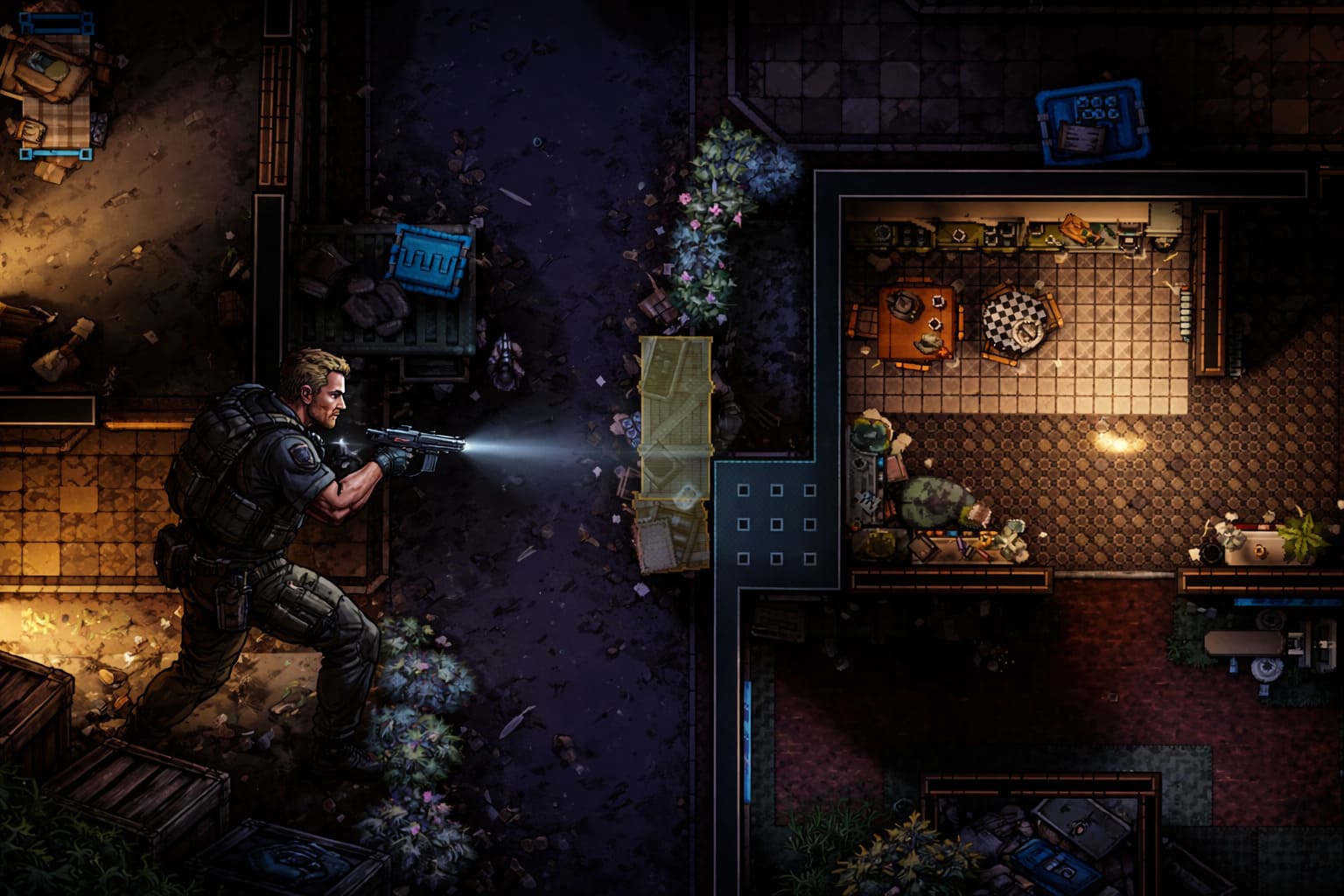
Sean – The Precision-Based Tactical Player
Sean is designed for players who love control and planning. His signature ability is manual Bullet Time. Using a stimulant inhaler, you can slow time to:
- Line up multiple headshots
- Clear tight rooms before enemies react
- Recover from mistakes mid-combat
The special thing about Bullet Time is that it’s player-controlled. You choose when to slow down time, adding skill and precision. Sean also has a unique progression system. He starts less experienced but can:
- Learn skills faster with Steve’s help
- Gradually evolve into a deadly operator
- Reward players who invest time into mastering mechanics
Personal take: Sean is harder early on but extremely satisfying once mastered. If you enjoy growing and refining your skills, he’s your pick.
Steve – The Ready-Made Combat Veteran
Steve is the opposite of Sean. Instead of manual slow-motion, he has Die-Hard Instinct, an automatic ability that activates in life-threatening situations. You don’t control it—it saves you automatically.
- Starts with nearly maxed skills
- Strong in direct combat
- Doesn’t rely on stimulants
Personal take: Steve is a safety net. Perfect if you want to focus on strategy and positioning without managing abilities mid-fight.
Quick Comparison
| Feature | Sean | Steve |
|---|---|---|
| Core Ability | Manual Bullet Time | Automatic survival instinct |
| Skill Progression | Gradual, scalable | Nearly maxed from start |
| Difficulty Curve | Steeper early game | Easier entry point |
| Playstyle | Precision & control | Aggression & reliability |
Weapon Stats That Actually Matter
In Intravenous 3, weapons directly affect gameplay, especially stealth. The most important stat is Noise Level. Suppressors don’t make weapons silent—they only reduce the noise radius. Even suppressed shots can alert enemies. Loud rifles can be heard across vast distances, while ultra-quiet weapons are highly valuable.
Slow-Down Effect
Weapon interaction with slow-motion is often overlooked:
- Faster weapons benefit more from Bullet Time
- Burst weapons land multiple hits almost instantly
- High recoil is less of an issue
Weapon choice is especially crucial when playing as Sean.
Best Weapons by Category (Practical Picks)
Silent Pistol – MK23 Suppressed
- Lower noise radius than standard pistols
- High damage output
- Ideal for stealth eliminations
Stealth SMG – MP5SD
- Integrally suppressed
- Any ammo behaves like subsonic rounds
- Reliable for stealth-heavy missions
High-Power Rifle – AN-94
- Unique two-round burst system
- Extremely high fire rate (both rounds hit nearly together)
- Deadly in skilled hands
End-Game Favorite – AS VAL
- Built-in suppression
- High stopping power
- Dominates late-game encounters
Noise Comparison Example
| Weapon Type | Approx. Noise Radius |
|---|---|
| M4 MOD | ~81.3 meters |
| MK23 Suppressed | ~34.4 meters |
| Tranq Rifle | ~6.3 meters |
Key takeaway: Tranq Rifle is nearly silent, while M4 can alert half the map.
Weapon Modifications: The Hidden Depth
Weapon customization affects gameplay beyond visuals:
- Noise levels
- Recoil control
- Accuracy
- Handling speed
Recommended priorities:
- Suppressors – always useful, but not fully silent
- Optics – improve precision, especially with Bullet Time
- Recoil mods – essential for automatic weapons
How to Actually Play Better (From Experience)
- Stop thinking like a shooter player: move slowly, observe enemy patterns, plan routes.
- Sound is your biggest enemy. Even suppressed shots travel farther than you think.
- Choose weapons based on mission type: indoor maps → SMGs and pistols, open maps → rifles, stealth missions → ultra-quiet weapons.
- Use Sean’s ability strategically: save Bullet Time for multi-enemy encounters, recovery, or perfect execution.
- Let Steve carry you early: learn mechanics first, then switch to Sean for mastery.
Final Thoughts
Intravenous 3 stands out because it respects the player’s intelligence. Victories aren’t handed to you—you earn them by understanding systems, adapting playstyle, and thinking ahead. Sean rewards precision and growth, Steve provides stability and raw power, and weapons shape strategy more than aim alone. Master noise, abilities, and weapon mechanics, and the game becomes intensely rewarding and satisfying.